Best Frozen Fruits for Diabetes Management
Discover the top frozen fruits for diabetes: nutrient-rich berries that support blood sugar management.
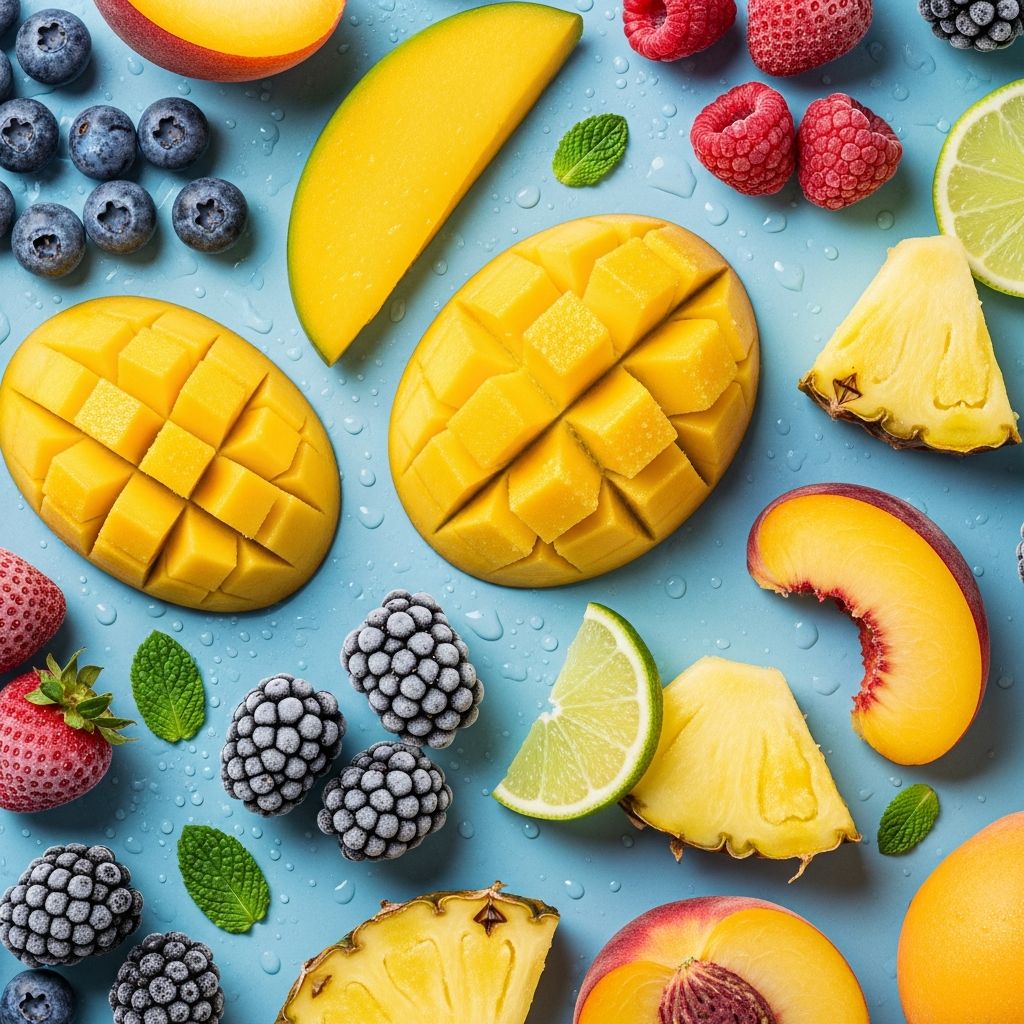
Managing diabetes requires careful attention to diet, and fruit consumption often raises concerns due to natural sugar content. However, frozen fruits offer a nutritious, convenient, and cost-effective option for people with diabetes. Unlike the misconception that frozen fruits are less healthy, frozen produce is often picked at peak ripeness and retains more nutrients than fresh fruit that sits on shelves. This comprehensive guide explores the best frozen fruits for diabetes, their nutritional benefits, and practical tips for incorporating them into your meal planning.
Can Diabetics Eat Frozen Fruit?
A common question among people with diabetes is whether they can safely consume frozen fruit. The answer is yes, and there are several compelling reasons to consider frozen fruit as part of your diabetes diet.
Why Frozen Fruit Works for Diabetes
The primary concern about fruit consumption for diabetics is carbohydrate and sugar content. However, fruit contains dietary fiber, a complex carbohydrate that stabilizes blood sugar levels. This fiber cannot be digested by the body, which slows sugar absorption and prevents blood sugar spikes.
Frozen fruits are particularly advantageous because they are picked and packed at peak ripeness, preserving their mineral, vitamin, and antioxidant content. Several studies have demonstrated that frozen produce may contain more nutrients than fresh fruits that are picked prematurely and transported long distances.
Benefits of Choosing Frozen Produce
- Cost-effective: Frozen fruits are often more affordable than fresh equivalents, especially out of season
- Extended shelf life: Frozen fruits last up to 18 months, reducing food waste and allowing flexible meal planning
- Year-round availability: Access a wider variety of fruits throughout the year
- Convenience: No preparation required for storage; use only what you need and return the rest to the freezer
- Nutrient retention: Frozen at peak ripeness, these fruits maintain their nutritional profile
Top Frozen Fruits for Diabetes
Frozen Strawberries
Frozen strawberries are an excellent choice for diabetics, combining delicious flavor with impressive nutritional benefits. One cup of frozen strawberries contains only 7 grams of natural sugar and approximately 3 grams of dietary fiber, making them a low-sugar option despite their sweet taste.
Beyond their favorable sugar-to-fiber ratio, strawberries deliver substantial health benefits. These berries are incredibly high in Vitamin C, an antioxidant that protects cells from developing chronic diseases such as Type 2 Diabetes. Additionally, strawberries contain anthocyanins that help reduce free-radical damage and inflammation.
Research supports their diabetes-friendly properties. A 2019 study published in Nutrients found that consuming strawberries had positive effects on the body’s antioxidant status, insulin sensitivity, and inflammation levels. This means strawberries help body tissues respond better to insulin, facilitating glucose movement from the bloodstream into cells.
Frozen Raspberries
Raspberries stand out as one of the most fiber-rich frozen fruits available for diabetics. One cup of frozen raspberries contains 9 grams of sugar but an impressive 6 grams of fiber—approximately double the fiber content of strawberries. This exceptional fiber-to-sugar ratio makes raspberries particularly effective for blood sugar management.
Pre-diabetics and individuals with insulin resistance have experienced notable benefits from consuming frozen raspberries at breakfast. Research published in Obesity (2019) demonstrates that raspberries reduce blood sugar spikes and require lower insulin amounts after meals, thereby improving overall insulin sensitivity.
The high fiber content not only moderates blood sugar response but also promotes feelings of fullness, supporting weight management—an important consideration for diabetes control.
Related Stories



Frozen Blueberries
Blueberries are widely recognized as the top fruit choice for diabetes, recommended by dietitians and endorsed by the American Diabetes Association. While blueberries contain 13 grams of natural sugar per cup, they also provide 4 grams of fiber, and their true measure of blood sugar impact comes from their glycemic load.
The glycemic load (GL)—which accounts for how quickly specific carbohydrate amounts raise blood sugar—of one cup of blueberries is only 9.6, considered a low reading. This favorable rating reflects how the fruit’s fiber moderates the body’s sugar absorption.
Blueberries are nutrient-dense powerhouses containing Vitamin C, Vitamin K, magnesium, and polyphenol-rich anthocyanins. These compounds reduce diabetes risk through multiple mechanisms. A six-week clinical feeding study using 45 grams of freeze-dried blueberries in obese adults with insulin resistance showed a significant 22% increase in insulin sensitivity.
For practical convenience, a registered dietitian and certified diabetes educator recommends setting up frozen blueberries with yogurt the night before consumption; by morning, the berries thaw and infuse the yogurt with flavor while maximizing satiety.
Frozen Blackberries
Blackberries represent one of the healthiest frozen fruit options for diabetes management. These berries contain nearly 8 grams of fiber per cup—almost a quarter of daily needs—while providing only 7 grams of sugar. This exceptional nutrient density makes blackberries particularly valuable for blood sugar control.
The high fiber content ensures that naturally occurring sugars are absorbed slowly into the bloodstream, preventing glucose spikes. Additionally, blackberries are loaded with antioxidants that support overall health and reduce inflammation associated with diabetes.
Frozen Tart Cherries
Tart cherries, while containing 14 grams of natural sugar and 2 grams of fiber per cup, are still worthwhile additions to a diabetes diet when consumed mindfully. These small fruits pack concentrated nutritional value including potassium, magnesium, and Vitamin C.
What distinguishes tart cherries is their exceptional anti-inflammatory and antioxidant properties, derived from polyphenol compounds. A study published in Nutrients (2018) demonstrated that consuming cherries decreases A1C levels—the hemoglobin A1C test measuring average blood sugar over three months—in women with diabetes. This significant finding supports their inclusion in diabetes meal planning.
Frozen Avocado
While technically a fruit, frozen avocado occupies a unique category in diabetes nutrition. Unlike berry fruits, avocados are high in healthy fats and low in carbohydrates, making them an excellent choice for supporting blood sugar stability. Frozen avocado provides nutrient density without the sugar concerns associated with other fruits.
Comparing Frozen Fruit Nutritional Profiles
| Frozen Fruit (1 cup) | Sugar (grams) | Fiber (grams) | Glycemic Load | Key Nutrients |
|---|---|---|---|---|
| Strawberries | 7 | 3 | Low | Vitamin C, Anthocyanins |
| Raspberries | 9 | 6 | Low | Fiber, Anthocyanins |
| Blueberries | 13 | 4 | 9.6 (Low) | Vitamin K, Magnesium, Polyphenols |
| Blackberries | 7 | 8 | Low | Fiber, Antioxidants |
| Tart Cherries | 14 | 2 | Moderate | Potassium, Polyphenols |
Practical Tips for Using Frozen Fruits in Diabetes Meal Planning
Reading Labels and Avoiding Added Sugar
Always read frozen fruit labels carefully to avoid varieties with added sugar. Many commercially frozen fruits contain added syrups or sweeteners that substantially increase carbohydrate content and defeat the purpose of choosing frozen options for diabetes management. Select products listing only the fruit itself as the ingredient.
Proper Storage and Usage
Frozen fruits maintain optimal taste and nutritional value for six to nine months when stored properly. After thawing, use refrigerated frozen fruit within a few days to prevent spoilage and nutrient degradation. The extended shelf life of frozen fruit compared to fresh makes them ideal for people who may not consume produce quickly.
Portion Control
A standard serving of frozen or canned fruit for people with diabetes is approximately ½ cup, containing about 15 grams of carbohydrate. This guideline helps with meal planning and carbohydrate counting, which many people with diabetes use to manage blood sugar levels. Always check individual product labels for specific serving sizes.
Meal Integration Ideas
- Add frozen berries to unsweetened yogurt for a protein-fiber combination that slows sugar absorption
- Blend frozen raspberries or strawberries into smoothies with protein powder and unsweetened almond milk
- Use frozen blueberries as toppings for oatmeal (in appropriate portions) for fiber boost
- Create mixed berry bowls combining raspberries, strawberries, and blackberries for antioxidant variety
- Thaw frozen tart cherries and add to unsweetened Greek yogurt for a satisfying snack
Key Considerations for Diabetes Management
While frozen fruits are excellent choices for people with diabetes, they work best as part of a comprehensive diabetes management plan. The combination of dietary fiber with natural sugars means these fruits can improve blood glucose levels, lower blood pressure, and assist in managing weight—all critical components of diabetes control.
Individual responses to fruit consumption vary based on factors including medication, overall carbohydrate intake, activity level, and diabetes type. Some individuals may need to monitor portions more carefully or pair fruits with protein and healthy fats to optimize blood sugar response.
Consulting with a registered dietitian or certified diabetes educator helps personalize fruit recommendations based on individual health goals and diabetes management targets.
Frequently Asked Questions
Q: Are frozen fruits as nutritious as fresh fruits?
A: Yes, frozen fruits are often as nutritious or more nutritious than fresh fruits. They are picked at peak ripeness when nutrient content is highest, and freezing preserves these nutrients. Some studies show frozen produce may contain more vitamins and minerals than fresh produce transported long distances and stored on shelves.
Q: Can I eat frozen fruit if I have Type 2 Diabetes?
A: Absolutely. The best frozen fruits for Type 2 Diabetes—strawberries, raspberries, blueberries, and blackberries—are low in sugar and high in fiber, which supports blood sugar management. Research demonstrates these fruits improve insulin sensitivity and reduce A1C levels.
Q: How much frozen fruit can I eat in one serving?
A: A standard serving of frozen fruit for people with diabetes is approximately ½ cup, containing about 15 grams of carbohydrates. Always check individual product labels and consider pairing fruit with protein or healthy fat to slow sugar absorption.
Q: Should I avoid frozen fruits with added sugar?
A: Yes, always avoid frozen fruits with added sugar or syrups. Read labels carefully and select products containing only the fruit itself. Added sugars significantly increase carbohydrate content and blood sugar impact.
Q: What makes frozen berries better than other fruits for diabetes?
A: Berries are superior choices for diabetes because they have low glycemic loads, high fiber content, and are rich in anthocyanins and other antioxidants. These compounds improve insulin sensitivity and reduce inflammation associated with diabetes.
Q: Can frozen fruit help improve my A1C levels?
A: Research suggests certain frozen fruits, particularly blueberries and tart cherries, can positively affect A1C levels. A study showed that freeze-dried blueberries increased insulin sensitivity by 22%, while tart cherries specifically decreased A1C in women with diabetes.
References
- A Diabetic’s Guide to Frozen Fruit — What’s Instore. 2024. https://whatsinstore.com.mt/a-diabetics-guide-to-frozen-fruit/
- Should I Include Canned and Frozen Fruit for a Diabetes Diet? — Diabetes Care Community. https://www.diabetescarecommunity.ca/diet-and-fitness-articles/diabetes-diet-articles/should-i-include-canned-and-frozen-fruit-for-a-diabetes-diet/
- 10 Low Glycemic Fruits for People With Diabetes — GoodRx. https://www.goodrx.com/conditions/diabetes/best-and-worst-fruit-for-diabetics
- The #1 Fruit for Diabetes, Recommended by Dietitians — Registered Dietitian Professional Group. https://retptgroup.com/blog/the-1-fruit-for-diabetes-recommended-by-dieticians/
- Dietary Berries, Insulin Resistance and Type 2 Diabetes — National Center for Biotechnology Information (NCBI/PMC). https://pmc.ncbi.nlm.nih.gov/articles/PMC7202899/
- Benefits of Frozen Fruits and Vegetables — Diabetes Food Hub. https://diabetesfoodhub.org/blog/benefits-frozen-fruits-and-vegetables
- Best Fruit Choices for Diabetes — American Diabetes Association (ADA). https://diabetes.org/food-nutrition/reading-food-labels/fruit
Similar Articles








Read full bio of medha deb