Best Frozen Fruits For Weight Loss: 8 Top Picks
Discover top frozen fruits that aid weight loss with low calories, high fiber, and versatile uses for smoothies and snacks.
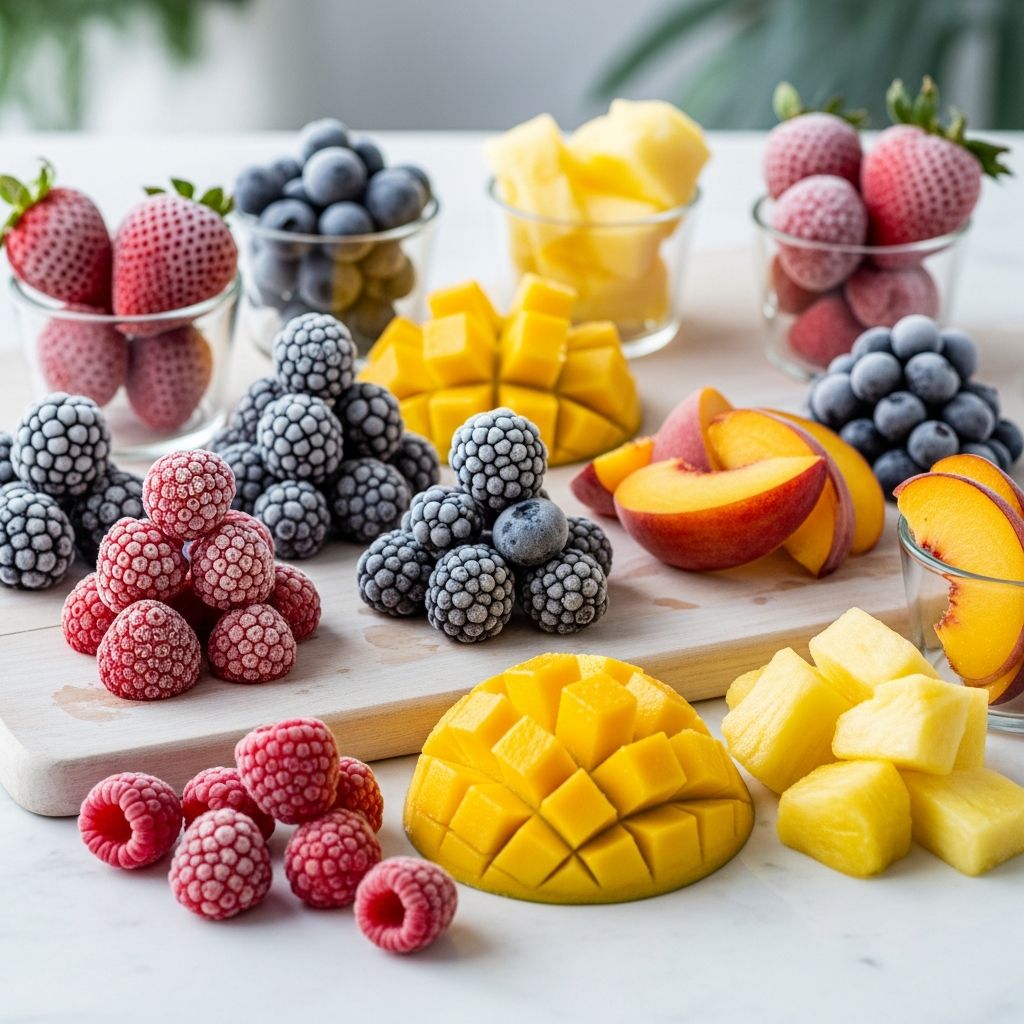
Frozen fruits are powerhouse allies in weight loss journeys, offering convenience, nutrition, and flavor without the high calories of processed snacks. Packed with fiber, vitamins, and antioxidants, they help you feel full longer while keeping calorie intake low. Unlike fresh produce that spoils quickly, frozen options retain most nutrients through flash-freezing at peak ripeness, making them ideal for smoothies, yogurt toppers, or baked goods.
Why Choose Frozen Fruits for Weight Loss?
Frozen fruits support weight management by providing
volume and satiety
with minimal calories. Their high water and fiber content allows you to eat larger portions without exceeding daily calorie goals. For instance, substituting frozen berries for sugary cereals reduces calories while boosting nutrient density.Key benefits include:
- Nutrient retention: Flash-frozen fruits preserve vitamins like C and antioxidants better than some fresh fruits stored for days.
- Low calorie density: Most are under 100 calories per cup, perfect for curbing hunger.
- Versatility: Blend into smoothies, add to oatmeal, or thaw for salads—no added sugars needed.
- Cost-effective: Often cheaper and longer-lasting than fresh counterparts.
According to health guidelines, incorporating more fruits displaces higher-calorie foods, promoting a calorie deficit essential for weight loss. Choose plain frozen fruits without added sugars or syrups to maximize benefits.
Top 8 Best Frozen Fruits for Weight Loss
Here are the standout frozen fruits, ranked by their fiber content, calorie profile, and weight loss potential. Each offers unique advantages for meals and snacks.
1. Frozen Strawberries
**Calories per cup:** ~50. Strawberries top the list with high fiber (3g per cup) and vitamin C, promoting fullness and immune health. Their natural sweetness satisfies cravings without sugar spikes.
Best uses:
- Smoothie base with spinach and protein powder.
- Yogurt parfait layers for breakfast.
- Thawed in salads for juicy texture.
Tip: One cup replaces high-calorie cereal, saving ~200 calories per serving.
2. Frozen Blueberries
**Calories per cup:** ~83. Blueberries are antioxidant powerhouses with 4g fiber, aiding digestion and blood sugar control—key for preventing overeating.
Recipe idea: Blueberry overnight oats: Mix 1 cup frozen blueberries with oats, almond milk, and chia seeds (under 300 calories).
Studies show berries enhance satiety hormones, making them ideal for weight control.
3. Frozen Raspberries
**Calories per cup:** ~65. With 8g fiber—the highest among berries—raspberries are unbeatable for gut health and prolonged fullness. Their tartness curbs sweet tooth urges.
Snack hack: 1 cup with a dollop of Greek yogurt (total ~150 calories).
- Perfect for fat bombs or chia pudding.
4. Frozen Blackberries
**Calories per cup:** ~62. Similar to raspberries, they pack 8g fiber and low glycemic impact, stabilizing energy levels to avoid mid-day crashes.
Versatile tip: Blend into post-workout shakes for recovery antioxidants.
Related Stories



5. Frozen Mango Chunks
**Calories per cup:** ~100. Tropical sweetness with 3g fiber and vitamin A. Mango adds creaminess to smoothies without dairy.
Caution: Portion control due to natural sugars, but fiber slows absorption.
Idea: Mango nice cream: Freeze and blend for a 100-calorie dessert.
6. Frozen Pineapple
**Calories per cup:** ~82. Enzyme bromelain aids digestion; pair with protein for balanced snacks. Low-cal sweet hit for fruit salads.
- Grilled thawed pieces over fish (low-cal dinner).
7. Frozen Peaches
**Calories per cup:** ~60. Soft texture blends smoothly; high water content (88%) boosts hydration and fullness.
Bake into: Oat muffins with no added sugar.
8. Frozen Mixed Berries
**Calories per cup:** ~70. A blend of strawberries, blueberries, raspberries—diverse nutrients in one bag for variety without boredom.
Pro tip: Stock multiple bags for rotation to maintain interest in healthy eating.
How Frozen Fruits Aid Weight Loss: Nutrition Breakdown
| Fruit | Calories/Cup | Fiber (g) | Key Nutrients | Satiety Score |
|---|---|---|---|---|
| Strawberries | 50 | 3 | Vitamin C, Antioxidants | High |
| Blueberries | 83 | 4 | Anthocyanins, Vit K | Very High |
| Raspberries | 65 | 8 | Fiber, Manganese | Top |
| Blackberries | 62 | 8 | Vit C, Fiber | Top |
| Mango | 100 | 3 | Vit A, C | Medium-High |
| Pineapple | 82 | 2.3 | Bromelain, Vit C | High |
| Peaches | 60 | 2.6 | Vit A, Potassium | High |
| Mixed Berries | 70 | 6 | Mixed Antioxidants | Very High |
This table highlights why these fruits excel: high fiber-to-calorie ratios promote fullness. Aim for 2-3 cups daily via substitutions.
Delicious Ways to Use Frozen Fruits Daily
Breakfast Boosters
Start with smoothies: 1 cup frozen berries, spinach, protein powder, unsweetened almond milk (~250 calories). Or top oatmeal with peaches instead of nuts.
Lunch and Dinner Swaps
Add thawed mango to salads or pineapple to stir-fries, replacing starchy sides. One cup veggies/fruits cuts calories significantly.
Smart Snacks Under 100 Calories
- 1 cup blueberries (83 cal).
- Medium banana slices with strawberries (~100 cal).
- Apple with raspberry puree (~120 cal).
Smoothie Recipes for Weight Loss
- Green Berry Blast: 1 cup mixed berries, 1 cup spinach, 1/2 banana, water. Blend for 200 cal fiber bomb.
- Tropical Detox: Pineapple, mango, cucumber—hydrating and low-cal.
- Chocolate Berry: Raspberries, cocoa powder, Greek yogurt (high protein).
Nutritionist Tips for Success
- Read labels: Avoid packs with added sugar/syrup.
- Portion via measuring cups initially.
- Combine with protein/fat (e.g., nuts) for balanced meals.
- Freeze your own overripe fruit to save money.
- Track intake: Apps show how fruits lower overall calories.
Substitution is crucial—replace, don’t add—to create a deficit.
Potential Downsides and How to Avoid Them
Some frozen fruits have natural sugars; monitor if diabetic. Texture may be mushier post-thaw—best for blending. Always opt for unsweetened.
Frequently Asked Questions (FAQs)
Are frozen fruits as healthy as fresh for weight loss?
Yes, often more so due to peak freezing, retaining fiber and nutrients vital for satiety and low-cal eating.
Can I eat frozen fruits straight from the bag?
Absolutely—a crunchy, cold snack under 100 calories per cup, like blueberries or grapes.
Do frozen fruits cause bloating?
Rarely; high fiber aids digestion. Start slow and drink water.
How much frozen fruit for weight loss?
2-4 cups daily, subbing for higher-cal foods to cut 300-500 calories.
Best brands without added sugar?
Look for plain, organic options from reputable grocers.
Stock Your Freezer: Shopping Guide
Prioritize organic where possible, check for ‘unsweetened’ labels. Buy in bulk for smoothies. Rotate varieties to prevent monotony and ensure nutrient diversity.
In summary, these frozen fruits transform weight loss into a flavorful, sustainable habit. Their convenience fits busy lifestyles while delivering real results through smart substitutions.
References
- Healthy Habits: Fruits and Vegetables to Manage Weight — Centers for Disease Control and Prevention (CDC). 2023. https://www.cdc.gov/healthy-weight-growth/healthy-eating/fruits-vegetables.html
- Why Frozen Fruit Smoothies Keep Showing Up in Weight Loss Conversations — Central Texas College. 2024. https://www.ctcd.edu/sites/myctcd/today/?p=why-frozen-fruit-smoothies-keep-showing-up-in-weight-loss-conversations-and-what-that-usually-means-6973937b1afc4
- 10 Freezer Foods That Quietly Support Weight Loss — Mississippi Headwaters. 2024. https://www.mississippiheadwaters.org/news/?p=10-freezer-foods-that-quietly-support-weight-loss-without-turning-your-life-upside-down-695961f9c8242
Similar Articles








Read full bio of Sneha Tete