Best Fruits For Weight Loss: 8 Dietitian-Backed Picks
Discover the top fruits that support weight loss through fiber, water content, and low calories for effective, sustainable results.
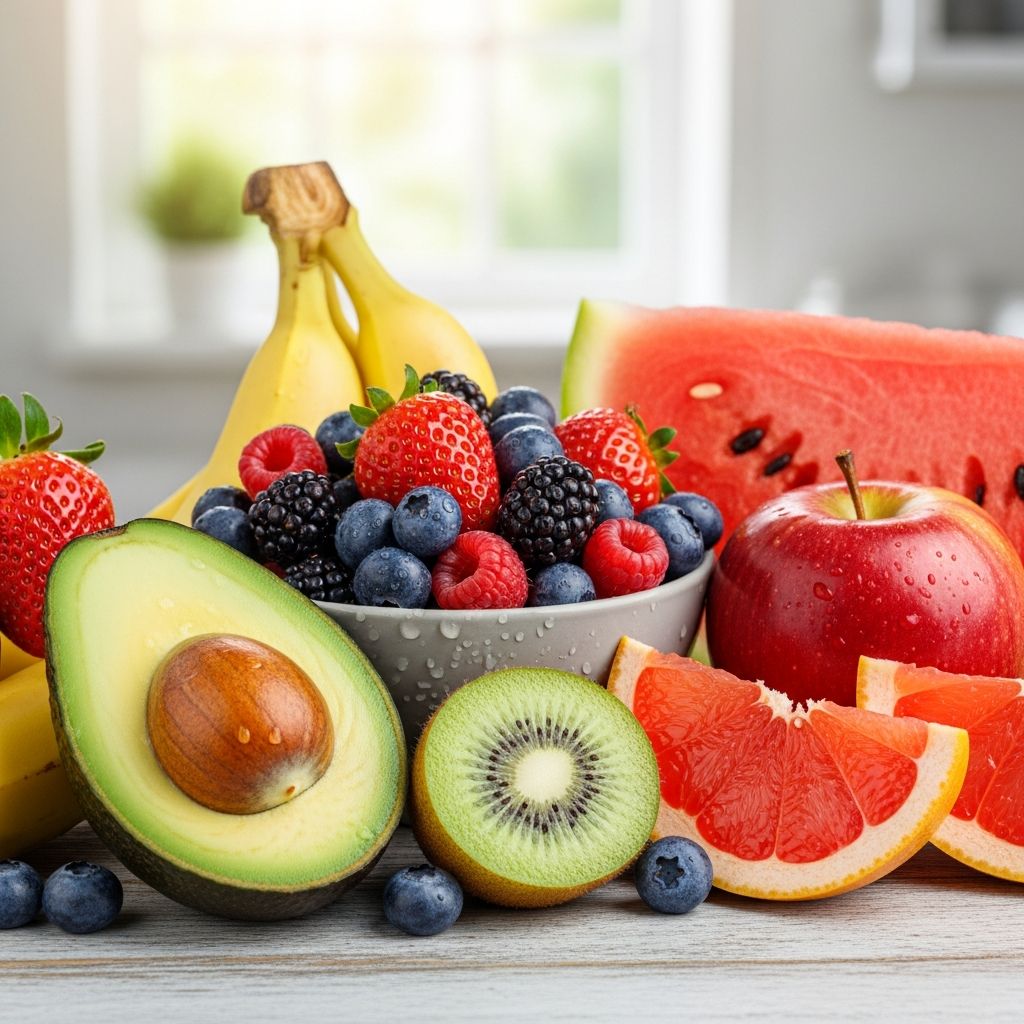
Fruits are nature’s candy, offering sweetness without the calorie overload, making them powerful allies in weight loss. Packed with
fiber
,water
, and essential nutrients, these low-calorie foods help you feel full longer, curb cravings, and support overall health. Dietitians recommend incorporating them into meals and snacks for sustainable results, rather than relying on restrictive diets.Why Fruits Help with Weight Loss
Fruits aid weight management through multiple mechanisms. Their high
fiber content
promotes satiety by slowing digestion, helping you feel full after eating and stay satisfied longer. Fiber also influences nutrient absorption, potentially reducing calorie intake, and fosters gut bacteria linked to weight control.Additionally, many fruits boast high
water content
, which fills the stomach without adding many calories. Watermelon, strawberries, and grapefruit exemplify this, creating a sense of fullness with minimal energy density. Polyphenols and antioxidants in fruits like apples and berries may exert anti-obesity effects, reducing fat mass and inflammation.Research supports these benefits: studies show apples are three times more filling than chocolate due to pectin fiber, which regulates gut bacteria and suppresses fat accumulation. Berries’ low sugar and high fiber keep you satisfied, while pairing fruits with protein enhances satiety further. The CDC emphasizes whole fruits over juices for their intact fiber, which is crucial for feeling full.
1. Apples
**Apples** top the list as a weight-loss superstar. Rich in
polyphenols
, antioxidants with anti-obesity properties, regular apple consumption is linked to weight reduction in reviews of studies. Most fiber and polyphenols reside in the peel, so eat it unpeeled.A medium apple provides about 72 calories, 4 grams of fiber, and high water content. Pectin fiber makes apples exceptionally filling—three times more than a chocolate bar—and supports gut health to potentially limit weight gain. Swap processed snacks for an apple before meals to boost nutrient intake and control hunger.
- Calories: ~72 per medium apple
- Fiber: 4g
- Best uses: Sliced in salads, baked, or eaten whole
2. Blueberries
**Blueberries** shine with
anthocyanins
, antioxidants tied to lower obesity and heart disease rates. One study found high anthocyanin intake linked to 3-9% less fat mass and reduced belly fat. Another showed blueberry eaters experienced less weight gain than those eating other fruits.A cup (148g) delivers 84 calories, 3.6g fiber, and just 21g carbs, making them ideal for low-calorie snacking. Add to smoothies, salads, yogurt, or freeze for a refreshing treat.
- Calories: 84 per cup
- Fiber: 3.6g
- Protein: 1g
3. Grapefruit
**Grapefruit** gained fame from the outdated 1920s Grapefruit Diet, but modern evidence supports its role in balanced plans. Low in calories and high in water (91%), it promotes fullness without excess energy.
Enjoy half a grapefruit as a snack; its bioactive compounds may aid metabolism. Avoid extreme diets—pair with protein for best results.
- Water content: High
- Calories: Low (~52 per half)
- Tip: Eat fresh, not juiced, to retain fiber
Related Stories



4. Guava
**Guava** boasts more fiber than most fruits and exceptional
vitamin C
levels, an antioxidant protecting cells and bolstering immunity. A cup (165g) has 112 calories and 1.5g fat, with fiber promoting satiety.Its tropical flavor makes it versatile for snacks or salads. Studies highlight guava’s role in weight maintenance.
- Fiber: Highest among common fruits
- Vitamin C: Very high
- Calories: 112 per cup
5. Passion Fruit
**Passion fruit** (or granadilla) leads in fiber content, outpacing others. It contains
piceatannol
, an antioxidant improving insulin sensitivity in those with excess weight.Half a cup (118g) is low-calorie and nutrient-dense, ideal for desserts or yogurt toppers.
- Fiber: Top-ranked
- Best for: Insulin support
6. Pears
**Pears** offer crunch, sweetness, and fiber for lasting fullness. Observational data links regular pear intake to better nutrient profiles and lower obesity rates. They provide vitamin C and potassium for muscle and heart health.
One medium pear: ~100 calories, high fiber. Eat skin-on for maximum benefits.
- Fiber: High
- Nutrients: Potassium, vitamin C
7. Raspberries
**Raspberries** edge out other berries in fiber while delivering vitamin C and antioxidants. A cup (123g) has 64 calories, 8g fiber, and 15g carbs—perfect for low-carb diets.
Snack plain, add to oatmeal, or freeze. Their perishability makes frozen options practical.
- Calories: 64 per cup
- Fiber: 8g
- Protein: 1.5g
8. Strawberries
**Strawberries**, 91% water, are ultra-low calorie at 53 per cup (166g), with 3g fiber. Bioactives may lower insulin resistance in those with obesity.
Dip in yogurt, blend in smoothies, or toss in salads with balsamic.
- Calories: 53 per cup
- Water: 91%
- Fiber: 3g
Other Notable Fruits
Watermelon excels in hydration with vast water content and low calories, aiding fullness. Oranges and other citrus provide fiber and vitamin C. Even avocados, technically a fruit, offer healthy fats and fiber for satiety when portioned mindfully.
How to Incorporate Fruits into Your Diet
Aim for 2 portions daily, prioritizing whole fruits over juices. Pair with protein (Greek yogurt, nuts) for enhanced fullness. Add to salads (berries, apples), smoothies, oatmeal, or eat as snacks. Canned/frozen without added sugar works too.
| Fruit | Calories (per cup) | Fiber (g) | Key Benefit |
|---|---|---|---|
| Blueberries | 84 | 3.6 | Anthocyanins reduce fat |
| Raspberries | 64 | 8 | Highest berry fiber |
| Strawberries | 53 | 3 | High water, low cal |
| Guava | 112 | High | Vitamin C boost |
Frequently Asked Questions (FAQs)
Are there fruits to avoid for weight loss?
No fruit must be avoided entirely; all fit in moderation. Focus on portion control and pair with veggies. Limit high-sugar dried fruits or juices lacking fiber.
How much fruit should I eat daily?
About 2 portions (e.g., one apple + a handful of berries). Whole fruits beat juices for fiber and fullness.
Can fruit replace meals for weight loss?
No—fruits complement balanced meals. Extreme diets like the Grapefruit Diet are unsustainable and unhealthy.
Are frozen fruits as good?
Yes, frozen fruits retain nutrients and fiber without added sugars. Ideal for smoothies and perishables like berries.
Do avocados help weight loss?
Yes, their fiber, water, and healthy fats promote satiety, but watch portions due to calorie density.
In summary, these fruits leverage fiber, water, and nutrients for effective weight support. Consistency in a balanced diet yields the best outcomes.
References
- 9 Best Fruits for Weight Loss That Are Dietician-Approved — GoodRx. 2023. https://www.goodrx.com/well-being/diet-nutrition/best-fruits-for-weight-loss
- What are the best fruits for weight loss? — Fit&Well. 2023. https://www.fitandwell.com/features/what-are-the-best-fruits-for-weight-loss
- 7 Fruits That Can Help You Lose (or Maintain Your) Weight — Keck Medicine of USC. 2023. https://www.keckmedicine.org/blog/7-fruits-that-can-help-you-lose-or-maintain-your-weight/
- Eat these healthy foods to support your weight loss journey — Knownwell. 2024. https://www.knownwell.co/blog-posts/eat-these-healthy-foods-to-support-your-weight-loss-journey
- Healthy Habits: Fruits and Vegetables to Manage Weight — Centers for Disease Control and Prevention (CDC). 2023. https://www.cdc.gov/healthy-weight-growth/healthy-eating/fruits-vegetables.html
Similar Articles








Read full bio of medha deb