Can People With Diabetes Eat Fruit? 7 Best Choices
Discover which fruits are safe and beneficial for managing diabetes effectively.
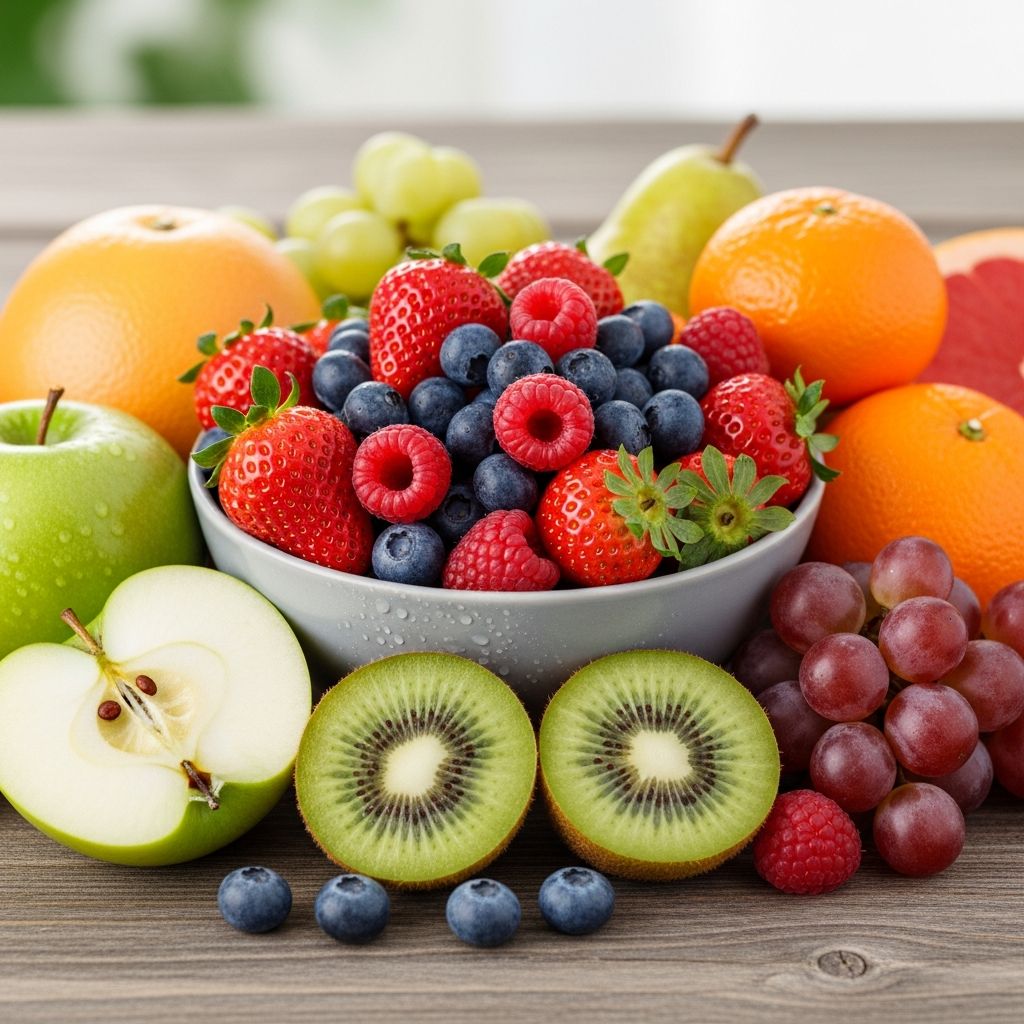
Can People With Diabetes Eat Fruit?
A common misconception about diabetes management is that people with diabetes should avoid fruit entirely due to its natural sugar content. However, this belief is incorrect and contradicts current medical guidance. People with diabetes can and should eat fruit as part of a balanced, healthy diet. In fact, research demonstrates that consuming whole fruits may actually help protect against type 2 diabetes development. The key is understanding which fruits are best suited for blood sugar management and how to incorporate them appropriately into your daily meals.
Fruits are nutritional powerhouses containing essential vitamins, minerals, fiber, and antioxidants that support overall health and disease prevention. Unlike processed sweets and high-sugar baked goods, whole fruits contain fiber that slows sugar absorption into the bloodstream, helping to prevent rapid blood sugar spikes. This natural fiber content, combined with other beneficial compounds, makes fruit a superior carbohydrate choice compared to refined carbohydrates.
Why Whole Fruits Are Better Than Fruit Juice
One critical distinction in fruit consumption for people with diabetes is the difference between whole fruits and fruit juice. Whole fruits are significantly better for blood sugar management than fruit juice. Fruit juice contains concentrated sugars without the fiber present in whole fruits, causing rapid blood sugar spikes. Research links drinking large quantities of fruit juice to an increased risk of developing type 2 diabetes.
An 8-ounce glass of apple juice contains approximately 29 grams of carbohydrates with minimal fiber, whereas a whole apple provides similar carbohydrates with beneficial fiber that slows digestion. When choosing canned fruits, select options packed in natural juice rather than heavy syrup, and look for applesauce without added sugar.
Understanding the Glycemic Index
The glycemic index (GI) is a useful tool for understanding how different foods affect blood sugar levels. Fruits with a low glycemic index are ideal choices for people with diabetes, as they cause slower, more gradual increases in blood glucose. Understanding GI values helps you make informed decisions about fruit selection and portion sizes.
Low glycemic index fruits include blackberries (GI: 4), cherries (GI: 20), and grapefruit (GI: 25). These fruits have minimal impact on blood sugar levels and can be consumed more freely while still maintaining portion control. In contrast, high glycemic index fruits such as pineapple (GI: 66), watermelon (GI: 76), and dried fruits like dates (GI: 62) and raisins (GI: 66) cause more rapid blood sugar increases. For reference, ice cream has a GI of 88, demonstrating that even some high-GI fruits are still preferable to many processed foods.
Best Fruits for Diabetes Management
Certain fruits are particularly beneficial for people with diabetes due to their lower sugar content and high fiber levels. These fruits should form the foundation of your fruit consumption:
- Berries – Blackberries, blueberries, strawberries, and raspberries are among the healthiest choices, offering low sugar content and high fiber
- Grapefruit – A low glycemic index option with excellent nutritional profile
- Apricots – Moderate sugar content with beneficial fiber and nutrients
- Plums – Lower in sugar compared to many other fruits
- Peaches – Contain natural sugars but with substantial fiber content
- Apples – A classic choice with good fiber content and moderate sugar
- Kiwis – Low in sugar and rich in vitamin C and fiber
Related Stories



Research shows that consuming whole fruits, especially lower-glycemic options like berries, provides significant health benefits for people with diabetes, including reduced heart disease risk, improved metabolic and gut health, and decreased fasting blood glucose levels.
Fruits to Limit or Eat With Caution
While no fruit is inherently “bad” for people with diabetes, some fruits have higher sugar content and greater effects on blood glucose levels. These fruits are not forbidden but should be consumed in moderation and with strategic planning:
- Ripe bananas – Higher sugar content than unripe varieties
- Pineapples – High glycemic index at 66
- Mangoes – Elevated sugar content
- Watermelon – High glycemic index at 76
- Oranges – Moderate to high sugar content
- Grapes – Concentrated sugars in small servings
- Dried fruits – Concentrated sugar without water content
- Fruit juices – Processed sugars without fiber
It is important to note that these fruits remain safe for people with diabetes to consume when portion sizes are controlled and they are paired with appropriate foods. The restriction is about quantity and preparation, not about complete avoidance.
Portion Sizes and Serving Guidelines
Understanding appropriate fruit portion sizes is essential for effective diabetes management. The American Diabetes Association provides clear guidance on portion sizes to help you enjoy fruit while maintaining blood sugar control:
| Fruit Size Category | Portion Size | Examples |
|---|---|---|
| Small fresh fruits | 2 or more fruits | 2 plums, 2 satsumas, 2 kiwi fruit, 3 apricots, 6 lychees, 7 strawberries, 14 cherries |
| Medium fresh fruits | 1 fruit | 1 apple, 1 banana, 1 pear, 1 orange, 1 nectarine |
| Large fresh fruits | Fewer than 1 fruit | ½ grapefruit, one 5-cm slice of papaya, two 5-cm slices of mango |
| Dried fruit | 30g | 1 heaped tablespoon of raisins/currants/sultanas, 2 dried figs, 1 handful of banana chips |
| Canned fruit in natural juice | As with fresh fruit | 2 pear or peach halves, 8 segments of grapefruit |
These portion guidelines help ensure that you receive the nutritional benefits of fruit while maintaining stable blood sugar levels.
Strategic Pairing for Optimal Blood Sugar Management
One of the most effective strategies for including higher-glycemic fruits in your diet is to pair them with protein or fat sources. This combination helps slow sugar absorption and prevents rapid blood glucose spikes. When eating fruit, consider these pairing strategies:
- Pair berries with Greek yogurt to add protein and healthy bacteria for gut health
- Combine apple slices with almond butter or other nut butters for protein and healthy fats
- Eat bananas, mangoes, or watermelon with nuts or seeds to moderate blood sugar impact
- Include a protein source such as cheese or nuts when consuming dried fruits
This strategic pairing approach allows you to enjoy a wider variety of fruits while maintaining blood sugar stability. The protein and fat slow the digestion and absorption of fruit sugars, resulting in a more gradual and manageable blood glucose response.
Avoiding Processed Fruit Products
Not all fruit products are created equal. Processed fruits such as applesauce and canned fruits often contain less fiber and may include added sugars, causing more rapid blood sugar increases. When selecting fruit products, follow these guidelines:
- Choose canned fruits packed in juice rather than heavy syrup
- Select natural applesauce without added sugar
- Watch portion sizes of dried fruits, as they are concentrated sources of sugar
- Compare labels of dried fruits and choose varieties without added sugar
- Avoid fruit juices entirely, or consume only in very small quantities
Two tablespoons of raisins contain as many carbohydrates as a small apple, demonstrating how concentrated dried fruits can be. Reading food labels carefully is essential for making informed choices about processed fruit products.
The Role of Fiber in Fruit Consumption
Fiber is the key component that makes whole fruits suitable for people with diabetes. The fiber in whole fruits slows the absorption of sugar into the bloodstream, preventing rapid spikes in blood glucose levels. This natural fiber also supports overall digestive health and can help maintain healthy cholesterol levels.
When comparing fruits, those with higher fiber content are generally better choices for diabetes management. Berries, in particular, are exceptional sources of fiber relative to their sugar content. This is why fiber-rich fruits should comprise the majority of your fruit consumption, while higher-sugar fruits can be enjoyed occasionally with proper portion control and strategic pairing.
Additional Health Benefits of Eating Fruit With Diabetes
Beyond blood sugar management, consuming fruit provides numerous health benefits for people with diabetes. Diabetes UK notes that eating fruits and vegetables may reduce the risk of developing heart disease and cancer. Research has also shown that whole fruit consumption can help lower the risk of developing diabetes in the first place.
Fruits provide essential vitamins, minerals, and antioxidants that support optimal health and disease prevention. The variety of compounds found in different colored fruits—from red strawberries to deep purple blackberries—each offer unique nutritional benefits. Eating a rainbow of fruits ensures you receive the full spectrum of these beneficial compounds.
Frequently Asked Questions
Q: Should people with diabetes avoid all fruit?
A: No, people with diabetes should include fruit in their diet. Whole fruits contain fiber and beneficial nutrients that support health and blood sugar management when consumed in appropriate portions.
Q: Can I eat bananas if I have diabetes?
A: Yes, but choose less ripe bananas over overly ripe ones, and pair them with protein or fat sources like nuts or nut butter to moderate blood sugar impact.
Q: Are frozen or canned fruits good options?
A: Frozen fruits without added sugar are excellent options. For canned fruits, choose those packed in natural juice rather than syrup to avoid added sugars.
Q: How much fruit should I eat daily?
A: Many people with diabetes could benefit from eating up to two servings of fruit daily, following portion size guidelines and choosing lower-glycemic options when possible.
Q: Why is fruit juice problematic for diabetes?
A: Fruit juice contains concentrated sugars without the fiber found in whole fruits, causing rapid blood sugar spikes and has been linked to increased type 2 diabetes risk.
Q: Can I eat dried fruits with diabetes?
A: Yes, but in moderation. Two tablespoons of raisins contain as many carbohydrates as a small apple. Choose varieties without added sugar and pair with protein sources.
References
- Worst fruits for diabetes: Fruit types to avoid or include — Medical News Today. 2024. https://www.medicalnewstoday.com/articles/worst-fruits-for-diabetics
- Can People With Diabetes Eat Fruit? Experts Explain — HealthCentral. 2024. https://www.healthcentral.com/condition/diabetes/fruit-and-diabetes
- Eating Fruit with Diabetes — diaTribe.org. 2024. https://diatribe.org/diet-and-nutrition/eating-fruit-diabetes
- Best Fruits for Diabetes (and What To Avoid) — Cleveland Clinic. 2024. https://health.clevelandclinic.org/can-diabetics-eat-fruit
- Best Fruits for Diabetes: Glycemic Index, List of Healthy Fruits — WebMD. 2024. https://www.webmd.com/diabetes/fruit-diabetes
Similar Articles








Read full bio of medha deb