Best Fruits For Constipation Relief: 5 Dietitian-Backed Picks
Discover the top fiber-rich fruits recommended by dietitians for natural constipation relief.
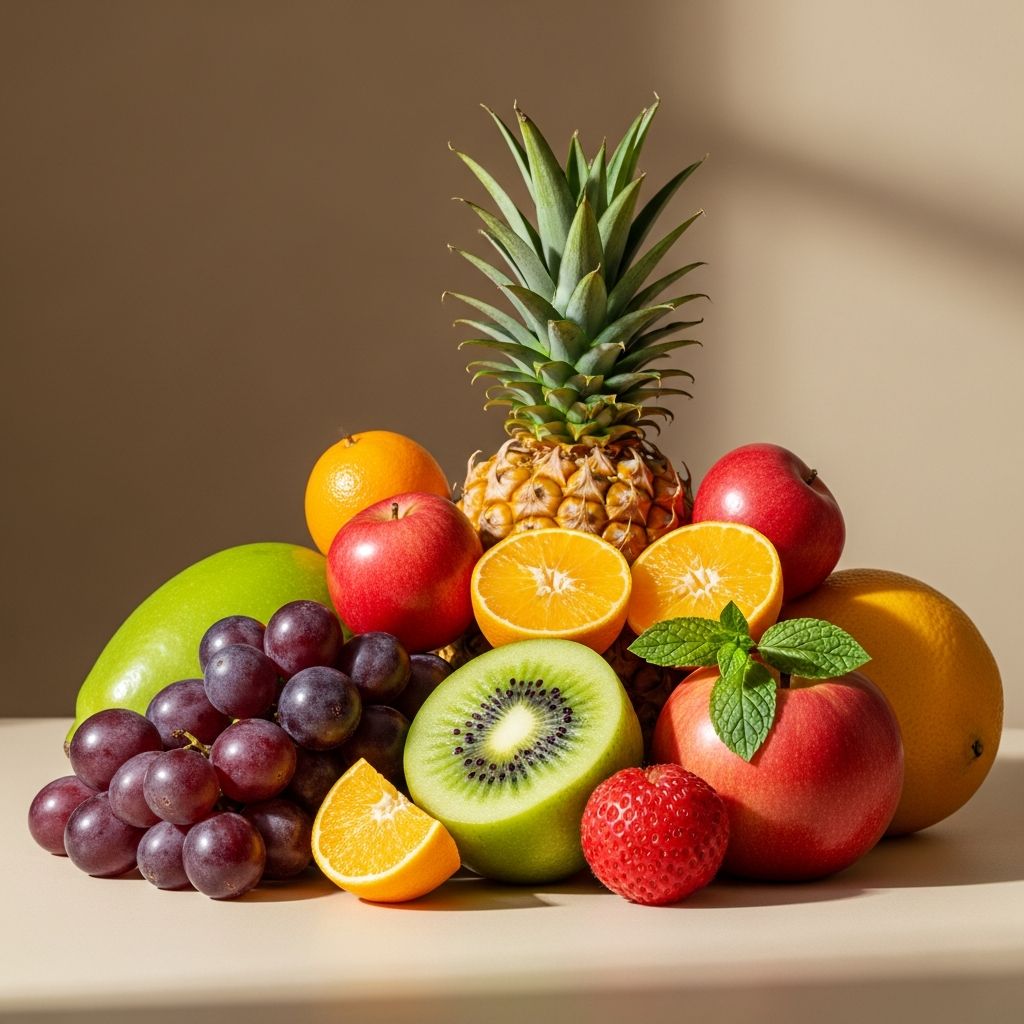
Constipation is a common digestive issue that affects millions of people worldwide, causing discomfort, bloating, and frustration. While there are many over-the-counter remedies available, nature offers a simple and delicious solution: certain fruits can effectively alleviate constipation naturally. This comprehensive guide, informed by dietitian expertise, explores the best fruits for constipation relief, explains how they work, and provides practical ways to incorporate them into your daily diet for optimal digestive health.
Understanding Constipation and How Fruits Help
Constipation occurs when bowel movements become infrequent or difficult, often resulting from insufficient fiber intake, dehydration, or lack of physical activity. Fruits are particularly effective remedies because they contain multiple components that promote digestive health: dietary fiber, water content, natural sugars, and bioactive compounds. The high fiber content helps bulk up stools and promotes regularity, while the natural sugars and water content soften stools, making passage through the digestive tract easier and more comfortable.
The Top Five Fruits for Constipation Relief
1. Kiwi: The Enzyme-Rich Powerhouse
Kiwi stands out as one of the most effective fruits for treating constipation due to its unique combination of fiber and digestive enzymes. This small but mighty fruit is rich in soluble fiber and contains an enzyme called actinidin, which actively aids digestion and promotes regular bowel movements. Additionally, kiwi provides substantial amounts of vitamin C, which supports overall gut health and immune function.
Research demonstrates impressive results: studies show that eating just two kiwis daily can improve stool consistency, reduce straining during bowel movements, and increase defecation frequency. Green kiwifruit, in particular, has been studied extensively in clinical settings and consistently shows positive outcomes in increasing stool volume, softness of bowel motion, and ease of defecation in adults. The fruit contains approximately 2-3 grams of dietary fiber per 100 grams, making it an excellent choice for those seeking natural constipation relief.
2. Pears: The Fiber-Rich Fruit
Pears are exceptional sources of both soluble and insoluble fiber, making them highly effective in softening stool and promoting bowel regularity. One cup of pear provides approximately 4 grams of fiber, contributing significantly to daily fiber intake recommendations. The combination of these two fiber types works synergistically: soluble fiber becomes a gel-like substance that softens stool, while insoluble fiber adds bulk and stimulates bowel movements.
Incorporating pears into your diet can help prevent constipation and alleviate symptoms of existing constipation. However, it’s important to note that while pears are a healthy choice for most people, certain individuals should exercise caution. Those with allergies or sensitivities to related fruits, individuals with Irritable Bowel Syndrome (IBS), or those following a low FODMAP diet may need to avoid pears. Their high sorbitol and fructose content can trigger diarrhea, particularly in sensitive individuals and children.
3. Prunes: The Traditional Remedy
Prunes, or dried plums, have long been recognized as a natural remedy for constipation and continue to be highly recommended by healthcare professionals. These small dried fruits pack a powerful punch, containing high levels of insoluble fiber (6.1 grams per 100 grams), sorbitol (14.7 grams per 100 grams), and natural sugars that collectively contribute to their well-documented laxative effects. Beyond these components, prunes contain large amounts of phenolic compounds, including neochlorogenic and chlorogenic acids, which may further enhance their laxative properties.
Related Stories



Just four prunes provide approximately 3 grams of fiber, making them a convenient snack option. Prunes can be enjoyed fresh, added to oatmeal, blended into smoothies, or consumed as prune juice. However, it’s worth noting that prune juice contains less sorbitol and fiber than whole prunes, so whole prunes are typically the more effective choice for constipation relief.
4. Apples: The Everyday Solution
Apples are versatile fruits that contain a beneficial mix of soluble and insoluble fiber, along with natural sugars and water content, making them effective in both preventing and treating constipation. A medium apple with skin provides approximately 4 grams of fiber. The key to maximizing an apple’s benefits is eating the skin, as this is where much of the fiber resides. The fiber in apples adds bulk to stool, while the natural sugars and water content help soften stool and facilitate its passage through the digestive tract.
Apples also contain sorbitol, a naturally occurring sugar alcohol that has mild laxative properties, further supporting their effectiveness for constipation relief. Apple juice is often recommended for constipation, particularly in young children whose intestinal function has not yet fully matured.
5. Bananas: The Ripeness Factor
Bananas deserve special attention because their effect on constipation depends significantly on their ripeness. Ripe bananas are rich in potassium, which helps maintain proper fluid balance in the body and prevents dehydration—a common contributor to constipation. A medium banana contains approximately 3 grams of fiber, contributing to daily fiber needs.
However, the impact of bananas on constipation may differ based on individual dietary habits and underlying health conditions such as IBS. Unripe bananas contain high amounts of tannins and starch, which can cause or exacerbate constipation. Consequently, if you’re experiencing constipation, it’s best to avoid unripe bananas and instead choose fully ripe bananas with yellow skin, which are more likely to provide relief.
Additional High-Fiber Fruits to Consider
Beyond the top five fruits, several other options offer substantial constipation-fighting benefits:
- Passion fruit: Delivers an impressive 24 grams of fiber per cup, making it one of the highest-fiber fruits available.
- Avocado: Provides 9 grams of fiber per fruit and adds healthy fats that support digestive health.
- Berries: Raspberries and blackberries offer 8 grams of fiber per cup, while strawberries and blueberries provide 3-4 grams per cup.
- Cherries: A nutrient-dense option that supports digestive regularity.
- Guava: A tropical fruit rich in fiber that aids digestive function.
Fiber Content Comparison Table
| Fruit | Serving Size | Fiber (grams) |
|---|---|---|
| Passion fruit | 1 cup | 24 |
| Avocado | 1 fruit | 9 |
| Raspberries/Blackberries | 1 cup | 8 |
| Kiwi | 1 cup | 5 |
| Pear | 1 cup | 4 |
| Blueberries | 1 cup | 4 |
| Strawberries | 1 cup, sliced | 3 |
| Banana | 1 medium | 3 |
| Prunes | 4 prunes | 3 |
How to Incorporate These Fruits Into Your Diet
Incorporating constipation-fighting fruits into your daily routine doesn’t require elaborate meal planning. Here are practical strategies:
- Fresh snacks: Keep kiwis, pears, and apples readily available for quick snacking throughout the day.
- Smoothie bowls: Blend berries, kiwi, and avocado with yogurt for a delicious and fiber-rich breakfast.
- Breakfast additions: Top oatmeal or cereal with sliced apples, berries, or prunes for added fiber.
- Fruit juices: Apple, pear, and prune juices can provide quick relief and are especially helpful for young children.
- Desserts: Incorporate dried fruits like prunes into baked goods or enjoy them as sweet treats.
- Salads: Add sliced apples, pears, or berries to salads for texture and nutritional benefits.
Important Considerations and Individual Differences
While fruits are generally safe and beneficial for most people, individual responses may vary. Certain populations require special consideration. Those with IBS or following a low FODMAP diet should be cautious with high-FODMAP fruits like pears and apples. Individuals with tannin sensitivity should avoid persimmons, which contain compounds that can inhibit peristalsis and cause constipation rather than relieve it. Additionally, those with specific fruit allergies should exercise caution and consult healthcare providers before significantly increasing fruit consumption.
The effectiveness of fruits for constipation relief also depends on adequate hydration. Dietary fiber works best when combined with sufficient fluid intake, so ensure you’re drinking adequate water throughout the day alongside increased fruit consumption.
Creating a Sustainable Constipation-Relief Plan
For optimal results, incorporate these fruits as part of a comprehensive approach to digestive health. Combine increased fruit intake with adequate water consumption, regular physical activity, and consistent meal timing. Start by adding one or two high-fiber fruits to your daily routine and gradually increase intake to allow your digestive system to adjust. This gradual approach reduces the risk of bloating or gas that can sometimes accompany sudden increases in fiber intake.
Frequently Asked Questions
Q: How long does it take for fruits to relieve constipation?
A: The timeframe varies by individual and fruit type. Some people experience relief within a few hours, while others may require several days of consistent fruit consumption. Prunes and kiwis often work relatively quickly, sometimes within 24 hours.
Q: Can I eat too much fruit?
A: While fruits are healthy, excessive consumption can cause digestive discomfort. Aim for 2-4 servings of fruit daily as part of a balanced diet, and ensure adequate water intake to support fiber digestion.
Q: Are dried fruits as effective as fresh fruits?
A: Dried fruits like prunes are highly effective and often more concentrated in fiber and sorbitol than their fresh counterparts. However, some nutrients may be lost during the drying process.
Q: Should I eat fruit with or without the skin?
A: When possible, eat fruit with the skin on, as this is where most of the fiber resides. Wash fruits thoroughly before eating to remove any pesticides or contaminants.
Q: Can fruits alone solve chronic constipation?
A: While fruits are beneficial, chronic constipation may require a multifaceted approach including increased water intake, regular exercise, and possibly medical consultation if symptoms persist.
Q: Are there fruits I should avoid for constipation?
A: Unripe bananas and persimmons can worsen constipation in some individuals. Those with IBS may need to limit high-FODMAP fruits. Consult a healthcare provider about your specific situation.
References
- Best Fruits for Constipation — Core Nutrition Health & Wellness. 2024. https://www.corenutritionhw.com/best-fruits-for-constipation/
- Foods and Drinks That Can Help With Constipation — HealthPartners. 2024. https://www.healthpartners.com/blog/foods-for-constipation/
- Diets for Constipation — National Institutes of Health, National Center for Biotechnology Information. 2013. https://pmc.ncbi.nlm.nih.gov/articles/PMC4291444/
- Nutrition Tips for Relieving Constipation — Academy of Nutrition and Dietetics (Eat Right). 2024. https://www.eatright.org/health/health-conditions/digestive-and-gastrointestinal/nutrition-tips-for-relieving-constipation
- 9 Foods That Make You Poop: Help Constipation — GoodRx. 2024. https://www.goodrx.com/well-being/gut-health/foods-that-make-you-poop-help-constipation
Similar Articles








Read full bio of Sneha Tete