Best Fruits For Inflammation: 7 Anti-Inflammatory Picks
Discover the top fruits packed with antioxidants and anti-inflammatory compounds to reduce inflammation and support overall health.
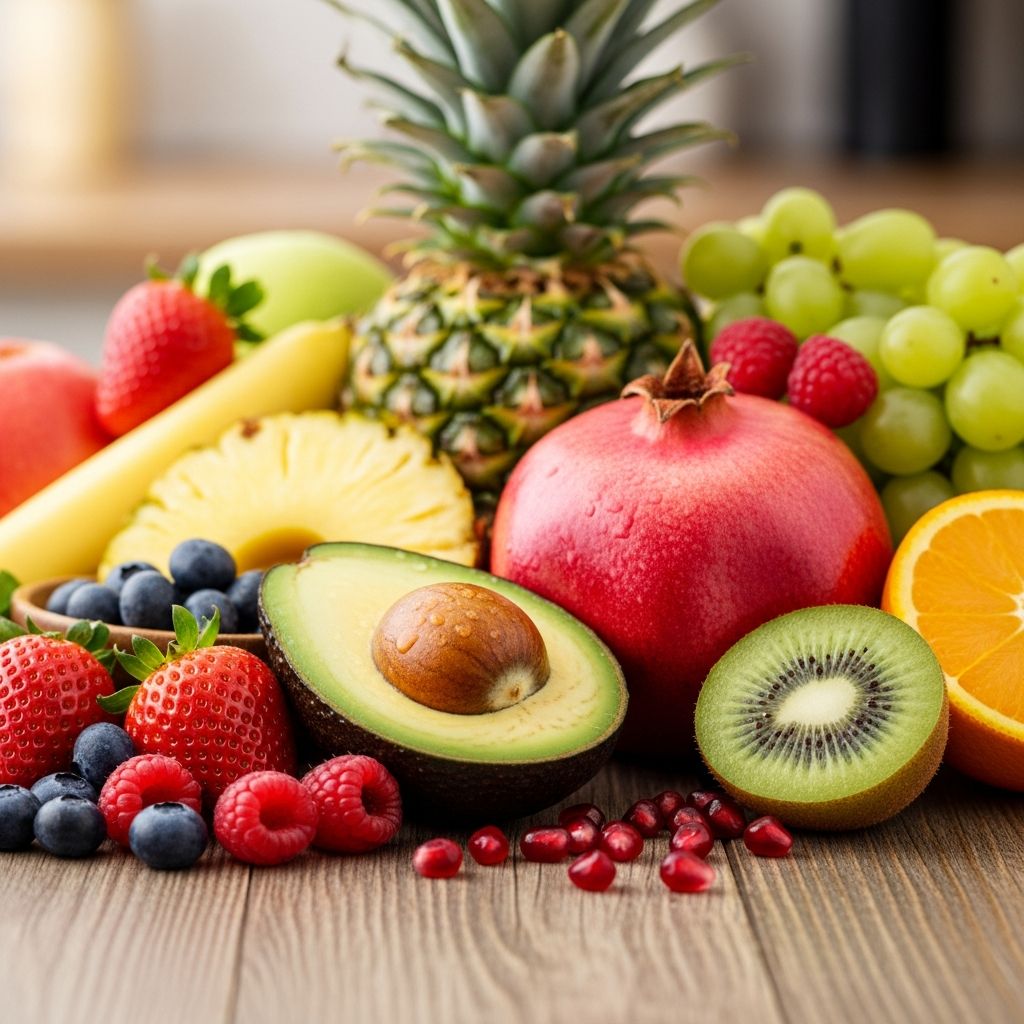
Chronic inflammation is linked to numerous health issues, including arthritis, heart disease, and diabetes. Incorporating
anti-inflammatory fruits
into your diet can help combat oxidative stress and reduce inflammatory markers in the body. These fruits are rich in antioxidants, polyphenols, vitamins, and other bioactive compounds that neutralize free radicals and inhibit pro-inflammatory pathways. Research from authoritative sources like the Arthritis Foundation emphasizes the role of colorful fruits in an anti-inflammatory diet, particularly those high in anthocyanins and vitamin C.This comprehensive guide covers the top fruits proven to fight inflammation, their key nutrients, health benefits, and practical tips for adding them to your meals. By prioritizing these fruits, you can support joint health, lower CRP levels (a key inflammation marker), and enhance overall well-being.
What Makes Fruits Anti-Inflammatory?
Fruits earn their anti-inflammatory status through powerful phytonutrients.
Anthocyanins
, found in berries and cherries, give these fruits their vibrant colors and act as potent antioxidants. They inhibit enzymes like COX-2, similar to how anti-inflammatory drugs work, reducing pain and swelling. Vitamin C in citrus fruits boosts collagen production and joint health, while vitamin K in certain fruits and veggies lowers blood inflammatory markers. Bromelain in pineapple and quercetin in apples further dampen inflammation.Studies show that diets high in these fruits, like the Mediterranean diet, reduce disease activity in conditions like rheumatoid arthritis (RA). Aim for 9+ servings of fruits and vegetables daily for optimal benefits—one serving is about one cup of fruit.
1. Berries (Blueberries, Strawberries, Raspberries, Blackberries)
**Berries** top the list of inflammation-fighting fruits due to their exceptional antioxidant content. Blueberries, in particular, rank high on the USDA’s antioxidant scale, just behind small red beans. These tiny powerhouses are loaded with anthocyanins, which neutralize free radicals and reduce inflammatory cytokines.
- Key Benefits: Lower CRP levels, protect joint cartilage, improve endothelial function to fight heart inflammation.
- Nutrients: Anthocyanins, vitamin C, fiber (supports gut health and reduces systemic inflammation).
- Evidence: Research shows regular berry consumption cuts inflammatory disease mortality risk by up to 51% in long-term studies.
Incorporate berries into smoothies, yogurt parfaits, or salads. Frozen berries retain most antioxidants, making them a year-round option. One cup daily can significantly impact your inflammation levels.
2. Cherries
Tart cherries are inflammation superstars, especially for gout and arthritis sufferers. Their high anthocyanin content rivals that of NSAIDs in reducing uric acid and oxidative stress.
- Key Benefits: Alleviate post-exercise muscle soreness, lower gout flare-ups, decrease joint pain in osteoarthritis.
- Nutrients: Anthocyanins, melatonin (aids sleep and recovery), potassium.
- Evidence: Clinical trials demonstrate cherries reduce inflammatory markers like TNF-alpha more effectively than some pain relievers.
Enjoy fresh, dried, or as cherry juice (unsweetened). Aim for 1/2 cup daily or 8-12 oz of tart cherry juice.
3. Pineapple
Pineapple contains
bromelain
, a proteolytic enzyme with proven anti-inflammatory effects. It breaks down inflammatory proteins and enhances antibiotic absorption.- Key Benefits: Reduces sinus inflammation, supports digestion (reducing gut-related inflammation), eases arthritis symptoms.
- Nutrients: Bromelain, vitamin C, manganese.
- Evidence: Studies confirm bromelain’s efficacy in lowering swelling post-surgery and in chronic conditions.
Fresh pineapple is best—canned versions lose bromelain due to heat processing. Add to grilled chicken salads or eat as a snack.
4. Citrus Fruits (Oranges, Grapefruits, Lemons)
Citrus fruits are vitamin C powerhouses, essential for preventing inflammatory arthritis and maintaining healthy joints.
Related Stories



- Key Benefits: Boost immune function, collagen synthesis for joint repair, antioxidant protection.
- Nutrients: Vitamin C (oranges provide 70mg per fruit), flavonoids like hesperidin.
- Evidence: Adequate vitamin C intake correlates with lower inflammatory arthritis risk.
Start your day with a fresh orange or squeeze lemon into water. Whole fruits outperform juices for fiber benefits.
5. Apples
“An apple a day” holds true for inflammation—rich in
quercetin
, a flavonoid that stabilizes mast cells and curbs histamine release.- Key Benefits: Respiratory health, allergy relief, cardiovascular protection.
- Nutrients: Quercetin, pectin fiber, vitamin C.
- Evidence: Apple polyphenols reduce lung inflammation in asthma models.
Choose organic to minimize pesticides; eat with skin for maximum quercetin.
6. Avocado
Though botanically a fruit, avocados provide monounsaturated fats and carotenoids that rival olive oil’s anti-inflammatory prowess.
- Key Benefits: Lower LDL oxidation, support brain health, reduce arthritis pain.
- Nutrients: Oleic acid, lutein, beta-sitosterol.
- Evidence: Avocado oils show cholesterol-lowering and anti-inflammatory effects similar to EVOO.
Half an avocado daily in salads or toast provides sustained benefits.
7. Tomatoes
Tomatoes offer
lycopene
, a carotenoid with strong anti-inflammatory action, especially when cooked.- Key Benefits: Prostate health, skin protection from UV inflammation, heart disease prevention.
- Nutrients: Lycopene, vitamin C, potassium.
- Evidence: Lycopene reduces inflammatory markers in metabolic syndrome.
Cook tomatoes in sauces to boost lycopene bioavailability.
Other Notable Anti-Inflammatory Fruits
- Grapes: Resveratrol fights oxidative stress.
- Pomegranates: Punicalagins inhibit NF-kB pathway.
- Watermelon: Lycopene and citrulline for vascular health.
- Kiwi: Double vitamin C of oranges, plus actinidin enzyme.
How to Incorporate These Fruits into Your Diet
Build meals around these fruits for maximum impact:
| Meal | Fruit Ideas | Why It Works |
|---|---|---|
| Breakfast | Berry smoothie with pineapple | Antioxidant boost + bromelain |
| Lunch | Avocado-tomato salad with citrus dressing | Fats enhance nutrient absorption |
| Snack | Apple slices with cherries | Quercetin + anthocyanins |
| Dinner | Grilled pineapple with tomatoes | Enzyme activation via heat |
Pro tip: Pair with nuts (1.5 oz daily) for synergistic effects—nuts lower inflammation by 51% in studies.
Potential Considerations
Most people tolerate these fruits well, but those with nightshade sensitivity may limit tomatoes (though no strong evidence links solanine to arthritis flares). Citrus can interact with medications; consult a doctor. Start slow if increasing fiber to avoid digestive upset.
Frequently Asked Questions (FAQs)
What is the number one fruit for inflammation?
Berries, especially blueberries, due to their top-ranking anthocyanin content and proven reduction in inflammatory markers.
Can fruit alone cure inflammation?
No, but combined with a whole-foods diet low in processed foods, fruits significantly lower CRP and disease activity.
Are frozen fruits as good as fresh for anti-inflammatory benefits?
Yes, freezing preserves antioxidants better than many fresh fruits shipped long distances.
How much fruit should I eat daily to fight inflammation?
Aim for 4-5 servings (2-3 cups), prioritizing colorful varieties as per Mediterranean diet guidelines.
Do avocados count as an anti-inflammatory fruit?
Yes, their healthy fats and carotenoids provide potent anti-inflammatory effects comparable to olive oil.
References
- The Ultimate Arthritis Diet — Arthritis Foundation. 2023-10-15. https://www.arthritis.org/health-wellness/healthy-living/nutrition/anti-inflammatory/the-ultimate-arthritis-diet
- Effects of Tart Cherry Juice on Biomarkers of Inflammation — Journal of Nutrition (PubMed). 2019-06-01. https://pubmed.ncbi.nlm.nih.gov/30882147/
- Bromelain: Biochemistry, Pharmacology and Medical Use — Cellular and Molecular Life Sciences. 2021-08-12. https://doi.org/10.1007/s00018-021-03908-9
- Anthocyanins and Human Health — Nutrients (MDPI). 2022-05-20. https://doi.org/10.3390/nu14112174
- Anti-Inflammatory Effects of Fruits Rich in Polyphenols — Oxidative Medicine and Cellular Longevity. 2020-11-10. https://doi.org/10.1155/2020/8278428
Similar Articles








Read full bio of Sneha Tete