Best Fruits for Lower Blood Pressure, Per Cardiologist
Discover the top fruits recommended by cardiologists to naturally lower blood pressure and support heart health through daily diet.
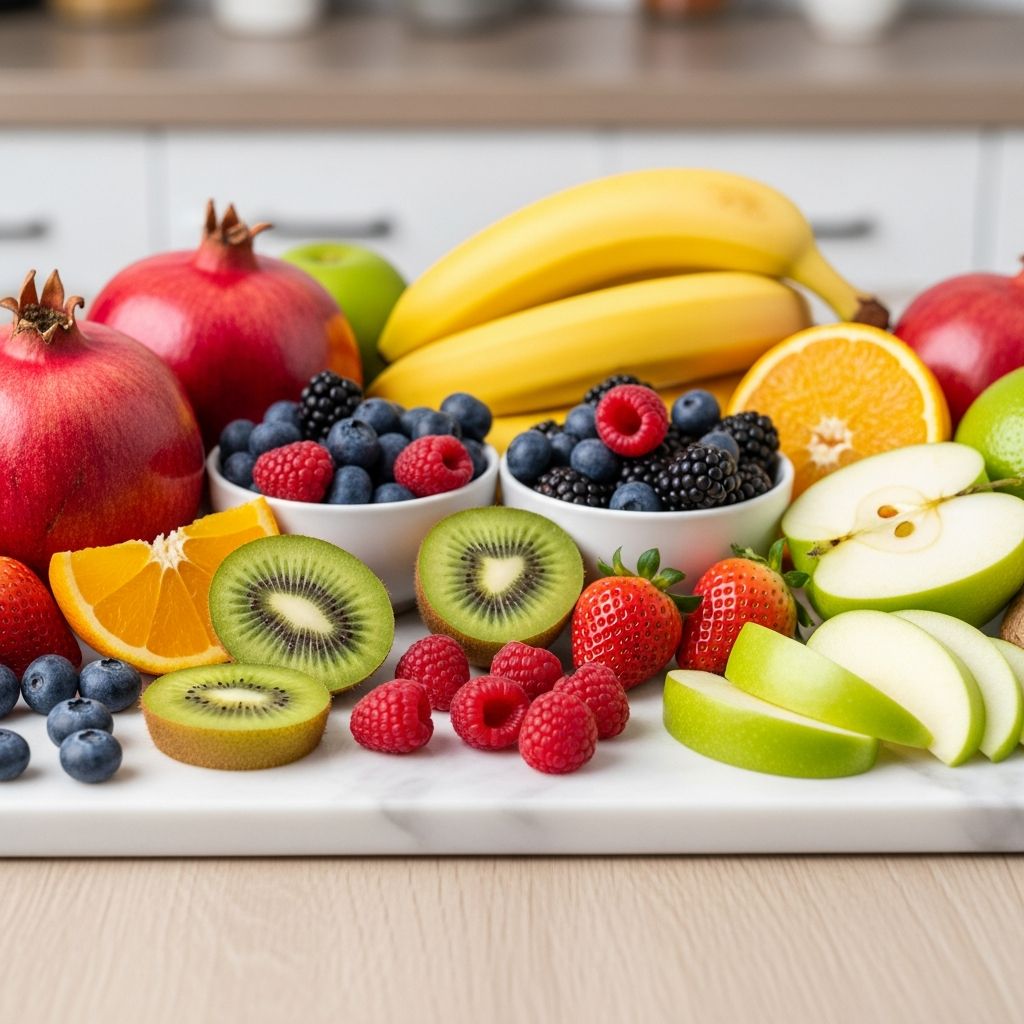
High blood pressure, or hypertension, affects millions worldwide and is a major risk factor for heart disease and stroke. Fortunately, incorporating certain fruits into your diet can help manage blood pressure naturally. Cardiologists often recommend fruits rich in
potassium
,antioxidants
, andfiber
, which counteract sodium’s effects, relax blood vessels, and reduce inflammation. A meta-analysis of prospective studies confirms that high intake of fruits—up to 550g/day— is associated with reduced hypertension risk, likely due to these nutrients.This article outlines the top fruits endorsed by experts, drawing from clinical research and dietary guidelines like the DASH diet, which emphasizes fruits for blood pressure control. We’ll explore why they work, how much to eat, and practical tips for incorporation.
What Makes Fruits Effective for Blood Pressure Control?
Fruits lower blood pressure through key mechanisms.
Potassium
balances sodium levels, easing tension in blood vessel walls and promoting better blood flow. Antioxidants likeanthocyanins
in berries combat oxidative stress, whilenitrates
andfiber
support vascular health. Studies show consistent fruit consumption reduces hypertension incidence, with inverse associations for apples, berries, grapes, and avocados.The DASH diet, recommended by the National Heart, Lung, and Blood Institute, highlights fruits as a cornerstone for lowering systolic blood pressure by up to 11 mmHg. Aim for 4-5 servings daily: one serving equals a medium fruit, 1 cup berries, or ½ cup dried fruit.
1. Berries (Blueberries, Strawberries, Raspberries)
**Berries** top the list for their anthocyanins, potent antioxidants linked to blood pressure reduction. Research shows eating more than one serving of blueberries weekly lowers systolic pressure. A meta-analysis found inverse associations between blueberries and hypertension risk.
These tiny powerhouses also provide fiber and vitamin C, aiding vessel relaxation. One cup of mixed berries delivers about 300mg potassium and 8g fiber. Cardiologists suggest adding them to oatmeal, yogurt, or smoothies.
- Daily Tip: 1 cup fresh or frozen berries.
- Benefit: Reduces oxidative stress; up to 5% drop in BP per study.
2. Bananas
Bananas are potassium superstars, with one medium fruit offering 422mg—about 11-16% of daily needs. Potassium flushes excess sodium and relaxes vessels, directly lowering pressure.
Ideal for quick snacks, bananas fit DASH guidelines seamlessly. Those with kidney issues should consult doctors due to high potassium. Pair with nuts for balanced snacks.
- Serving: 1 medium banana (118 calories, low glycemic).
- Evidence: Regular intake supports BP regulation.
3. Kiwifruit
Eating two kiwifruit daily can significantly lower blood pressure, per clinical studies. Rich in potassium (312mg per fruit), vitamin C, and fiber, kiwi enhances nitric oxide production for vessel dilation.
Their low calorie count (61 per fruit) makes them perfect for weight management, another BP factor. Enjoy in salads, yogurt, or solo.
- Pro Tip: Eat skin-on for extra fiber.
- Impact: Comparable to some medications in short-term trials.
4. Avocados
Avocados provide healthy monounsaturated fats, potassium (975mg per fruit), and fiber, all aiding BP control. A meta-analysis noted inverse hypertension associations.
Related Stories



½ avocado (100 calories) on toast or in salads adds creaminess without spiking sodium. They also lower LDL cholesterol.
- Key Nutrient: Highest potassium among fruits.
- Study Note: Reduces vascular stiffness.
5. Citrus Fruits (Oranges, Grapefruit)
Oranges and grapefruit offer vitamin C, flavonoids, and potassium (250mg per orange). Hesperidin in citrus improves endothelial function, lowering BP.
Fresh segments or juice (unsweetened) work best. Note: Grapefruit interacts with some meds—check with your doctor.
- Serving: 1 medium orange.
- Benefit: Supports artery health.
6. Apples and Pears
**Apples or pears** show strong inverse links to hypertension in dose-response meta-analyses. Their pectin fiber binds sodium, and quercetin acts as an antioxidant.
One medium apple (95 calories) with skin maximizes benefits. Portable and versatile for any meal.
- Evidence: Up to 800g/day fruits protective.
- Tip: Choose organic to reduce pesticide exposure.
7. Grapes and Raisins
Raisins or grapes exhibit protective effects against hypertension. Resveratrol and potassium (288mg per cup grapes) relax vessels.
¼ cup raisins as snacks or in trail mix. Opt for unsalted to avoid sodium.
- Dose: Nonlinear benefits up to moderate intake.
Other Beneficial Fruits
Cantaloupe provides potassium but shows mixed results—positive in some studies. Prunes, peaches, and strawberries offer fiber and antioxidants with neutral to beneficial associations.
Potential Pitfalls and Mixed Results
Not all fruits are equal: Cantaloupe and some subtypes like peaches showed positive hypertension associations in limited studies (n=2-5), possibly due to sugar content or confounders. Focus on variety and whole fruits over juice to maximize fiber.
How to Incorporate These Fruits into Your Diet
Build meals around fruits:
- Breakfast: Berry smoothie with banana and kiwi.
- Lunch: Avocado on whole-grain toast with orange slices.
- Snack: Apple with raisins.
- Dinner: Grapes in salad.
Track intake via apps. Combine with DASH: limit sodium to 2,300mg/day, exercise 150min/week.
Sample 7-Day Meal Plan Table
| Day | Breakfast | Snack | Lunch | Dinner Snack |
|---|---|---|---|---|
| Monday | Blueberry oatmeal | Banana | Avocado salad | Apple |
| Tuesday | Kiwi yogurt parfait | Orange | Grape chicken wrap | Raisins |
| Wednesday | Strawberry banana smoothie | Pear | Citrus quinoa bowl | Berries |
| Thursday | Apple slices w/ nuts | Kiwifruit | Avocado toast | Grapes |
| Friday | Banana pancakes | Blueberries | Orange salad | Pear |
| Saturday | Berry bowl | Raisins | Grapefruit smoothie | Avocado |
| Sunday | Kiwi banana oats | Apple | Grape fruit salad | Strawberries |
This plan delivers 4-6 fruit servings daily, promoting steady BP improvement.
Frequently Asked Questions (FAQs)
Can fruits alone lower my blood pressure?
Fruits contribute significantly but work best with a low-sodium diet, exercise, and medication if prescribed. Studies show 5-10 mmHg reductions.
How much fruit should I eat daily for blood pressure benefits?
4-5 servings (about 2-3 cups), with up to 550g fruits showing risk reductions.
Are dried fruits like raisins as good as fresh?
Yes, raisins show inverse associations, but watch portions due to concentrated sugars.
What if I have diabetes—can I eat these fruits?
Most are low-glycemic; berries and apples are ideal. Monitor blood sugar.
Do canned fruits work?
Choose no-added-sugar in water or juice; fresh is preferable for fiber.
Conclusion: Start Small for Big Heart Health Gains
Incorporating these cardiologist-recommended fruits can transform your diet and blood pressure. Consistency yields results—track progress with home monitoring. Consult healthcare providers for personalized advice, especially with conditions like kidney disease.
References
- Fruit and vegetable consumption and the risk of hypertension — PMC/NCBI. 2023-07-11. https://pmc.ncbi.nlm.nih.gov/articles/PMC10349693/
- 10 Foods That Help Lower Blood Pressure Naturally — National Council on Aging (NCOA). 2024. https://www.ncoa.org/article/10-foods-that-help-lower-blood-pressure-naturally/
- Foods That Can Lower Your Blood Pressure Naturally — Northwestern Medicine. 2024. https://www.nm.org/healthbeat/healthy-tips/foods-that-can-lower-your-blood-pressure-naturally
- 12 Foods That Can Help Lower Blood Pressure — GoodRx. 2024. https://www.goodrx.com/conditions/hypertension/what-foods-lower-blood-pressure
- The best and worst foods for high blood pressure — British Heart Foundation (BHF). 2024. https://www.bhf.org.uk/informationsupport/heart-matters-magazine/nutrition/foods-that-lower-blood-pressure
Similar Articles








Read full bio of Sneha Tete