Best Grocery Items For Weight Loss: 9 Dietitian-Approved Picks
Dietitians reveal the top grocery items to stock up on for effective, sustainable weight loss without feeling deprived.
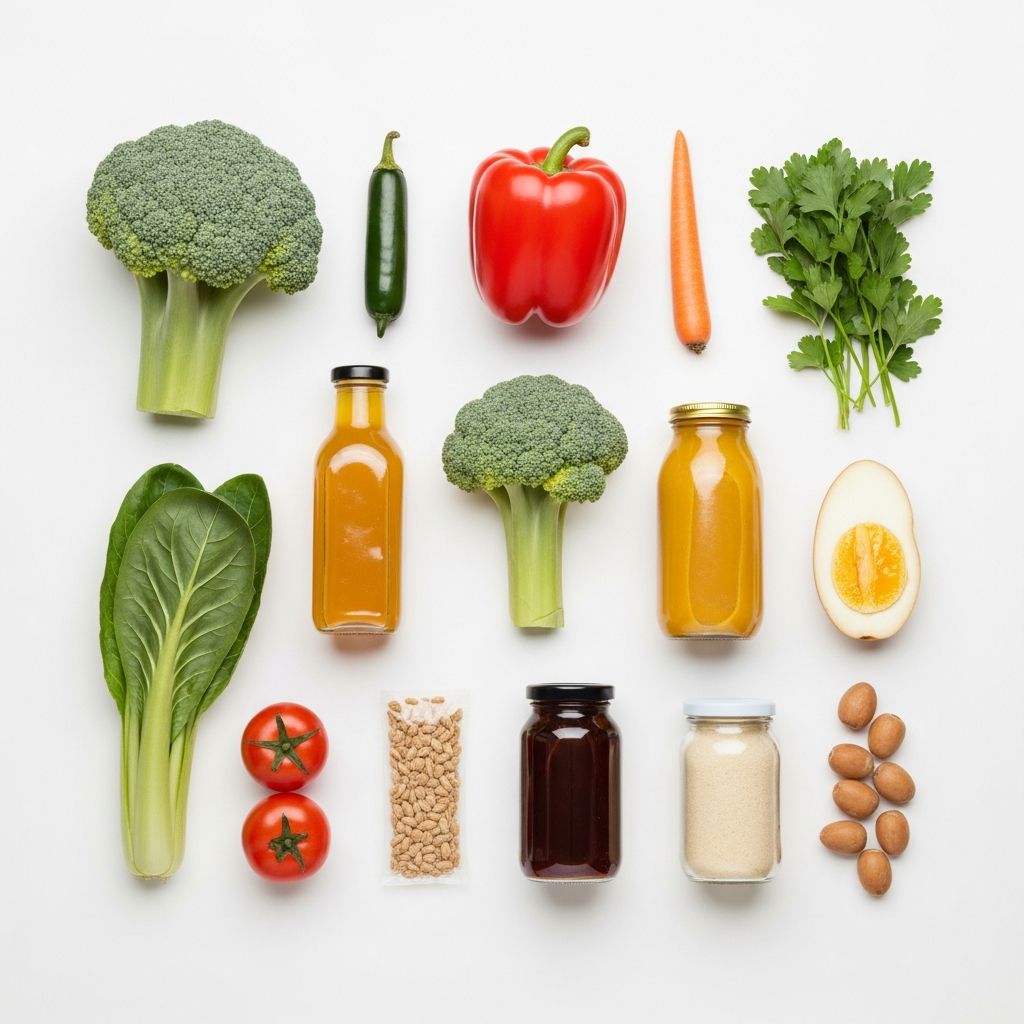
Losing weight doesn’t require strict restriction or deprivation. Registered dietitians emphasize adding nutrient-dense, satisfying foods to your grocery cart to promote fullness, stabilize blood sugar, and support long-term success. These items are high in fiber, protein, and healthy fats while being low in calories, making them ideal for creating calorie deficits without hunger. This guide covers the top recommendations, backed by science, to help you build a weight-loss-friendly pantry.
How These Foods Support Weight Loss
Weight loss fundamentally relies on consuming fewer calories than you burn, but sustainability comes from foods that keep you satiated. High-fiber options like greens and oats slow digestion, promoting fullness. Protein sources such as eggs and yogurt preserve muscle mass during deficits, boosting metabolism. Healthy fats from olive oil and nuts curb cravings. According to dietary guidelines, prioritizing whole foods over processed ones enhances adherence and outcomes.
- Fiber-rich veggies add volume with minimal calories.
- Proteins repair tissues and reduce snacking.
- Whole grains provide sustained energy.
1. Salad Greens
Leafy greens like spinach, kale, lettuce, and cabbage are powerhouse additions for weight loss. A large serving delivers just 10-20 calories but packs 2-4 grams of fiber and essential vitamins A, C, and K. Their high water content bulges the stomach, signaling fullness to the brain via stretch receptors. Studies show adding a side salad to meals increases vegetable intake by 23% and reduces overall calorie consumption.
Versatile for salads, smoothies, or sautés, greens bulk up dishes without adding heft. Aim for 2-3 cups daily. Pro tip: Massage kale with lemon to soften it for better palatability.
2. Popcorn
Air-popped popcorn is a whole-grain superstar, offering 4 grams of fiber per 3-cup serving for only 90 calories. Its volume tricks the brain into feeling satisfied, while antioxidants like polyphenols combat inflammation linked to obesity. Research from the Journal of Nutrition links whole-grain intake to lower BMI and waist circumference.
Skip buttery movie versions; season with herbs, nutritional yeast, or a dash of olive oil. It’s a low-calorie snack that curbs evening munchies, providing nearly 15% of daily fiber needs in one bowl.
3. Extra Virgin Olive Oil
Despite being calorie-dense (120 per tablespoon), extra virgin olive oil’s monounsaturated fats enhance satiety and nutrient absorption, particularly fat-soluble vitamins. Oleic acid in olive oil regulates appetite hormones like ghrelin. A meta-analysis in Nutrients found that Mediterranean diets rich in olive oil lead to greater weight loss than low-fat diets.
Use it for dressings, marinades, or low-heat cooking. One tablespoon daily supports heart health by lowering LDL cholesterol while keeping you full longer than carb-heavy alternatives.
4. Whole Milk Yogurt
Full-fat yogurt outperforms low-fat versions for weight control. Its higher fat content (about 8 grams per cup) slows gastric emptying, promoting prolonged fullness. Conjugated linoleic acid (CLA) in dairy may boost fat burning. Harvard research shows full-fat dairy consumers have lower obesity risk and less mindless snacking.
Related Stories



Choose plain, Greek-style for extra protein (15-20g per serving). Top with berries or nuts for balanced snacks. Avoid flavored varieties laden with added sugars.
5. Chia Seeds
Two tablespoons of chia seeds deliver 10g fiber, 5g protein, and omega-3s, forming a gel in the gut that expands for superior satiety. This trifecta curbs hunger effectively; a study in Nutrition, Metabolism & Cardiovascular Diseases noted chia supplementation aids weight loss in overweight individuals.
Sprinkle into oatmeal, smoothies, or water for a fiber boost. They also relieve constipation, supporting digestive health crucial for weight management. Rich in calcium and iron, they’re a plant-based powerhouse.
6. Eggs
Eggs are an affordable protein bomb: one large egg has 6g protein, healthy fats, and choline for just 70 calories. They increase meal satisfaction; a study in the International Journal of Obesity found egg breakfasts reduce daily calorie intake by 400 calories compared to bagels.
Versatile for boiling, scrambling, or baking, eggs stabilize blood sugar and preserve muscle. Despite past cholesterol fears, current guidelines affirm their safety for most people.
7. Seltzer Water
Zero-calorie seltzer mimics soda’s fizz without sugar, curbing cravings for 200+ calorie beverages. Carbonation may enhance fullness signals. Infuse with citrus, herbs, or fruit for mocktails that hydrate while satisfying sweet tooths.
Dehydration often masquerades as hunger; staying hydrated with seltzer supports metabolism and portion control.
8. Oats
Oats’ beta-glucan soluble fiber lowers cholesterol, stabilizes blood sugar, and promotes fullness. A ½-cup dry serving has 5g fiber and 150 calories. Research in the American Journal of Clinical Nutrition links oatmeal breakfasts to reduced hunger throughout the day.
Opt for rolled or steel-cut; make overnight oats or savory bowls. They’re budget-friendly and customizable.
9. Nuts
A handful (1 oz) of almonds, walnuts, or pistachios provides 4-6g protein, 3g fiber, and healthy fats for 160-200 calories. Despite density, nuts don’t lead to weight gain when portioned; a New England Journal of Medicine trial showed nut eaters lost more weight.
They improve heart health and reduce inflammation. Pre-portion to avoid overeating.
Bonus: Canned Beans, Frozen Fruits & Veggies
Canned beans (black, chickpeas) offer 7g protein and 7g fiber per ½ cup, low-cost and shelf-stable. Frozen fruits/veggies retain nutrients, perfect for smoothies or quick sides, preventing waste while adding volume.
Sample Weekly Grocery List & Meal Ideas
| Category | Items | Weekly Amount |
|---|---|---|
| Produce | Salad greens, lemons | 2 large bags, 4 |
| Dairy | Whole milk yogurt, eggs | 32 oz, 2 dozen |
| Pantry | Chia seeds, oats, canned beans, popcorn kernels, nuts, olive oil | 12 oz each, 4 cans, 1 bag, 8 oz, 16 oz |
| Beverages | Seltzer water | 2 cases |
Meal Ideas
- Breakfast: Oatmeal with chia, yogurt, and berries.
- Lunch: Green salad with eggs, beans, olive oil dressing.
- Snack: Popcorn or nuts; seltzer mocktail.
- Dinner: Stir-fried greens with canned beans and eggs.
Frequently Asked Questions (FAQs)
Can these foods really help with weight loss?
Yes, by prioritizing satiety and nutrition, they create sustainable deficits. Combine with portion control and activity for best results.
How much of each should I eat daily?
Aim for balance: 25-30g fiber, 1.6g/kg protein, handful nuts. Track initially for personalization.
Are full-fat dairy and nuts too high in calories?
In moderation, no—their satiety offsets calories. Studies confirm they aid, not hinder, loss.
What if I have dietary restrictions?
Swap as needed: plant yogurts, seed alternatives. Consult a dietitian.
Building Sustainable Habits
Stock these staples weekly, prep meals ahead, and focus on whole foods. Track progress beyond scale—energy, mood, clothing fit. Pair with 150 minutes weekly exercise. Patience yields results; most lose 1-2 lbs/week safely.
These dietitian-approved picks transform grocery shopping into a weight-loss tool, emphasizing abundance over restriction for joyful, effective change.
References
- Dietary Guidelines for Americans, 2020-2025 — U.S. Department of Agriculture and HHS. 2020-12-29. https://www.dietaryguidelines.gov/sites/default/files/2020-12/Dietary_Guidelines_for_Americans_2020-2025.pdf
- Whole Grains and Weight Loss — Journal of Nutrition. 2019-05-01. https://doi.org/10.1093/jn/nxz049
- Effects of Full-Fat Dairy on Obesity Risk — Harvard T.H. Chan School of Public Health. 2022-08-15. https://www.hsph.harvard.edu/nutritionsource/dairy/full-fat-dairy/
- Chia Seeds and Weight Loss: A Systematic Review — Nutrition, Metabolism & Cardiovascular Diseases. 2021-03-01. https://doi.org/10.1016/j.numecd.2020.11.005
- Eggs and Satiety in Obesity Management — International Journal of Obesity. 2015-04-01. https://doi.org/10.1038/ijo.2014.236
- Nuts and Body Weight: A NEJM Trial — New England Journal of Medicine. 2017-07-01. https://doi.org/10.1056/NEJMc1704523
Similar Articles








Read full bio of Sneha Tete