Best Healthy Breakfast Foods: 8 Nutritious Choices
Discover the top nutritious breakfast foods that fuel your day with sustained energy, essential nutrients, and delicious flavors for optimal health.
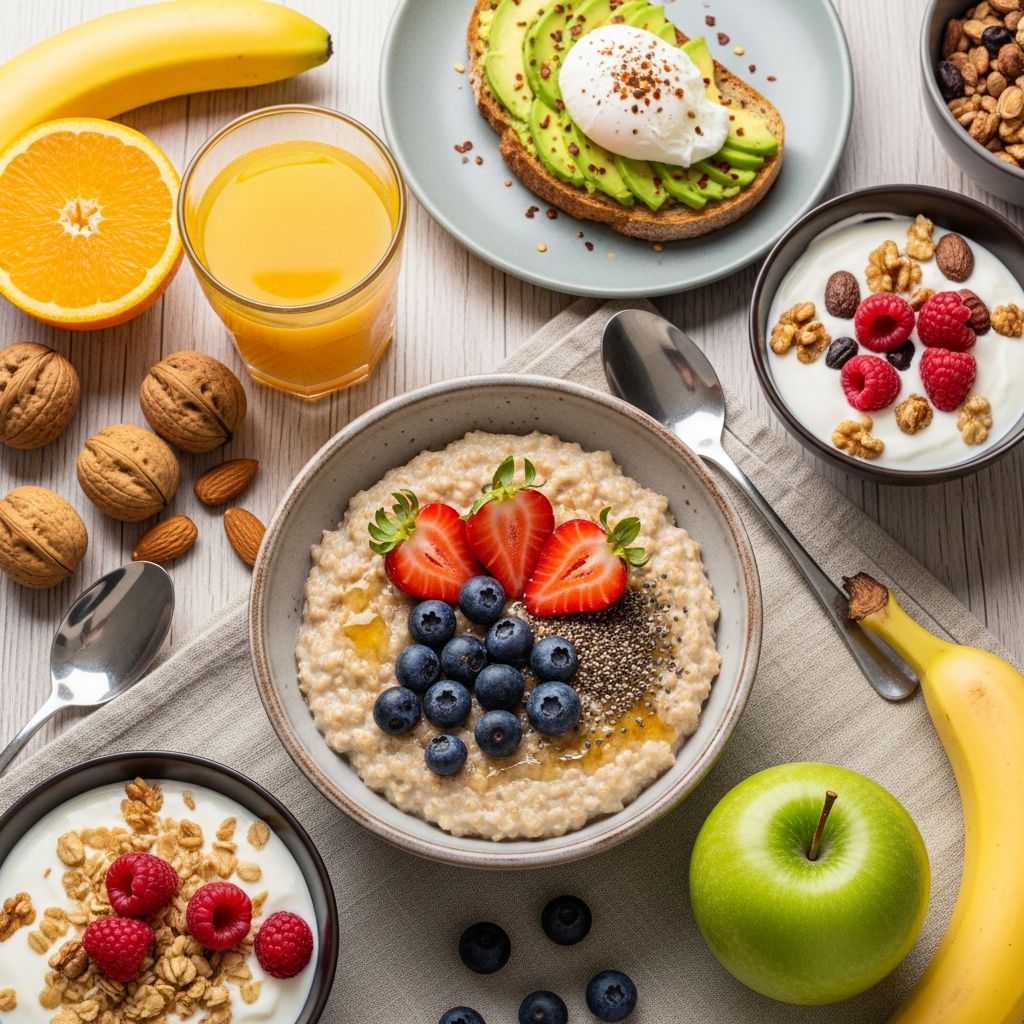
Starting your day with a nutritious breakfast sets the tone for healthy eating habits, sustained energy, and better focus throughout the morning. The best healthy breakfast foods prioritize whole ingredients rich in fiber, protein, healthy fats, vitamins, and minerals while minimizing added sugars and processed elements. Dietitians emphasize balancing macronutrients to promote satiety, stabilize blood sugar, and support long-term health goals like weight management and heart health. This guide covers the top-recommended breakfast foods, their benefits, and simple ways to incorporate them into your routine for maximum impact.
Why Breakfast Matters for Your Health
A well-chosen breakfast can improve cognitive function, regulate appetite, and reduce the risk of chronic diseases. Research from the Harvard T.H. Chan School of Public Health highlights that nutrient-dense morning meals enhance metabolic health and prevent overeating later. Foods high in soluble fiber, like oats, help lower cholesterol, while protein sources such as eggs promote muscle maintenance. Incorporating a variety of these foods ensures you meet daily nutrient needs from the start.
Key benefits include:
- Sustained energy: Complex carbs and proteins prevent mid-morning crashes.
- Weight control: High-fiber options increase fullness, aiding portion control.
- Nutrient boost: Antioxidants and vitamins from fruits and veggies combat inflammation.
- Gut health: Fermented foods like yogurt support microbiome diversity.
1. Oats and Oatmeal
**Oats** top the list as a powerhouse breakfast food due to their high soluble fiber content, particularly beta-glucan, which supports heart health by reducing LDL cholesterol. A half-cup serving provides about 4 grams of fiber and 5 grams of protein, making it ideal for steady energy release. According to the American Heart Association, regular oat consumption can lower cardiovascular risk factors.
Customize your oatmeal with toppings like nuts, seeds, and fresh fruit for added nutrition. Steel-cut or rolled oats are preferable over instant varieties to avoid added sugars. Try overnight oats for meal prep: mix oats with milk, chia seeds, and berries the night before for a grab-and-go option.
- Calories: ~150 per ½ cup dry
- Key nutrients: Fiber (4g), manganese, phosphorus
- Pro tip: Add cinnamon for blood sugar regulation without extra calories.
2. Eggs
Eggs are a complete protein source, delivering 6 grams per large egg along with essential amino acids, choline for brain health, and lutein for eye protection. Despite past concerns, recent studies from the USDA confirm that one to two eggs daily fit into a heart-healthy diet for most people, thanks to their nutrient density and satiety effects.
Versatile and quick, eggs can be boiled, scrambled, poached, or baked into muffins. Pair with veggies for a fiber boost. Egg muffins with spinach and tomatoes make excellent meal-prep items, staying fresh in the fridge for days.
- Calories: ~70 per large egg
- Key nutrients: Protein (6g), vitamins B12, D
- Pro tip: Use avocado for healthy fats to enhance absorption of fat-soluble vitamins.
3. Greek Yogurt
**Greek yogurt** stands out for its thick texture and high protein—up to 20 grams per cup—making it superior for muscle repair and hunger control compared to regular yogurt. It’s also probiotic-rich, aiding digestion per findings from the National Institutes of Health. Opt for plain, full-fat or low-fat versions to avoid added sugars.
Related Stories



Layer with granola, fruits, and a drizzle of honey for parfait perfection. It’s perfect for smoothies or as a base for savory dips with herbs and cucumber.
- Calories: ~100-150 per cup plain
- Key nutrients: Protein (15-20g), calcium, probiotics
- Pro tip: Strain regular yogurt overnight to make homemade Greek-style.
4. Berries
Berries like blueberries, strawberries, and raspberries are antioxidant powerhouses, packed with vitamin C, fiber, and polyphenols that fight oxidative stress. A cup of mixed berries offers 8 grams of fiber and just 80 calories, supporting immune function and skin health as noted in peer-reviewed studies.
Add to oatmeal, yogurt, or smoothies. Frozen berries retain nutrients and are budget-friendly year-round.
- Calories: ~50-80 per cup
- Key nutrients: Fiber (6-8g), vitamin C (up to 100% DV)
- Pro tip: Choose organic when possible to minimize pesticides.
5. Nuts and Seeds
**Nuts and seeds** (almonds, chia, flaxseeds) provide healthy monounsaturated fats, omega-3s, and plant protein. A small handful (1 oz) delivers 3-7 grams of fiber and supports heart health, per the FDA. They add crunch and satiety to any breakfast.
Sprinkle on yogurt or blend into smoothies. Chia pudding—chia seeds soaked in milk overnight—sets into a creamy, fiber-rich treat (10g fiber per 2 tbsp).
- Calories: ~160-200 per oz
- Key nutrients: Healthy fats, magnesium, omega-3s
- Pro tip: Grind flaxseeds for better nutrient absorption.
6. Whole Grains: Quinoa and Whole-Wheat Toast
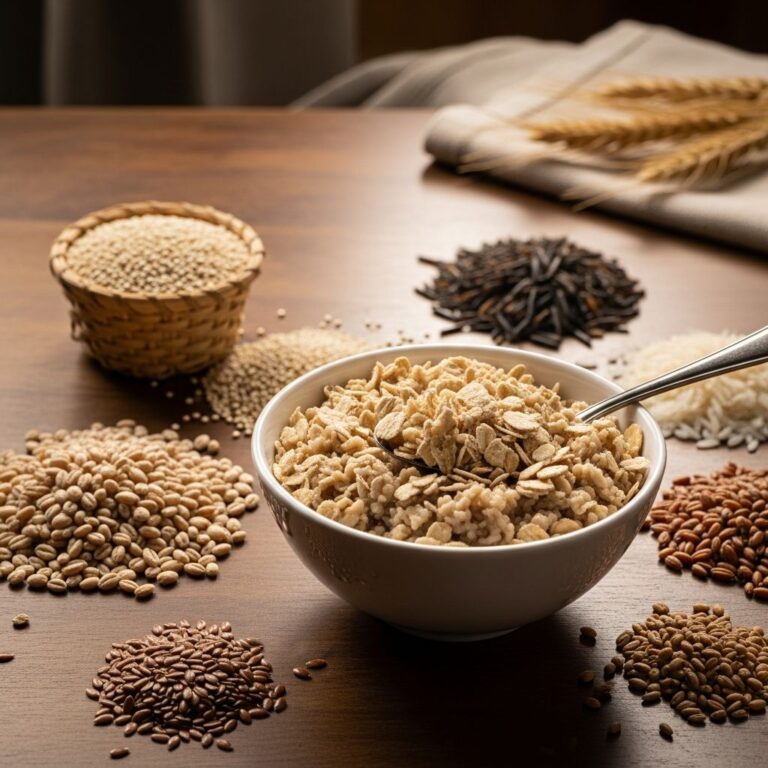
Quinoa offers complete plant protein (8g per cooked cup) and gluten-free fiber, while whole-wheat toast provides B vitamins and sustained energy. These outperform refined grains in stabilizing blood sugar.
Top toast with nut butter and banana slices or cook quinoa porridge with milk and fruit.
- Calories: ~120 per slice toast; 222 per cup quinoa
- Key nutrients: Fiber (5g+), iron
7. Avocado
Avocados deliver creaminess with 10g fiber per fruit, plus heart-healthy monounsaturated fats that lower inflammation. Half an avocado on toast is a classic combo.
- Calories: ~230 per medium
- Key nutrients: Potassium (more than bananas), vitamin E
8. Leafy Greens and Veggies
Incorporate spinach, kale, or tomatoes into omelets or smoothies for vitamins A, K, and folate without many calories.
Sample Healthy Breakfast Combinations
| Meal Idea | Key Benefits | Prep Time |
|---|---|---|
| Greek Yogurt Parfait | 20g protein, probiotics | 5 min |
| Veggie Egg Muffins | Balanced macros, meal prep | 20 min |
| Oatmeal with Berries & Nuts | High fiber, antioxidants | 10 min |
| Avocado Toast with Egg | Healthy fats, satiety | 10 min |
Frequently Asked Questions (FAQs)
Q: What is the healthiest breakfast to eat every day?
A: A combo of oats, Greek yogurt, berries, and nuts offers balanced nutrition for daily consumption, providing fiber, protein, and antioxidants.
Q: Are eggs healthy for breakfast?
A: Yes, 1-2 eggs daily are nutritious and safe for most, rich in protein and choline.
Q: How can I make breakfast healthier?
A: Focus on whole foods, limit added sugars, and balance with protein, fiber, and fats.
Q: Is oatmeal good for weight loss?
A: Yes, its soluble fiber promotes fullness and may aid weight management.
Q: Can I eat fruit for breakfast?
A: Yes, but pair with protein or fat like yogurt to prevent blood sugar spikes.
References
- Healthy Eating Plate — Harvard T.H. Chan School of Public Health. 2023-10-01. https://www.hsph.harvard.edu/nutritionsource/healthy-eating-plate/
- Oats and Heart Health — American Heart Association. 2024-05-15. https://www.heart.org/en/healthy-living/healthy-eating/eat-smart/nutrition-basics/oats-and-heart-health
- Eggs: Nutrition Facts — United States Department of Agriculture (USDA). 2020-01-10. https://www.usda.gov/media/blog/2020/01/10/eggs-nutrition-facts
- Probiotics and Gut Health — National Institutes of Health (NIH). 2019-06-01. https://www.nih.gov/pmc/articles/PMC6566837/
- Berries and Health Outcomes — PubMed (DOI: 10.3390/nu11122959). 2019-12-17. https://pubmed.ncbi.nlm.nih.gov/31837082/
- Nuts and Heart-Healthy Benefits — U.S. Food and Drug Administration (FDA). 2023-07-20. https://www.fda.gov/food/new-nutrition-facts-label/nuts-and-heart-healthy-benefits
Similar Articles








Read full bio of medha deb