Best Healthy Fats for Diabetes Management
Expert guide to choosing and incorporating healthy fats into your diabetes meal plan for better health outcomes.
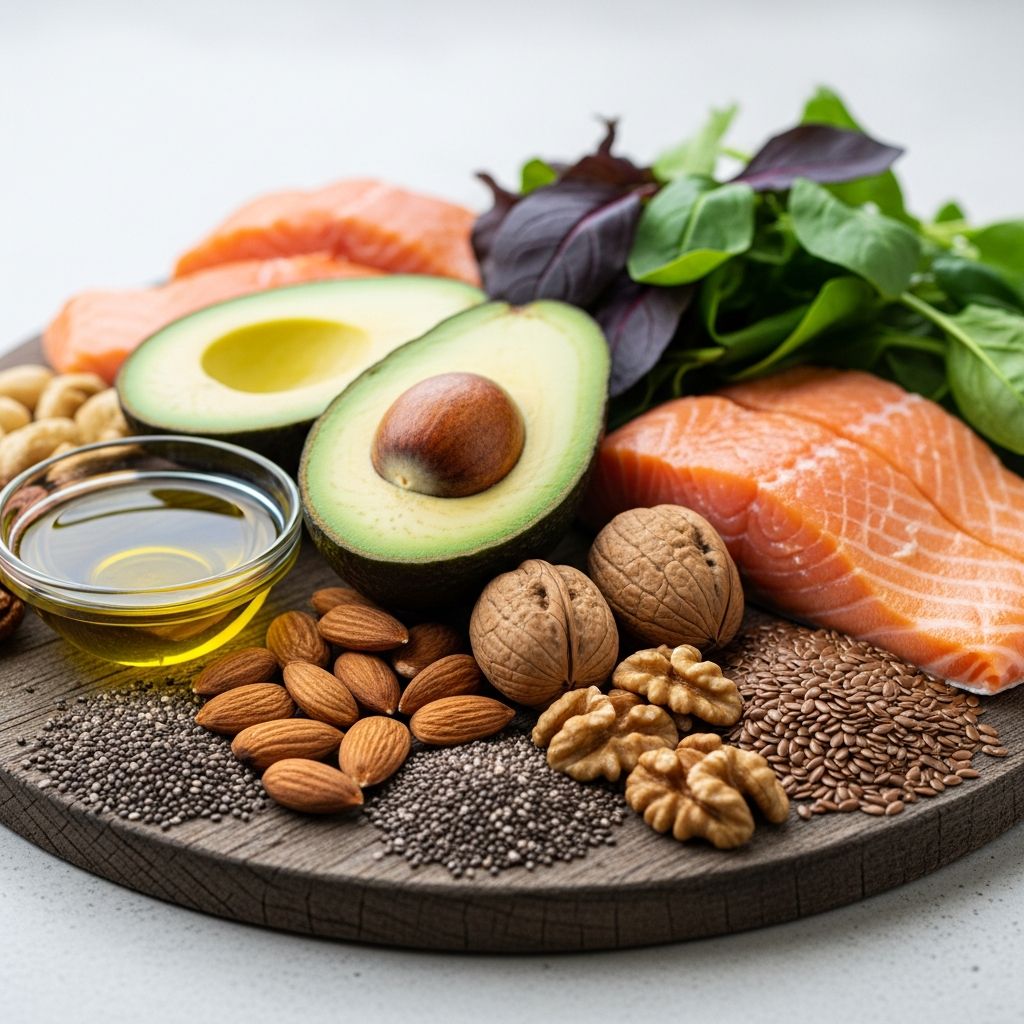
Best Healthy Fats for Diabetes According to a Dietitian
When managing diabetes, understanding the role of dietary fats is essential for maintaining stable blood sugar levels and reducing the risk of complications. Contrary to popular belief, not all fats are harmful to people with diabetes. In fact, incorporating the right types of healthy fats into your meal plan can significantly improve your diabetes management and overall health outcomes.
Healthy fats play a crucial role in diabetes care by supporting heart health, improving insulin sensitivity, and promoting satiety. The key is understanding which fats to embrace and which to avoid, then learning how to incorporate them into your daily meals in appropriate portions.
Understanding Healthy Fats 101
When it comes to fats and diabetes, the quality of the fat matters far more than the quantity. Two types of unsaturated fats have been shown to support heart health and blood sugar management: monounsaturated fats and polyunsaturated fats.
Dietary guidelines recommend that people with diabetes replace saturated and trans fats with monounsaturated and polyunsaturated fats to lessen the increased risk of cardiovascular disease. Current recommendations suggest that 20% to 35% of total daily energy should come from fat, with an emphasis on fat quality rather than quantity.
The American Diabetes Association focuses its recommendations on fat quality and sources rather than restricting total fat intake, encouraging an eating plan that emphasizes elements of a Mediterranean dietary pattern rich in monounsaturated and polyunsaturated fats.
Monounsaturated Fats: Heart-Healthy Choices
Monounsaturated fatty acids (MUFAs) are found in foods such as avocados, some fish, nuts, and nut butters. These fats are also present in vegetable oils including olive, peanut, avocado, and canola oil.
Research has consistently shown that diets rich in MUFAs and lower in saturated fat are associated with a reduced risk of cardiovascular disease. Meta-analyses of randomized controlled trials comparing diets higher in MUFA versus carbohydrates or polyunsaturated fats have demonstrated that high MUFA-containing diets can improve metabolic parameters and reduce cardiovascular disease risk in people with type 2 diabetes.
Top Sources of Monounsaturated Fats
- Oils: Canola, peanut, olive, and safflower oils
- Nuts: Almonds, hazelnuts, and pecans
- Seeds: Pumpkin and sesame seeds
- Other sources: Avocados, olives, and peanut butter
These foods provide not only healthy fats but also fiber, vitamins, and minerals that support overall health and diabetes management.
Polyunsaturated Fats: Omega-3 Benefits
Polyunsaturated fats (PUFAs) include omega-3 and omega-6 fatty acids, which are essential nutrients your body cannot produce on its own. Meta-analyses of feeding trials have shown consistent positive effects when other macronutrients, such as saturated fats, are replaced with polyunsaturated fats on glycemia, insulin resistance, and insulin secretion capacity.
Substitution data from prospective observational studies indicates that replacing saturated and trans fats with polyunsaturated fats reduces all-cause mortality and coronary heart disease, with evidence in those with diabetes indicating similar improvements in cardiovascular disease risk.
Related Stories



Best Sources of Polyunsaturated Fats
- Oils: Sunflower, corn, soybean, and flaxseed oils
- Fish: Salmon, bluefin tuna, whitefish, mackerel, anchovies, sardines, black cod, herring, striped bass, and cobia
- Nuts and seeds: Walnuts, flaxseeds, and sunflower seeds
- Plant-based options: Tofu and soybeans
Fatty fish is particularly valuable for people with diabetes due to its omega-3 fatty acid content, which provides anti-inflammatory benefits and supports heart health.
Benefits of Healthy Fats for Diabetes Management
Incorporating healthy fats into your diabetes meal plan offers multiple evidence-based benefits:
Blood Sugar Control
Consuming healthy fats improves insulin sensitivity and helps regulate blood sugar levels, which is vital for effective diabetes management. The presence of healthy fats slows digestion and glucose absorption, resulting in more stable blood sugar responses after meals.
Satiety and Weight Management
Healthy fats contribute to a feeling of fullness and satisfaction, reducing the temptation to overeat and aiding in weight management—an essential aspect of diabetes control. This satiety effect can help reduce overall calorie intake and support healthy weight loss or maintenance.
Heart Health Support
Since diabetes significantly increases the risk of heart disease and cardiovascular complications, incorporating healthy fats into your diet is protective. These fats help improve cholesterol levels and support overall heart health.
Lower LDL Cholesterol Levels
Replacing saturated fats with healthy unsaturated fats helps reduce LDL (bad) cholesterol, increase levels of beneficial HDL cholesterol, and provide essential fatty acids that regulate cholesterol metabolism. By incorporating healthy fats into their diet, individuals with diabetes can effectively manage their cholesterol levels and reduce the risk of cardiovascular complications.
Essential Fatty Acids and Overall Health
Healthy fats provide key fatty acids necessary for the body’s normal functioning, including support for brain health, inflammation reduction, and hormone production. These nutrients support various bodily processes and contribute to overall health and well-being.
Fats to Avoid or Limit
While healthy fats should be embraced, certain types of fats should be minimized or eliminated from a diabetes-friendly diet:
Saturated Fats
Saturated fats should be limited to less than 10% of total daily calories. Current dietary guidelines recommend limiting saturated fat intake to reduce cardiovascular disease risk. Sources to avoid or minimize include:
- High-fat dairy products (whole milk, full-fat cheese, butter)
- Fatty cuts of meat (beef, pork, lamb)
- Processed meats (hot dogs, sausage, bacon)
- Coconut and palm kernel oils
- Full-fat dairy products
Trans Fats
Trans fats should be avoided entirely as they provide no health benefits and significantly increase cardiovascular disease risk. Common sources include:
- Processed snacks and baked goods
- Shortening and stick margarines
- Fried foods
- Products containing partially hydrogenated vegetable oils
Practical Tips for Incorporating Healthy Fats
Portion Control
Although healthy fats provide important nutrients, they are calorie-dense. All fats contain 9 calories per gram, compared to 4 calories per gram for protein and carbohydrates. To control portions, use the tip of your thumb as a guide for the amount of oils and fats to add at meals. A practical serving size for nuts is a small handful, approximately one ounce or about 23 almonds.
Cooking Method Strategies
Choose healthier cooking methods that preserve the nutritional value of healthy fats:
- Use liquid vegetable oils rich in polyunsaturated and monounsaturated fats (olive, canola, sunflower) in cooking and at the table instead of butter or margarine
- Grill, bake, or steam fish instead of frying to preserve omega-3 fatty acids
- Sauté vegetables in olive oil rather than using butter or creamy sauces
- Avoid high-heat cooking methods that may damage the beneficial properties of oils
Reading Food Labels
Learning to read and interpret food labels is essential for identifying healthy fat sources. When shopping:
- Pay attention to trans fats and saturated fats, as they should be limited in a diabetes-friendly diet
- Choose products with little to no trans fats and opt for lower saturated fat options
- Look for foods listing monounsaturated or polyunsaturated fats as primary fat sources
- Prioritize whole foods over processed ones, as they often contain unhealthy fats and additives
- Check serving sizes to ensure portions align with your diabetes meal plan
Building a Balanced Diabetes Meal Plan
While healthy fats are important, they should be part of a well-rounded diet that supports diabetes management. A balanced approach includes:
- Incorporating a variety of nutrients from fruits, vegetables, lean proteins, whole grains, and dairy or dairy alternatives
- Choosing non-starchy vegetables as the foundation of most meals
- Including lean protein sources at each meal
- Selecting whole grains over refined carbohydrates
- Adding healthy fats to meals through oils, nuts, seeds, and fish
- Complementing your diabetes-friendly meal plan with regular physical activity to support blood sugar control, weight management, and overall well-being
Recommended Fat Intake Guidelines
| Type of Fat | Main Sources | Recommendation |
|---|---|---|
| Monounsaturated | Canola, peanut, and olive oils; avocados; nuts such as almonds, hazelnuts, and pecans; and seeds such as pumpkin and sesame seeds | Emphasize in your diet |
| Polyunsaturated | Sunflower, corn, soybean, and flaxseed oils, and also in foods such as walnuts, flax seeds, and fish | Include regularly |
| Saturated | Butter, beef, hot dogs, sausage, bacon, coconut and palm kernel oils | Limit to less than 10% of daily calories |
| Trans | Processed snacks, baked goods, shortening, stick margarines | Avoid completely |
Mediterranean Diet Pattern for Diabetes
The Mediterranean eating pattern is recommended by the American Diabetes Association as an effective dietary approach for people with diabetes. This pattern emphasizes:
- Abundant vegetables, fruits, whole grains, and legumes
- Fish and seafood at least twice weekly
- Olive oil as the primary source of fat
- Moderate amounts of nuts, seeds, and moderate poultry consumption
- Minimal processed foods and refined grains
- Herbs and spices instead of salt for flavoring
This dietary pattern has been shown to reduce cardiovascular disease risk and improve glucose metabolism in individuals with diabetes.
Frequently Asked Questions
Q: How much fat should I include in my diabetes meal plan?
A: The American Diabetes Association recommends that 20-35% of total daily calories come from fat, with emphasis on fat quality rather than quantity. The specific amount depends on your individual needs, which a registered dietitian can help determine based on your health goals and medical history.
Q: Are all nuts appropriate for people with diabetes?
A: Most nuts are good choices for diabetes due to their healthy fat content, but portion control is important due to their calorie density. A serving size is typically about one ounce or a small handful. Avoid nuts that are heavily salted or candied, and watch for added sugars in flavored varieties.
Q: Can I eat avocados if I have diabetes?
A: Yes, avocados are an excellent choice for diabetes management. They are rich in monounsaturated fats and fiber, which support blood sugar control and satiety. However, practice portion control, as they are calorie-dense. A typical serving is about one-quarter to one-half of an avocado.
Q: How often should I eat fatty fish?
A: The American Diabetes Association recommends eating fish at least twice weekly to benefit from omega-3 fatty acids and other heart-protective nutrients. Fatty fish varieties like salmon, sardines, and mackerel are particularly beneficial for blood sugar control and cardiovascular health.
Q: What is the difference between olive oil and other cooking oils?
A: Olive oil is rich in monounsaturated fats and is a cornerstone of the heart-healthy Mediterranean diet. Other options like canola and sunflower oils provide polyunsaturated fats. All are good choices, but olive oil has additional compounds with anti-inflammatory properties. Choose oils based on your cooking method and preference, as higher heat cooking works better with oils with higher smoke points.
Q: Should I avoid all saturated fats completely?
A: While saturated fats should be limited to less than 10% of daily calories, complete avoidance is not necessary. Some naturally occurring saturated fats come packaged with beneficial nutrients. The key is replacing most saturated fat sources with healthier unsaturated options and choosing lean proteins and lower-fat dairy products when possible.
Q: How can I track my fat intake effectively?
A: Keeping a food diary or using nutrition tracking apps can help you monitor your fat intake and identify patterns. A registered dietitian can also review your eating habits and provide personalized recommendations. Many people find it helpful to focus on including healthy fat sources rather than counting grams, though tracking can be useful initially to establish proper portions.
References
- The Role of Healthy Fats in Diabetes Management — Diabetes M. 2024. https://diabetes-m.com/blog/news/healthy-fats/
- Dietary Advice For Individuals with Diabetes — National Institutes of Health, NCBI, Endotext. 2024. https://www.ncbi.nlm.nih.gov/books/NBK279012/
- Diabetes Diet: Create Your Healthy-Eating Plan — Mayo Clinic. 2024. https://www.mayoclinic.org/diseases-conditions/diabetes/in-depth/diabetes-diet/art-20044295
- Let’s Talk About Fats — American Diabetes Association, Diabetes Food Hub. 2024. https://diabetesfoodhub.org/blog/lets-talk-about-fats
- Healthy Eating for Diabetes — Alberta Health Services. 2024. https://www.albertahealthservices.ca/assets/info/nutrition/if-nfs-healthy-eating-for-diabetes.pdf
- Healthy Fats and Their Role in Diabetes Management — Auburn Cooperative Extension System. 2024. https://www.aces.edu/blog/topics/home-family/healthy-fats-and-their-role-in-diabetes-management/
- Fats in Foods — American Heart Association. 2024. https://www.heart.org/en/healthy-living/healthy-eating/eat-smart/fats/fats-in-foods
Similar Articles








Read full bio of medha deb