Best Healthy Lunch Foods: 10 Nutritious Options To Boost Energy
Discover the top nutrient-packed foods for healthy lunches that boost energy, support weight management, and promote overall wellness every day.
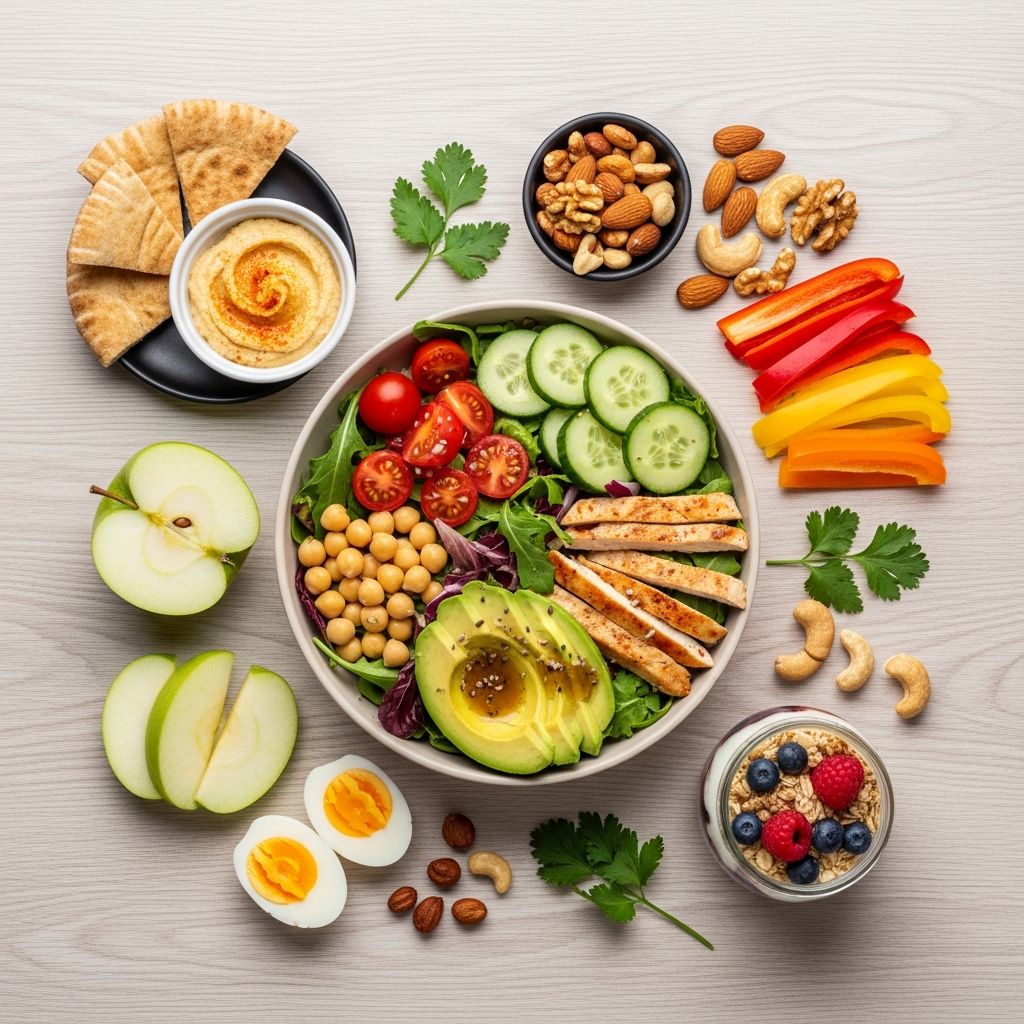
Choosing the right foods for lunch can transform your afternoon energy levels, support weight management, and contribute to long-term health. The best healthy lunch foods are nutrient-dense, providing a balance of protein, fiber, healthy fats, and vitamins to keep you satisfied without the post-meal crash. Registered dietitians emphasize incorporating whole foods like vegetables, lean proteins, and whole grains into midday meals for optimal nutrition.
What Makes a Healthy Lunch?
A healthy lunch goes beyond low calories; it focuses on satiety, blood sugar stability, and nutrient variety. Key components include high-fiber vegetables to promote fullness, lean proteins for muscle repair, complex carbohydrates for steady energy, and healthy fats for brain health. According to dietary guidelines, aim for half your plate as vegetables, a quarter protein, and a quarter whole grains. This approach helps prevent hunger pangs and supports metabolic health.
Anti-inflammatory foods are particularly beneficial, as chronic inflammation links to fatigue and disease. Incorporating omega-3-rich fish, berries, and turmeric can reduce brain fog and enhance mental clarity, as noted in personal trials by nutrition experts.
1. Leafy Greens
Leafy greens like spinach, kale, arugula, and romaine lettuce top the list for healthy lunches due to their low calorie count and high nutrient profile. A single cup of spinach delivers over 100% of the daily vitamin K needs, essential for blood clotting and bone health, plus folate for cell function.
- Spinach: Packed with iron, magnesium, and antioxidants; ideal for salads or smoothies.
- Kale: High in vitamins A, C, and K; massage it to soften for better palatability.
- Arugula: Peppery flavor with glucosinolates that support detoxification.
Incorporate 2-3 cups into lunches to boost fiber intake, aiding digestion and weight control. Pair with vinaigrette for better nutrient absorption.
2. Colorful Vegetables
Beyond greens, colorful veggies like bell peppers, tomatoes, carrots, and broccoli provide a rainbow of phytonutrients and vitamins. Red bell peppers offer more vitamin C than oranges, supporting immune function, while tomatoes’ lycopene protects heart health.
- Broccoli: Sulforaphane combats cancer cells; steam lightly to retain nutrients.
- Cherry Tomatoes: Low-carb, hydrating, and rich in antioxidants.
- Cucumbers: 95% water for hydration without calories.
These veggies add crunch and volume to lunches, helping you eat more without excess calories. Aim for variety to cover all micronutrients.
3. Lean Proteins
Protein is crucial for satiety and muscle maintenance. Opt for lean sources like chicken breast, turkey, tofu, eggs, and legumes to keep lunches balanced.
- Grilled Chicken: 25g protein per 3oz, low fat.
- Tofu: Plant-based complete protein with calcium.
- Hard-Boiled Eggs: Choline for brain health.
- Lentils: Fiber-protein combo for gut health.
Target 20-30g protein per lunch to sustain energy through the afternoon.
4. Fatty Fish
Salmon, sardines, and mackerel deliver omega-3 fatty acids, reducing inflammation and supporting heart and brain function. A 3oz salmon serving provides 1.5g EPA/DHA, linked to lower depression risk.
Related Stories



- Wild Salmon: Higher omega-3s than farmed.
- Sardines: Affordable, bone-healthy calcium source.
Grill or bake for lunches; eat twice weekly for benefits.
5. Whole Grains
Quinoa, farro, brown rice, and oats offer complex carbs and B vitamins for steady energy. Quinoa is a complete protein with 8g per cooked cup.
- Quinoa: Gluten-free, magnesium-rich.
- Farro: Chewy texture, high fiber.
Swap refined grains to stabilize blood sugar.
6. Healthy Fats
Avocados, nuts, seeds, and olive oil provide monounsaturated fats for heart health and absorption of fat-soluble vitamins.
- Avocado: 9g fiber per fruit, potassium-rich.
- Almonds: Vitamin E antioxidant.
- Chia Seeds: Omega-3s and gel-forming fiber.
1/4 avocado or 1oz nuts per lunch enhances satisfaction.
7. Legumes
Chickpeas, black beans, and edamame offer plant protein and prebiotic fiber for gut microbiome health.
- Chickpeas: Versatile for hummus or salads.
- Edamame: Soy isoflavones for hormone balance.
They’re affordable and filling.
8. Berries and Fruits
Blueberries, strawberries, and apples add sweetness with antioxidants and fiber, curbing sugar cravings.
- Blueberries: Anthocyanins for cognition.
- Apples: Pectin for cholesterol control.
One serving prevents oxidative stress.
9. Fermented Foods
Yogurt, kimchi, and sauerkraut support gut health with probiotics, improving digestion and immunity.
- Greek Yogurt: 15g protein, live cultures.
- Kimchi: Spicy, vitamin C-packed.
Enhance lunches with a side.
10. Herbs and Spices
Turmeric, ginger, and garlic add flavor without sodium, with curcumin fighting inflammation.
Use liberally for taste and health boosts.
Sample Healthy Lunch Ideas
| Lunch Idea | Key Nutrients | Prep Time |
|---|---|---|
| Quinoa Salad with Spinach, Chickpeas, Avocado | Protein, Fiber, Healthy Fats | 15 min |
| Grilled Salmon with Broccoli and Brown Rice | Omega-3s, Vitamins, Carbs | 20 min |
| Turkey Wrap with Leafy Greens and Hummus | Lean Protein, Fiber | 10 min |
| Greek Yogurt Parfait with Berries and Chia | Probiotics, Antioxidants | 5 min |
Frequently Asked Questions
What are the healthiest lunch foods for weight loss?
Focus on high-volume, low-calorie foods like leafy greens, vegetables, and lean proteins to create a calorie deficit while staying full.
Can I eat healthy lunches on a budget?
Yes, prioritize affordable options like eggs, lentils, oats, and seasonal veggies for nutrient density without high costs.
How much protein should a healthy lunch have?
Aim for 20-30 grams to maintain muscle and satiety, adjustable based on activity level and body size.
Are carbs bad for lunch?
No, choose complex carbs from whole grains for sustained energy; avoid refined sugars.
What if I don’t have time to prep healthy lunches?
Batch-prep salads, hard-boil eggs, or use pre-washed greens for quick assembly.
References
- Dietary Guidelines for Americans, 2020-2025 — U.S. Department of Agriculture and U.S. Department of Health and Human Services. 2020-12-01. https://www.dietaryguidelines.gov/sites/default/files/2020-12/Dietary_Guidelines_for_Americans_2020-2025.pdf
- Omega-3 Fatty Acids and Cardiovascular Disease — American Heart Association. 2023-05-15. https://www.ahajournals.org/doi/10.1161/CIR.0000000000001199
- Probiotics and Gut Health — National Institutes of Health, Office of Dietary Supplements. 2024-02-20. https://ods.od.nih.gov/factsheets/Probiotics-HealthProfessional/
- Leafy Greens and Chronic Disease Prevention — Harvard T.H. Chan School of Public Health. 2023-11-10. https://www.hsph.harvard.edu/nutritionsource/leafy-greens/
- Anti-Inflammatory Diet Patterns — World Health Organization. 2022-08-05. https://www.who.int/news-room/fact-sheets/detail/healthy-diet
Similar Articles








Read full bio of Sneha Tete