Best Healthy Snacks According to Dietitians
Expert-approved snacks that combine protein, fiber, and healthy fats for sustained energy.
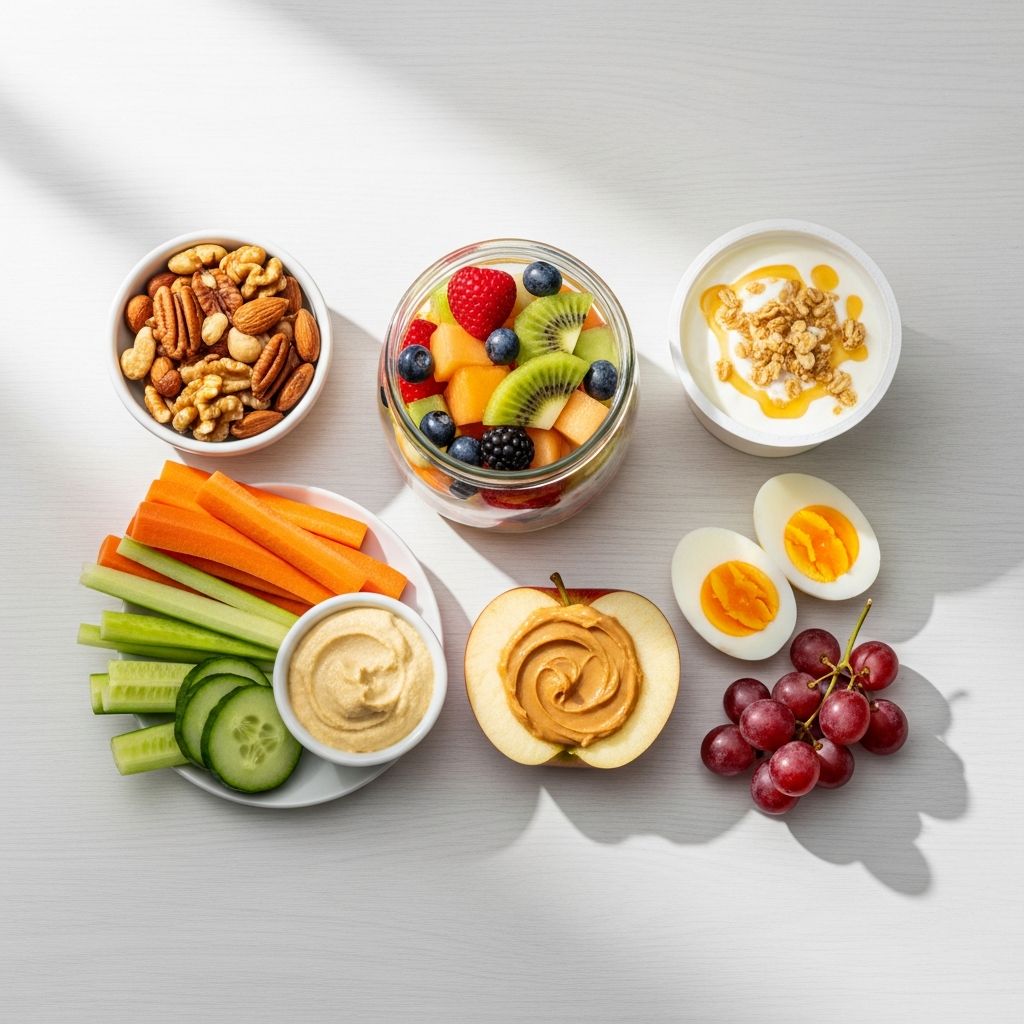
With so many snacks labeled as “healthy” lining grocery store shelves, it can be confusing to determine which ones actually deliver nutritional value. Registered dietitians emphasize that a truly healthy snack should satisfy specific nutritional criteria rather than relying on marketing claims. Understanding what makes a snack genuinely healthy empowers you to make informed choices that support your wellness goals.
What Makes a Snack Healthy?
According to nutrition experts, a healthy snack should contain three essential components: protein, fiber, and healthy fats. This combination of nutrients works synergistically to help you feel more full and satisfied, maintaining steady blood sugar levels and preventing overeating at your next meal.
Beyond these macronutrients, healthy snacks should prioritize whole foods like fruits and vegetables, which provide essential vitamins, minerals, and phytonutrients. When reviewing snack labels, look for familiar, recognizable ingredients with minimal processing and added sugars or sodium.
Key Nutrients to Look For:
- Protein for satiety and muscle maintenance
- Fiber for digestive health and sustained energy
- Healthy fats (unsaturated fats) for nutrient absorption and brain health
- Vitamins and minerals from whole food sources
- Limited added sugar (ideally below 5 grams per serving)
- Moderate sodium levels
Top 10 Healthy Snacks Recommended by Dietitians
1. Fruits and Nuts
The combination of fruits and nuts represents one of the most balanced snack options available. Fruits provide fiber (especially when you eat the skin) and natural sweetness, while nuts deliver protein and healthy fats. Together, this pairing helps satisfy your appetite and supports stable blood sugar levels throughout the day.
Try combining sliced apples with almonds, bananas with walnuts, or berries with pecans. This portable, no-preparation option makes it easy to snack healthily on the go.
2. Popcorn
Many people are surprised to learn that popcorn is a whole grain snack. One serving (approximately three cups) contains roughly 110 calories, 4 grams of fiber, and 3 grams of protein, making it an excellent choice when you want a large volume of food to munch on without excessive calories.
Popcorn is also a great source of B vitamins and iron. You can prepare it sweet or savory depending on your cravings—try air-popping it at home and seasoning it with herbs, spices, or a light drizzle of honey.
3. Chickpeas
Chickpeas are versatile legumes rich in both protein and fiber, making them ideal for healthy snacking. You can enjoy them in multiple formats: roasted as a crunchy snack, blended into hummus for dipping, or tossed into salads for added nutrition.
Chickpea-based snacks can be made sweet or savory, and they’re particularly useful for increasing your vegetable intake when combined with veggie-based preparations like kale chips or sweet potato crisps, all of which provide fiber, B vitamins, vitamin C, and potassium.
4. Vegetable Chips
While vegetable chips can be a convenient snack option, choosing wisely is crucial. Look for varieties lower in fat and sodium, and always check the ingredient list to ensure vegetables are among the first ingredients listed. The ingredient list should contain mostly familiar items without excessive additives.
Related Stories



Homemade vegetable chips made from sliced beets, sweet potatoes, or kale offer superior nutritional profiles compared to many commercial options and allow you to control sodium and fat content.
5. Walnuts
Walnuts are unique among nuts as the only significant plant-based source of omega-3 fatty acids, making them particularly valuable for vegetarians and vegans who struggle to obtain these essential nutrients. Omega-3 fatty acids support heart health and brain function.
A small handful of walnuts provides satisfying healthy fats and protein. Keep portions moderate—about one ounce or a small handful per serving—to manage calorie intake while maximizing nutritional benefits.
6. Cottage Cheese
Cottage cheese is an often-overlooked snack powerhouse. It’s an excellent source of protein, calcium, B vitamins, and selenium, all of which support bone health and energy production. The primary consideration is sodium content, which can be relatively high in some brands.
Enjoy cottage cheese plain, topped with fresh or dried fruit for sweetness, or prepared as a savory dip by blending it with herbs and spices for vegetable dipping. This versatile snack works equally well for sweet or savory preferences.
7. Energy and Granola Bars
While energy and granola bars are convenient and popular, not all are created equal. When selecting bars, ensure they contain protein, fiber, and healthy fats while keeping added sugar below 5 grams per serving if possible. Prioritize bars made with whole foods and whole grains for sustained energy.
Read labels carefully—many commercially available bars are essentially candy disguised as health food, loaded with added sugars and unhealthy fats. Look for minimal ingredients and recognize everything listed.
8. Greek Yogurt
Greek yogurt extends far beyond breakfast—it makes an excellent snack packed with protein and calcium for sustained fullness and bone health support. The high protein content means you’ll feel satisfied longer between meals.
Customize your Greek yogurt based on your preferences: add fresh or dried fruit and a drizzle of honey for something sweet, or blend in herbs and spices to create a savory dip for vegetables and whole grain crackers. Choosing plain yogurt allows you to control added sugar content.
9. Fruit Popsicles
Not all popsicles are created equal. Rather than sugar-laden options, look for 100% fruit juice popsicles with little to no added sugar. These provide hydration, vitamins, and natural sweetness in a fun, refreshing format.
Making your own popsicles at home is an excellent way to customize flavors to your liking while controlling added sugar. Blend fresh fruits with yogurt or coconut milk for creamy options, or freeze fruit juices in popsicle molds for a lighter treat.
10. Chia Seeds
Chia seeds are nutritional powerhouses despite their small size. They’re excellent sources of fiber, omega-3 fatty acids, and protein, making them ideal for sprinkling on yogurt, blending into smoothies, or soaking in milk to create chia pudding.
A small amount of chia seeds goes a long way nutritionally. Mix them with liquids to create a satisfying gel-like snack, or add them to existing snacks to boost their nutritional profile without significantly altering taste or texture.
Additional Healthy Snack Options
Nuts and Seeds
Beyond walnuts, all types of nuts offer excellent nutritional profiles. Almonds, pecans, cashews, and peanuts provide protein, healthy fats, and minerals. Seeds like sunflower, pumpkin, and flax seeds offer similar benefits with additional fiber.
A small handful (about one ounce) constitutes a satisfying serving. For variety, try mixed nuts or create custom nut blends with dried fruits for a trail mix that combines multiple nutrient sources.
Fresh Fruit with Nut Butter
Combining fresh fruit with nut butter creates a balanced snack with natural sweetness and healthy fats. Sliced apples or bananas with a small amount of almond or peanut butter provide fiber, protein, and satisfying sweetness without excessive calories.
Hummus with Vegetables
Hummus made from protein and fiber-rich chickpeas provides a nutrient-dense base for vegetable dipping. Raw vegetables like bell peppers, cucumbers, carrots, and celery add crunch, hydration, and additional nutrients.
Pair hummus with whole grain crackers or pita for added fiber and satiety, creating a more substantial snack that sustains energy between meals.
Overnight Oats
Oatmeal extends beyond breakfast as a convenient, heart-healthy snack option. Oats provide whole grains and fiber, supporting digestive health and cardiovascular wellness. Prepare a batch of overnight oats in advance, storing individual portions in the refrigerator for grab-and-go convenience.
Customize overnight oats with Greek yogurt for protein, berries for antioxidants, and nuts or seeds for healthy fats. This preparation method reduces meal prep time while ensuring nutritious snacks are readily available.
Dark Chocolate
While often considered indulgent, dark chocolate can be part of a healthy snacking pattern. Dark chocolate is high in antioxidants, especially varieties with higher cacao content and lower added sugar than milk chocolate.
Enjoying a small portion of quality dark chocolate satisfies sweet cravings while providing beneficial compounds. This approach makes healthy eating patterns more sustainable by including foods you genuinely enjoy rather than relying solely on restriction.
Tips for Choosing Healthy Snacks
Read Labels Strategically
- Check the ingredient list first—ingredients are listed by weight, so look for whole foods near the beginning
- Look for added sugar content below 5 grams per serving
- Monitor sodium levels, aiming for lower amounts
- Verify that familiar, recognizable ingredients comprise most of the snack
Prioritize Whole Foods
Whenever possible, choose snacks made from whole, minimally processed foods. Whole foods naturally contain balanced nutrients, fiber, and phytonutrients without artificial additives.
Consider Your Hunger Levels
Eating snacks when genuinely hungry, rather than grazing continuously throughout the day, helps prevent overconsumption. When you ignore early hunger signals, you’re more likely to overeat at the next meal.
Balance Nutrients
Ensure your chosen snack contains protein, fiber, and healthy fats. This combination creates satiety more effectively than snacks emphasizing a single macronutrient.
Don’t Stress About Calories
Rather than obsessing over calorie counts, focus on snack quality and nutrient density. Whole foods that satisfy these nutritional criteria naturally support healthy weight management when part of a balanced diet.
Frequently Asked Questions About Healthy Snacking
Q: Can snacking be part of a healthy diet?
A: Yes, absolutely. Snacking is an important way to honor your hunger levels and ensure you consume adequate nutrients throughout the day. The key is choosing snacks that provide nutritional value rather than empty calories. Eating a snack between meals helps curb hunger so you don’t overeat at dinner and allows you to obtain all nutrients you need for optimal health.
Q: What should I do if I get hungry between meals?
A: Honor your hunger by eating a snack combining protein, fiber, and healthy fats. Avoid letting yourself get too hungry, as extreme hunger makes it harder to make nutritious choices and can lead to overeating. Keep nutrient-dense snacks readily available for convenience.
Q: Are there healthy snacks suitable for evening eating?
A: Yes, many healthy snacks work well in the evening. Choose options lower in added sugar to support sleep quality. Greek yogurt, cottage cheese, nuts, fruit, and hummus with vegetables are excellent evening snack choices that won’t disrupt sleep patterns.
Q: How can I make snacking sustainable long-term?
A: Make room for foods you genuinely enjoy. Research suggests that sustainable healthy eating patterns include foods people actually like, not just nutritionally optimal choices. Incorporate treats you enjoy in reasonable portions—like dark chocolate—to maintain a healthy relationship with food.
Q: Should I be concerned about dried fruit as a snack?
A: Dried fruit is portable, shelf-stable, and nutritious, providing fiber and concentrated nutrients. However, it’s more concentrated in sugar than fresh fruit. While still a healthy choice, monitor portions if you have diabetes or are managing blood sugar levels. Pairing dried fruit with nuts provides healthy fats and protein for better satiety.
Q: How much of a snack should I eat in one serving?
A: Serving sizes vary by snack type. A typical serving of nuts is about one ounce or a small handful. Popcorn servings are approximately three cups. Rather than focusing rigidly on portion sizes, eat until satisfied based on your hunger levels, allowing nutrient composition to naturally regulate intake.
References
- 10 Best Healthy Snacks, According to a Dietitian — EatingWell (Registered Dietitian Jessica Ball). September 8, 2022. https://www.youtube.com/watch?v=KrfLbqqhvQo
- The Best Snacks for Weight Loss | Dietitian Q&A — EatingWell. October 25, 2022. https://www.youtube.com/watch?v=qPKvDY1m3pM
- Fresh Fruit with Nut Butter Guidance — AOL Health Articles. https://www.aol.com/articles/surprising-healthy-snack-may-causing-180000005.html
Similar Articles








Read full bio of Sneha Tete