Herbs And Spices For Blood Pressure: 11 Evidence-Based Options
Discover powerful herbs and spices that may help lower blood pressure naturally, backed by research and expert insights.
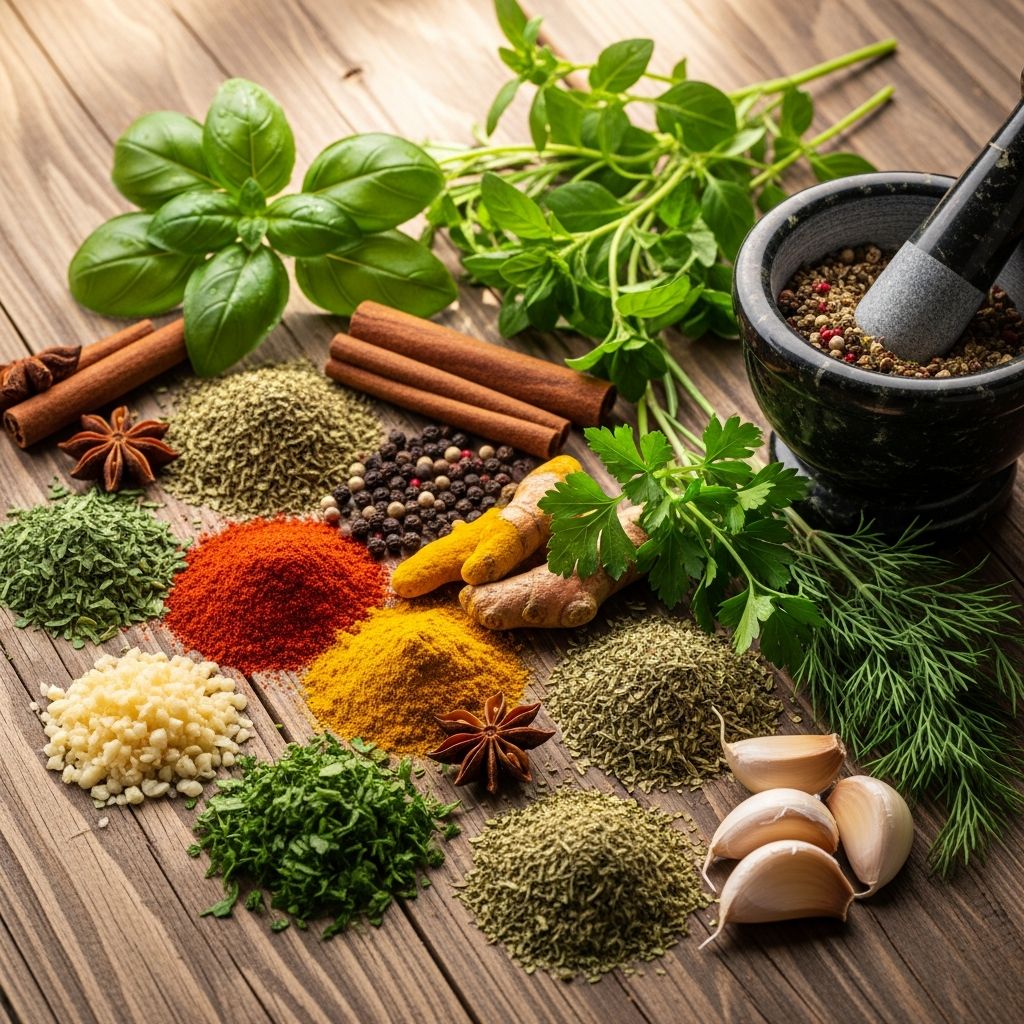
High blood pressure affects millions worldwide and increases risks for heart disease and stroke. Incorporating certain
herbs and spices
into your diet may help manage it naturally alongside lifestyle changes and medical advice. Research highlights spices like cinnamon and herbs like garlic for their potential to relax blood vessels and improve circulation.What Is Blood Pressure, and Why Does It Matter?
Blood pressure measures the force of blood against artery walls. Normal readings are below 120/80 mm Hg; hypertension is 130/80 mm Hg or higher. Chronic high blood pressure strains the heart, leading to complications like heart attacks. Diet plays a key role, with herbs and spices offering compounds that promote vasodilation and reduce inflammation.
The American Heart Association recommends a DASH diet rich in fruits, vegetables, and low-sodium spices. Studies show these natural options can lower systolic pressure by 3-8 mm Hg, comparable to some medications. Always consult a doctor before changes, especially if on medication.
Top Spices for Lowering Blood Pressure
Spices add flavor without sodium, a major hypertension culprit. Here’s a breakdown of evidence-based options.
Cinnamon
**Cinnamon** (*Cinnamomum verum*) has been used in traditional medicine for heart health. It may dilate blood vessels, improving flow. A review of nine studies with 641 participants found it reduced systolic blood pressure by 6.2 mm Hg and diastolic by 3.9 mm Hg, especially over 12 weeks. Animal studies support its relaxing effects on vessels.
Incorporate 1/2 teaspoon daily in oatmeal, tea, or yogurt. Ceylon cinnamon is preferred for lower coumarin content.
Cardamom
Cardamom, an antioxidant-rich spice, acts as a diuretic to reduce fluid retention. A 2009 study in the *Indian Journal of Biochemistry & Biophysics* showed participants taking powdered cardamom for months had significant blood pressure drops. Early research confirms its hypotensive properties.
Use in curries, rice, or chai. Start with 1/4 teaspoon ground seeds daily.
Ginger
**Ginger** (*Zingiber officinale*) improves circulation and cholesterol. As a natural calcium channel blocker, it relaxes vessels. Reviews note its blood pressure-lowering effects alongside heart benefits.
- Fresh ginger tea: Grate 1-inch piece into hot water.
- Add to stir-fries or smoothies for 1-2 grams daily.
Turmeric (Curcumin)
Turmeric’s active compound
curcumin
fights inflammation and excess platelet aggregation, aiding blood pressure. Used in curries, it supports cardiovascular health. Studies show regular intake reduces pressure via antioxidant action.Pair with black pepper for better absorption; aim for 500 mg curcumin daily via golden milk or supplements.
Cayenne Pepper
Capsaicin in
cayenne
boosts circulation through thermogenesis. It relaxes vessels, similar to spicy peppers’ effects. Use sparingly, 1/4 teaspoon in soups weekly.Black Pepper
Piperine in black pepper protects against oxidative damage and supports lipid metabolism. It aids heart recovery from pressure stress. Grind fresh over meals.
Best Herbs for Blood Pressure Control
Related Stories



Herbs provide potent compounds like allicin and rosmarinic acid for vessel relaxation.
Garlic
**Garlic** (*Allium sativum*) tops lists due to allicin, which relaxes vessels. A review of 12 studies (550+ people) found reductions of 8.3 mm Hg systolic and 5.5 mm Hg diastolic, rivaling meds. Fresh garlic outperforms processed.
- Crush 1-2 cloves daily; let sit 10 minutes before eating.
- Add to salads, sauces, or roast whole.
Basil
**Basil** (*Ocimum basilicum*) contains compounds that lower pressure in animal models. A 2023 rat study showed green basil extracts reduced hypertension. It may block calcium channels.
Fresh in pesto, salads, or smoothies: 2-4 tablespoons daily.
Parsley
**Parsley** (*Petroselinum crispum*) offers vitamin C and carotenoids. A review of 19 trials linked 0-25 mg carotenoids daily to lower systolic/diastolic pressure.
Chop into tabbouleh or juices; 1/2 cup fresh daily.
Thyme
**Thyme** (*Thymus vulgaris*) has rosmarinic acid, inhibiting ACE to widen vessels. Animal studies confirm systolic reductions. It also lowers blood sugar.
Steep 1 teaspoon in tea or season meats/veggies.
Nutmeg
**Nutmeg** provides antioxidants and anti-inflammatories for heart health and pressure reduction. Grate sparingly into desserts or savory dishes.
How to Incorporate Herbs and Spices Daily
Build habits for sustained benefits:
- Breakfast: Cinnamon in oats, ginger in smoothies.
- Lunch: Basil/parsley salads, garlic dressings.
- Dinner: Turmeric curries, thyme-roasted veggies, cardamom rice.
- Snacks: Cayenne nuts, herbal teas.
Aim for variety; track pressure to monitor effects. Combine with low-sodium cooking.
| Herb/Spice | Key Compound | Daily Dose Idea | BP Reduction (Studies) |
|---|---|---|---|
| Garlic | Allicin | 1-2 cloves | 8.3/5.5 mm Hg |
| Cinnamon | Cinnamaldehyde | 1/2 tsp | 6.2/3.9 mm Hg |
| Basil | Antihypertensives | 2 tbsp fresh | Promising in animals |
| Ginger | Gingerol | 1g fresh | Hypotensive effects |
| Thyme | Rosmarinic acid | 1 tsp | ACE inhibition |
Potential Risks and Precautions
These are generally safe but can interact with meds (e.g., garlic with blood thinners). High doses may cause GI upset. Pregnant individuals or those with conditions should consult professionals. Quality matters—opt for organic.
Frequently Asked Questions
What is the most effective herb for high blood pressure?
Garlic shows strongest evidence, reducing pressure by 8+ mm Hg in studies, similar to medications. Others like cinnamon follow closely.
Can spices replace blood pressure medication?
No, they complement but don’t replace meds. Combine with diet/exercise for best results.
How long to see effects from herbs/spices?
Benefits may appear in weeks, like 12-week cinnamon trials. Consistency is key.
Are there side effects?
Mild, like heartburn from garlic. Monitor and consult doctors.
What else lowers blood pressure naturally?
Exercise, potassium-rich foods, stress reduction alongside these spices.
The Bottom Line
Herbs and spices like
garlic, cinnamon, basil, thyme, parsley, ginger, cardamom, turmeric, cayenne, black pepper, and nutmeg
offer promising, natural support for blood pressure management. Supported by reviews and trials, they promote vessel relaxation and reduce inflammation. Integrate into a heart-healthy lifestyle for optimal results, but prioritize medical guidance.References
- 10 Spices And Herbs That May Help Lower High Blood Pressure — Healthline. 2023. https://www.healthline.com/nutrition/herbs-to-lower-blood-pressure
- Medicinal Spices That Help Lower Blood Pressure — Dr. Cynthia Thaik. 2023. https://drcynthia.com/blog/medicinal-spices-that-help-lower-blood-pressure/
- 10 Spices and Herbs that Lower Blood Pressure — A&D Medical. 2023. https://medical.andonline.com/10-spices-and-herbs-that-lower-blood-pressure/
- 10 Herbs That Can Help Lower High Blood Pressure — Vinmec. 2023. https://www.vinmec.com/eng/blog/10-herbs-that-can-help-lower-high-blood-pressure-en
Similar Articles








Read full bio of Sneha Tete