Best High-Calcium Foods That Aren’t Dairy
Discover nutrient-rich non-dairy foods packed with calcium for strong bones and optimal health.
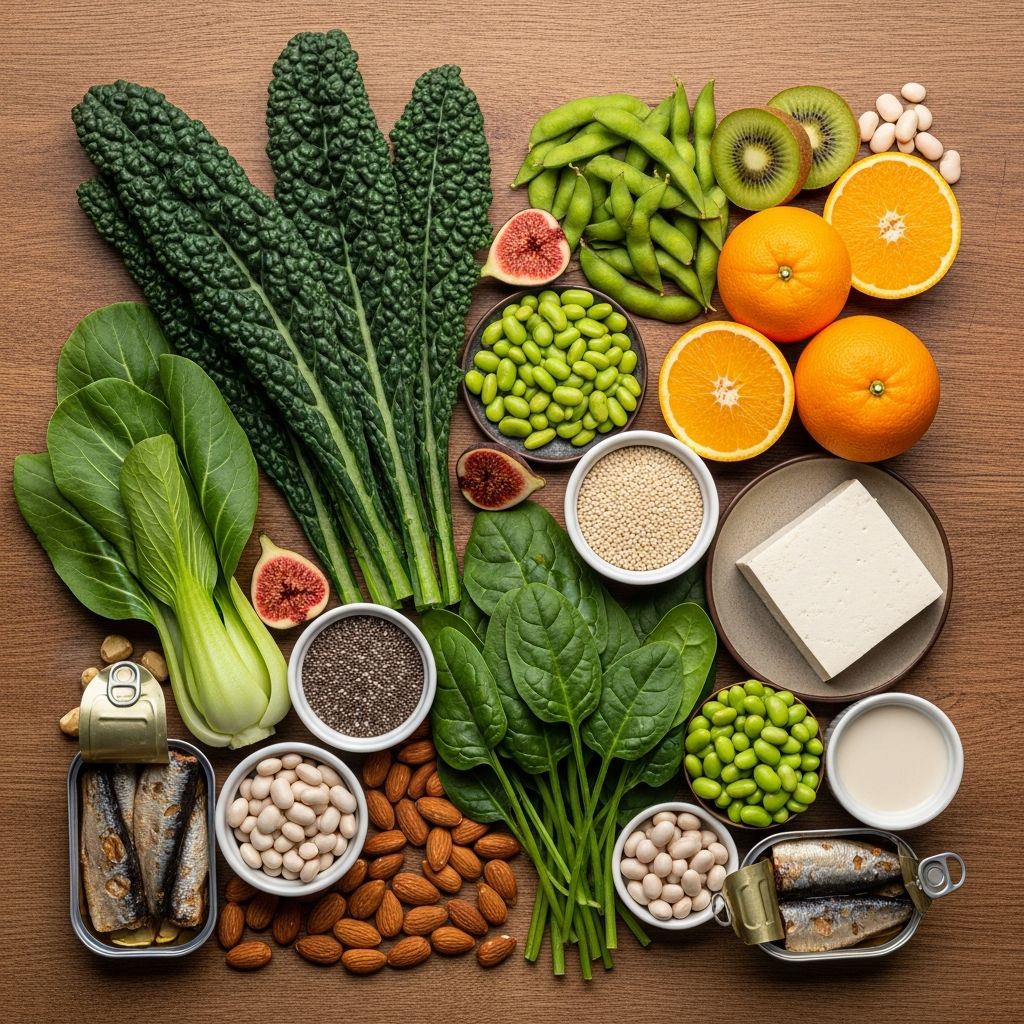
Calcium is essential for maintaining strong bones, supporting muscle function, and regulating nerve transmission. While many people rely on dairy products as their primary calcium source, approximately 72% of calcium intake in the United States comes from dairy and foods with added dairy ingredients. However, for those with lactose intolerance, dairy allergies, or those following vegan or plant-based diets, there are numerous non-dairy foods that deliver impressive amounts of this vital mineral.
The key to meeting your daily calcium needs without dairy is understanding which foods are naturally rich in calcium and which are fortified with it. Additionally, it’s important to consider calcium absorption rates, as the bioavailability of calcium varies significantly depending on the food source. For instance, absorption from dairy products and fortified foods is approximately 30%, while absorption from certain plants may be much lower due to compounds that interfere with nutrient uptake.
Seeds: Tiny Nutritional Powerhouses
Seeds are among the most concentrated sources of calcium available and can be easily incorporated into daily meals and snacks. Despite their small size, seeds deliver substantial amounts of calcium along with protein, healthy fats, and other essential nutrients.
Types of High-Calcium Seeds
- Chia Seeds: One of the most calcium-dense foods available, chia seeds contain approximately 179 mg of calcium per ounce, or about 255 mg per 100 grams. These tiny seeds are also renowned for their antioxidants, minerals, fiber, and omega-3 fatty acids, making them exceptionally versatile for smoothies, puddings, and toppings.
- Sesame Seeds: One tablespoon of sesame seeds provides 88 mg of calcium (9% of the daily value). They also deliver copper, iron, and manganese, making them a mineral-rich addition to salads, stir-fries, and grain bowls.
- Poppy Seeds: Just one tablespoon of poppy seeds contains 127 mg of calcium—13% of the recommended daily value—along with plant-based compounds and minerals.
- Celery and Sunflower Seeds: Sunflower seeds offer 109 mg of calcium per cup, while celery seeds contribute additional mineral density to your diet.
Nuts: Crunchy Calcium-Rich Snacks
Nuts provide convenient, portable sources of calcium that can be enjoyed as standalone snacks or incorporated into meals. Among all nuts, almonds rank at the top for calcium content, delivering approximately 76 mg of calcium per ounce (28 grams), or about 8% of the daily value. Beyond calcium, almonds provide 3.5 grams of fiber per ounce, healthy monounsaturated fats, protein, magnesium, manganese, and vitamin E.
Other calcium-rich nuts include hazelnuts, walnuts, pistachios, peanuts, and macadamia nuts. Research suggests that regular nut consumption may help lower blood pressure, reduce body fat, and decrease multiple risk factors for metabolic disease. Whether eaten raw, roasted, or as nut butters, these foods offer flexibility in meeting daily calcium requirements.
Leafy Greens: Nutritional Superstars
Dark, leafy greens are nutritional powerhouses that provide calcium along with vitamins, minerals, and fiber while remaining low in calories. However, not all leafy greens are created equal when it comes to calcium availability.
Best Leafy Greens for Calcium
- Collard Greens: The calcium champion among leafy greens, collard greens contain 175 mg of calcium per half-cup when cooked. They are best consumed cooked rather than raw to maximize mineral absorption.
- Kale: Raw kale delivers 52.3 mg of calcium per cup, along with vitamins A, C, and K. A fresh kale salad provides an easy, delicious way to boost calcium intake.
- Broccoli and Chinese Cabbage (Bok Choy): These cruciferous vegetables provide meaningful amounts of calcium along with other protective compounds and essential nutrients.
- Spinach: While spinach contains 29.7 mg of calcium per cup raw, it’s important to note that spinach is high in oxalates—naturally occurring compounds that bind to calcium and may interfere with its absorption. Therefore, spinach is not absorbed as efficiently as kale or collard greens.
Related Stories



Cooking Method Matters
To maximize calcium absorption from leafy greens, cooking is preferred over consuming them raw. Heat can reduce certain compounds that interfere with nutrient absorption, making cooked greens a more effective way to increase calcium intake.
Legumes: Plant-Based Protein and Calcium
Beans and lentils are members of the legume family (Fabaceae) and are recognized for their exceptional combination of protein, fiber, vitamins, minerals, and calcium. They are versatile ingredients that work well in soups, salads, side dishes, and main courses.
High-Calcium Legumes
- White Beans: One can of white beans contains approximately 191 mg of calcium, making it one of the most calcium-dense legume options.
- Cannellini Beans: These beans provide about 62 mg of calcium per 100 grams, along with substantial fiber and plant-based protein.
- Red Kidney Beans, Navy Beans, and Pinto Beans: All are excellent calcium sources and offer flexibility in meal planning.
- Lentils: One cup of cooked lentils delivers 67 mg of calcium and is renowned for its high protein content. The variety of lentil types (brown, red, green, black) makes them extremely versatile.
- Chickpeas: High in both protein and calcium, chickpeas can be roasted as snacks, added to salads, or used in traditional dishes like hummus.
Soy-Based Products: Tofu and Fortified Milks
Soy products offer multiple pathways to calcium intake, whether through whole food forms or fortified beverages. Tofu, in particular, is often prepared with calcium sulfate, significantly boosting its calcium content.
Tofu
One ounce of fried tofu contains approximately 105 mg of calcium, and tofu’s versatility makes it suitable for stir-fries, salads, smoothies, and desserts. Beyond calcium, tofu provides complete protein (all nine essential amino acids) and is rich in iron and other minerals.
Fortified Plant-Based Milks
Non-dairy beverages such as soy, almond, oat, and rice milks are frequently fortified with calcium to match or exceed the calcium content of cow’s milk. When fortified, almond milk and soy milk typically contain the highest calcium levels among plant-based milk alternatives. These beverages are perfect additions to morning coffee, cereal, smoothies, or consumed on their own. Always check the label to verify the specific calcium content, as fortification levels vary by brand.
Fortified Beverages and Juices
Fortified beverages represent an accessible way to increase calcium intake without relying on dairy. Most commercial orange juice is fortified with calcium, providing approximately 349-350 mg per serving—nearly 35% of the daily recommended intake. This makes a single glass of fortified orange juice a significant calcium contributor. Other fruit juices and plant-based milk beverages may also be fortified; always review product labels to identify calcium content and fortification levels.
Seafood: Fish with Bones
Certain canned fish products provide substantial calcium, particularly when consumed with bones. According to the National Institutes of Health, canned sardines and salmon with bones are notable non-dairy calcium sources. The bones, which are soft and edible in these preparations, contain the calcium that makes these products exceptional choices for those seeking alternative calcium sources. These fish also provide omega-3 fatty acids, vitamin D, and high-quality protein.
Whole Grains and Pseudocereals
Certain whole grains and pseudocereals contribute meaningful amounts of calcium to the diet. Amaranth, a highly nutritious pseudocereal, delivers 116 mg of calcium per cup of cooked grain (12% of the daily value). Amaranth leaves are even more impressive, providing 276 mg of calcium per cooked cup (28% of the daily value), along with vitamins A and C. This makes amaranth an excellent choice for those seeking plant-based whole grain calcium sources.
Fruits with Natural Calcium
While fruits are not typically recognized as major calcium sources, oranges and figs contain notable amounts of this mineral and can contribute to daily intake. Fresh oranges provide modest amounts of calcium, while figs are slightly higher. More significantly, most commercial orange juice products are fortified with calcium, making them one of the most practical fruit-based calcium sources available. Dried figs can also serve as calcium-rich snacks or dessert toppings.
Calcium Absorption: What You Need to Know
Understanding calcium bioavailability is crucial for maximizing the benefit of non-dairy calcium sources. Absorption rates vary significantly based on food type and preparation method:
- Dairy products and fortified foods: Approximately 30% absorption rate
- Certain plant-based foods: May be much lower due to compounds like oxalates and phytates that form indigestible salts with calcium
- Cooking methods: Heat can reduce anti-absorption compounds, making cooked vegetables more bioavailable than raw versions
Practical Tips for Meeting Daily Calcium Needs
- Diversify sources: Combine multiple calcium-rich foods throughout the day to ensure adequate intake and maximize absorption from different food types.
- Read labels: Check fortified beverage and food labels to confirm calcium content and fortification levels.
- Cook when possible: Prepare leafy greens and vegetables through cooking to enhance mineral absorption.
- Combine with vitamin D: Calcium absorption is enhanced by vitamin D. Consider foods fortified with both nutrients or appropriate supplementation.
- Avoid excessive oxalates: While spinach is nutritious, balance it with lower-oxalate greens like kale and collard greens for optimal calcium absorption.
- Include variety: Seeds, nuts, legumes, fortified beverages, and leafy greens together create a comprehensive calcium strategy.
Calcium Content Comparison Table
| Food | Serving Size | Calcium (mg) | % Daily Value |
|---|---|---|---|
| Chia Seeds | 1 ounce | 179 | 14% |
| Sesame Seeds | 1 tablespoon | 88 | 7% |
| Poppy Seeds | 1 tablespoon | 127 | 10% |
| Almonds | 1 ounce | 76 | 6% |
| Collard Greens (cooked) | ½ cup | 175 | 13% |
| Kale (raw) | 1 cup | 52 | 4% |
| White Beans (canned) | 1 can | 191 | 15% |
| Lentils (cooked) | 1 cup | 67 | 5% |
| Tofu (fried) | 1 ounce | 105 | 8% |
| Fortified Orange Juice | 1 cup | 349 | 27% |
| Fortified Soy Milk | 1 cup | 300+ | 23%+ |
| Amaranth Grain (cooked) | 1 cup | 116 | 9% |
| Canned Salmon with Bones | 3 oz | 180-210 | 14-16% |
Frequently Asked Questions
Q: How much calcium do I need daily?
A: The recommended daily intake is 1,000 mg for adults aged 19-50 and 1,200 mg for women over 50 and men over 70. Individual needs may vary; consult a healthcare provider for personalized recommendations.
Q: Can I get enough calcium without dairy or supplements?
A: Yes. By combining multiple non-dairy calcium sources—seeds, nuts, legumes, leafy greens, and fortified beverages—most people can meet daily calcium requirements without supplements or dairy products.
Q: Why is calcium absorption important?
A: Calcium absorption determines how much of the calcium you consume actually enters your bloodstream and contributes to bone health. Some foods have naturally higher absorption rates than others, making food selection important beyond just calcium quantity.
Q: Are oxalates in spinach a reason to avoid it?
A: No. Spinach is a nutritious food and should not be avoided entirely. However, it’s wise to balance spinach consumption with lower-oxalate greens like kale and collard greens to optimize calcium absorption from your diet.
Q: Which non-dairy source provides the most calcium per serving?
A: Fortified orange juice (349 mg per cup) and fortified soy milk (300+ mg per cup) are among the highest, though chia seeds (179 mg per ounce), white beans (191 mg per can), and canned salmon with bones (180-210 mg per 3 oz) are also exceptional whole food sources.
Q: Can I cook leafy greens to improve calcium absorption?
A: Yes. Cooking leafy greens like kale and collard greens reduces certain compounds that interfere with calcium absorption, making cooked preparations more bioavailable than raw salads.
Q: Are fortified plant-based milks as reliable as dairy milk for calcium?
A: Fortified plant-based milks can provide comparable calcium content to dairy milk. Always check labels, as fortification levels vary by brand and product. Both provide approximately 30% absorption rates for calcium.
References
- Calcium – Health Professional Fact Sheet — National Institutes of Health, Office of Dietary Supplements. 2024. https://ods.od.nih.gov/factsheets/Calcium-HealthProfessional/
- Top 15 Calcium-Rich Foods (Many Are Nondairy) — Healthline Media. 2024. https://www.healthline.com/nutrition/15-calcium-rich-foods
- Non-Dairy Foods That Are High In Calcium — Family Chiroworks. 2024. https://www.familychiroworks.com/non-dairy-foods-high-in-calcium/
- Health and Nutrition: Non-Dairy Foods with Calcium — Penn State Extension. 2024. https://extension.psu.edu/health-and-nutrition-non-dairy-foods-with-calcium/
- How to Get Calcium Without Dairy — 3Natives. 2024. https://3natives.com/how-to-get-calcium-without-dairy/
Similar Articles








Read full bio of Sneha Tete