6 Best High-Fiber Vegetables For Optimal Gut Health In 2025
Boost your intake with these top high-fiber vegetables that support digestion, heart health, and overall wellness.
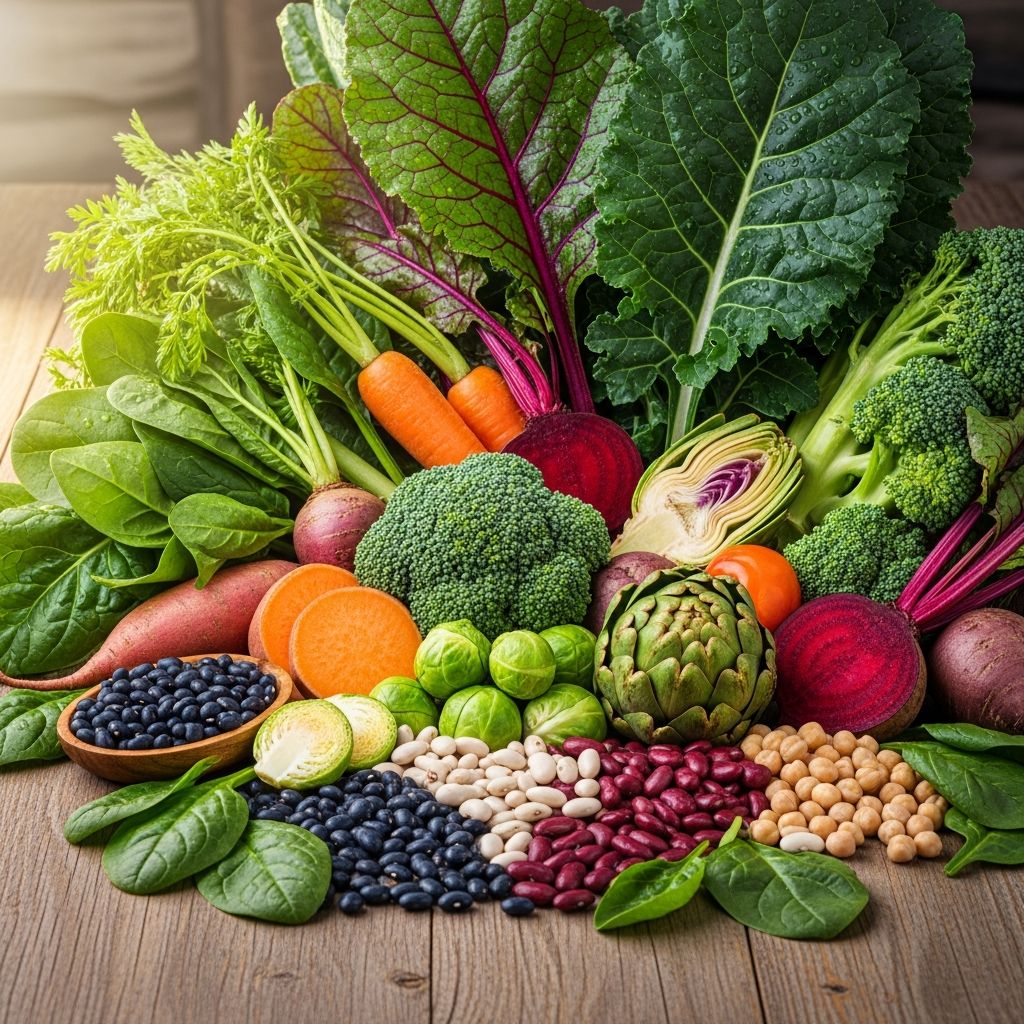
High-fiber vegetables are essential for a healthy diet, promoting better digestion, stable blood sugar levels, heart health, and weight management. These nutrient-dense foods provide soluble and insoluble fiber, which feed gut bacteria, add bulk to stool, and help control cholesterol. Most adults need 25-38 grams of fiber daily, yet average intake falls short at about 15 grams. Incorporating these top high-fiber vegetables can bridge that gap effortlessly.
What Makes a Vegetable High in Fiber?
Dietary fiber refers to indigestible plant components that pass through the digestive system largely unchanged. Soluble fiber dissolves in water to form a gel-like substance, aiding cholesterol reduction and blood sugar stabilization. Insoluble fiber adds bulk, preventing constipation and supporting regular bowel movements. High-fiber vegetables typically offer 4-10 grams per cup serving, outperforming many fruits and grains. According to the National Cancer Institute, fiber-rich produce like broccoli and Brussels sprouts also supplies vitamins, minerals, and antioxidants.
Our Dietitian’s Top Picks for High-Fiber Vegetables
These vegetables lead in fiber content per realistic serving size, drawn from USDA data and nutritional analyses. We’ve prioritized cooked or prepared portions as they’re commonly consumed, maximizing both fiber and bioavailability.
1. Artichokes (9.6g fiber per 1 cup cooked)
Artichokes top the list as the highest-fiber vegetable, delivering nearly 10 grams per medium cooked globe (about 1 cup hearts). This thistle family member provides mostly insoluble fiber for smooth digestion, plus cynarin and silymarin antioxidants that support liver health. One cup meets 34% of daily fiber needs while offering vitamin C, magnesium, and potassium.
- Health Benefits: Lowers LDL cholesterol, protects against oxidative stress, aids detoxification.
- How to Eat: Steam whole, add hearts to salads, pasta, or dips like spinach-artichoke.
- Recipe Idea: Grilled artichoke halves with lemon-garlic aioli.
2. Green Peas (8.8g fiber per 1 cup cooked)
Fresh or frozen green peas pack 8.8 grams of fiber per cup, blending soluble and insoluble types for comprehensive gut support. They’re rich in plant protein (8g per cup), vitamins A, C, K, and folate, making them a satiating side dish.
- Health Benefits: Stabilizes blood sugar, boosts satiety for weight control, supports eye health.
- How to Eat: Stir into soups, rice, or salads; mash as a spread.
- Recipe Idea: Pea and mint soup or peas with pearl onions.
3. Brussels Sprouts (6.4g fiber per 1 cup cooked)
These mini cabbages offer 6.4 grams of fiber per cup, with an even split of soluble and insoluble for optimal digestion. Loaded with sulforaphane, they combat inflammation and may reduce cancer risk.
- Health Benefits: Detoxifies liver, improves insulin sensitivity, high in vitamin K for bone health.
- How to Eat: Roast, shave into slaws, or air-fry.
- Recipe Idea: Balsamic-roasted Brussels with bacon bits.
4. Sweet Potatoes (6.3g fiber per 1 cup cooked)
Baked sweet potatoes yield 6.3 grams of fiber per cup, primarily insoluble, alongside beta-carotene for immune support. Their low glycemic index prevents blood sugar spikes.
- Health Benefits: Enhances vision, regulates bowels, provides sustained energy.
- How to Eat: Bake, mash, or spiralize into noodles.
- Recipe Idea: Sweet potato black bean bowls.
Related Stories



5. Broccoli (5.2g fiber per 1 cup cooked)
Broccoli delivers 5.2 grams of soluble fiber per cup, plus sulforaphane for chronic disease prevention. It’s a cruciferous powerhouse with vitamins C and K.
- Health Benefits: Supports detoxification, heart health, anti-cancer properties.
- How to Eat: Steam, roast, or blend into smoothies.
- Recipe Idea: Broccoli cheddar soup or stir-fry.
6. Carrots (4.8g fiber per 1 cup raw)
One cup of chopped carrots provides 4.8 grams of soluble fiber, rich in carotenoids like beta-carotene for eye and immune health.
- Health Benefits: Improves vision, reduces heart disease risk, feeds gut microbiome.
- How to Eat: Raw sticks, roasted, or juiced (eat pulp for fiber).
- Recipe Idea: Carrot ginger soup.
Other Notable High-Fiber Vegetables
- Avocado (5g per ½ cup): Creamy soluble fiber lowers cholesterol; add to toast or salads.
- Kale (4.7g per 1 cup cooked): Nutrient-dense leafy green for detox and vitamins.
- Beets (3-4g per cup): Nitrates for blood pressure; roast whole.
- Cauliflower (2.9g per cup): Versatile low-carb swap with insoluble fiber.
- Collard Greens (7.6g per cup): Southern staple for soluble fiber and iron.
High-Fiber Vegetables Comparison Table
| Vegetable | Fiber per Serving | Serving Size | Key Nutrients |
|---|---|---|---|
| Artichokes | 9.6g | 1 cup cooked | Vitamin C, Magnesium |
| Green Peas | 8.8g | 1 cup cooked | Protein, Folate |
| Brussels Sprouts | 6.4g | 1 cup cooked | Vitamin K, Sulforaphane |
| Sweet Potatoes | 6.3g | 1 cup cooked | Beta-Carotene |
| Broccoli | 5.2g | 1 cup cooked | Vitamin C, Sulforaphane |
| Carrots | 4.8g | 1 cup raw | Carotenoids |
| Avocado | 5g | ½ cup | Healthy Fats |
Health Benefits of High-Fiber Vegetables
Supports Digestion and Gut Health
Fiber bulks stool and promotes peristalsis, reducing constipation risk. Soluble fiber nourishes beneficial gut bacteria, producing short-chain fatty acids for colon health.
Helps Control Blood Sugar and Cholesterol
Soluble fiber slows sugar absorption, beneficial for diabetes management. It binds bile acids, lowering LDL cholesterol.
Promotes Heart Health and Weight Management
High-fiber diets correlate with lower cardiovascular risk and better weight control due to increased satiety.
May Reduce Cancer Risk
Cruciferous veggies like broccoli contain compounds that detoxify carcinogens, per NCI research.
Easy Ways to Add More High-Fiber Vegetables
- Start meals with a salad of mixed greens, carrots, and peas.
- Roast a tray of Brussels sprouts, broccoli, and sweet potatoes weekly.
- Blend spinach or kale into smoothies.
- Swap rice for riced cauliflower or mashed avocado.
- Snack on carrot sticks with hummus.
High-Fiber Vegetable Recipes
Roasted Vegetable Medley
Preheat oven to 400°F. Toss 1 cup each Brussels sprouts, broccoli, carrots, and sweet potato chunks with olive oil, salt, pepper. Roast 25-30 minutes. Serves 4; ~15g fiber total.
Artichoke and Pea Pasta
Sauté 1 cup artichoke hearts and peas with garlic; toss with whole-wheat pasta and lemon. ~12g fiber per serving.
Frequently Asked Questions
What’s the highest-fiber vegetable?
Artichokes provide 9.6g per cup cooked, making them the top choice.
How much fiber do I need daily?
Women: 25g, Men: 38g, per Mayo Clinic guidelines. Increase gradually to avoid bloating.
Are raw or cooked vegetables higher in fiber?
Cooked often concentrate fiber per volume, but both count. Cooking enhances some benefits like sulforaphane in broccoli.
Can high-fiber veggies help with weight loss?
Yes, their bulk promotes fullness on fewer calories.
Do canned vegetables have fiber?
Yes, similar to fresh if low-sodium; rinse to reduce salt.
References
- 16 High-Fiber Vegetables — and How They Can Benefit Your Diet — GoodRx. 2023. https://www.goodrx.com/well-being/diet-nutrition/high-fiber-vegetables
- The 12 Best Vegetables High in Fiber — ZOE. 2024. https://zoe.com/learn/vegetables-high-in-fiber
- Green Giants: Top High-Fiber Vegetables for a Healthier You — Love Wellness. 2023. https://lovewellness.com/blogs/love-wellness/high-fiber-vegetables
- 22 High Fiber Foods – Fruits, Vegetables, and More — Healthline. 2024. https://www.healthline.com/nutrition/22-high-fiber-foods
- High-Fiber Foods — National Cancer Institute (cancer.gov). 2023-05-30. https://www.cancer.gov/about-cancer/treatment/side-effects/nutrition/high-fiber-foods
- High-fiber foods — Mayo Clinic (mayoclinic.org). 2024-07-22. https://www.mayoclinic.org/healthy-lifestyle/nutrition-and-healthy-eating/in-depth/high-fiber-foods/art-20050948
Similar Articles








Read full bio of medha deb