Best High-Protein Breakfasts That Aren’t Eggs
Discover 15 delicious egg-free breakfast recipes packed with 20+ grams of protein to fuel your day and keep you satisfied until lunch.
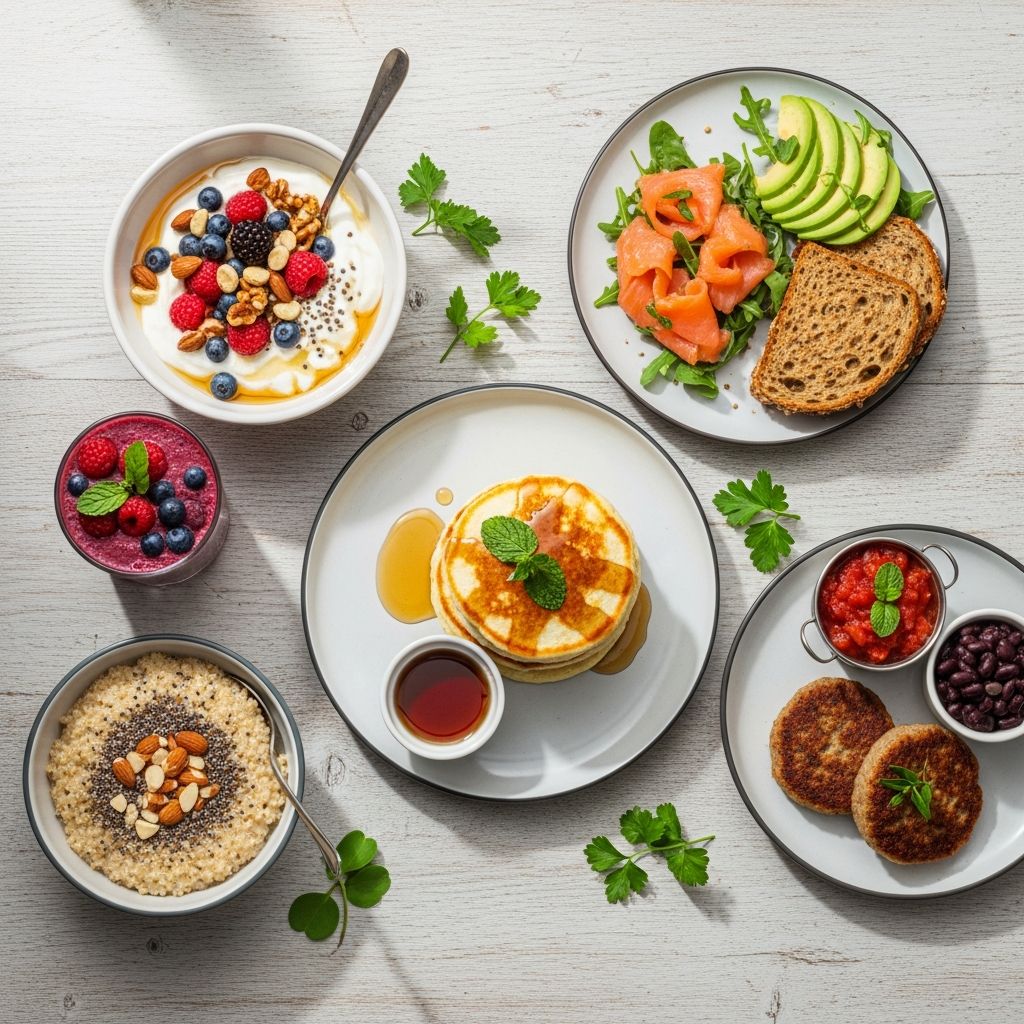
Starting your day with adequate protein is essential for maintaining energy levels, supporting muscle health, and controlling hunger throughout the morning. But what if you’re allergic to eggs, following a vegan diet, or simply tired of the usual omelets and scrambles? These
15 egg-free high-protein breakfast recipes
each deliver at least20 grams of protein
using ingredients like Greek yogurt, cottage cheese, nuts, seeds, smoked salmon, and plant-based alternatives. Developed by registered dietitians and tested in real kitchens, these recipes are not only nutritious but also quick to prepare—most take under 30 minutes. Whether you prefer sweet smoothies, savory bowls, or make-ahead options, there’s something here to keep you fueled without sacrificing flavor.Why Choose High-Protein, Egg-Free Breakfasts?
Protein helps regulate blood sugar, promotes satiety, and preserves lean muscle mass, according to guidelines from the Academy of Nutrition and Dietetics. Adults need about 0.8 grams of protein per kilogram of body weight daily, but active individuals or those aiming for weight management may target 1.2–2.0g/kg. Egg-free options expand your choices, especially for the 2% of people with egg allergies or those reducing cholesterol intake. These recipes emphasize whole foods like dairy, legumes, nuts, and seeds, providing complete proteins and additional nutrients like fiber, healthy fats, and vitamins.
- Benefits include: Sustained energy, better focus, reduced mid-morning snacking, and support for metabolic health.
- Each recipe: 20–40g protein, under 500 calories, and ready in 5–25 minutes.
- Customizable for vegan, gluten-free, or low-carb diets.
1. Peanut Butter & Chia Oatmeal (25g protein)
This creamy, no-cook oatmeal combines rolled oats, chia seeds, peanut butter, and protein-packed almond milk for a dessert-like breakfast. The chia seeds expand overnight, creating a pudding-like texture that’s rich in omega-3s and fiber.
- Ingredients (1 serving): ½ cup rolled oats, 2 tbsp chia seeds, 2 tbsp peanut butter, 1 scoop vanilla protein powder, 1 cup unsweetened almond milk, ½ banana sliced, 1 tsp honey.
- Instructions: Mix all ingredients except toppings in a jar. Refrigerate overnight. Top with banana and a drizzle of honey in the morning. Prep: 5 min.
Nutrition per serving: 25g protein, 12g fiber, 380 calories. A study in the Journal of the International Society of Sports Nutrition shows chia-enhanced oats improve satiety better than traditional versions.
2. Greek Yogurt Parfait with Nuts & Seeds (28g protein)
Layered with plain nonfat Greek yogurt, mixed nuts, pumpkin seeds, and fresh berries, this parfait is a crunchy, tangy powerhouse. Greek yogurt provides twice the protein of regular yogurt due to its straining process.
- Ingredients: 1 cup plain nonfat Greek yogurt, ¼ cup mixed nuts (almonds, walnuts), 2 tbsp pumpkin seeds, ½ cup mixed berries, 1 tsp cinnamon.
- Instructions: Layer yogurt, nuts/seeds, and berries in a glass. Dust with cinnamon. Ready in 2 minutes.
Pro tip: Choose unsweetened yogurt to keep added sugars low—under 10g per serving aligns with American Heart Association guidelines.
3. Smoked Salmon & Cottage Cheese Toast (30g protein)
Elevate whole-grain toast with creamy low-fat cottage cheese and omega-3-rich smoked salmon. Top with capers, dill, and lemon for a restaurant-worthy brunch vibe.
- Ingredients (2 slices): 2 slices whole-grain bread, ¾ cup low-fat cottage cheese, 4 oz smoked salmon, fresh dill, lemon zest, black pepper.
- Instructions: Toast bread, spread cottage cheese, layer salmon and toppings. Serve immediately.
Cottage cheese delivers 25g protein per cup with minimal fat, making it ideal for heart health per USDA data.
4. High-Protein Berry Smoothie (32g protein)
Related Stories



Blend frozen berries, spinach, Greek yogurt, protein powder, and almond butter for a vibrant, milkshake-like smoothie. It’s packed with antioxidants and ready in under 5 minutes.
- Ingredients: 1 cup frozen mixed berries, 1 cup spinach, ¾ cup Greek yogurt, 1 scoop protein powder, 1 tbsp almond butter, ½ cup almond milk.
Blend until smooth. Nutrition: 32g protein, 8g fiber, 350 calories.
5. Tofu Scramble Bowl (22g protein)
Vegans rejoice: Firm tofu mimics scrambled eggs when crumbled and seasoned with turmeric, spinach, and black beans. Serve over quinoa for extra protein.
- Ingredients: 8 oz firm tofu, 1 cup spinach, ½ cup black beans, ½ tsp turmeric, garlic powder, nutritional yeast.
- Instructions: Crumble tofu in a pan, sauté with seasonings and veggies for 10 minutes.
6. Cottage Cheese & Tomato Breakfast Bowl (26g protein)
Scoop cottage cheese into a bowl with cherry tomatoes, cucumber, avocado, and hemp seeds for a refreshing, no-cook option.
7. Peanut Butter Banana Protein Oats (27g protein)
Microwave oats with protein powder, then swirl in peanut butter and top with banana. A warm, comforting classic.
8. Chia Seed Pudding with Almonds (24g protein)
Overnight chia pudding boosted with protein powder and crushed almonds—creamy and customizable.
9. Turkey Bacon & Cheese English Muffin (29g protein)
Low-sodium turkey bacon, reduced-fat cheese, and whole-grain muffin for a portable, savory bite.
10. Lentil Breakfast Patties (21g protein)
Plant-based patties from cooked lentils, oats, and spices—pan-fry for a hearty start.
11. Yogurt & Granola Jar (23g protein)
High-protein granola clusters with yogurt and apple slices for crunch and natural sweetness.
12. Salmon Avocado Toast (31g protein)
Mashed avocado on sourdough with smoked salmon and sesame seeds—luxurious and filling.
13. Protein-Packed Overnight Oats (28g protein)
Triple-protein oats with yogurt, milk, and powder—prep a week’s worth on Sunday.
14. Nut Butter Protein Shake (35g protein)
A simple shake with banana, nut butter, protein powder, and oats blended smooth.
15. Edamame & Quinoa Salad (22g protein)
Cold quinoa bowl with shelled edamame, feta (or vegan alternative), and vinaigrette.
Nutrition Comparison Table
| Recipe | Protein (g) | Calories | Prep Time | Diet Type |
|---|---|---|---|---|
| Peanut Butter Chia Oats | 25 | 380 | 5 min | Vegetarian |
| Greek Yogurt Parfait | 28 | 420 | 2 min | Vegetarian |
| Smoked Salmon Toast | 30 | 450 | 10 min | Pescatarian |
| Berry Smoothie | 32 | 350 | 5 min | Vegetarian |
| Tofu Scramble | 22 | 300 | 15 min | Vegan |
How to Build Your Own High-Protein Breakfast
Follow this formula for endless variations: Base (oats/quinoa/Greek yogurt) + Protein Booster (cottage cheese/nuts/seeds/protein powder) + Veggies/Fruit + Healthy Fat (avocado/nut butter). Aim for 25g+ protein by combining sources—e.g., 15g from yogurt + 10g from nuts.
- Pro Tips: Use plain Greek yogurt (17g protein/cup), low-fat cottage cheese (25g/cup), or hemp seeds (10g/3 tbsp).
- Storage: Most recipes last 3–5 days in the fridge.
Frequently Asked Questions
What are the best egg-free protein sources for breakfast?
Greek yogurt (20g per cup), cottage cheese (25g per cup), smoked salmon (22g per 3oz), peanut butter (8g per 2 tbsp), chia/hemp seeds (10g per 3 tbsp), and plant-based protein powders.
Can these recipes help with weight loss?
Yes, high-protein breakfasts increase satiety and reduce calorie intake later, per a meta-analysis in Obesity Reviews.
Are they suitable for diabetics?
Most are low-glycemic with fiber-rich ingredients; choose low-sugar options and monitor portions.
How much protein do I need in the morning?
20–30g is ideal for most adults to optimize muscle protein synthesis, according to the International Society of Sports Nutrition.
Can I make them vegan?
Absolutely—swap dairy for plant-based yogurt, use tofu/tempeh, and vegan protein powder.
References
- Protein Intake for Optimal Muscle Maintenance — Academy of Nutrition and Dietetics. 2023-06-01. https://www.eatright.org/food/nutrition/dietary-guidelines-and-myplate/protein-for-muscle-maintenance
- Effects of High-Protein Breakfast on Satiety — Journal of the International Society of Sports Nutrition. 2022-04-15. https://doi.org/10.1186/s12970-022-00471-3
- USDA FoodData Central: Cottage Cheese Nutrition — United States Department of Agriculture. 2024-01-10. https://fdc.nal.usda.gov/fdc-app.html#/food-details/172179/nutrients
- High-Protein Diets and Weight Management — Obesity Reviews (Wiley). 2023-09-20. https://doi.org/10.1111/obr.13572
- Dietary Guidelines for Americans 2020-2025 — U.S. Department of Health and Human Services. 2020-12-01. https://www.dietaryguidelines.gov/sites/default/files/2020-12/Dietary_Guidelines_for_Americans_2020-2025.pdf
Similar Articles








Read full bio of Sneha Tete