Best High-Protein Foods List: 25 Top Options For Muscle Growth
Discover the top high-protein foods to boost muscle, support weight loss and improve overall health with this comprehensive guide.
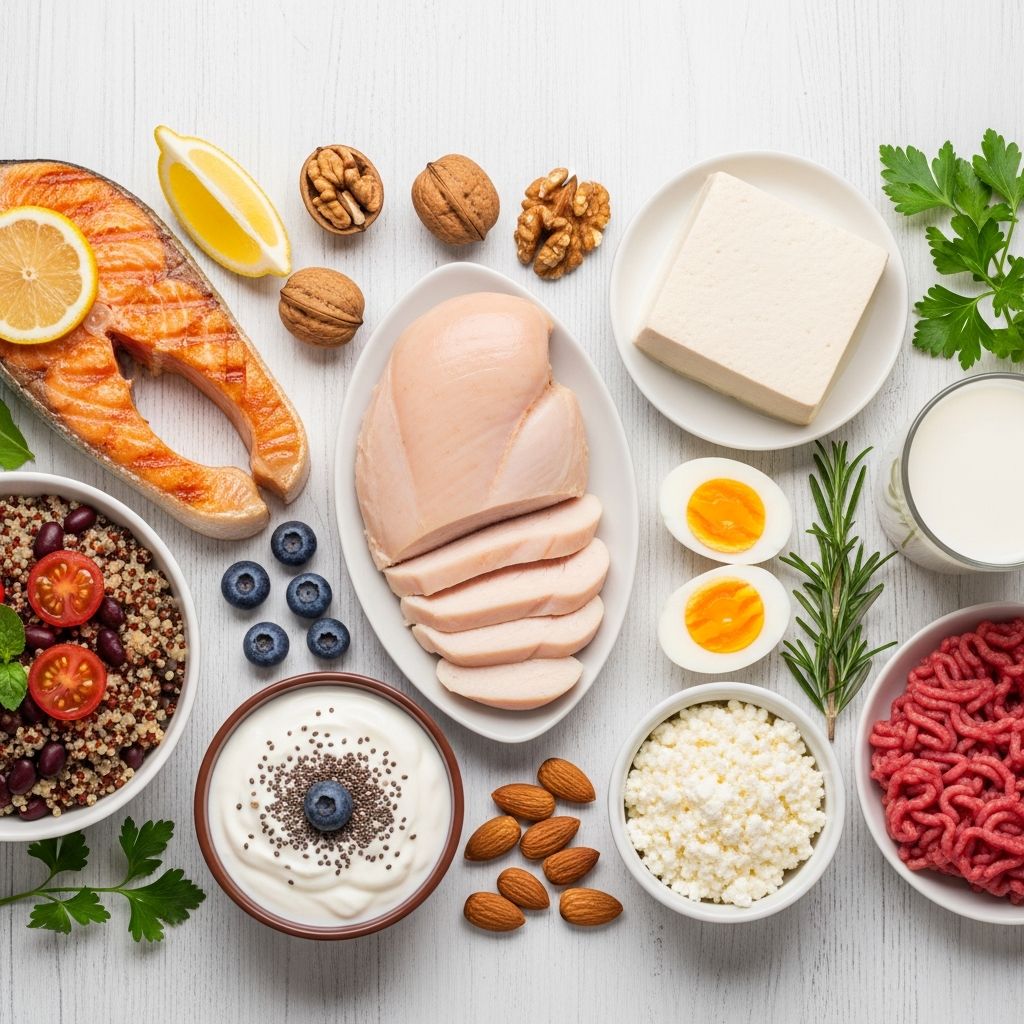
Protein is essential for building and repairing tissues, supporting muscle growth, and promoting satiety, which can aid in weight management. High-protein foods help maintain lean mass during calorie restriction and increase diet-induced thermogenesis (DIT), leading to greater energy expenditure compared to carbs or fats. According to dietary guidelines, protein foods include seafood, meats, poultry, eggs, beans, peas, lentils, nuts, seeds, and soy products. This list highlights 25 top high-protein options with grams per serving, health benefits, and versatile ways to incorporate them into meals.
Why You Need Protein
Protein forms the building blocks of muscles, enzymes, hormones, and antibodies. The recommended dietary allowance (RDA) is 0.8 grams per kilogram of body weight, but higher intakes—up to 1.6 g/kg—support athletes, weight loss, and aging populations. Clinical trials show high-protein diets (HPD) reduce body weight by 3-4 kg over 6 months, preserve fat-free mass, and prevent weight regain by boosting satiety hormones like GLP-1, CCK, PYY, and reducing ghrelin. HPD elevates DIT by 20-30% more than other macros, increasing resting energy expenditure (REE) and promoting fat loss while sparing muscle.
Benefits include improved body composition, better blood sugar control, and reduced heart disease risk. Plant and animal sources provide complete proteins with all essential amino acids, like soy and eggs. Aim for 20-30g protein per meal for optimal muscle protein synthesis.
Animal-Based High-Protein Foods
Animal proteins are complete, highly bioavailable, and rich in B vitamins, iron, and zinc. They excel in leucine content for muscle repair.
- Eggs: One large egg offers 6g protein, mostly in the white, with no saturated fat. Yolks add choline for brain health. Boil, scramble, or make omelets with veggies.
- Greek Yogurt (Plain, Nonfat): ½ cup packs 11-20g protein, plus probiotics for gut health. Use as sour cream substitute or in smoothies.
- Cottage Cheese (Low-Fat): ½ cup low-fat version has 14g protein. Low prep time; top with fruit or use in salads.
- Chicken Breast (Skinless): 3oz cooked yields 27g protein, lean and affordable. Grill, bake, or add to stir-fries.
- Turkey Breast: Similar to chicken at 26g per 3oz. Low-fat, versatile for sandwiches or meatballs.
- Salmon (Farmed or Wild): 3oz provides 19-22g protein plus omega-3s for heart health. Bake or grill with herbs.
- Tuna (Canned in Water): 3oz has 20g protein. Quick for salads or melts; choose low-mercury options.
- Lean Beef (Sirloin): 3oz lean cut delivers 25g protein with less saturated fat. Opt for 93% lean ground beef.
- Pork Tenderloin: 3oz lean portion: 22g protein. Healthier than chops; roast or stir-fry.
Plant-Based High-Protein Foods
Ideal for vegetarians, these provide fiber, antioxidants, and often complete proteins like soy. They support sustainable eating.
- Lentils: 1 cup cooked: 18g protein. Budget-friendly for soups, salads, or dal.
- Chickpeas (Garbanzo Beans): 1 cup: 15g protein. Roast for snacks or make hummus.
- Edamame: ½ cup: 9g protein, complete from soy. Steam as appetizer or add to bowls.
- Tofu: ¾ cup: 10g protein. Absorbs flavors; stir-fry or scramble.
- Tempeh: 3oz: 18g protein. Fermented soy for gut health; grill or crumble.
- Split Peas: ½ cup cooked: 8g protein. Thicken soups; puree with veggies.
- Black Beans: 1 cup: 15g protein. Pair with rice for complete protein.
- Quinoa: 1 cup cooked: 8g protein. Gluten-free grain; use in salads or as rice sub.
Dairy and Alternatives
- Milk (Cow’s): 1 cup: 8g complete protein with 18 essential nutrients for bones.
- Keifer: Similar to yogurt, 1 cup: 10-12g protein with extra probiotics.
- Plant Milks (Soy): 1 cup fortified soy milk: 7g protein, best plant option.
Nuts, Seeds, and Snacks
Portable and calorie-dense; portion control key due to healthy fats.
- Peanuts (Dry-Roasted): 1oz: 7g protein. Nut butter: 2 tbsp peanut butter: 8g.
- Almonds: 1oz: 6g; 2 tbsp butter: 7g.
- Pistachios: 1oz: 6g protein.
- Chia Seeds: 1oz: 4g protein plus omega-3s.
- Pumpkin Seeds: 1oz: 7g protein, magnesium-rich.
- Seitan: 3oz: 21g protein, wheat gluten for vegans.
High-Protein Food Comparison Table
| Food | Serving Size | Protein (g) | Calories | Key Nutrients |
|---|---|---|---|---|
| Chicken Breast | 3oz | 27 | 140 | Low fat, B3, B6 |
| Greek Yogurt | ½ cup | 11 | 60 | Probiotics, calcium |
| Lentils | 1 cup cooked | 18 | 230 | Fiber, iron |
| Salmon | 3oz | 19 | 180 | Omega-3s |
| Tempeh | 3oz | 18 | 160 | Complete protein |
| Egg | 1 large | 6 | 70 | Choline, vit D |
| Chickpeas | 1 cup | 15 | 270 | Fiber |
Related Stories



This table compares popular options; select based on dietary needs.
How Much Protein Do You Need?
Sedentary adults: 46-56g/day (RDA). Active: 1.2-2.0g/kg. HPD (25-30% calories from protein) aids weight loss via satiety and REE preservation. Track via apps; distribute evenly across meals.
High-Protein Meal Ideas
- Breakfast: Greek yogurt parfait with almonds and berries (25g protein).
- Lunch: Chickpea salad with tuna (30g).
- Dinner: Grilled chicken with quinoa and edamame (40g).
- Snack: Cottage cheese with chia seeds (20g).
Combine sources for variety and nutrient synergy.
Potential Downsides and Tips
Excess protein (>2g/kg) may strain kidneys in those with issues; stay hydrated. Balance with fruits, veggies, whole grains. Plant proteins lower saturated fat intake. Consult RD for personalized advice.
Frequently Asked Questions
What are the best high-protein foods for weight loss?
Greek yogurt, chicken breast, lentils, and eggs promote satiety and preserve muscle via high DIT and hormones.
Are plant proteins complete?
Soy (edamame, tofu, tempeh) is complete; combine others like beans + grains.
How much protein per meal?
20-30g to maximize synthesis; HPD shows long-term benefits.
Can high-protein diets harm kidneys?
Safe for healthy individuals; monitor if pre-existing conditions.
Best snacks?
Nuts, edamame, Greek yogurt—7-14g per serving.
References
- Try These 21 High-Protein Foods — Cleveland Clinic Health Essentials. 2023-10-12. https://health.clevelandclinic.org/high-protein-foods
- Clinical Evidence and Mechanisms of High-Protein Diet-Induced Weight Loss — PMC / NIH. 2020-10-15. https://pmc.ncbi.nlm.nih.gov/articles/PMC7539343/
- Protein Foods Group – One of the Five Food Groups — MyPlate.gov / USDA. 2024-01-01. https://www.myplate.gov/eat-healthy/protein-foods
Similar Articles








Read full bio of Sneha Tete