Best Low-Carb Vegetables: 20 Keto-Friendly Picks Ranked
Discover the top low-carb vegetables packed with nutrients to support keto, low-carb diets and weight loss goals effectively.
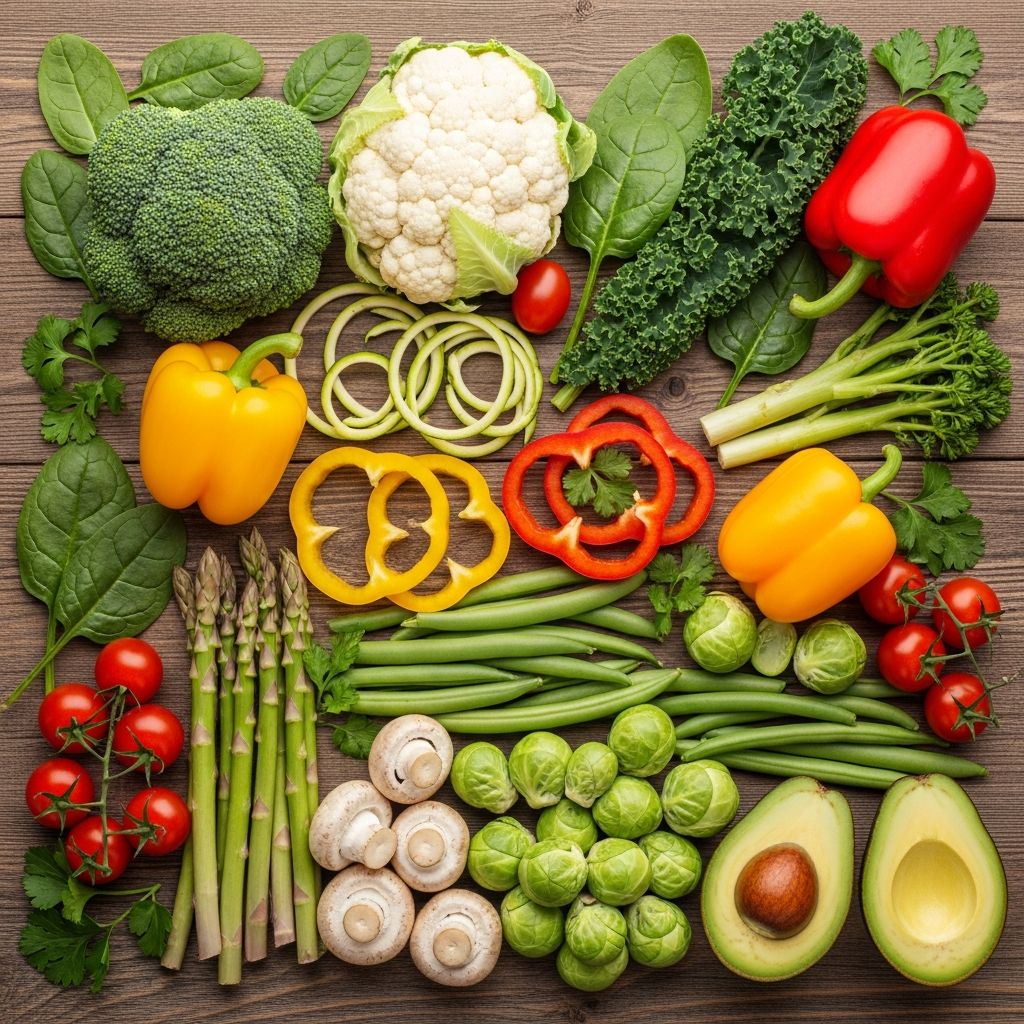
Low-carb vegetables are essential for anyone following a ketogenic diet, low-carb eating plan, or simply aiming to reduce carbohydrate intake while maximizing nutrient density. These veggies provide fiber, vitamins, minerals, and antioxidants with minimal impact on blood sugar levels. Unlike starchy vegetables, low-carb options like leafy greens and cruciferous varieties help you stay full, support digestion, and prevent nutrient deficiencies common on restrictive diets.
All vegetables contain some carbohydrates, but
net carbs
—calculated as total carbs minus fiber—determine their suitability for low-carb lifestyles. Aim for vegetables with 5 grams or fewer net carbs per serving to maintain ketosis or carb limits. Registered dietitians emphasize prioritizing non-starchy, green, and leafy vegetables for optimal health benefits.What Makes a Vegetable Low-Carb?
Low-carb vegetables typically have high water content, fiber, and low sugar. Leafy greens, broccoli, cauliflower, and zucchini top the list due to their low glycemic impact. They deliver essential micronutrients like
vitamin C
,vitamin K
,potassium
, andmagnesium
crucial for electrolyte balance on keto diets. Incorporating a variety ensures balanced nutrition without exceeding daily carb allowances, often 20-50 grams net carbs.Benefits include weight loss support through low calories and high volume, improved gut health from fiber, and reduced inflammation from antioxidants. Studies from the USDA highlight how these veggies contribute to heart health and disease prevention when consumed regularly.
20 Best Low-Carb Vegetables Ranked by Net Carbs
Here’s a comprehensive list of the best low-carb vegetables, ranked from lowest to highest net carbs per realistic serving. Each includes nutritional highlights and serving tips.
1. Lettuce
Net carbs: ~1g per 2 cups. Lettuce is a staple for salads and wraps, offering hydration and vitamins A and K with negligible calories. Use romaine or butter lettuce for crunchy taco shells or burger wraps.
2. Spinach
Net carbs: 0.96g per 3 cups. This leafy green is nutrient powerhouse with iron, folic acid, vitamin K, and manganese. Sauté, blend into smoothies, or eat raw for maximum benefits.
3. Swiss Chard
Net carbs: ~1.5g per cup. Packed with antioxidants and vitamins A, C, K. Its earthy flavor shines in stir-fries or as a kale alternative.
4. Kale
Net carbs: ~2g per cup. Known for cancer-fighting compounds, kale provides calcium and vitamin C. Massage for salads or bake into chips.
5. Celery
Net carbs: 2.02g per 2 stalks. Crunchy and hydrating, celery is ideal for snacks with dips like almond butter. Rich in vitamin C and electrolytes.
6. Cucumber
Net carbs: ~2.5g per cup sliced. Refreshing and low-calorie, cucumbers add crunch to salads or can be spiralized into noodles.
7. Asparagus
Net carbs: ~2.5g per 5 spears. Supports digestion with prebiotic fiber and provides folate and vitamins A, C, E, K. Grill or roast for best flavor.
Related Stories



8. Cabbage
Net carbs: 2.31g per cup shredded. Versatile for slaws, stir-fries, or wraps. Excellent source of vitamin C (over 30% DV per serving).
9. Cauliflower
Net carbs: 2.98g per cup. A keto superstar for rice, mash, or pizza crust. High in fiber, B vitamins, and choline for brain health.
10. Zucchini
Net carbs: ~3g per 3/4 cup. Spiralize into zoodles or grill slices. Good source of vitamin C and versatile in any dish.
11. Broccoli
Net carbs: 3.67g per cup. Excellent for vitamins C and K, supporting immunity and bone health. Steam, roast, or rice it.
12. Carrots
Net carbs: 3.75g per 1/2 cup. Beta-carotene converts to vitamin A (184% DV), acting as an antioxidant. Eat raw or roasted sparingly.
13. Mushrooms
Net carbs: ~3-4g per cup. Umami-rich and low-calorie, mushrooms provide B vitamins and selenium. Sauté as a meat substitute.
14. Green Beans
Net carbs: ~4g per cup. Crisp and fibrous, they offer vitamin C and K. Blanch or stir-fry for tenderness.
15. Bell Peppers
Net carbs: ~4-6g per cup (green lowest). Colorful source of vitamin C. Use in fajitas or stuffed recipes.
16. Jicama
Net carbs: 5g+ per cup. Crisp root veggie with vitamin C and potassium. Slice for dips.
17. Artichokes
Net carbs: ~5g per medium. Heart-healthy with cynarin for liver support. Steam or grill hearts.
18. Brussels Sprouts
Net carbs: 5g per 3/4 cup. Fiber-rich (3g) with 120% DV vitamin C. Roast for caramelization.
19. Avocado
Net carbs: ~2g per half (technically fruit). Healthy fats make it keto-friendly. Though higher carb, net is low.
20. Eggplant
Net carbs: ~5g per cup. Spongy texture absorbs flavors. Grill or bake for low-carb lasagna.
Low-Carb Vegetable Nutrition Comparison Table
| Vegetable | Serving Size | Net Carbs (g) | Key Nutrients |
|---|---|---|---|
| Spinach | 3 cups | 0.96 | Vit K, Iron, Folate |
| Celery | 2 stalks | 2.02 | Vit C, Potassium |
| Cabbage | 1 cup | 2.31 | Vit C (33% DV) |
| Cauliflower | 1 cup | 2.98 | Fiber, Choline |
| Broccoli | 1 cup | 3.67 | Vit C & K |
| Brussels Sprouts | 3/4 cup | 5 | Vit C (120% DV) |
Easy Low-Carb Vegetable Recipes
- Cauliflower Fried Rice: Pulse cauliflower, stir-fry with eggs, soy sauce, and green onions. Under 5g net carbs per serving.
- Zucchini Noodles with Pesto: Spiralize zucchini, toss in basil pesto and cherry tomatoes.
- Roasted Brussels Sprouts: Toss with olive oil, salt, roast at 400°F for 20 mins.
- Broccoli Cheddar Soup: Blend steamed broccoli with cheese and cream.
- Stuffed Bell Peppers: Fill with ground meat and cauliflower rice.
Tips for Incorporating Low-Carb Veggies Daily
- Start meals with a large salad using spinach, lettuce, cucumber.
- Swap grains for cauliflower rice or zucchini noodles.
- Roast trays of broccoli, Brussels sprouts weekly.
- Snack on celery with nut butter or jicama sticks.
- Blend kale or spinach into smoothies for hidden nutrition.
Stocking up ensures variety and adherence to low-carb goals. These veggies aid weight loss by providing volume and satiety with few calories.
Frequently Asked Questions (FAQs)
What are the lowest carb vegetables?
Leafy greens like spinach (0.96g net per 3 cups) and lettuce top the list, followed by celery and cabbage.
Are carrots low carb?
Moderately—3.75g net per half cup. Enjoy occasionally for vitamin A benefits.
Can I eat unlimited low-carb veggies on keto?
Most yes, but track total net carbs to stay under daily limits. Prioritize under 5g per serving.
Are tomatoes low carb?
~4g net per cup; use sparingly.
How do I calculate net carbs?
Total carbs minus fiber (and half sugar alcohols if any).
References
- 20 Low Carb Vegetables — WeightWatchers (WW USA). 2024. https://www.weightwatchers.com/us/blog/food/low-carb-vegetables
- Dietary Guidelines for Americans, 2020-2025 — United States Department of Agriculture (USDA). 2020-12-01. https://www.dietaryguidelines.gov/sites/default/files/2020-12/Dietary_Guidelines_for_Americans_2020-2025.pdf
- Net Carbs in Vegetables — USDA FoodData Central. 2025-01-15. https://fdc.nal.usda.gov/
- Ketogenic Diet and Vegetable Intake — National Institutes of Health (NIH), PubMed. 2023-05-20. https://pubmed.ncbi.nlm.nih.gov/37050829/
- Low-Carbohydrate Diets and Vegetable Nutrition — Harvard T.H. Chan School of Public Health. 2024-03-10. https://www.hsph.harvard.edu/nutritionsource/carbohydrates/low-carbohydrate-diets/
Similar Articles








Read full bio of Sneha Tete