Best Low-Sodium Cheeses According to a Dietitian
Discover the healthiest low-sodium cheese options recommended by registered dietitians.
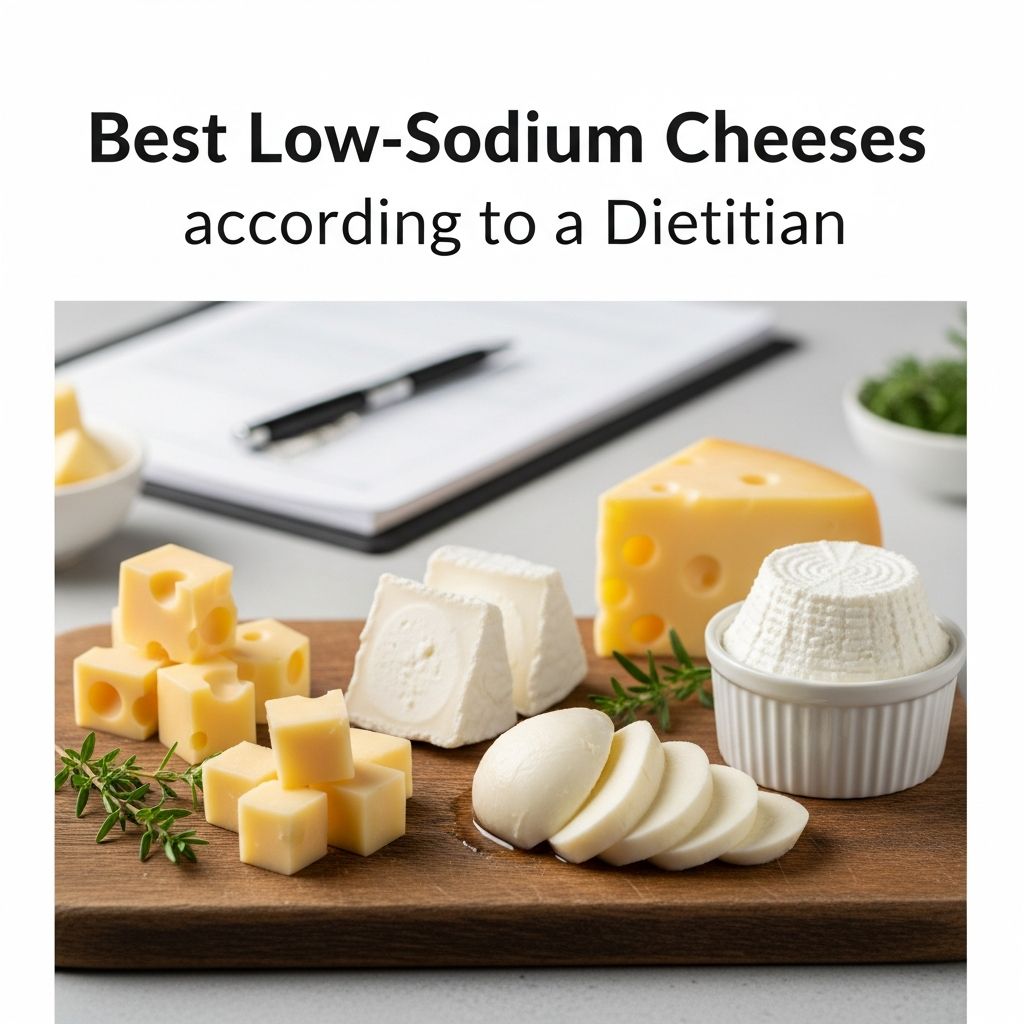
Cheese lovers often struggle with the challenge of finding delicious options that don’t compromise their health goals, particularly when managing sodium intake. While cheese is renowned for its rich flavor and creamy texture, many varieties are loaded with sodium—a mineral that plays a critical role in cheese production but can contribute to high blood pressure and cardiovascular health concerns when consumed in excess. The good news is that several low-sodium cheese varieties can satisfy your cravings while supporting your dietary objectives.
According to registered dietitians, the key to enjoying cheese while maintaining a low-sodium diet isn’t about eliminating cheese altogether but rather making informed choices about which varieties to incorporate into your meals. This comprehensive guide explores the best low-sodium cheese options, their nutritional profiles, and practical strategies for enjoying cheese as part of a heart-healthy diet.
Understanding Sodium in Cheese
Salt plays a fundamental role in cheese production. It adds flavor, helps dry the milk curds, and helps kill bacteria when there’s a cheese brine. However, salt’s chemical makeup is approximately 40 percent sodium and 60 percent chloride, which means most traditional cheeses contain significant amounts of sodium.
The U.S. Food and Drug Administration (FDA) recommends that most people consume less than 2,300 milligrams of sodium per day. According to FDA guidelines, a serving of cheese that contains 5 percent of the daily value (115 milligrams) or less of sodium is considered low-sodium, while a serving containing 20 percent of the daily value (460 milligrams) or more is considered high in sodium.
Top Low-Sodium Cheese Choices
Swiss Cheese
Swiss cheese stands out as one of the best low-sodium options available. With only 15.12 mg of sodium per cup (shredded), Swiss cheese provides exceptional nutritional value. A one-cup serving of low-sodium Swiss cheese contains 30.67 grams of protein, making it an excellent choice for those seeking high-protein options without excessive sodium intake. Additionally, Swiss cheese provides 1,037.88 mg of calcium per cup, supporting bone health and contributing to daily calcium requirements.
Fresh Mozzarella
Fresh mozzarella is recommended by registered dietitians as a versatile low-sodium cheese option. This cheese is rich in both protein and calcium while being lower in sodium than many other varieties. Registered dietitian Chelsey Amer specifically recommends fresh mozzarella as the healthiest option for sandwiches, noting its superior nutritional profile compared to processed cheese alternatives.
Ricotta Cheese
Ricotta cheese is a minimally processed option that offers lower fat content while maintaining good protein levels. As a fresh cheese, ricotta requires less extensive processing than aged varieties, making it an excellent choice for those seeking less processed cheese options. The relatively simple production method means ricotta naturally contains lower sodium levels compared to aged cheeses.
Goat Cheese
Among mountain-style cheeses, goat cheese ranks as naturally lower in sodium than many conventional options. This tangy cheese provides a distinctive flavor profile that can add significant taste to dishes without requiring excessive quantities. Because goat cheese delivers substantial flavor intensity, a small amount can satisfy culinary desires while keeping sodium consumption minimal.
Related Stories



Cottage Cheese
Cottage cheese deserves special attention among low-sodium options. According to registered dietitians, cottage cheese is high in protein and offers excellent satiety properties. A 100-calorie serving of cottage cheese provides approximately 13 grams of protein—significantly more than “cheese board” cheeses like mozzarella, gouda, feta, or goat cheese, which contain only about 4-8 grams of protein per 100-calorie serving. Low-sodium cottage cheese varieties specifically formulated for reduced salt content make this an exceptional choice for health-conscious consumers.
Cream Cheese
Cream cheese appears on the list of naturally low-sodium cheese options. This spreadable cheese can be incorporated into both sweet and savory dishes, providing versatility for various culinary applications while maintaining lower sodium levels.
Brick Cheese
Brick cheese is identified as a low-sodium variety that remains relatively underutilized in American kitchens. This semi-firm cheese offers a mild flavor and good melting properties, making it suitable for various applications from sandwiches to cooking.
Mountain-Style Cheeses
Beyond traditional varieties, mountain-style cheeses such as Gruyère and simple Swiss varieties are naturally much lower in sodium than many other cheese options. These artisanal cheese styles often rely on traditional production methods that result in naturally lower sodium content.
Cheeses to Limit
High-Sodium Cheese Varieties
Certain cheeses warrant caution for those monitoring sodium intake. American cheese tends to be higher in both sodium and saturated fat compared to other varieties. In fact, most American cheese isn’t technically “cheese” but rather “processed cheese food product” because it doesn’t meet the standard of identity for cheese established by the Food & Drug Administration. A single slice of American cheese contains approximately 260 mg of sodium.
Feta, blue, and parmesan cheeses are also especially high in sodium. One ounce of feta cheese contains about 320 mg of sodium, blue cheese provides 325 mg per ounce, and parmesan cheese contains 510 mg per ounce. However, these intensely flavored cheeses warrant special consideration: because they deliver substantial flavor impact, using smaller quantities can actually reduce overall sodium consumption compared to using larger amounts of milder cheeses.
Low-Fat Cheese Paradox
Interestingly, low-fat versions of cheese generally contain more sodium than their full-fat counterparts. For example, one ounce of regular cheddar cheese contains 180 mg of sodium, while low-fat cheddar contains nearly 250 mg. This occurs because fat helps food taste good; when fat is reduced, manufacturers often add sodium and sugar to compensate for the lost flavor and texture.
Nutritional Comparison of Popular Cheeses
| Cheese Type | Sodium per Serving | Protein | Best Use |
|---|---|---|---|
| Swiss Cheese | 15 mg (per cup shredded) | 31 g (per cup) | Sandwiches, melting |
| Fresh Mozzarella | Low (varies by brand) | High | Sandwiches, salads |
| Cottage Cheese | Low-sodium varieties available | 13 g (per 100 cal) | Breakfast, snacks |
| Goat Cheese | Low | Moderate | Salads, appetizers |
| Ricotta Cheese | Low | Moderate-High | Cooking, desserts |
| Feta Cheese | 320 mg (per oz) | Moderate | Flavor accent (small amounts) |
| Parmesan Cheese | 510 mg (per oz) | High | Flavor accent (small amounts) |
Practical Tips for Choosing Low-Sodium Cheese
Read Nutrition Labels
Always check the nutrition facts panel for sodium content. Look for options with less than 140 mg of sodium per serving according to FDA guidelines, or aim for cheeses providing no more than 5 percent of the daily recommended sodium value.
Consider Flavor Intensity
As registered dietitian Chelsey Amer notes, “Most cheeses are within a slim margin of each other when it comes to protein, sodium, and fat content. So prioritize flavor and satisfaction because a little bit can go a long way.” Choosing intensely flavored cheeses means smaller portions can deliver greater satisfaction.
Embrace Specialty and Artisanal Options
Mountain-style and artisanal cheeses often naturally contain lower sodium than mass-produced varieties. Exploring specialty cheese options can introduce new flavors while supporting your dietary goals.
Choose Fresh Over Aged
Fresh cheeses like mozzarella, ricotta, and chèvre typically contain less sodium than aged varieties because they undergo less extensive processing and brining.
Is Cheese Good for You?
The question of whether cheese is healthy doesn’t have a simple yes-or-no answer. Like most foods, cheese offers both benefits and potential drawbacks depending on quantity consumed and individual dietary needs. Cheese provides significant protein, calcium, and other essential nutrients. However, it can also be high in saturated fat and sodium when consumed in excess.
The key principle is moderation. Incorporating cheese into a balanced diet—prioritizing low-sodium varieties and being mindful of portion sizes—allows cheese lovers to enjoy this nutritious food while supporting their health objectives.
Frequently Asked Questions
Q: What makes a cheese “low-sodium”?
A: According to FDA guidelines, a serving of cheese with 5 percent of the daily value (115 milligrams) or less of sodium is considered low-sodium. Some retailers define low-sodium as anything under 140 mg per serving.
Q: Can I eat high-sodium cheeses on a low-sodium diet?
A: Yes, but strategically. High-sodium cheeses like feta, blue, and parmesan can be incorporated by using very small amounts as flavor accents, which can actually reduce overall sodium consumption compared to using larger quantities of milder cheeses.
Q: Is all cheese processed?
A: All cheese requires some processing—specifically a draining and curdling process during production. However, some cheeses are more processed than others. Minimally processed options include ricotta, goat cheese, feta, and cottage cheese.
Q: Why does low-fat cheese have more sodium?
A: When fat is removed from cheese, manufacturers often add sodium and sugar to compensate for lost flavor and texture, since fat naturally contributes to how food tastes and feels in the mouth.
Q: Which cheese has the most protein?
A: Cottage cheese provides the highest protein content relative to calories—approximately 13 grams per 100-calorie serving. Swiss and other aged cheeses also provide good protein levels, offering 4-8 grams of protein per 100-calorie serving for typical cheese board varieties.
Q: What’s the best low-sodium cheese for sandwiches?
A: Fresh mozzarella is recommended by registered dietitians as the best sandwich cheese option. It’s rich in protein and calcium while remaining lower in sodium than many alternatives.
Q: How much cheese should I eat daily?
A: Portion size depends on individual dietary needs and overall sodium intake. A typical serving is 1 ounce of cheese. Remember that any low-sodium cheese becomes high-sodium if consumed in excessive quantities.
The Bottom Line
Choosing the right low-sodium cheese depends on your individual health goals, medical history, your complete dietary pattern, and most importantly, the cheese you actually enjoy eating. Multiple excellent low-sodium options exist, from Swiss and fresh mozzarella to cottage cheese and goat cheese, each offering distinct nutritional profiles and flavor characteristics.
By understanding sodium content, reading nutrition labels, and making intentional choices about portion sizes and cheese varieties, you can incorporate this beloved food into a heart-healthy diet. Remember that the cheese you prefer to eat—when selected thoughtfully—is ultimately the best cheese for your needs.
References
- Nutrition Facts – Swiss Cheese, Low Sodium — University of Rochester Medical Center. Accessed 2026-01-27. https://www.urmc.rochester.edu/encyclopedia/content.aspx
- What is the healthiest cheese? Here are some low-sodium, low-calorie, low-fat options — USA TODAY via Medical Xpress. 2023-01-23. https://medicalxpress.com/news/2023-01-healthiest-cheese
- Best 8 Healthy Low Sodium Cheese Choices — The Kidney Dietitian. Accessed 2026-01-27. https://www.thekidneydietitian.org/low-sodium-cheese/
- 5 Low-Sodium Cheeses — HowStuffWorks. Accessed 2026-01-27. https://recipes.howstuffworks.com/5-low-sodium-cheeses.htm
- What Are Some Good Low-Sodium Cheeses? — culture: the word on cheese. Accessed 2026-01-27. https://culturecheesemag.com/cheese-iq/ask-the-monger/low-sodium-diet-cheese/
- Dietary Guidelines for Americans: Sodium — U.S. Food and Drug Administration. 2024. https://www.fda.gov/food/nutrition-nutrition-facts-label/sodium-food-labeling
- Cheese and Cardiovascular Health — American Heart Association. 2024. https://www.heart.org
Similar Articles








Read full bio of medha deb