Undefined Guide: 5 Diabetes-Friendly Lunch Recipes
Discover diabetes-friendly lunch ideas that stabilize blood sugar, promote satiety, and support heart health with nutrient-dense options.
Managing diabetes effectively starts with smart lunch choices that balance blood sugar, provide sustained energy, and reduce the risk of complications like heart disease. Prioritizing non-starchy vegetables, lean proteins, whole grains, and healthy fats forms the foundation of diabetes-friendly lunches, as recommended by the American Diabetes Association. These meals help control glucose spikes while keeping you full and nourished throughout the day.
What Makes a Lunch Diabetes-Friendly?
A diabetes-friendly lunch emphasizes the
Diabetes Plate Method
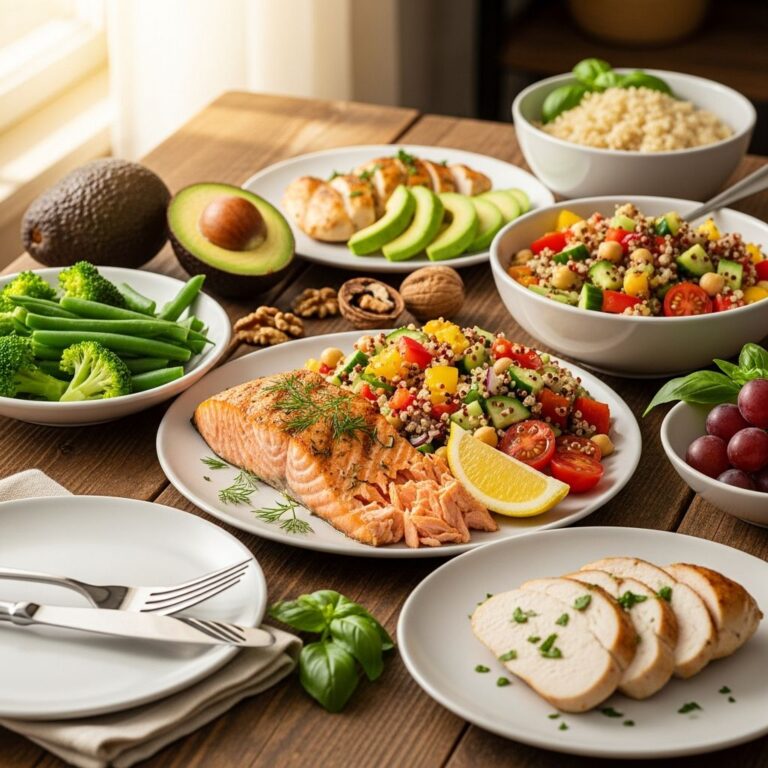
: fill half your plate with non-starchy vegetables, one-quarter with lean proteins, and one-quarter with quality carbohydrates like whole grains or fruits. This approach minimizes carbs, maximizes fiber, and incorporates healthy fats to slow digestion and prevent blood sugar surges. Key principles include choosing low-glycemic index (GI) foods, aiming for at least 8 grams of fiber per meal, and opting for monounsaturated fats from sources like avocados and nuts.Benefits extend beyond glucose control: these lunches support heart health (crucial as diabetes doubles heart disease risk), aid weight management, and boost energy levels. Always check nutrition labels for carbs, fiber, and calories, sticking to suggested portions. Hydrate with water or zero-calorie drinks to avoid hidden sugars.
Non-Starchy Vegetables: The Plate’s Foundation
Non-starchy vegetables should dominate half your lunch plate, offering volume, fiber, and nutrients with minimal carbs and calories. They promote fullness, stabilize blood sugar, and provide vitamins essential for diabetes management.
- Leafy greens like spinach, kale, and romaine: Low-calorie bases for salads, rich in vitamins A, C, K, and folate.
- Cruciferous veggies such as broccoli, cauliflower, Brussels sprouts: High in fiber and antioxidants; steam or roast for lunches.
- Colorful options including bell peppers, carrots, cucumbers, tomatoes: Add crunch and flavor without spiking glucose.
- Zucchini and asparagus: Versatile for grilling or stir-frying, low GI for steady energy.
Incorporate them raw in salads, roasted as sides, or in wraps. Prep large batches for easy assembly, storing undressed to maintain freshness. A large spinach salad can last several days as a lunch staple.
Lean Proteins: Building Blocks for Satiety
Proteins occupy one-quarter of the plate, helping maintain muscle, curb hunger, and balance carb effects on blood sugar. Opt for lean, low-saturated fat sources to protect heart health.
| Protein Type | Examples | Benefits for Diabetes | Lunch Ideas |
|---|---|---|---|
| Animal-Based | Grilled chicken breast, turkey, fish (salmon, tuna), eggs | Low carb, high satiety; omega-3s in fish reduce inflammation | Turkey wrap, tuna salad, egg salad |
| Plant-Based | Tofu, tempeh, lentils, chickpeas, edamame | Fiber-rich, heart-protective; manage portions due to carbs | Chickpea salad, tofu stir-fry |
| Dairy | Greek yogurt (plain, low-fat), cottage cheese | Protein-packed with probiotics for gut health | Yogurt parfait with veggies |
Lean meats and fish won’t spike blood sugar; pair with veggies for balanced plates. Plant proteins like beans add fiber but count carbs carefully.
Related Stories



Quality Carbohydrates: Choose Wisely
Limit to one-quarter of the plate with whole grains and starchy veggies for steady energy release. Avoid refined carbs; focus on high-fiber options.
- Whole grains: Quinoa, brown rice, barley, oats, 100% whole wheat bread/pasta. Swap white for brown rice using microwave packets for convenience.
- Starchy vegetables: Sweet potatoes, peas, butternut squash in moderation.
- Fruits: Berries, apples, pears, citrus—fiber slows sugar absorption. Slice into fruit salad with citrus juice to prevent browning.
Aim for 8g+ fiber per meal to manage glucose and heart health.
Healthy Fats: The Satiety Boosters
Monounsaturated fats from nuts, avocados, olive/canola oil lower blood sugar and replace unhealthy carbs. Use sparingly to control calories.
- Nuts and seeds: Almonds, walnuts, chia—handful for salads.
- Avocado: Creamy addition to wraps or salads.
- Oils: Olive or canola for dressings/marinades; canola offers omega-3s.
Plant fats enhance nutrient absorption and fullness.
Sample Diabetes-Friendly Lunch Recipes
These recipes embody the plate method, using budget-friendly, easy-prep ingredients. Each serves 1, ~400-500 calories, low GI.
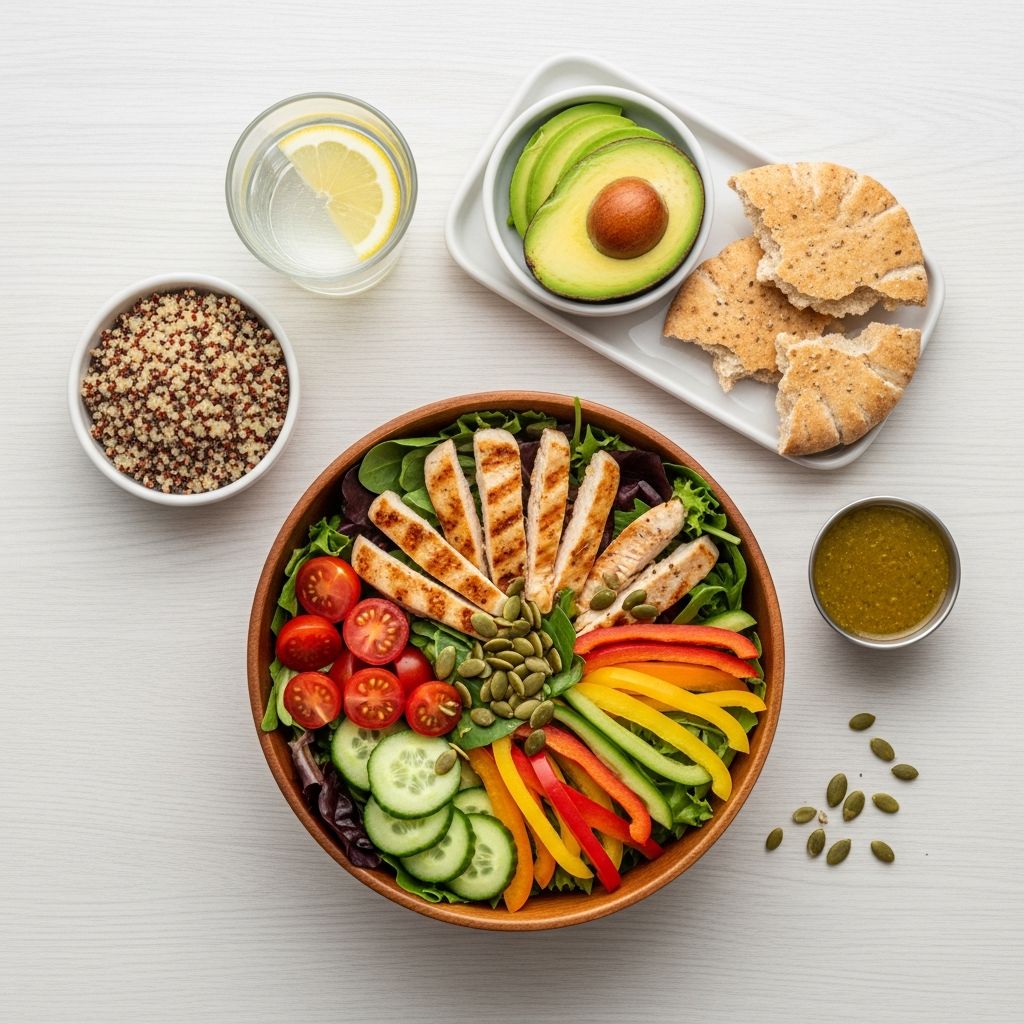
1. Grilled Chicken Veggie Salad
Ingredients: 4oz grilled chicken, mixed greens, cucumber, tomatoes, bell peppers, 1 tbsp olive oil + vinegar, handful almonds.
Instructions: Toss veggies, top with chicken and nuts, drizzle dressing. (45g carbs, 12g fiber, 30g protein)[3-inspired].
2. Quinoa Chickpea Bowl
Ingredients: ½ cup cooked quinoa, ½ cup chickpeas, broccoli, carrots, feta, lemon-olive oil.
Instructions: Mix warm quinoa with roasted veggies and chickpeas. (50g carbs, 15g fiber).
3. Tuna Avocado Wrap
Ingredients: Whole wheat tortilla, canned tuna (in water), avocado slice, lettuce, tomato.
Instructions: Fill and roll. (35g carbs, 10g fiber).
4. Turkey and Veggie Stir-Fry
Ingredients: 4oz ground turkey, zucchini, peppers, soy sauce (low-sodium), brown rice (¼ cup).
Instructions: Stir-fry turkey and veggies, serve over rice. Budget tip: Use frozen veggies.
5. Lentil Soup with Side Salad
Ingredients: 1 cup lentil soup (low-sodium), spinach salad with olive oil.
Instructions: Heat soup, pair with salad. (40g carbs, 14g fiber).
Customize for budget: Beans/veggies stretch meals; share bases with family.
Meal Prep Tips for Busy Days
- Batch-cook proteins and grains on weekends.
- Pre-chop veggies; store salads undressed.
- Portion into containers for grab-and-go.
- Freeze brown rice or soups for quick reheats.
- Track carbs via apps or labels.
Eating Out with Diabetes
Choose grilled over fried, veggies over fries, and check menus ahead. Opt for water; have a fiber-protein snack pre-meal if late.
Frequently Asked Questions (FAQs)
Can I eat sandwiches for lunch with diabetes?
Yes, use 100% whole wheat bread, lean protein like turkey, plenty of veggies, and avocado/mustard instead of mayo. Limit to half a sandwich if needed.
Are salads enough for lunch protein?
Add lean protein like eggs, tuna, or beans to salads for balance and satiety.
How much fiber should a diabetes lunch have?
Aim for at least 8 grams to manage blood sugar and fullness.
Can fruit be part of lunch?
Yes, in moderation—berries or apples pair well with protein and fats.
What drinks pair with diabetes lunches?
Water, unsweetened tea/coffee, or fizzy flavored water; avoid sugary drinks.
Common Pitfalls to Avoid
- Skipping veggies: Always fill half the plate.
- Oversized portions: Measure carbs and fats.
- Hidden sugars: Check dressings, sauces.
- Ignoring labels: Note carbs/fiber per serving.
Consult a healthcare team for personalized plans.
References
- 10 Tips to Eating Well with Diabetes — Marshall Medical Centers. 2023. https://mmcenters.com/blog/10-tips-to-eating-well-with-diabetes
- Balanced Eating Guide: Eating Well with Diabetes — Making Diabetes Easier. 2024. https://www.makingdiabeteseasier.com/uk/tips-advice/eating-with-diabetes/balanced-eating-guide-eating-well-with-diabetes
- Tips for Eating Well — American Diabetes Association. 2025-01-15. https://diabetes.org/food-nutrition/eating-healthy
- Eating Well for Diabetes & Low-Carb Meals on a Budget — BV Health System. 2024. https://www.bvhealthsystem.org/expert-health-articles/eating-well-for-diabetes-low-carb-meals-on-a-budget
- 2026 Guide to Low-Cost Diabetes-Friendly Meals — CTCD. 2026-01-01. https://www.ctcd.edu/sites/myctcd/detail/?p=2026-guide-to-low-cost-diabetes-friendly-meals-what-actually-works-on-a-tight-budget-69761501dab2b
Similar Articles








Read full bio of medha deb