Best Mattress for Low Back Pain: A Complete Guide
Discover the ideal mattress firmness and features to relieve low back pain and improve sleep quality.
What Type of Mattress Is Best for People with Low Back Pain?
Waking up with back pain can set a negative tone for your entire day. For the millions of people who suffer from chronic low back pain, the quality of their mattress plays a crucial role in their nighttime comfort and overall well-being. While many people with back pain believe that sleeping on a hard mattress is the answer, the reality is more nuanced. Extensive research has revealed that the ideal mattress for low back pain is one that strikes a careful balance between support and comfort—and that mattress is often a medium-firm option.
Understanding how mattress selection impacts back pain is essential for anyone seeking relief during their sleep. This guide explores the science behind mattress firmness, examines different mattress types, and provides practical recommendations to help you choose the right mattress for your specific needs.
The Science Behind Mattress Firmness and Back Pain
The relationship between mattress firmness and back pain is supported by considerable scientific evidence. Research has consistently demonstrated that mattress choice significantly affects both pain levels and sleep quality for individuals with low back pain. A landmark study examining 313 adults diagnosed with non-specific chronic low back pain found that those using medium-firm mattresses reported higher levels of improvement in both pain and disability compared to those using firm mattresses.
Multiple studies published in the Journal of Chiropractic Medicine confirmed that medium-firm mattresses reduced clinically diagnosed back pain, shoulder pain, and spine stiffness while positively affecting sleep quality. Interestingly, even subjects with minor sleep disturbances experienced significant improvements in sleep quality and efficiency when using medium-firm bedding systems. This evidence suggests that the conventional wisdom recommending very firm mattresses for back pain may actually be counterproductive.
Understanding Different Mattress Firmness Levels
Mattresses are typically classified into several firmness categories, each offering different levels of support and comfort. Understanding these categories helps you make an informed decision about which mattress might work best for your needs.
Soft Mattresses
Soft mattresses conform closely to your body’s natural curves and can feel comfortable initially. However, they present a significant drawback for back pain sufferers. While a soft mattress that conforms to your body’s natural curves may help the joints align favorably, you might also sink in so deeply that your joints twist and become painful during the night. Excessive sinking can throw your spine out of alignment, leading to increased pain and reduced sleep quality.
Medium-Firm Mattresses
Medium-firm mattresses represent the goldilocks solution for back pain relief. They provide adequate support to maintain proper spinal alignment while still offering enough cushioning to prevent excessive pressure on your joints and sensitive areas. These mattresses allow your hips and shoulders to sink slightly deeper than other body parts, following your natural body contours while keeping your spine properly aligned. A systematic review of mattress studies concluded that medium-firm mattresses promote comfort, sleep quality, and spinal alignment.
Firm and Extra-Firm Mattresses
Contrary to popular belief, very firm mattresses are not ideal for back pain relief. Survey data of 268 people with low back pain revealed that those who slept on very hard mattresses had the poorest sleep quality. While firm mattresses do provide support, they often lack the contouring capability needed to distribute your weight evenly across the mattress surface. This can create pressure points that exacerbate pain rather than relieve it.
Related Stories



Mattress Materials and Their Impact on Back Pain
Memory Foam Mattresses
Memory foam mattresses have become increasingly popular for back pain relief because the material molds to your body’s unique shape. This contouring ability helps distribute your weight evenly and can promote better spinal alignment. Memory foam also isolates motion effectively, which means your sleep partner’s movements won’t disturb you as much. However, some memory foam mattresses tend to retain heat, which can be uncomfortable during warm nights, and certain memory foam products may contain chemicals that some people prefer to avoid.
Innerspring Mattresses
Traditional innerspring mattresses use coils to provide support. While they can offer good responsiveness and bounce, they may not contour to your body as effectively as foam options. However, innerspring mattresses generally sleep cooler than memory foam alternatives and can be a good choice if heat retention is a concern for you.
Hybrid Mattresses
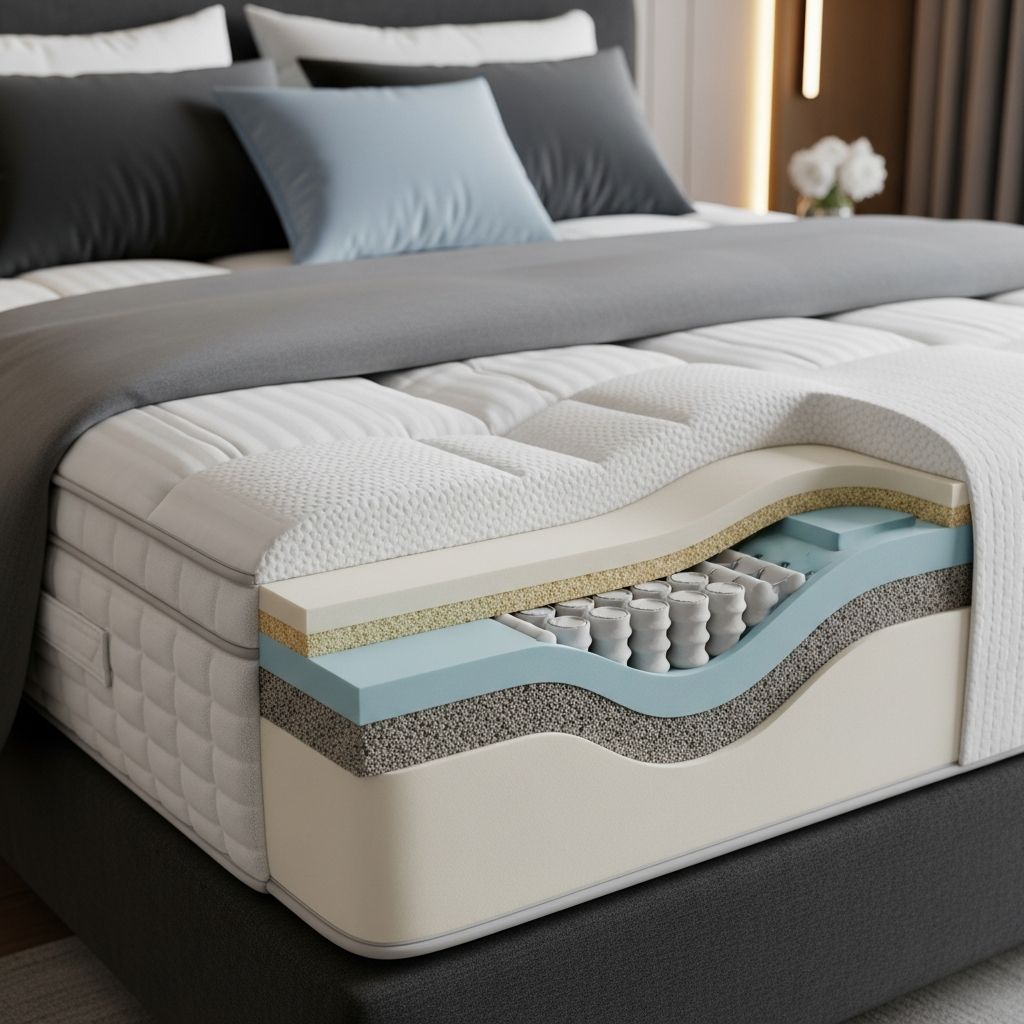
Hybrid mattresses combine the benefits of memory foam with the support and bounce of innerspring coils. They often feature specialized zoning that provides extra support in key areas like the lower back and hips, making them an excellent option for people with chronic back pain. Many hybrid mattresses include gel-infused foam layers that provide contouring comfort while maintaining proper spinal alignment and preventing excessive heat buildup.
Key Features to Look for in a Back Pain Mattress
Beyond firmness level and material type, several specific features can enhance a mattress’s ability to relieve back pain:
Lumbar Support Technology
Many mattresses designed for back pain include specialized lumbar zone technology that reinforces the center-third of the mattress. This reinforcement adds lower back support and helps prevent sagging over time, maintaining consistent support throughout the mattress’s lifespan.
Pressure Point Relief
Look for mattresses that evenly distribute your body weight to reduce pressure points. Areas like the hips, shoulders, and lower back are particularly vulnerable to pressure buildup, which can worsen pain symptoms. Mattresses designed with proper pressure relief help minimize these painful pressure points.
Cooling Technologies
Temperature regulation plays an often-overlooked role in back pain management. A cool sleep surface may help reduce inflammation around affected nerves and tissues. Look for mattresses with gel-infused foam layers or breathable covers designed to enhance cooling and heat dissipation.
Edge Support
Strong edge support makes getting in and out of bed safer and easier, particularly important for people managing chronic pain. Reinforced edges also prevent you from feeling like you’re rolling off the bed, which can be uncomfortable and concerning.
Sleeping Position Considerations
Your typical sleeping position significantly influences which mattress will work best for your back pain. When testing a mattress, lay in the position in which you typically sleep rather than on your back, as this provides a more accurate sense of real-world usage.
Back Sleepers
Back sleepers benefit from mattresses that prevent excessive sinking while maintaining proper spinal alignment. A medium-firm mattress typically provides the right balance, preventing your lower back from sagging into a gap while keeping your spine in a neutral position. When lying on your back, your mattress should support the natural curve of your spine without forcing it into an unnatural arch.
Side Sleepers
Side sleepers need a mattress that allows their hips and shoulders to sink deeper than other parts of their body, maintaining spinal alignment. A helpful tip from sleep experts is to place a small cushion between your knees if you sleep on your side. This pillow reduces strain on your lower back and helps keep your spine straight throughout the night. Medium-firm mattresses with good pressure relief in the hip area work particularly well for side sleepers with back pain.
Stomach Sleepers
Stomach sleeping can be challenging for people with back pain because this position often creates strain on the lower back. If you sleep on your stomach, consider a firmer mattress that prevents your midsection from sagging excessively. However, the ideal solution is gradually transitioning to back or side sleeping, which places less stress on your spine.
Testing and Selecting Your Mattress
Choosing the right mattress requires careful testing and consideration of your individual needs. Don’t rely solely on initial comfort—truly assess how the mattress performs with your body type and sleeping habits.
In-Store Testing
When shopping for a mattress, spend adequate time lying on different options in your preferred sleeping position. Most people in mattress stores lay flat on their back, which doesn’t provide insight into real-world usage. Instead, lie on your side or front and pay attention to how well the mattress conforms to your body and allows your spine to remain straight in your favored sleeping position. A mattress that works well for your body allows your hips and shoulders to sink deeper than other parts of your body while maintaining proper spinal alignment.
Trial Periods and Return Policies
Many mattress companies now offer extended trial periods, often 100 nights or more, allowing you to test the mattress in your own home. Take full advantage of these trial periods, as your comfort with a mattress may change after several nights as your body adjusts and as you experience different sleeping positions and conditions.
The Importance of Mattress Age and Condition
Even an excellent mattress degrades over time. Mattresses typically last 7 to 10 years before support and comfort begin to deteriorate. If your mattress is older and you’re experiencing increased back pain, replacing it might be the solution you need. Over time, materials compress, coils weaken, and the mattress loses its ability to provide proper support and maintain spinal alignment.
Additional Sleep Recommendations for Back Pain Relief
While choosing the right mattress is crucial, several other strategies can enhance your sleep quality and back pain management:
Pillow Selection
Your pillow should keep your head and neck in alignment with your spine. For back sleepers, a pillow that supports the natural curve of your neck works best. Side sleepers need a pillow thick enough to fill the gap between your shoulder and head. Avoid pillows that are too thick or too thin, as improper head positioning can create neck and upper back pain that radiates to your lower back.
Mattress Foundation
Ensure your mattress is properly supported by an appropriate foundation or bed frame. A mattress on an inadequate or damaged foundation may sag prematurely, compromising its support capabilities. Always verify that your mattress and foundation are compatible.
Sleep Hygiene Practices
Maintain consistent sleep schedules, keep your bedroom cool and dark, and avoid using screens before bedtime. These practices improve overall sleep quality, which is essential for pain management and recovery.
Frequently Asked Questions
Q: Is a firm mattress better for back pain?
A: Not necessarily. While firm mattresses provide support, research shows that medium-firm mattresses offer better pain relief and sleep quality. Very firm mattresses can create pressure points and actually worsen back pain for many people.
Q: Can a soft mattress help with back pain?
A: Soft mattresses are generally not recommended for back pain because they allow excessive sinking, causing your joints to twist and become painful. Medium-firm options provide better support.
Q: What is the best mattress material for back pain?
A: Memory foam and hybrid mattresses with gel-infused foam are excellent choices because they contour to your body while providing support and cooling features. The best material depends on your personal preferences and sleep style.
Q: How long does it take to adjust to a new mattress?
A: Most people need 30-60 nights to fully adjust to a new mattress. This is why trial periods are valuable—they give your body time to acclimate before committing to the purchase.
Q: Should I use a pillow between my knees as a side sleeper?
A: Yes, placing a small cushion or pillow between your knees when side sleeping reduces strain on your lower back and helps maintain spinal alignment throughout the night.
Q: How often should I replace my mattress?
A: Mattresses typically last 7-10 years. If your mattress is sagging, uncomfortable, or you’re experiencing increased back pain, it may be time to replace it.
Conclusion
Selecting the right mattress for low back pain requires understanding the balance between support and comfort. The evidence overwhelmingly supports medium-firm mattresses as the optimal choice for most people with low back pain, offering superior pain relief and sleep quality compared to very firm alternatives. By considering mattress material, firmness level, specialized features like lumbar support and pressure relief, and your personal sleeping position, you can make an informed decision that will significantly improve your nighttime comfort and overall well-being.
Remember that mattress selection is highly individual. What works perfectly for one person may not suit another due to differences in body weight, sleeping position, and personal comfort preferences. Take advantage of trial periods and in-store testing to ensure you find a mattress that aligns with your unique needs and provides the support necessary for pain-free, restorative sleep.
References
- What type of mattress should be chosen to avoid back pain and sleep disorders? A systematic review — National Center for Biotechnology Information (NCBI). 2022-12-08. https://pmc.ncbi.nlm.nih.gov/articles/PMC8655046/
- Research reveals the best type of mattress for lower back pain — M6 Beds Research. 2024. https://www.m6beds.co.uk/lower-back-pain-treatment-research-reveals-the-best-type-of-mattress-for-lower-back-pain
- Best Mattress for Lower Back Pain — WebMD. 2024. https://www.webmd.com/back-pain/best-mattress-for-lower-back-pain
- Choosing a Mattress for Lower Back Pain — Front Range Orthopedics. 2024. https://www.orthohealth.com/choosing-mattress-lower-back-pain/
- Best Mattress for Sciatica 2025 — National Council on Aging. 2025. https://www.ncoa.org/product-resources/sleep/best-mattress-for-sciatica/
- Can a Mattress Cause Back Pain? — Transfer Master. 2024. https://transfermaster.com/can-a-bed-cause-back-pain/
Similar Articles








Read full bio of Sneha Tete