Back Pain Medications: Comprehensive Guide To Relief Options
Comprehensive guide to effective back pain medications and treatment options.
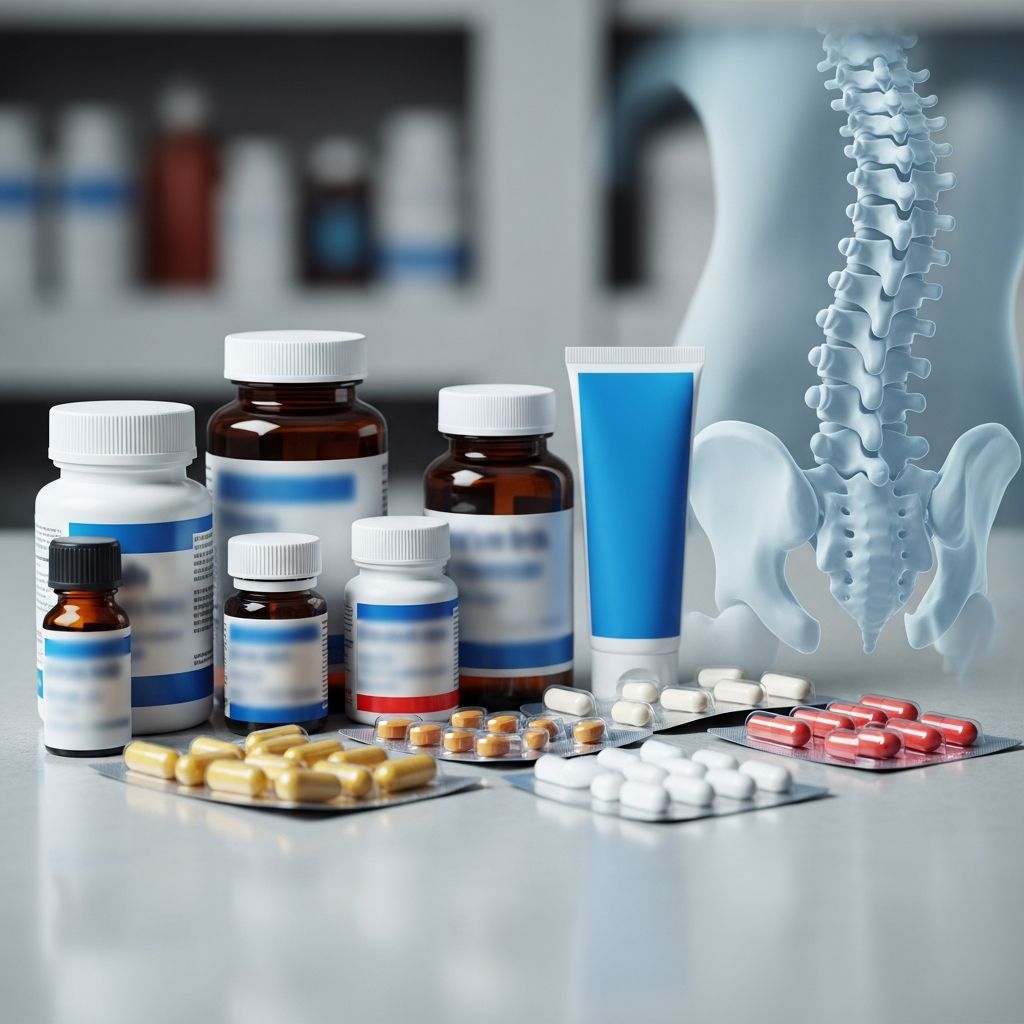
Best Medications for Back Pain Relief
Back pain affects millions of people worldwide, significantly impacting their quality of life and daily activities. While many cases of acute back pain resolve on their own within a few weeks, persistent or severe pain often requires medical intervention. Understanding the available medication options can help patients and healthcare providers develop effective treatment strategies tailored to individual needs.
The approach to managing back pain typically follows a systematic progression, starting with conservative treatments and advancing to more intensive interventions when necessary. Medications play a crucial role in this pain management framework, helping to reduce inflammation, alleviate discomfort, and improve functional capacity. This comprehensive guide explores the most effective medications for back pain relief, their mechanisms of action, benefits, and potential side effects.
Understanding Back Pain and Treatment Approaches
Back pain can originate from various sources, including muscle strain, ligament sprains, herniated disks, arthritis, and nerve compression. The underlying cause of pain determines the most appropriate treatment strategy. Healthcare providers typically employ a multifaceted approach, beginning with identifying and addressing the source of pain whenever possible. When the source cannot be directly treated, healthcare professionals focus on managing pain perception through targeted medications and therapeutic interventions.
The principle of pain management emphasizes treating the pain itself, reducing inflammation, and blocking pain signals traveling through the nervous system. This may involve medications that work directly at the site of injury, drugs that modify pain perception in the brain, or interventions that interrupt the transmission of pain signals along nerve pathways.
Over-the-Counter Pain Relievers
Nonsteroidal Anti-Inflammatory Drugs (NSAIDs)
Nonsteroidal anti-inflammatory drugs represent the first-line treatment for many cases of back pain, offering effective relief through anti-inflammatory action rather than narcotic effects. Common over-the-counter NSAIDs include ibuprofen (Advil, Motrin), naproxen (Aleve), and aspirin. These medications work by blocking cyclooxygenase (COX) enzymes, which are responsible for producing prostaglandins that cause inflammation and pain.
NSAIDs are particularly effective for back pain caused by inflammation, such as muscle strains and minor ligament injuries. They address the underlying source of pain rather than simply masking symptoms. However, these medications carry certain risks, especially with long-term use. Potential side effects include stomach ulcers, gastrointestinal bleeding, and in some cases, increased risk of heart problems or stroke.
When using NSAIDs, patients should follow recommended dosages and consider taking them with food to minimize stomach irritation. Those with a history of ulcers, cardiovascular disease, or kidney problems should consult with healthcare providers before using these medications regularly.
Acetaminophen
Acetaminophen (Tylenol) is another over-the-counter option for back pain relief. Unlike NSAIDs, acetaminophen works through different mechanisms and does not have anti-inflammatory properties. It is generally well-tolerated with fewer gastrointestinal side effects than NSAIDs. However, acetaminophen is less effective for inflammatory back pain and must not be exceeded in dosage to avoid liver damage.
Prescription Nonsteroidal Anti-Inflammatory Drugs
When over-the-counter NSAIDs prove insufficient, healthcare providers may prescribe stronger formulations. Prescription NSAIDs like meloxicam (Celebrex) and indomethacin offer more potent anti-inflammatory action while targeting specific pain pathways. These medications maintain the same basic mechanism as over-the-counter versions but often provide superior pain relief for moderate to severe inflammatory back conditions.
Related Stories



Selective COX-2 inhibitors represent an advance in NSAID technology, designed to reduce gastrointestinal side effects while maintaining pain-relieving benefits. However, some formulations have been withdrawn from the market due to safety concerns. Patients taking prescription NSAIDs should maintain regular medical supervision and discuss any existing health conditions with their healthcare provider.
Muscle Relaxants
Muscle relaxants serve an important role in back pain management, particularly when pain stems from muscle tension or spasm. Commonly prescribed muscle relaxants include cyclobenzaprine (Flexeril), methocarbamol (Robaxin), and carisoprodol (Soma). These medications work by depressing the central nervous system and reducing muscle contractions that contribute to pain and stiffness.
Muscle relaxants are typically prescribed for short-term use, usually two to three weeks, as they are most effective during the acute phase of muscle-related back pain. They are often combined with NSAIDs or other pain relievers for enhanced effectiveness. Common side effects include drowsiness, dizziness, and reduced alertness, which may limit activities like driving or operating machinery.
While muscle relaxants can significantly improve comfort and function during acute pain episodes, they are not suitable for chronic long-term use due to tolerance development and potential dependency. Healthcare providers generally recommend using these medications alongside physical therapy and other non-pharmacological interventions.
Prescription Pain Medications
Opioid Medications
Opioid medications, including morphine and oxycodone, are reserved for severe back pain that has not responded to other treatments. These powerful pain relievers work by binding to opioid receptors in the brain and spinal cord, effectively reducing pain perception. While opioids can provide significant relief for debilitating pain, they carry substantial risks including dependency, tolerance, and various side effects.
Common side effects of opioid medications include constipation, drowsiness, nausea, and respiratory depression. Extended-release formulations allow for sustained pain relief but require careful dosing and monitoring. Current medical practice emphasizes using opioids as a last resort when other interventions have failed, and when used, they should be combined with multimodal pain management strategies and close medical supervision.
Concerns about opioid addiction have led to more conservative prescribing practices. Modern pain management recognizes that patients taking opioids for legitimate medical purposes under professional supervision rarely develop addiction, though physical dependence can occur. Healthcare providers now prioritize comprehensive pain management approaches that minimize opioid reliance.
Antidepressants for Pain Management
Antidepressant medications, particularly tricyclic antidepressants like amitriptyline (Elavil) and selective serotonin reuptake inhibitors (SSRIs), can be effective for certain types of back pain, especially neuropathic pain. These medications increase serotonin levels in the nervous system, enhancing the body’s natural pain-relief mechanisms and reducing pain perception.
Antidepressants are particularly useful for back pain accompanied by depression or anxiety, which commonly co-occur with chronic pain conditions. They may also help improve sleep quality, which is often disrupted by back pain. Side effects can include dry mouth, dizziness, weight changes, and sexual dysfunction, though these often diminish over time as the body adjusts to the medication.
Anticonvulsant Medications
Anticonvulsant or antiepileptic drugs, such as gabapentin (Neurontin) and pregabalin (Lyrica), have proven effective for neuropathic back pain, including pain from nerve compression and sciatica. These medications work by stabilizing electrical activity in the nervous system, reducing the spontaneous firing of damaged nerves that transmit pain signals.
Anticonvulsants are particularly valuable for radiating pain that extends down the leg or into other body areas. They work through different mechanisms than NSAIDs or opioids, making them useful components of multimodal pain management strategies. Potential side effects include drowsiness, dizziness, weight gain, and swelling in the extremities.
Topical Pain Relief Options
Topical pain relief medications applied directly to the skin over the affected area provide localized pain reduction with minimal systemic side effects. These include creams and patches containing NSAIDs, capsaicin, or lidocaine. Topical NSAIDs like diclofenac (Voltaren) deliver anti-inflammatory medication directly to the pain site, while capsaicin creates a warming sensation that can mask pain perception.
Lidocaine patches provide temporary numbing effects by blocking nerve signals in the skin. Topical options are particularly useful for patients who cannot tolerate systemic medications or who prefer to minimize drug interactions. These products can be used alongside oral medications as part of a comprehensive pain management plan.
Corticosteroid Injections
Corticosteroid injections administered directly into affected areas provide powerful anti-inflammatory action for localized back pain. Epidural steroid injections, commonly used for sciatica and nerve-related pain, deliver anti-inflammatory medication to the space surrounding nerve roots. These injections can provide significant relief and reduce the need for systemic medications.
While corticosteroid injections are generally safe when administered properly by trained healthcare providers, long-term use carries risks including weakened bones, tissue thinning, and suppression of the body’s natural cortisol production. These injections are typically limited in frequency and are usually combined with other pain management strategies and physical rehabilitation.
Comparison of Back Pain Medications
| Medication Type | Effectiveness | Onset | Common Side Effects | Best For |
|---|---|---|---|---|
| NSAIDs (OTC/Prescription) | Moderate to High | 30 minutes to 2 hours | Stomach upset, ulcers | Inflammatory pain, muscle strains |
| Muscle Relaxants | Moderate | 1-2 hours | Drowsiness, dizziness | Acute muscle spasms |
| Opioids | High | 15-30 minutes | Constipation, dependence risk | Severe pain unresponsive to other treatments |
| Antidepressants | Moderate | 1-4 weeks | Dry mouth, weight changes | Neuropathic pain, chronic pain |
| Anticonvulsants | Moderate | 1-2 weeks | Drowsiness, dizziness | Nerve pain, sciatica |
| Topical Agents | Mild to Moderate | 15-30 minutes | Minimal (local irritation) | Localized pain, adjunctive therapy |
Developing a Medication Strategy
Effective back pain management rarely involves a single medication. Healthcare providers typically employ multimodal approaches combining different medication classes with physical therapy, lifestyle modifications, and other interventions. The goal is to achieve adequate pain relief while minimizing side effects and avoiding unnecessary medication use.
Treatment often begins with conservative options like over-the-counter NSAIDs combined with physical therapy and activity modification. If initial treatments prove inadequate after two to four weeks, healthcare providers may add muscle relaxants or consider prescription alternatives. More invasive options like opioids or injections are typically reserved for cases where other approaches have failed.
Important Considerations and Safety
When using any back pain medication, patients should inform their healthcare providers about all existing medical conditions, allergies, and medications they are currently taking. Drug interactions can significantly impact medication effectiveness and safety. Individuals with cardiovascular disease, gastrointestinal problems, or kidney issues require special consideration when selecting pain medications.
Pregnant women, nursing mothers, and individuals with liver disease should consult healthcare providers before using pain medications. Long-term use of any medication requires periodic medical review to assess continued appropriateness and monitor for adverse effects. Patients should never exceed recommended dosages or combine medications without explicit medical guidance.
Non-Pharmacological Approaches
While medications play an important role in back pain management, non-pharmacological approaches significantly enhance treatment effectiveness. Physical therapy helps strengthen supporting muscles and improve flexibility, addressing underlying structural issues. Regular exercise, proper posture, ergonomic modifications, and stress reduction techniques all contribute to pain reduction.
Heat and cold therapy, massage, acupuncture, and cognitive-behavioral therapy have demonstrated benefits for many back pain patients. These approaches should be integrated with appropriate medications to create comprehensive treatment plans that address pain from multiple angles while reducing reliance on pharmaceutical interventions alone.
Frequently Asked Questions About Back Pain Medications
Q: How long does it take for back pain medication to work?
A: Onset varies by medication type. NSAIDs typically work within 30 minutes to 2 hours, while antidepressants and anticonvulsants may take 1-4 weeks to achieve full effectiveness. Your healthcare provider can advise on expected timelines for your specific medication.
Q: Can I take multiple back pain medications together?
A: Some medications can be safely combined, while others should not be used together. Always consult your healthcare provider before combining medications to avoid dangerous interactions and overdoses.
Q: Are there any natural alternatives to back pain medications?
A: Many patients find relief through physical therapy, stretching exercises, heat therapy, massage, and acupuncture. However, these should complement rather than replace appropriate medical treatment for moderate to severe pain.
Q: What should I do if my back pain medication isn’t working?
A: Contact your healthcare provider rather than increasing dosages on your own. They may adjust your medication, recommend additional treatments, or investigate underlying causes you may have overlooked.
Q: Are prescription NSAIDs safer than over-the-counter versions?
A: Prescription NSAIDs offer stronger effects but carry similar risks as over-the-counter versions. The main advantage is potential improved efficacy; safety depends on appropriate use and individual health factors.
Q: How long can I safely use muscle relaxants?
A: Muscle relaxants are typically recommended for short-term use, usually 2-3 weeks during acute pain episodes. Extended use can lead to tolerance and dependence, making them unsuitable for chronic pain management.
Q: What are the risks of long-term opioid use for back pain?
A: Long-term opioid use carries risks including physical dependence, tolerance requiring higher doses, constipation, drowsiness, and respiratory depression. This is why opioids are reserved as a last resort when other treatments have failed.
References
- Relieving Pain — Harvard Magazine. 2005-11. https://www.harvardmagazine.com/2005/11/relieving-pain-html
Similar Articles








Read full bio of Sneha Tete