Best Mediterranean Diet Foods for January
Discover the top seasonal Mediterranean diet foods for January to boost heart health, immunity, and vitality all winter long.
The
Mediterranean diet
stands out as one of the most effective and enjoyable ways to eat for long-term health, emphasizing whole, plant-based foods, healthy fats, and lean proteins. Ranked as the top diet by U.S. News & World Report for years, it promotes heart health, weight management, and reduced inflammation through fresh, seasonal ingredients. InJanuary
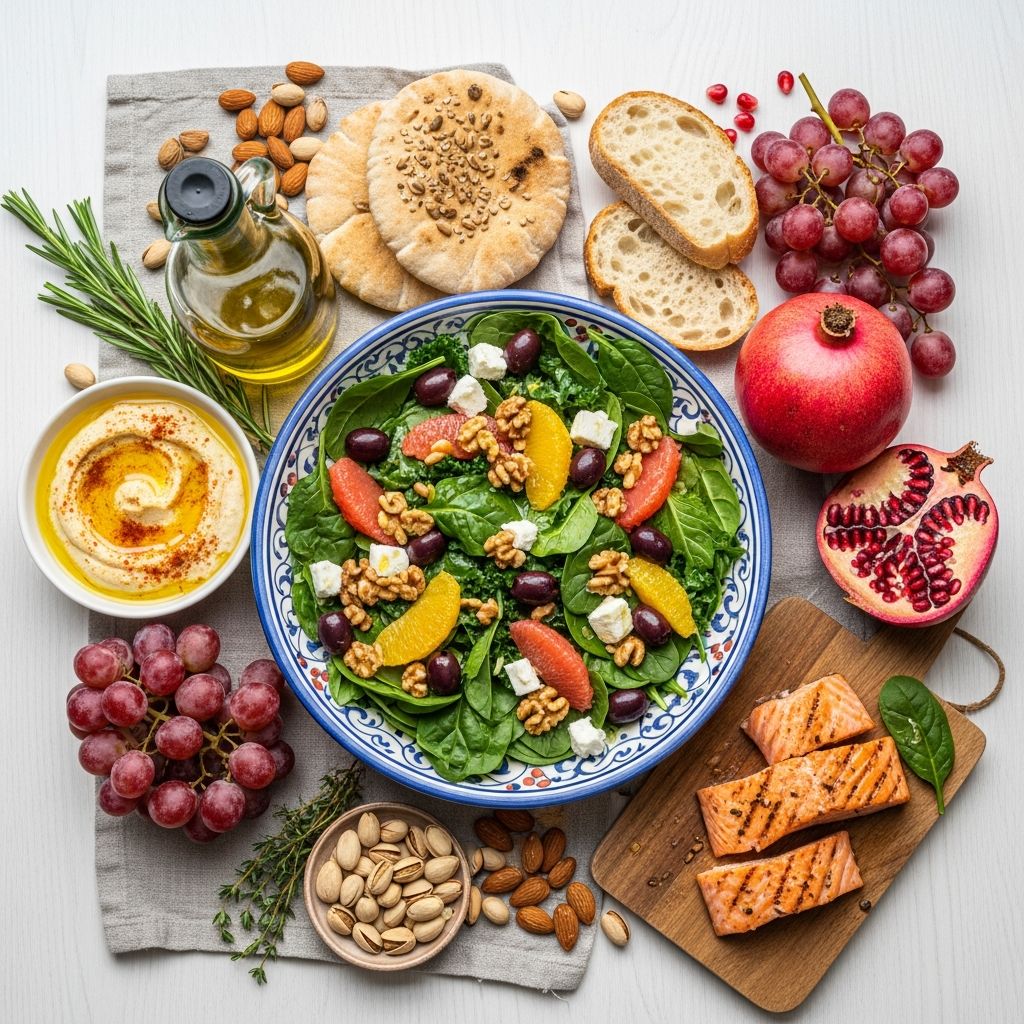
, when winter’s chill calls for nourishing, immune-boosting meals, focus on hearty root vegetables, vibrant citrus fruits, omega-rich fish, and cozy whole grains. These picks align perfectly with the diet’s core: abundant produce, extra virgin olive oil, nuts, legumes, and moderate seafood or poultry.This guide highlights the
, drawing from traditional patterns observed in Greece, Italy, and Spain. Prioritize in-season items for peak flavor, nutrition, and affordability. Build plates with half vegetables, a quarter whole grains or legumes, and a quarter proteins, drizzled with olive oil and herbs. Let’s dive into categories with shopping tips, health perks, and simple recipe ideas to kickstart your winter eating.What Makes the Mediterranean Diet Ideal for January?
January’s shorter days and colder weather demand foods that warm the body and fortify immunity. The Mediterranean approach excels here: its high-fiber veggies and fruits combat seasonal blues, while anti-inflammatory fats from olive oil and fish support cardiovascular health amid holiday indulgences. Studies from the WHO and peer-reviewed journals confirm lower risks of heart disease, diabetes, and even cognitive decline with adherence.
- Seasonal synergy: Winter produce like citrus and brassicas shines, reducing reliance on imports.
- Comfort without excess: Hearty soups, stews, and grain bowls satisfy without heavy calories.
- Budget-friendly: Root veggies and pantry staples like lentils stretch dollars further.
Stock your kitchen with these staples for effortless meal prep.
Fruits: Citrus and Winter Berries for Vitamin C Boost
January bursts with
citrus fruits
, nature’s immunity shield. Oranges, grapefruits, lemons, and blood oranges provide vitamin C, fiber, and antioxidants to fend off colds. Traditional Mediterranean eaters savor them fresh or in salads, aligning with the diet’s fruit-forward ethos. Berries, though less abundant, freeze well for smoothies.| Fruit | Key Nutrients | January Prep Ideas |
|---|---|---|
| Oranges & Blood Oranges | Vitamin C, folate, potassium | Segment into salads; squeeze for dressings |
| Grapefruits | Vitamin C, lycopene | Broil halves with honey; pair with yogurt |
| Lemons | Vitamin C, flavonoids | Zest for marinades; infuse water |
| Apples & Pears | Fiber, quercetin | Bake with cinnamon; add to oats |
Pro Tip: Aim for 2-3 servings daily. A Greek orange-fennel salad with olives refreshes winter meals.
Vegetables: Root Veggies and Leafy Greens for Hearty Nourishment
Winter’s
root vegetables
and greens form the Mediterranean plate’s foundation, offering fiber, vitamins, and staying power. Beets, carrots, potatoes, kale, and cabbage thrive in cold months, perfect for roasting or soups. These low-calorie powerhouses fill you up and stabilize blood sugar.- Root veggies: Beets (nitrates for blood pressure), carrots (beta-carotene for eyes), sweet potatoes (vitamin A for immunity).
- Leafy greens: Kale, spinach, Swiss chard—rich in iron, folate, and K vitamins.
- Brassicas: Broccoli, Brussels sprouts, cabbage for detoxifying sulforaphane.
Related Stories



Roast with olive oil, garlic, and rosemary for a simple side. A lentil-kale soup embodies January comfort.
| Vegetable | Seasonal Benefit | Recipe Hack |
|---|---|---|
| Beets | Heart-healthy nitrates | Roast and pair with goat cheese |
| Kale | Anti-inflammatory | Massaged salad with lemon |
| Brussels Sprouts | Cancer-fighting compounds | Shaved in grain bowls |
| Potatoes | Potassium for muscles | Baked wedges with herbs |
Whole Grains and Legumes: Cozy Carbs and Plant Protein
January calls for
whole grains
like oats, barley, farro, and quinoa—slow-digesting fuels for chilly days. Legumes (lentils, chickpeas, beans) add protein and prebiotics for gut health, central to Mediterranean longevity.Start days with blueberry oats or farro porridge. Chickpea stews warm evenings.
- Barley: Chewy for soups.
- Quinoa: Complete protein.
- Lentils: Quick-cooking fiber bomb.
- Chickpeas: Roast for snacks.
Healthy Fats: Olive Oil, Nuts, and Seeds
**Extra virgin olive oil** (EVOO) is the Mediterranean star—use liberally for cooking and dressings. Nuts (almonds, walnuts) and seeds (chia, flax) deliver omega-3s and satiety. Avocados add creaminess.
- Drizzle EVOO on everything.
- Handful of nuts daily.
- Chia in smoothies for omega-3s.
Proteins: Fatty Fish, Poultry, and Dairy
Opt for
fatty fish
like salmon, sardines, and mackerel 2-3 times weekly for EPA/DHA omegas, combating winter inflammation. Poultry, eggs, Greek yogurt, and feta provide variety. Limit red meat.| Protein | Why January? | Meal Idea |
|---|---|---|
| Salmon | Omega-3s for mood | Baked with lemon-herb crust |
| Greek Yogurt | Probiotics for gut | Parfait with citrus |
| Chickpeas | Plant-based staying power | Curry stew |
Sample January Mediterranean Meal Plan
A 7-day plan emphasizing January stars:
- Breakfast: Greek yogurt with blood oranges, walnuts, chia.
- Lunch: Kale-quinoa salad with beets, feta, olive oil.
- Dinner: Baked salmon, roasted Brussels sprouts, barley pilaf.
- Snacks: Apple with almonds; carrot sticks with hummus.
Health Benefits Backed by Science
The Mediterranean diet reduces heart disease risk by 30%, per PREDIMED trial (ongoing updates confirm). January focus amplifies antioxidants against flu season.
Frequently Asked Questions (FAQs)
Q: Is the Mediterranean diet good for weight loss in winter?
A: Yes, its fiber-rich foods promote satiety; pair with portion control for sustainable loss.
Q: Can I use frozen produce?
A: Absolutely—frozen berries, spinach, and fish retain nutrients, ideal for January.
Q: How much olive oil is too much?
A: 2-4 tablespoons daily; it’s calorie-dense but heart-protective.
Q: Are eggs Mediterranean-approved?
A: Moderately—2-4 weekly as a nutrient-dense protein.
Q: Vegetarian-friendly?
A: Highly—legumes and dairy fill protein gaps.
Incorporate these foods for vibrant health. Shop seasonally, cook simply, and enjoy the Mediterranean way.
References
- Mediterranean Diet: Guide for a Heart-Healthy Diet — University Health. 2023-10-15. https://www.universityhealth.com/blog/mediterranean-diet
- Mediterranean Diet Food List — Valley Fig Growers. 2024-01-20. https://valleyfig.com/blog/mediterranean-diet-food-list/
- 20 Free, Easy, and Fun Ways to Follow the Mediterranean Diet — Amy Riolo. 2023-05-12. https://www.amyriolo.com/web/10-free-easy-and-fun-ways-to-follow-the-mediterranean-diet
- Mediterranean Diet Shopping List (Fridge, Freezer, Pantry, 2026) — Planeat AI. 2025-12-01. https://planeatai.com/blog/mediterranean-diet-shopping-list-
Similar Articles








Read full bio of Sneha Tete