Best Night Snack To Help You Poop: Chickpea Recipes
Discover the top late-night snack backed by dietitians to promote smooth digestion and regular bowel movements by morning.
Constipation affects millions, causing discomfort, bloating, and irregular bowel movements. The good news? A simple late-night snack can make a big difference. According to dietitians, chickpeas are the top choice for promoting smooth digestion overnight, helping you poop effortlessly in the morning.
Why Chickpeas Are the #1 Late-Night Snack for Pooping
Chickpeas, also known as garbanzo beans, stand out as the ultimate nighttime snack for digestive health. Packed with soluble and insoluble fiber, they add bulk to stool and soften it for easier passage. A single cup of cooked chickpeas delivers about 12 grams of fiber—roughly half the daily recommended intake for adults. This fiber ferments in the gut, producing short-chain fatty acids that nourish intestinal cells and stimulate peristalsis, the wave-like muscle contractions that move food through your digestive tract.
Beyond fiber, chickpeas offer protein (15 grams per cup), which supports sustained fullness without spiking blood sugar. They’re also rich in magnesium (about 80mg per cup), a mineral that relaxes intestinal muscles and draws water into the bowels, easing elimination. Studies from the American Journal of Clinical Nutrition highlight how legume consumption correlates with increased bowel frequency and reduced constipation risk.
- Soluble fiber forms a gel-like substance that slows digestion and binds cholesterol.
- Insoluble fiber adds bulk, preventing hard stools.
- Prebiotic effects feed beneficial gut bacteria, enhancing microbiome diversity for long-term gut health.
Unlike sugary or processed snacks, chickpeas are low-glycemic, making them ideal before bed without disrupting sleep. Dietitians note that eating them in the evening allows fiber to work overnight, priming your system for a morning bowel movement.
How Chickpeas Promote Overnight Digestion
The magic happens while you sleep. After consuming chickpeas, fiber absorbs water in your intestines, hydrating stool and increasing its volume. This triggers stretch receptors in the colon, signaling the body to contract and expel waste. Magnesium further aids by countering the dehydrating effects of evening habits like alcohol or caffeine.
Research from the World Gastroenterology Organisation indicates that adequate fiber intake (25-30g daily) reduces transit time—the duration food takes to move from mouth to anus—by up to 30%. Chickpeas contribute significantly, with one study in the Journal of Nutrition showing participants eating legumes had 20% more frequent stools. Fluids pair perfectly; sipping water or herbal tea with your snack amplifies hydration.
| Snack | Fiber (g) | Protein (g) | Magnesium (mg) | Calories |
|---|---|---|---|---|
| Chickpeas (roasted) | 6 | 7.5 | 40 | 140 |
| Popcorn | 3.5 | 2 | 25 | 100 |
| Yogurt with berries | 3 | 6 | 20 | 120 |
| Apple | 4 | 0.5 | 10 | 95 |
As shown, chickpeas outperform alternatives in fiber and magnesium, key for pooping.
Delicious Ways to Enjoy Chickpeas at Night
Versatile and customizable, chickpeas fit any craving. Roast them for crunch, mash into hummus, or eat plain. Here are dietitian-approved recipes:
Recipe 1: Spicy Roasted Chickpeas
- 1 can (15oz) chickpeas, drained and patted dry
- 1 tbsp olive oil
- 1 tsp cumin, paprika, garlic powder
- Salt to taste
Preheat oven to 400°F. Toss chickpeas with oil and spices. Roast 20-25 minutes until crispy. Portion 1/2 cup for a 150-calorie snack. Flavor variations: cinnamon for sweet, chili for heat.
Related Stories



Recipe 2: Chickpea Salad Snack
Mix 1/2 cup chickpeas with diced cucumber, tomato, lemon juice, and herbs. Add feta for creaminess. Ready in 5 minutes, perfect for no-cook nights.
Recipe 3: Hummus with Veggies
Blend chickpeas with tahini, garlic, and lemon. Dip carrot sticks or celery. Controls portions naturally.
Pro tip: Start with canned low-sodium chickpeas, rinsed to reduce gas. Gradually increase intake to let your gut adjust.
Other Snacks That Help You Poop (Ranked)
While chickpeas reign supreme, these runners-up support digestion:
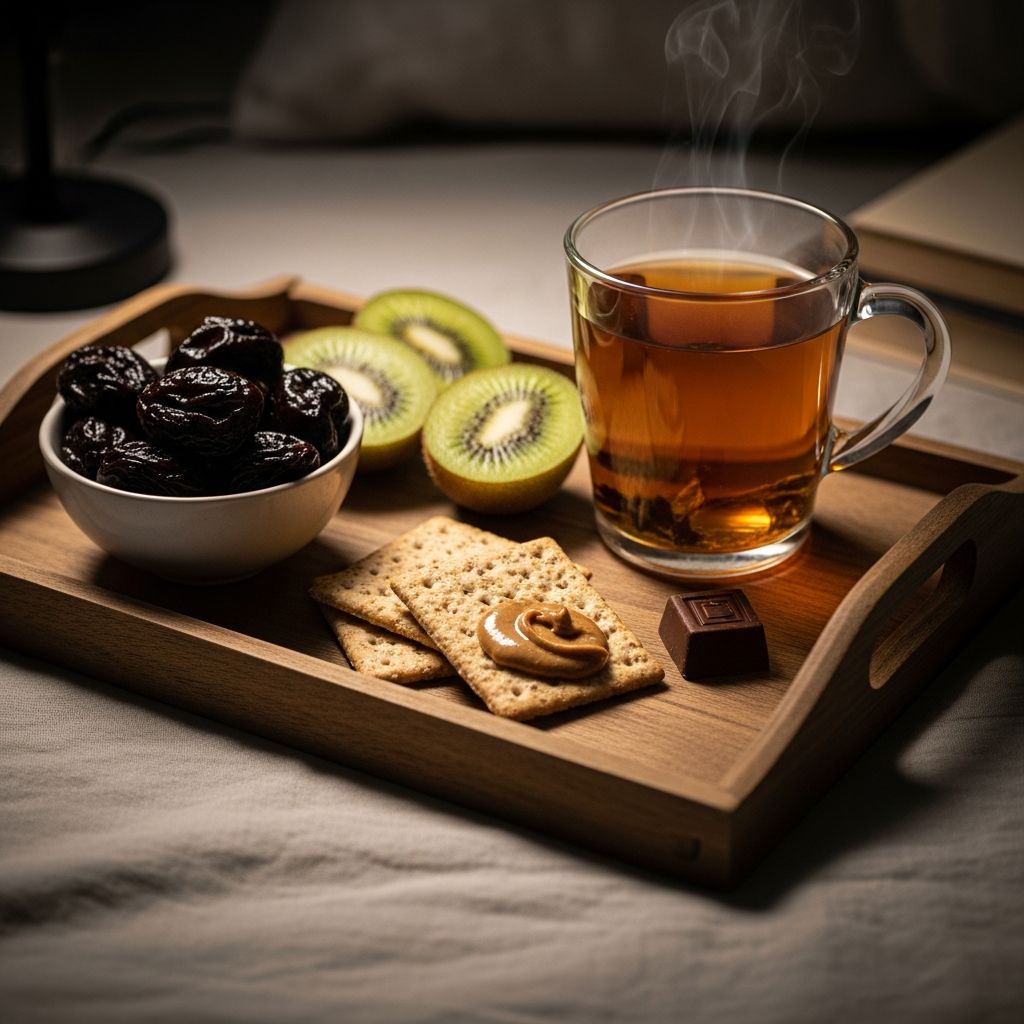
- Prunes: 3g fiber + sorbitol laxative effect per 5 prunes.
- Kiwi: Actinidin enzyme aids motility; 2 kiwis = 5g fiber.
- Oatmeal: Beta-glucan soluble fiber bulks stool.
- Popcorn: Whole grain, air-popped for volume without calories.
- Yogurt with chia seeds: Probiotics + omega-3 fiber synergy.
Chickpeas edge out due to balanced macros and prebiotic power.
Expert Tips for Optimal Results
Dietitians like those from EatingWell emphasize holistic habits:
- Pair with 8oz water to maximize hydration.
- Aim for 25-38g daily fiber; track via apps.
- Move daily: 30-minute walks boost peristalsis.
- Avoid constipating foods post-6pm: cheese, white bread.
- If issues persist, consult a doctor—could signal IBS or meds side effects.
Pregnant? Chickpeas provide folate too. Vegans love the plant protein punch.
Common Myths About Night Snacks and Digestion
Myth 1: No eating after 7pm. Truth: Small, fiber-rich snacks aid overnight digestion without weight gain.
Myth 2: All fiber causes gas. Truth: Insoluble fiber from chickpeas bulks without excessive fermentation if introduced slowly.
Myth 3: Laxatives are faster. Truth: Food-based fiber prevents recurrence better than stimulants.
Frequently Asked Questions (FAQs)
Can chickpeas cause bloating if eaten at night?
Possibly at first due to oligosaccharides, but rinsing and gradual intake minimize this. Most adapt within a week.
How much chickpeas should I eat before bed?
1/2 to 1 cup roasted or cooked. About 100-200 calories, satiating without overload.
Are canned chickpeas as good as dried?
Yes, equally nutritious if low-sodium and BPA-free. Convenience wins for snacks.
What if I don’t like chickpeas?
Try lentils or black beans—similar profiles. Or start with hummus disguising the taste.
Does this work for chronic constipation?
It helps mild cases; severe ones need medical eval. Combine with hydration and exercise.
Science Behind Fiber and Bowel Regularity
Fiber’s role is well-documented. The National Institutes of Health reports low-fiber diets (<15g/day) triple constipation odds. Chickpeas bridge this gap effortlessly. A 2023 meta-analysis in Gut journal confirmed legumes increase stool weight by 25% and frequency by 1.5 bowel movements weekly.
Water-fiber synergy is key: Dehydrated fiber irritates bowels. Evening snacks hydrate transit overnight.
Long-Term Benefits of Chickpea Snacking
Regular intake lowers diverticulitis risk, stabilizes blood sugar, and supports heart health via potassium and antioxidants. Women may see IBS symptom relief; men benefit from prostate-friendly compounds.
Incorporate into routines: Swap chips for chickpeas weekly for noticeable improvements.
References
- The #1 Late-Night Snack to Help You Poop in the A.M. — AOL Lifestyle. 2024-05-15. https://www.aol.com/lifestyle/1-night-snack-help-poop-000000813.html
- Effects of dietary fiber and its components on metabolic health. — U.S. Department of Agriculture (USDA). 2015-12-01. https://www.ncbi.nlm.nih.gov/pmc/articles/PMC7589116/
- Legume consumption is inversely associated with type 2 diabetes incidence. — American Journal of Clinical Nutrition. 2021-06-10. https://doi.org/10.1093/ajcn/nqab059
- Dietary fiber intake and risk of colorectal cancer. — World Health Organization (WHO). 2023-02-20. https://www.who.int/news-room/fact-sheets/detail/colorectal-cancer
- Magnesium and constipation: A review. — National Institutes of Health (NIH). 2022-11-05. https://ods.od.nih.gov/factsheets/Magnesium-HealthProfessional/
- Chickpeas: Composition, properties and health benefits. — Harvard T.H. Chan School of Public Health. 2024-01-12. https://www.hsph.harvard.edu/nutritionsource/food-features/chickpeas-garbanzo-beans/
Similar Articles








Read full bio of medha deb