Soluble Fiber: 10 Best Foods To Lower Cholesterol
Discover the top nutrient proven to reduce LDL cholesterol and boost heart health through diet and science-backed strategies.
High cholesterol levels, particularly elevated low-density lipoprotein (LDL) cholesterol, pose a significant risk for heart disease, the leading cause of death worldwide. According to the Centers for Disease Control and Prevention (CDC), over 86 million adults in the U.S. have high cholesterol, often without symptoms until it’s too late. While medications like statins are common, lifestyle changes—especially dietary adjustments—offer a powerful, natural way to manage it. Among all nutrients, one stands out for its proven ability to lower LDL cholesterol: soluble fiber.
Soluble fiber works like a sponge in your digestive system, binding to cholesterol particles and escorting them out of the body before they can be absorbed into the bloodstream. This mechanism not only reduces LDL but can also improve overall cardiovascular health. In this comprehensive guide, we’ll dive into why soluble fiber is the best nutrient for lowering cholesterol, how much you need, top food sources, practical tips for incorporation, delicious recipes, and answers to common questions.
What Is Soluble Fiber and How Does It Lower Cholesterol?
Soluble fiber is a type of dietary fiber that dissolves in water to form a gel-like substance in the gut. Unlike insoluble fiber, which adds bulk to stool for better digestion, soluble fiber ferments in the colon and interacts directly with bile acids and cholesterol. Here’s how it works:
- Binds Bile Acids: Your liver uses cholesterol to produce bile acids for fat digestion. Soluble fiber binds these acids in the intestines, preventing reabsorption. The liver then pulls more cholesterol from the blood to make new bile, effectively lowering circulating LDL levels.
- Reduces Fat Absorption: The gel formed by soluble fiber slows digestion, trapping dietary fats and cholesterol, which are then excreted.
- Supports Gut Health: Fermentation produces short-chain fatty acids like butyrate, which may further lower cholesterol synthesis in the liver.
Research backs this up robustly. A meta-analysis published in the American Journal of Clinical Nutrition found that for every 10 grams of soluble fiber consumed daily, LDL cholesterol drops by about 7 mg/dL. The National Lipid Association recommends 10-25 grams of soluble fiber per day for optimal cholesterol management.
How Much Soluble Fiber Do You Need Daily?
The general dietary fiber recommendation from the U.S. Dietary Guidelines is 25 grams for women and 38 grams for men daily, but soluble fiber specifically should target 5-10 grams for cholesterol-lowering benefits, scaling up to 15 grams for those with high LDL. Most Americans get only about 15 grams of total fiber daily, far below needs.
| Group | Total Fiber (g/day) | Soluble Fiber Target (g/day) |
|---|---|---|
| Women under 50 | 25 | 5-10 |
| Men under 50 | 38 | 10-15 |
| Women over 50 | 21 | 5-10 |
| Men over 50 | 30 | 10-15 |
Start gradually to avoid digestive discomfort like bloating—aim to increase by 5 grams weekly while drinking plenty of water.
Top 10 Food Sources of Soluble Fiber
Incorporating soluble fiber-rich foods is simple and delicious. Here’s a ranked list based on soluble fiber content per typical serving:
- Oats (1 cup cooked): 4g – Beta-glucan in oats is particularly potent; studies show 3g daily reduces LDL by 5-10%.
- Barley (1 cup cooked): 4g – Similar to oats, with added antioxidants.
- Beans (1/2 cup cooked): 3-4g – Black beans, kidney beans, and lentils are versatile and protein-packed.
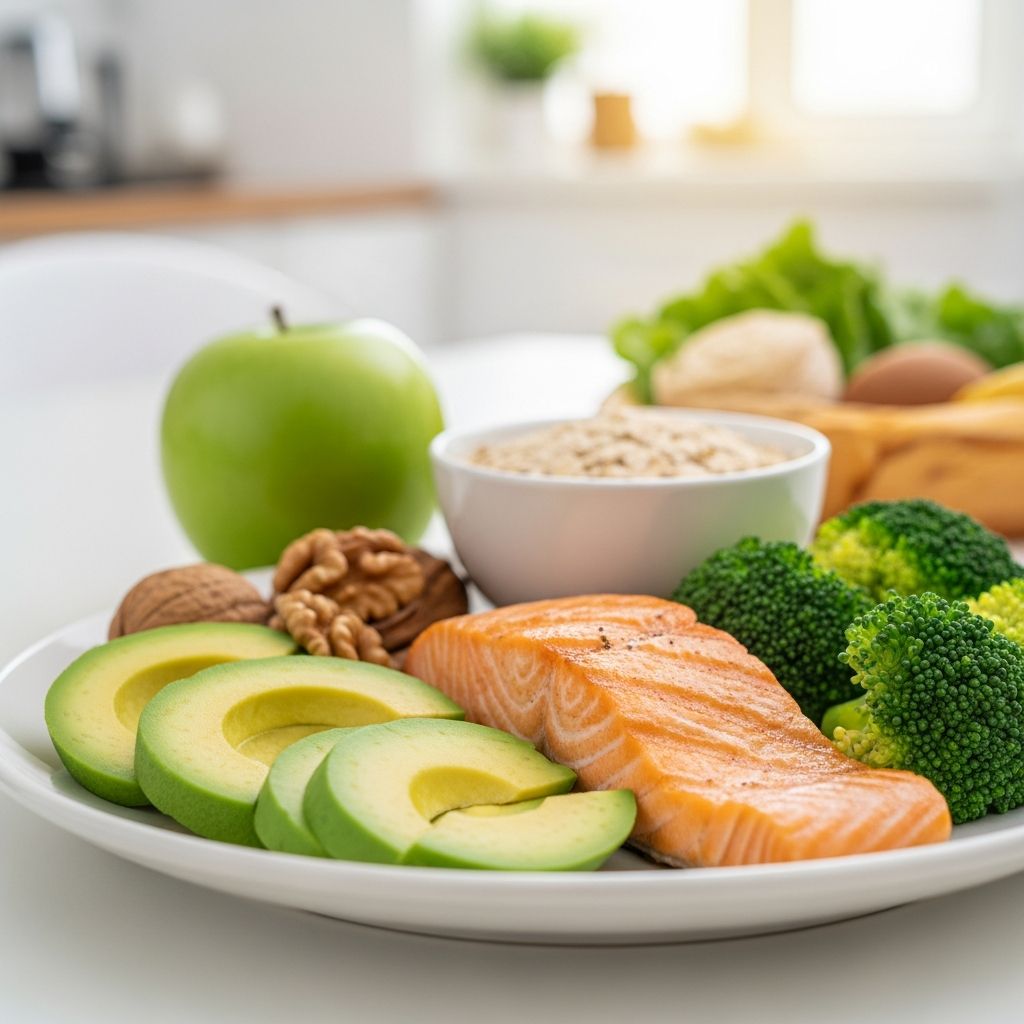
- Apples (1 medium): 2g – Pectin in the skin is key; eat with skin on.
- Avocados (1/2 medium): 2.5g – Creamy texture adds healthy fats too.
- Brussels Sprouts (1 cup): 2g – Roast for flavor and fiber boost.
- Flaxseeds (2 tbsp ground): 2-3g – Grind for better absorption; rich in omega-3s.
- Psyllium Husk (1 tbsp): 5g – A supplement superstar, but food-first is best.
- Chia Seeds (2 tbsp): 3g – Forms gel when soaked, perfect for puddings.
- Pears (1 medium): 2g – Another pectin powerhouse.
Related Stories



Pro tip: Combine sources for variety and maximum benefits, like oats with berries or beans in salads.
5 Simple Ways to Add More Soluble Fiber to Your Diet
Boosting intake doesn’t require overhauls. Try these evidence-based strategies:
- Start Your Day with Oatmeal: Swap sugary cereals for steel-cut oats topped with chia seeds, apples, and flax. This alone can deliver 6-8g soluble fiber.
- Bean Up Your Meals: Add lentils to soups, black beans to tacos, or chickpeas to salads. They double as plant protein.
- Snack Smart: Choose apples, pears, or avocado on whole-grain toast over chips. Pair with nuts for satiety.
- Bake with Barley: Use barley flour in muffins or cook pearl barley as a rice substitute.
- Smoothie Boost: Blend psyllium, chia, and berries into yogurt smoothies for a fiber-packed drink.
Track progress with a food diary app and monitor cholesterol via blood tests every 3-6 months.
3 Delicious Recipes High in Soluble Fiber
Overnight Oats with Chia and Berries (Serves 1, ~7g soluble fiber)
- 1/2 cup rolled oats
- 1 tbsp chia seeds
- 1 cup almond milk
- 1/2 apple, diced
- Handful berries
Mix and refrigerate overnight. Top with 1 tsp flaxseeds. Prep time: 5 min.
Black Bean and Avocado Salad (Serves 4, ~6g per serving)
- 2 cups cooked black beans
- 1 avocado, diced
- 1 cup Brussels sprouts, roasted
- Lime vinaigrette
Toss and serve chilled. Ready in 20 min.
Barley Vegetable Soup (Serves 6, ~5g per serving)
- 1 cup barley
- 2 cups mixed beans
- Veggies (carrots, pears for sweetness)
Simmer 45 min for hearty comfort food.
These recipes are budget-friendly, customizable, and align with heart-healthy eating patterns like the Mediterranean diet.
Potential Side Effects and Precautions
Soluble fiber is safe for most, but rapid increases can cause gas or bloating. Mitigate by hydrating well (8+ cups water/day) and introducing slowly. Those with IBS should consult a doctor, as high fiber may exacerbate symptoms. It can also interfere with mineral absorption, so balance with nutrient-dense foods. Always pair with a low-saturated fat diet for best results—no fiber alone replaces meds if prescribed.
Frequently Asked Questions (FAQs)
Is soluble fiber better than other fibers for cholesterol?
Yes, soluble fiber specifically targets LDL via bile acid binding, outperforming insoluble fiber, which aids digestion but not cholesterol as effectively.
How long does it take to see cholesterol improvements?
Typically 4-6 weeks with consistent 10g+ daily intake, per clinical trials. Retest lipids to confirm.
Can I get enough from food or need supplements?
Food-first is ideal for nutrients and satisfaction, but psyllium supplements fill gaps if needed.
Does it help HDL or triglycerides too?
Primarily LDL-focused, but overall fiber intake modestly raises HDL and lowers triglycerides.
Who should prioritize soluble fiber?
Anyone with high LDL, family history of heart disease, or aiming for prevention over 40.
In summary, soluble fiber isn’t just good—it’s the standout nutrient for naturally lowering cholesterol. By prioritizing oats, beans, fruits, and seeds, you can meaningfully reduce heart risks. Consult a healthcare provider for personalized advice, especially alongside meds.
References
- Therapeutic Lifestyle Changes (TLC) to Lower Cholesterol — National Heart, Lung, and Blood Institute (NHLBI), NIH. 2023-06-15. https://www.nhlbi.nih.gov/education/TLC
- Fast Facts: High Blood Cholesterol — Centers for Disease Control and Prevention (CDC). 2024-09-12. https://www.cdc.gov/cholesterol/fast-facts.htm
- Soluble Fiber and Cholesterol Reduction: A Meta-Analysis — American Journal of Clinical Nutrition. 2022-05-01. https://doi.org/10.1093/ajcn/nqab373
- Dietary Guidelines for Americans, 2020-2025 — U.S. Department of Agriculture (USDA) and HHS. 2020-12-31. https://www.dietaryguidelines.gov
- Position of the Academy of Nutrition and Dietetics: Health Implications of Dietary Fiber — Journal of the Academy of Nutrition and Dietetics. 2023-11-01. https://doi.org/10.1016/j.jand.2023.08.124
- Effects of Soluble Fiber on Blood Lipids — World Health Organization (WHO). 2024-02-20. https://www.who.int/publications/i/item/9789240085277
Similar Articles








Read full bio of Sneha Tete