Best Packaged Foods For Blood Sugar: 10 Effective Picks
Discover top packaged foods that help stabilize blood sugar levels and support diabetes management with expert-recommended picks.
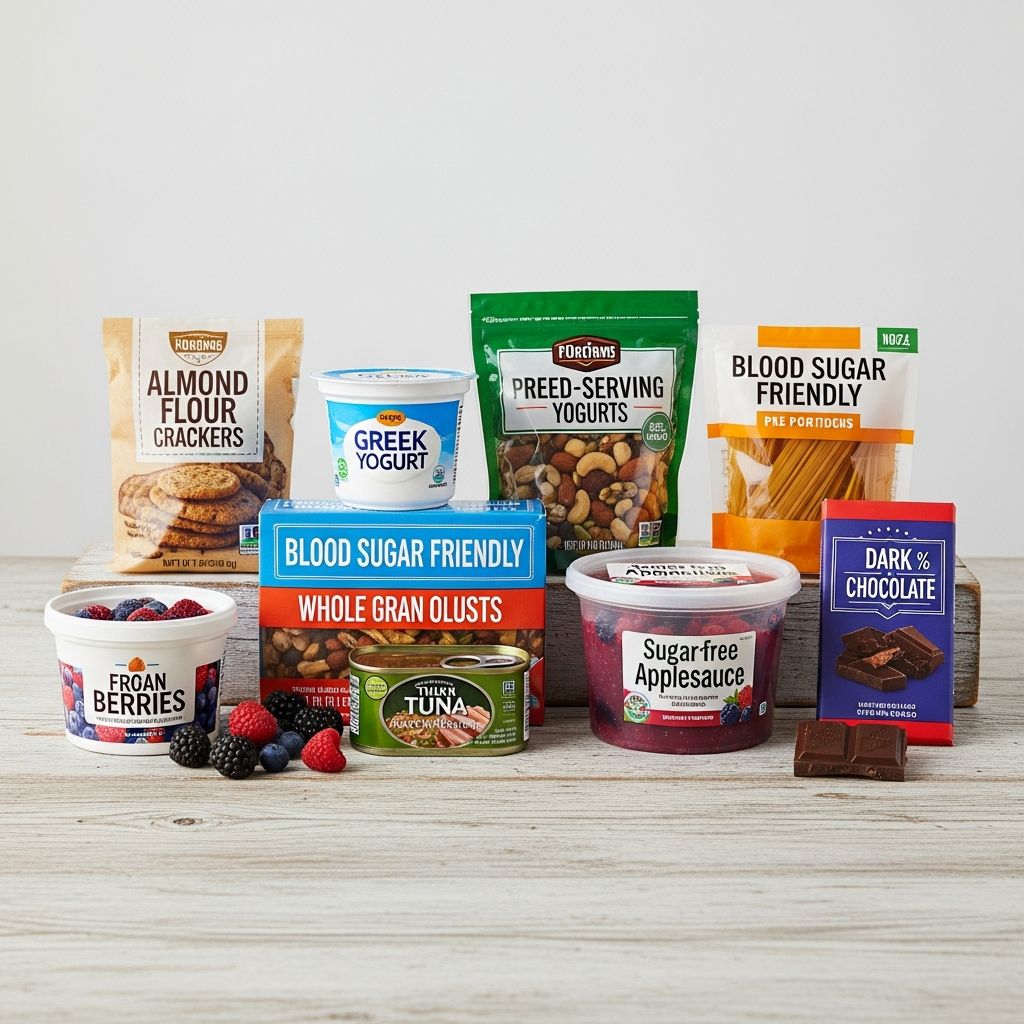
Managing blood sugar levels is crucial for individuals with diabetes, prediabetes, or anyone aiming to maintain steady energy throughout the day. While fresh foods are ideal, packaged options can be convenient allies when chosen wisely. The key is selecting items low in added sugars, refined carbs, and high in fiber, protein, and healthy fats. These foods help prevent spikes and crashes in blood glucose, promoting better overall health. According to research, higher prices of healthy foods like produce and low-fat dairy correlate with elevated blood sugar in type 2 diabetes patients, underscoring the value of accessible packaged alternatives.
What Makes a Packaged Food Blood Sugar-Friendly?
Blood sugar-friendly packaged foods share specific nutritional traits that slow digestion and absorption of carbohydrates. Look for products with at least 3 grams of fiber per serving, 5-10 grams of protein, and minimal added sugars (under 5 grams). Healthy fats from nuts or seeds further stabilize glucose levels. The American Diabetes Association emphasizes non-starchy vegetables, lean proteins, quality carbs from whole grains and fruits, and healthy fats as foundational elements of a diabetes-friendly diet.
- High fiber content: Soluble fiber forms a gel in the gut, slowing sugar release into the bloodstream.
- Protein and healthy fats: These macronutrients delay gastric emptying, preventing post-meal spikes.
- Low glycemic index (GI): Foods scoring under 55 on the GI scale cause gradual blood sugar rises.
- No added sugars or refined grains: Avoid ingredients like high-fructose corn syrup, white flour, or sugary coatings.
Beans and lentils, for instance, are rich in magnesium, fiber, and protein, which collectively lower blood sugar and combat post-meal spikes due to their soluble fiber and resistant starch. Incorporating such packaged staples ensures convenience without compromising glycemic control.
Top Packaged Foods for Steady Blood Sugar
Here are expert-curated packaged foods that excel in blood sugar management. Each selection is evaluated for nutritional profile, availability, and real-world efficacy based on dietary guidelines and studies.
1. Nuts and Seeds
Unsalted almonds, walnuts, pistachios, chia seeds, and pumpkin seeds top the list for blood sugar stability. A handful (about 1 ounce) provides 4-7 grams of fiber, 6 grams of protein, and monounsaturated fats that blunt glucose responses. Studies show nuts like almonds and peanuts lower post-meal blood sugar in type 2 diabetes patients when part of a low-carb diet. Opt for raw or dry-roasted varieties without added oils or sugars.
| Nut/Seed | Fiber (g/oz) | Protein (g/oz) | Key Benefit |
|---|---|---|---|
| Almonds | 3.5 | 6 | Rich in magnesium for insulin sensitivity |
| Walnuts | 1.9 | 4 | Omega-3s reduce inflammation |
| Chia Seeds | 10 | 5 | Forms gel to slow carb absorption |
2. Canned Beans and Lentils
Low-sodium canned black beans, chickpeas, lentils, and edamame are powerhouse options. A half-cup serving delivers 7-8 grams of fiber and 8 grams of protein, plus resistant starch that resists digestion and stabilizes glucose. Rinse to reduce sodium by 40%. These mimic whole foods recommended by the ADA for quality carbs.
3. Greek Yogurt and Cottage Cheese
Plain, unsweetened Greek yogurt (full-fat or low-fat) and low-fat cottage cheese offer 15-20 grams of protein per serving with minimal carbs. Probiotics in yogurt may enhance insulin sensitivity. Pair with berries for added fiber. Research links low-fat dairy consumption to better blood sugar control, especially when prices are accessible.
Related Stories



4. Canned Fish
Water-packed tuna, salmon, sardines, and mackerel provide omega-3 fatty acids, protein (20g per can), and no carbs. Seafood slows digestion, preventing surges and aiding weight management key to blood sugar health. Choose BPA-free cans.
5. Avocado (Packaged Guacamole or Whole)
Single-serve guacamole or vacuum-packed avocados boast healthy fats and fiber (7g per half-avocado). Monounsaturated fats improve insulin response.
6. Whole Grain Products
Steel-cut oatmeal packets, quinoa pouches, and whole-grain crackers (e.g., those with >3g fiber/slice) qualify. Avoid instant varieties with added sugars. Whole grains align with ADA’s quality carb recommendations.
7. Frozen Berries and Vegetables
Unsweetened frozen blueberries, strawberries, spinach, and broccoli retain nutrients and fiber. Berries’ antioxidants reduce inflammation and diabetes complications.
8. Nut Butters
Natural almond or peanut butter (just nuts and salt) offers protein and fats. Spread on celery for a balanced snack.
9. Dark Chocolate (70%+ Cocoa)
Small squares provide flavonoids that may improve insulin sensitivity, in moderation (under 5g sugar).
10. Jerky and Protein Bars
Low-sugar beef or turkey jerky, and bars with <5g sugar,>10g protein, >3g fiber.
How to Read Labels for Blood Sugar Success
Mastering nutrition labels is essential. Prioritize total carbs minus fiber (net carbs <20g>
- Check total sugars: Native vs. added (listed separately since 2020).
- Scan for hidden carbs: Maltodextrin, fruit juice concentrate.
- Verify protein/fiber ratio: Aim for 1:1 or better.
Sample Meal Ideas Using Packaged Foods
- Breakfast: Greek yogurt with frozen berries and chia seeds.
- Lunch: Canned tuna salad on whole-grain crackers with canned green beans.
- Snack: Apple slices with almond butter.
- Dinner: Quinoa pouch with chickpeas, canned salmon, and frozen kale.
- Dessert: Dark chocolate square and a few nuts.
These meals keep net carbs low while maximizing satiety, aligning with evidence that balanced macros prevent blood sugar volatility.
Frequently Asked Questions (FAQs)
Can packaged foods really help manage blood sugar?
Yes, when selected for high fiber, protein, and low added sugars, they mimic fresh foods’ benefits and support steady glucose per ADA guidelines.
Are canned beans healthy for diabetes?
Absolutely; their fiber and protein slow digestion, reducing spikes. Rinse to cut sodium.
How much nuts can I eat daily?
1-1.5 ounces (a small handful) to gain benefits without excess calories.
Is Greek yogurt better than regular?
Yes, due to higher protein and lower carbs, aiding satiety and control.
What if I have nut allergies?
Substitute with seeds, canned fish, or yogurt for similar stabilizing effects.
Potential Pitfalls and Tips
Watch for portion creep in calorie-dense nuts or yogurts. Combine with veggies for bulk. Low-income individuals may face barriers, as higher healthy food prices link to poorer control—seek store brands. Consult a dietitian for personalization.
In summary, these packaged heroes make blood sugar management feasible and flavorful, backed by science for long-term wellness.
References
- The Association Between Food Prices and the Blood Glucose Level Among US Adults With Type 2 Diabetes — American Journal of Public Health (PMC). 2014-04-17. https://pmc.ncbi.nlm.nih.gov/articles/PMC4025723/
- The 5 Best Foods to Help Regulate Your Blood Sugar Levels — St. Mary’s Health Care System. 2023-03-31. https://www.stmaryshealthcaresystem.org/blog-articles/5-best-foods-help-regulate-your-blood-sugar-levels
- Tips for Eating Well – American Diabetes Association — American Diabetes Association. Accessed 2026. https://diabetes.org/food-nutrition/eating-healthy
Similar Articles








Read full bio of medha deb