Best Prebiotic Foods for Better Gut Health
Boost your gut health with these top prebiotic-rich foods that nourish beneficial bacteria and promote overall wellness.
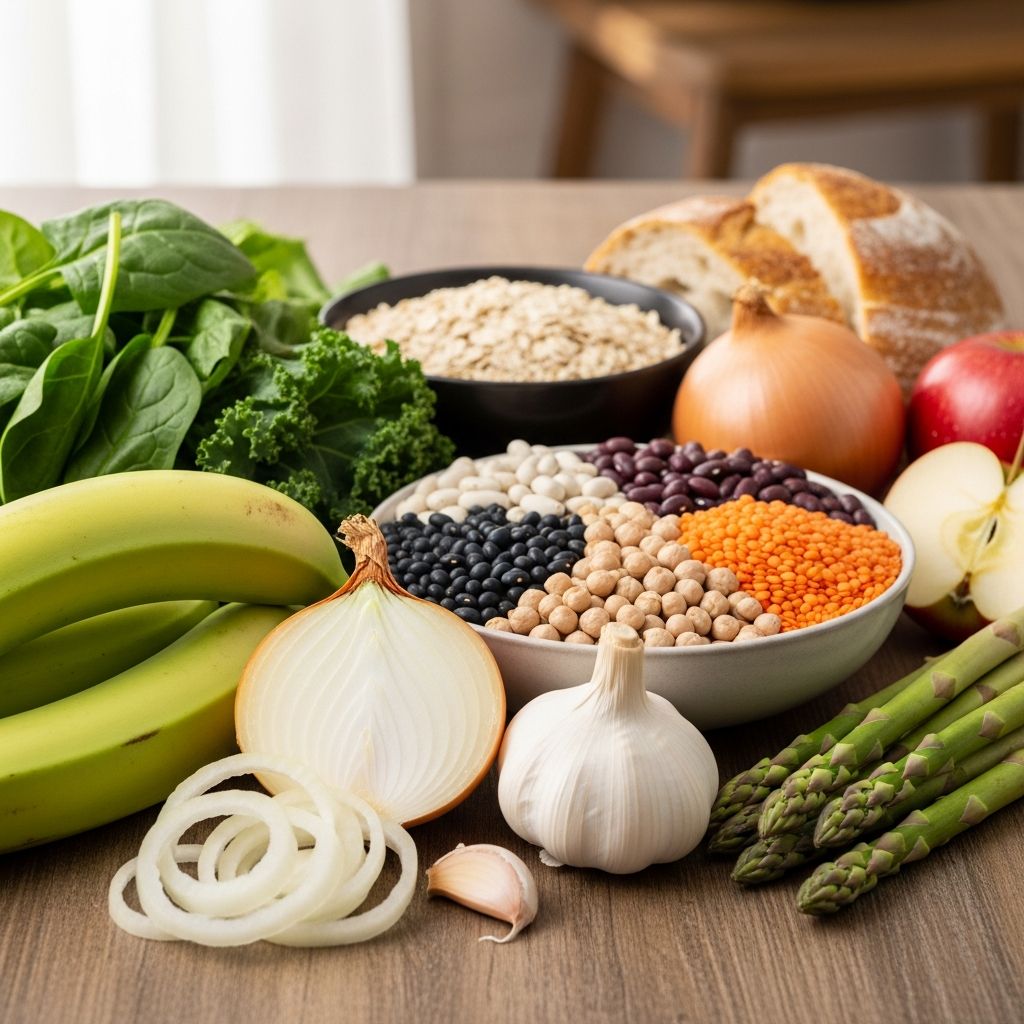
Prebiotics are non-digestible fibers that serve as food for beneficial gut bacteria, promoting a healthy microbiome essential for digestion, immunity, and overall well-being. By incorporating prebiotic-rich foods into your diet, you can enhance gut health naturally.
What Are Prebiotics?
Prebiotics are specialized plant fibers that humans cannot digest but that gut bacteria ferment in the colon, producing short-chain fatty acids (SCFAs) like butyrate, acetate, and propionate. These SCFAs provide energy to colon cells, reduce inflammation, strengthen the gut barrier, and support metabolic health.
Unlike probiotics, which are live beneficial bacteria, prebiotics act as their fertilizer, selectively stimulating the growth of good microbes such as Bifidobacteria. Common prebiotics include inulin, fructooligosaccharides (FOS), galactooligosaccharides (GOS), and resistant starch.
Prebiotics vs. Probiotics: What’s the Difference?
Probiotics introduce live beneficial bacteria, often found in fermented foods like yogurt or kefir, while prebiotics nourish existing gut bacteria. Together, they create synergy for optimal gut balance—prebiotics fuel probiotics for maximum effect.
- Probiotics: Live microbes (e.g., in yogurt, kimchi).
- Prebiotics: Fibers that feed good bacteria (e.g., in onions, garlic).
- Synbiotics: Combination of both for enhanced benefits.
Health Benefits of Prebiotics
A diet rich in prebiotics offers wide-ranging advantages, supported by research from credible institutions.
- Improved Digestion: Prebiotics regulate bowel movements, relieve constipation, and promote regularity by increasing beneficial bacteria.
- Enhanced Nutrient Absorption: They boost calcium and mineral uptake, supporting bone density.
- Metabolic Health: SCFAs help regulate blood sugar, insulin sensitivity, and appetite hormones, aiding weight management.
- Immune Support: By reducing gut inflammation and strengthening the barrier, prebiotics lower infection risk and allergy potential.
- Heart Health: Fibers like beta-glucan lower LDL cholesterol and cardiovascular risk.
- Reduced Inflammation and Disease Risk: Benefits include lower colon cancer risk, balanced hormones, and mood regulation.
Studies indicate 3-5 grams daily can meaningfully impact gut health, though most people get enough from a varied plant-based diet.
19 Best Prebiotic Foods to Eat
Here are the top prebiotic foods, ranked by fiber content and research-backed benefits. Aim to include a variety daily, preferably raw or minimally cooked to preserve fibers.
Chicory Root
Chicory root contains about 68% inulin fiber, which improves digestion, bowel function, and relieves constipation. Use it in teas or as a coffee substitute.
Dandelion Greens
Rich in inulin, these greens can be eaten raw in salads or cooked. They support gut flora and provide antioxidants.
Jerusalem Artichoke (Sunchoke)
High in inulin, this sunflower relative boosts friendly bacteria and mineral absorption in the colon.
Garlic
Garlic promotes Bifidobacteria growth and inhibits harmful bacteria. Add raw or cooked to meals for flavor and gut benefits.
Onions
Packed with inulin and FOS, onions strengthen gut flora and aid fat metabolism. Versatile in soups, salads, or raw.
Leeks
Similar to onions, leeks offer inulin for healthy bacteria and low-calorie nutrition.
Asparagus
Contains inulin and supports gut motility. Grill or steam for best results.
Bananas (Slightly Green)
Green bananas provide resistant starch, a prebiotic that feeds good bacteria.
Barley
Beta-glucan in barley lowers cholesterol and blood sugar while acting as a prebiotic.
Oats
Whole oats deliver beta-glucan and resistant starch, plus phytochemicals for cholesterol reduction.
Apples
Pectin in apples has prebiotic effects, fostering short-chain fatty acid production.
Konjac Root
High in glucomannan, a viscous prebiotic fiber for satiety and gut health.
Cocoa
Polyphenols in cocoa act as prebiotics, supporting microbiome diversity.
Burdock Root
Inulin and FOS-rich, used in Asian cuisine for digestive support.
Flaxseeds
Fiber and phenolics promote regularity and healthy bacteria.
Yacon Root
Rich in FOS and inulin with antioxidant properties, similar to sweet potatoes.
Jicama Root
Inulin helps digestion, insulin sensitivity, and blood sugar control.
Wheat Bran
High-fiber source for bowel health and bacteria growth.
Seaweed
Polysaccharides feed gut microbes; low-calorie addition to meals.
Avocado
Pectin and fiber increase good bacteria and SCFAs while reducing bile acids.
How to Incorporate Prebiotic Foods into Your Diet
Start small to avoid bloating, as gut bacteria adjust. Combine with probiotics for best results.
- Breakfast: Oats with banana and flaxseeds.
- Lunch: Salad with onions, garlic, leeks, and avocado.
- Dinner: Barley stir-fry with asparagus and Jerusalem artichokes.
- Snacks: Apple slices, jicama sticks, or dandelion greens smoothie.
Aim for 25-30g fiber daily from diverse sources. Hydrate well and chew thoroughly.
Potential Side Effects and Precautions
High prebiotic intake may cause gas or bloating initially, especially for low-fiber diets. Gradually increase and consult a doctor if you have IBS or FODMAP sensitivity. Those on antibiotics benefit from prebiotics to restore flora.
Related Stories



Frequently Asked Questions (FAQs)
What are the best prebiotic foods for beginners?
Start with garlic, onions, bananas, oats, and apples—they’re accessible and versatile.
How much prebiotics do I need daily?
3-5 grams can benefit gut health; a varied diet typically provides this.
Can prebiotics help with weight loss?
Yes, by regulating appetite, blood sugar, and promoting fullness via SCFAs.
Are prebiotic supplements necessary?
No, food sources are ideal and provide additional nutrients. Supplements if diet lacks variety.
Do cooking destroy prebiotics?
Some fibers degrade with heat; eat raw when possible for full benefits.
References
- The Importance of Prebiotics — Brown University Health. 2023. https://www.brownhealth.org/be-well/importance-prebiotics
- Food as Medicine: Prebiotic Foods — Children’s Hospital of Philadelphia. 2024. https://www.chop.edu/health-resources/food-medicine-prebiotic-foods
- The 19 Best Prebiotic Foods You Should Eat — Healthline (reviewing peer-reviewed studies). 2025. https://www.healthline.com/nutrition/19-best-prebiotic-foods
- Go with your gut: A guide to probiotics and prebiotics — Baylor College of Medicine. 2025-04-28. https://blogs.bcm.edu/2025/04/28/go-with-your-gut-a-guide-to-probiotics-and-prebiotics/
- Prebiotics & Probiotics — Guts UK Charity (.org). 2024. https://gutscharity.org.uk/advice-and-information/health-and-lifestyle/prebiotics-probiotics/
- Probiotics and prebiotics: What you should know — Mayo Clinic. 2024. https://www.mayoclinic.org/healthy-lifestyle/nutrition-and-healthy-eating/expert-answers/probiotics/faq-20058065
Similar Articles








Read full bio of medha deb