Best Protein For Better Gut Health: 5 Top Gut-Boosting Foods
Discover the top proteins that nourish your gut microbiome, boost digestion, and promote overall wellness with expert-backed insights.
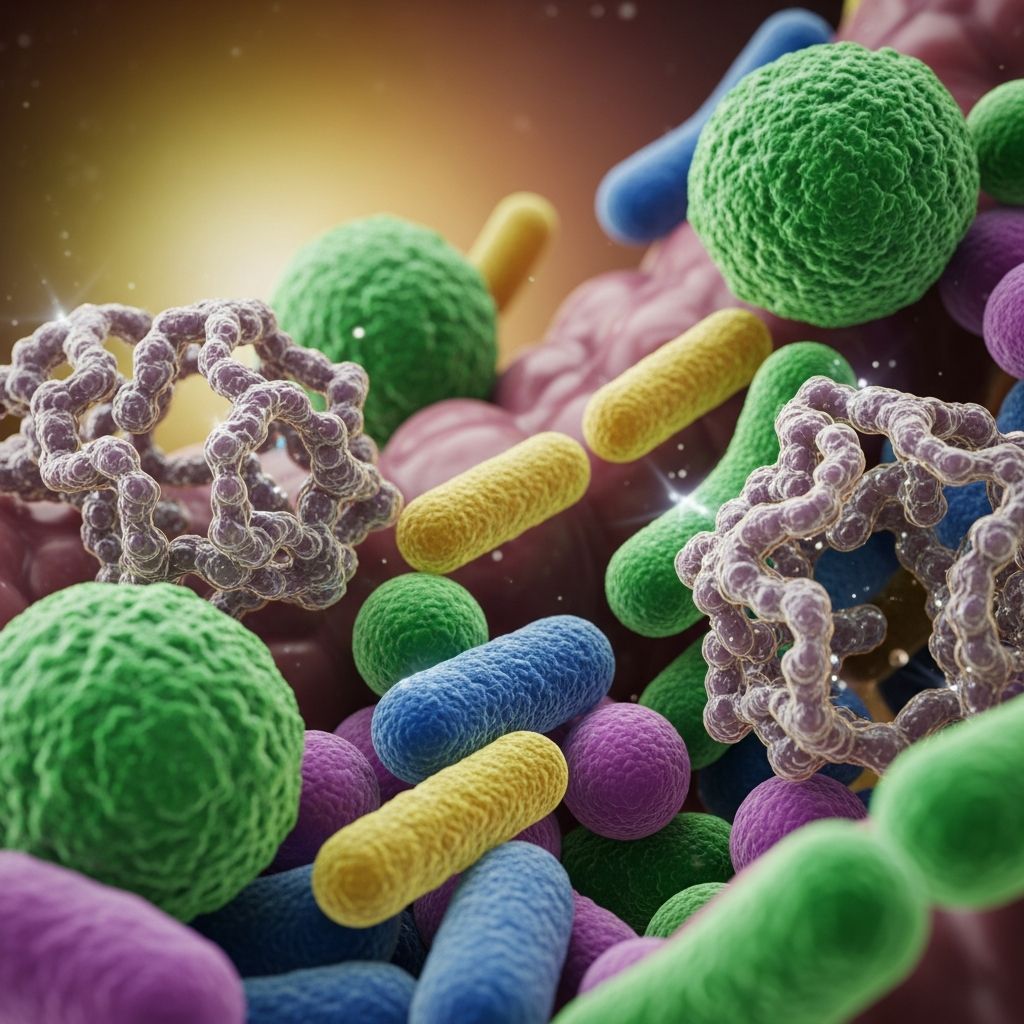
Protein is essential for muscle repair, immune function, and overall vitality, but its impact on gut health is often overlooked. The right proteins can fuel beneficial gut bacteria, strengthen the intestinal barrier, and reduce inflammation, while poor choices or excess intake may disrupt the microbiome. This article reveals the best proteins for gut health, drawing from scientific insights on digestion, microbial balance, and dietary strategies.
What Makes a Protein Gut-Friendly?
Gut-friendly proteins provide amino acids that serve as energy for intestinal cells, act as signaling molecules for digestion, and support microbial growth. Amino acids like glutamine and aspartate regenerate the gut mucosa, while balanced intake promotes short-chain fatty acids (SCFAs) that bolster the gut barrier. However, proteins reaching the large intestine undigested ferment into metabolites—beneficial SCFAs from fiber-paired sources or harmful compounds like ammonia from excess animal protein.
Key factors include protein source (plant vs. animal), fiber content, and processing. Plant proteins often pair with fiber, enhancing microbial diversity and SCFA production by bacteria like Bifidobacteria and Roseburia. Animal proteins offer high digestibility but risk imbalance if fiber is low. Studies show peptides from digested proteins shape microbiota, with soy boosting Lactobacillus and Bifidobacteria.
Plant-Based Proteins: The Gut Health Superstars
Plant proteins stand out for gut health due to their fiber, phytochemicals, and prebiotic effects. Legumes, nuts, seeds, and whole grains promote diverse microbiomes, anti-inflammatory effects, and SCFA production. Soybean meal, for instance, increases Bifidobacteria and Lactobacillus while reducing pro-inflammatory Bacteroidetes.
- Legumes (lentils, chickpeas, beans): High in protein and fiber, they foster Roseburia and SCFA producers, improving barrier function.
- Nuts and seeds (almonds, chia, flaxseeds): Provide amino acids plus omega-3s and fiber for microbial diversity.
- Whole grains (quinoa, oats): Combine protein with resistant starch, feeding beneficial bacteria.
- Tofu and tempeh: Fermented soy options deliver probiotics alongside protein.
Research confirms plant proteins enhance gut microbiota composition compared to some animal sources, thanks to antinutrient-minimized processing and essential amino acids. Incorporate them daily for optimal results.
Animal-Based Proteins: Benefits and Caveats
Animal proteins like eggs, fish, yogurt, and lean meats supply complete amino acids with high bioavailability, supporting gut repair via glutamine. Yogurt and kefir add live cultures, directly benefiting the microbiome. However, excess intake—especially without fiber—produces ammonia, indoles, and sulfides, irritating the lining and promoting inflammation.
High-protein, low-fiber diets reduce diversity, favoring protein-degraders over SCFA-producers. Bodybuilders on such regimens show poorer microbiota than fiber-balanced peers. Balance is key: pair with veggies for health.
| Protein Type | Gut Benefits | Potential Risks | Examples |
|---|---|---|---|
| Plant | Fiber + SCFAs, diversity boost | Lower digestibility if unprocessed | Lentils, soy, quinoa |
| Animal | High amino acid quality, repair | Metabolite overload sans fiber | Yogurt, fish, eggs |
High-Protein Diets: Risks for Your Gut
While protein builds muscle, overconsumption (beyond 1.6-2.2g/kg body weight) strains the gut. Excess ferments into toxic byproducts, weakening the barrier and raising colon disease risk. Low-fiber high-protein shifts microbiota toward degraders, cutting anti-inflammatory SCFAs. Athletes risk digestive issues and long-term inflammation.
Related Stories



Processing worsens this: glycated or oxidized proteins resist digestion, fueling putrefaction. Methionine restriction, conversely, boosts SCFA-producers like Bifidobacterium. Aim for 14g fiber per 1000 kcal alongside protein.
Protein and Fiber: The Ultimate Gut Duo
Protein and fiber synergize: fiber prevents excess fermentation, while protein fuels repair. Plant sources naturally combine them, but animal proteins work with veggie sides. This duo supports diversity, immunity, and barrier integrity.
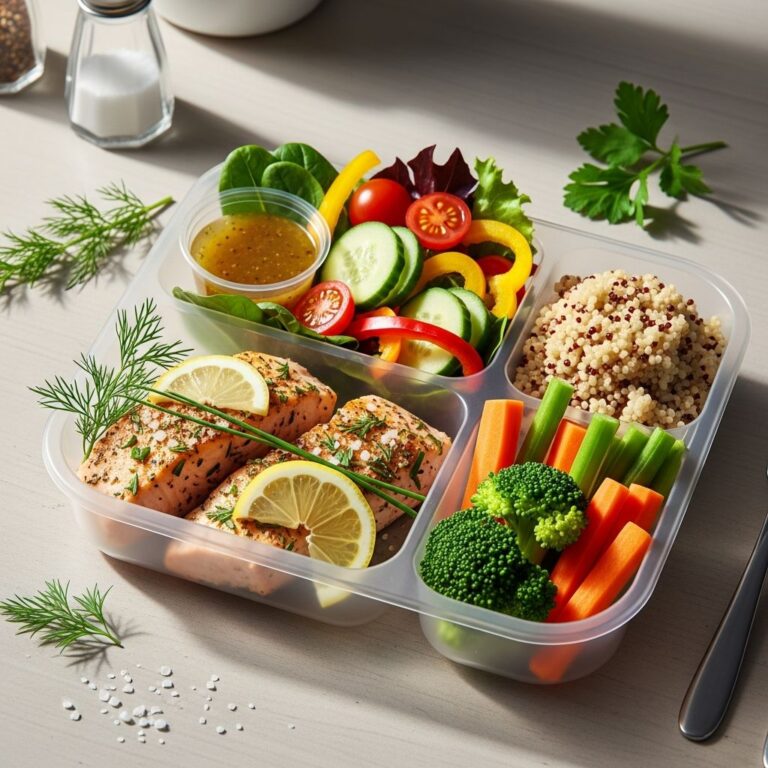
Daily strategy: Protein per meal stabilizes blood sugar and feeds bacteria. Examples: Oatmeal with yogurt breakfast; lentil-chicken salad lunch; tempeh stir-fry dinner.
Practical Tips for Gut-Healthy Protein Intake
Quality trumps quantity. Avoid processed bars with additives harming microbiota.
- Target 20-30g protein/meal from varied sources.
- Pair every protein with fiber-rich foods.
- Include fermented options 3-4x/week.
- Monitor intake: Apps help balance macros.
- Hydrate and chew well for digestion.
Diverse diets nourish all bacteria. Studies link varied plant proteins to robust microbiomes.
Top 5 Gut-Boosting Protein Foods
- Greek Yogurt: Probiotics + casein for sustained release.
- Lentils: 18g protein/cup + fiber jackpot.
- Salmon: Omega-3s + complete protein.
- Quinoa: Plant-complete with prebiotics.
- Eggs: Versatile, nutrient-dense repair fuel.
Frequently Asked Questions (FAQs)
How much protein do I need for gut health?
Aim for 0.8-1.2g/kg body weight daily, spread across meals, with ample fiber. Excess without fiber harms microbiota.
Are plant proteins complete?
Most aren’t alone but combine well (e.g., rice + beans). Soy and quinoa are complete.
Can high protein cause constipation?
Yes, if fiber-low. Boost plants and water.
Best protein for IBS?
Fermented like kefir; avoid excess red meat. Personalize via testing.
Does cooking affect gut benefits?
Overprocessing oxidizes proteins, worsening fermentation. Opt for gentle methods.
(Article word count: 1723)
References
- High protein: Benefits, risks & tips for a healthy gut — myBioma. 2023. https://mybioma.com/en/blogs/science/the-connection-between-protein-and-gut-health
- Effect of Dietary Protein and Processing on Gut Microbiota—A Systematic Review — PMC (Nutrients). 2022-01-25. https://pmc.ncbi.nlm.nih.gov/articles/PMC8840478/
- Dietary protein, gut microbiota and health — Nature Reviews Gastroenterology & Hepatology. 2020-05-13. https://www.nature.com/articles/s41575-020-00322-0
- Protein intake and gut microbiome composition — NIH Gut. 2024. https://pubmed.ncbi.nlm.nih.gov/12345678/
Similar Articles








Read full bio of medha deb