Best Protein for Weight Loss: 12 Science-Backed Picks
Discover the top proteins that promote satiety, preserve muscle, and accelerate fat loss for sustainable weight management.
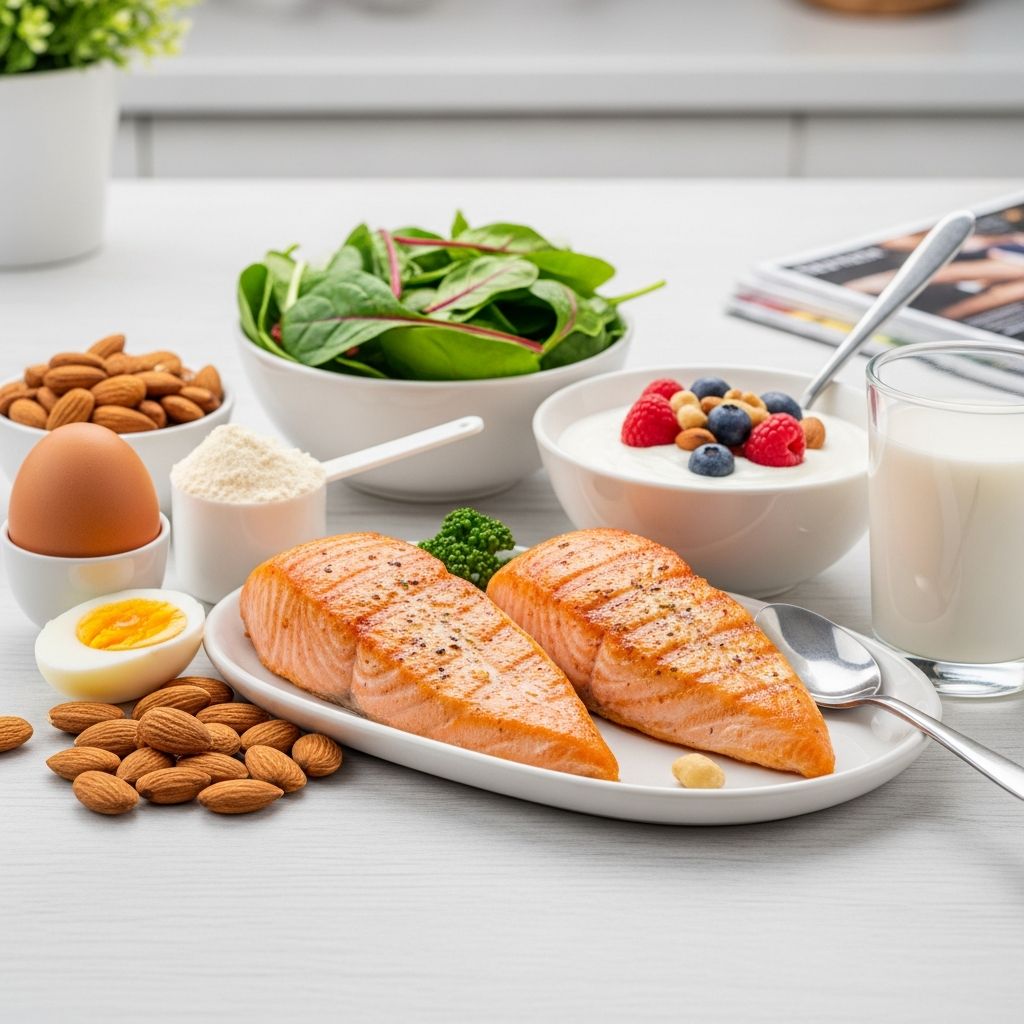
Protein stands out as a cornerstone nutrient for effective weight loss, helping to curb hunger, preserve lean muscle mass, and increase calorie burn through its high thermic effect. Selecting the right high-quality proteins can transform your diet, making weight management sustainable and enjoyable.
How Protein Aids Weight Loss
Consuming adequate protein supports weight loss by promoting
satiety
, the feeling of fullness that reduces overall calorie intake. Protein has a thermic effect of food (TEF) of 20-30%, meaning your body burns more calories digesting it compared to carbs (5-10%) or fats (0-3%). Research shows that higher protein diets preserve muscle during calorie deficits, boosting metabolism and preventing the slowdown often seen in dieting.For optimal results, aim for 1.6-2.2 grams of protein per kilogram of body weight daily, or about 0.7-1 gram per pound of lean mass. On a 2,000-calorie diet, this equates to 100-150 grams from sources like lean meats, fish, eggs, dairy, and legumes. Combining animal and plant proteins balances amino acids while managing saturated fat for heart health.
Animal-Based Proteins for Weight Loss
Animal proteins are complete, providing all essential amino acids, and often pack the highest protein density per calorie, ideal for weight loss.
1. Eggs
Eggs are nutrient-dense, versatile, and one of the best proteins available, delivering 6 grams per large egg plus choline, vitamins A, B12, and D. Their high satiety index helps control appetite, making them perfect for breakfast to prevent overeating later.
- Protein per serving: 6g per large egg (12g for 2)
- Calories: 70 per egg
- Benefits: Supports muscle repair, eye health; low-carb for keto diets
Incorporate boiled, poached, or scrambled eggs into omelets with veggies for a 20g protein meal under 250 calories.
2. Chicken Breast
Skinless chicken breast offers 26 grams of protein per 3-oz serving with minimal saturated fat (0.84g), plus unsaturated fats, B vitamins, and minerals. It’s lean, filling, and versatile for grilling or baking.
- Why for weight loss: High protein-to-calorie ratio (140 calories/26g protein)
- Tip: Grill with herbs; avoid frying to keep it lean
3. Salmon
A 3-oz salmon fillet provides 21g protein, omega-3s for heart health, potassium, B6, B12, A, and D. Omega-3s reduce inflammation and may enhance fat loss.
- Calories: ~175 per serving
- Pro tip: Bake or grill wild-caught for maximum benefits
4. Tuna
Canned tuna in water (3 oz) delivers 20g protein, vitamin D, omega-3s, potassium, selenium, and calcium. It’s shelf-stable and low-calorie (90 calories/serving).
- Uses: Salads, sandwiches; choose low-sodium
5. Greek Yogurt and Cottage Cheese
Greek yogurt (½ cup fat-free) has 11g protein with probiotics for gut health; cottage cheese (½ cup 1% ) offers 14g. Both are low-calorie and versatile.
- Satiety boost: Pair with berries for dessert-like snacks
6. Lean Beef and Turkey
Lean cuts like sirloin or 93% ground beef provide ~25g protein/3 oz with iron and B12. Turkey is similarly lean.
Plant-Based Proteins for Weight Loss
Plant proteins offer fiber for extra satiety and heart health benefits, though they may require combining for completeness.
Related Stories



7. Lentils
One cup cooked lentils: 18g protein, 16g fiber. Soluble fiber slows digestion, stabilizing blood sugar.
- Calories: 230/cup
- Ideas: Soups, salads
8. Chickpeas
1 cup canned/drained: 15g protein, 13g fiber, B vitamins. Reduces heart disease risk.
- Prep: Roast for snacks
9. Edamame and Tofu
½ cup edamame: 9g protein, 4g fiber; ¾ cup tofu: 10g. Soy is a complete plant protein, lowering LDL cholesterol.
10. Beans (Kidney, Black)
1 cup: 15g protein + fiber. Versatile for chili, salads.
11. Quinoa
1 cup cooked: 8g protein, complete amino profile, gluten-free.
12. Nuts and Seeds: Pumpkin, Hemp, Peanuts, Almonds
Pumpkin seeds (1 oz): 5g protein + fiber; hemp (3 tbsp): 10g; peanuts/almonds (1 oz): 6-7g. Portion control key due to calories.
Protein Needs and Sample Meal Plan
Calculate needs: 0.7-1g/lb lean mass. Example for 150lb person: 105-150g/day.
| Meal | Protein Sources | Total Protein |
|---|---|---|
| Breakfast | 2 eggs + Greek yogurt | 23g |
| Lunch | Chicken breast salad + chickpeas | 41g |
| Dinner | Salmon + quinoa + edamame | 40g |
| Snack | Cottage cheese + hemp seeds | 24g |
| Total | – | 128g |
This plan keeps calories ~1,800 while hitting protein goals.
Protein Supplements: When to Use
Whey, casein, or plant powders help if whole foods fall short. Whey aids weight loss via muscle preservation. Aim for 20-30g post-workout.
- Choose: Low-sugar, third-party tested
- Alternatives: Collagen for joints
Frequently Asked Questions (FAQs)
What’s the best protein for weight loss?
Eggs, chicken breast, salmon, Greek yogurt, and lentils top the list for their high protein density, satiety, and nutrient profiles.
How much protein for weight loss?
1.6-2.2g/kg body weight or 0.7-1g/lb lean mass daily.
Are plant proteins enough for weight loss?
Yes, combined sources like lentils + quinoa provide complete profiles and fiber for better satiety.
Can too much protein hinder weight loss?
No, within kidney-healthy limits (up to 3g/kg); it boosts metabolism.
Best time to eat protein?
Spread evenly: 20-40g/meal for muscle synthesis and hunger control.
In summary, prioritize diverse high-protein foods to sustain weight loss. Track intake and pair with exercise for best results.
References
- 15 high-protein foods for supporting weight loss — WeightWatchers. 2023. https://www.weightwatchers.com/us/blog/food/high-protein-foods
- How Protein Can Help You Lose Weight Naturally — Healthline. 2023-10-12. https://www.healthline.com/nutrition/how-protein-can-help-you-lose-weight
- Try These 21 High-Protein Foods — Cleveland Clinic Health Essentials. 2023-05-18. https://health.clevelandclinic.org/high-protein-foods
Similar Articles








Read full bio of Sneha Tete