Best Protein Supplements for Bariatric Patients
Discover top protein supplements for bariatric patients to support recovery and long-term health.
Introduction to Protein Supplements for Bariatric Patients
After bariatric surgery, adequate protein intake is essential for healing, muscle preservation, and overall health. Many patients struggle to meet their protein needs through food alone, especially in the early stages of recovery. Protein supplements can help bridge this gap, ensuring patients receive the nutrients necessary for optimal outcomes.
Why Protein Is Important After Bariatric Surgery
Protein plays a crucial role in tissue repair, immune function, and maintaining lean body mass. After bariatric surgery, the body’s ability to absorb nutrients is reduced, making it more challenging to get enough protein from regular meals. Protein supplements provide a convenient and effective way to meet daily requirements.
Types of Protein Supplements
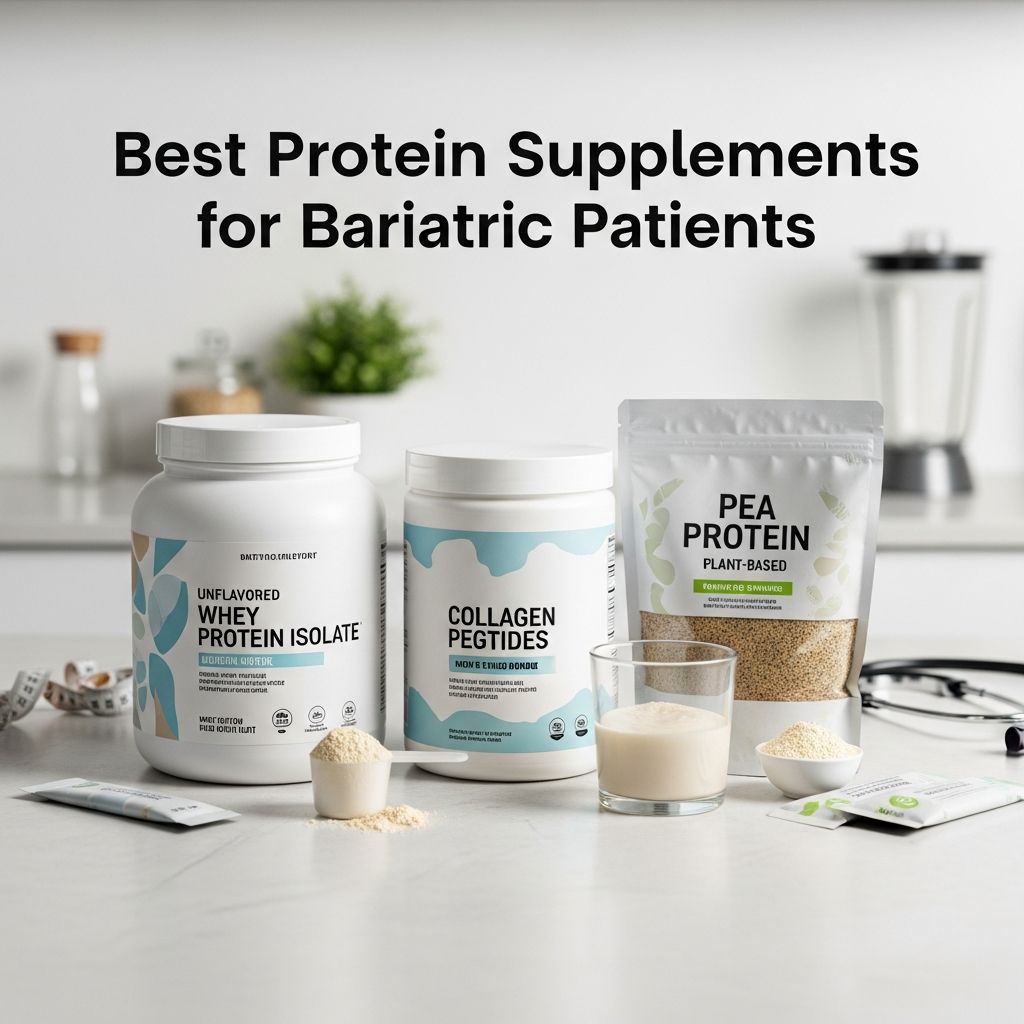
There are several types of protein supplements available, each with unique benefits and considerations:
- Whey Protein: Derived from milk, whey is quickly absorbed and contains all essential amino acids. It is ideal for post-surgery recovery.
- Casein Protein: Also derived from milk, casein is digested more slowly, providing a steady release of amino acids over time.
- Plant-Based Proteins: Made from sources like pea, rice, or soy, these are suitable for those with dairy allergies or dietary restrictions.
- Collagen Protein: Supports skin, hair, and joint health, though it is not a complete protein source.
Recommended Protein Supplements
The following table lists some of the most commonly recommended protein supplements for bariatric patients, including their nutritional content and key features:
| Supplement Name | Calories | Protein (g) | Sugar (g) | Protein Source | Gluten Free | Lactose Free | Kosher |
|---|---|---|---|---|---|---|---|
| Isopure Zero Carb | 110 | 25 | 0 | Whey | Yes | Yes | Yes |
| Optimum Nutrition Gold Standard | 120 | 24 | 1 | Whey | Yes | Yes | Yes |
| Garden of Life Raw Organic Protein | 150 | 20 | 2 | Pea, Rice, Chia | Yes | Yes | Yes |
| Collagen Peptides | 60 | 10 | 0 | Collagen | Yes | Yes | Yes |
How to Choose the Right Protein Supplement
Selecting the best protein supplement depends on individual needs, dietary restrictions, and taste preferences. Consider the following factors:
- Protein Content: Look for supplements with at least 20 grams of protein per serving.
- Sugar Content: Choose low-sugar options to avoid unnecessary calories and blood sugar spikes.
- Allergens: Check for gluten, lactose, and other allergens if you have sensitivities.
- Taste and Texture: Select a flavor and texture you enjoy to ensure consistent use.
- Certifications: Look for gluten-free, lactose-free, and kosher certifications if needed.
How to Use Protein Supplements
Protein supplements can be used in various ways to support your nutritional goals:
- Shakes and Smoothies: Mix with water, milk, or a non-dairy alternative for a quick and easy protein boost.
- Baking: Add to recipes like pancakes, muffins, or energy bars for extra protein.
- Meal Replacement: Use as a convenient meal replacement when you’re on the go.
- Snacks: Incorporate into snacks like yogurt or oatmeal for added nutrition.
Common Questions About Protein Supplements
How much protein do I need after bariatric surgery?
Most bariatric patients need 60 to 80 grams of protein per day, but individual needs may vary. Consult your healthcare provider for personalized recommendations.
Related Stories



Can I take protein supplements if I have dietary restrictions?
Yes, there are many protein supplements available that are gluten-free, lactose-free, and suitable for various dietary needs.
Are protein supplements safe for long-term use?
Protein supplements are generally safe when used as directed. However, it’s important to balance supplement use with a varied diet rich in whole foods.
Can I mix different types of protein supplements?
Yes, mixing different types of protein supplements can provide a broader range of amino acids and nutrients.
What are the side effects of protein supplements?
Side effects are rare but may include digestive discomfort, bloating, or allergic reactions. Start with a small amount and increase gradually to minimize side effects.
Additional Tips for Maximizing Protein Intake
In addition to using protein supplements, consider these tips to maximize your protein intake:
- Eat Protein-Rich Foods: Include lean meats, fish, eggs, dairy, legumes, and nuts in your diet.
- Spread Protein Intake: Distribute protein intake evenly throughout the day to optimize absorption and utilization.
- Monitor Protein Intake: Keep track of your protein intake to ensure you’re meeting your daily goals.
- Stay Hydrated: Drink plenty of water to support protein metabolism and overall health.
Conclusion
Protein supplements are a valuable tool for bariatric patients to meet their nutritional needs and support recovery. By choosing the right supplement and using it as part of a balanced diet, you can ensure optimal health and long-term success after bariatric surgery.
References
- Nutrition Suggested Protein Supplements — Johns Hopkins Medicine. http://www.hopkinsmedicine.org/-/media/bariatrics/nutrition-suggested-protein-supplements.pdf
- Protein and Amino Acids – Recommended Dietary Allowances — National Center for Biotechnology Information. https://www.ncbi.nlm.nih.gov/books/NBK234922/
- Nutrition Suggested Protein Supplements — Scribd. https://www.scribd.com/document/728452087/nutrition-suggested-protein-supplements
Similar Articles








Read full bio of Sneha Tete