Best Proteins for Diabetes, Per Dietitian
Discover top protein choices that help manage blood sugar, recommended by dietitians for better diabetes control and health.
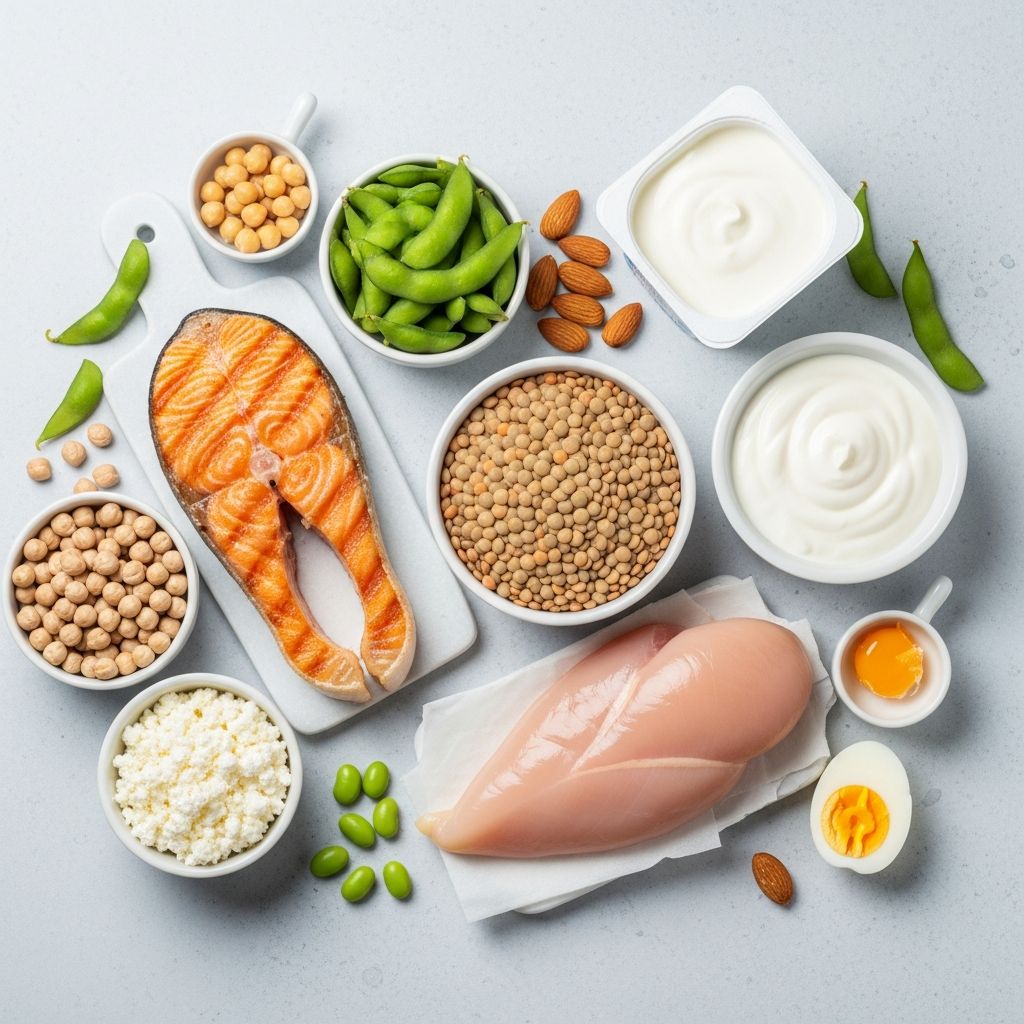
Choosing the right proteins is essential for people managing diabetes, as they help stabilize blood sugar levels, promote satiety, and support overall health without spiking glucose. Dietitians recommend incorporating high-quality, lean, and plant-based proteins that are low in saturated fats and added sugars. According to the American Diabetes Association, protein should comprise 10% to 35% of daily calories, roughly 0.8 grams per kilogram of body weight, adjusted lower for those with kidney issues. High-protein diets, particularly those with 30% or more energy from protein, have shown benefits in improving HbA1c and fasting glucose in type 2 diabetes patients, as evidenced by systematic reviews.
Protein does not raise blood glucose directly and pairs well with fiber-rich foods to slow carbohydrate absorption. This article outlines the top protein sources, their benefits, nutritional profiles, and practical tips, drawing from dietitian insights and research for optimal diabetes management.
Why Protein Matters for Diabetes Management
Protein is a crucial macronutrient for building tissues, hormones, and enzymes. For diabetes, it aids in blood sugar control by slowing digestion, enhancing fullness, and preserving muscle mass, which is vital as the condition can lead to sarcopenia. Studies like the LoBAG diet trials demonstrate that diets with 30% protein significantly lower HbA1c (e.g., from 9.8% to 7.6% in 5 weeks).
Key benefits include:
- Stable blood sugar: Protein minimizes post-meal glucose spikes when combined with carbs.
- Weight management: High satiety reduces overall calorie intake.
- Heart health: Lean sources lower cardiovascular risk, a common diabetes comorbidity.
- Muscle preservation: Essential for metabolic health and insulin sensitivity.
Dietitians emphasize variety: aim for 15-30 grams per meal from animal and plant sources. Those with kidney disease should consult professionals for moderated intake (0.6g/kg/day).
1. Fatty Fish
Fatty fish like salmon, mackerel, sardines, and tuna top the list for diabetes due to their omega-3 fatty acids, which reduce inflammation, improve insulin sensitivity, and protect heart health. The ADA highlights fish as a prime protein, with two servings weekly recommended. A 3-ounce salmon serving provides 22 grams of protein, healthy fats, and minimal carbs.
Benefits:
- Omega-3s lower triglycerides and blood pressure.
- High protein promotes fullness without glucose impact.
- Anti-inflammatory effects combat diabetes complications.
Tip: Grill or bake salmon with herbs; add to salads. Canned sardines offer convenience and shelf-stability. Research links regular fatty fish intake to better glycemic control.
2. Eggs
Eggs are versatile, affordable, and packed with 6 grams of high-quality protein per large egg, plus choline for brain health. They’re ideal for diabetes as they have zero carbs and support satiety. Dietitians note eggs’ role in balanced meals, like veggie omelets for added fiber.
Nutritional perks:
- Complete protein with all essential amino acids.
- Low calorie (70 per egg) yet filling.
- Lutein and zeaxanthin for eye health, crucial for diabetics.
Ideas: Boil for snacks, scramble with spinach, or make frittatas. Despite past cholesterol concerns, current guidelines affirm eggs’ safety for most.
3. Nuts and Nut Butters
Nuts (almonds, walnuts, pistachios) and natural nut butters deliver 4-7 grams of protein per ounce, alongside fiber, healthy fats, and antioxidants. They’re low-glycemic, preventing blood sugar rises, and linked to reduced diabetes risk. Portion control is key due to calories.
Highlights:
- Magnesium improves insulin function.
- Fiber (2-3g/oz) aids digestion and glucose control.
- Unsalted varieties support blood pressure management.
Suggestions: Snack on 1 oz almonds; spread peanut butter on celery. Choose no-added-sugar butters.
4. Beans and Lentils
Beans (black, kidney, chickpeas), lentils, and peas offer 7-9 grams protein and 7-8 grams fiber per half-cup cooked, making them blood sugar-friendly despite carbs. The fiber blunts glucose response, and they’re affordable plant proteins.
Related Stories



Advantages:
- Low glycemic index for steady energy.
- Folate and potassium for heart health.
- Versatile in soups, salads, salads.
Prep tips: Rinse canned beans; cook lentils with veggies. Half-cup lentils: 9g protein, 8g fiber toward 25-30g daily goal.
5. Greek Yogurt
Plain, low-fat Greek yogurt boasts 16-20 grams protein per 5.5-6 oz serving, straining removes whey for concentration. It’s probiotic-rich, aiding gut health, but watch lactose carbs (choose unsweetened).
Pros:
- Twice the protein of regular yogurt.
- Calcium for bones; live cultures for digestion.
- Promotes fullness, aiding weight control.
Uses: Top with berries and nuts; use in smoothies. Flavored versions often hide sugars.
6. Poultry
Skinless chicken or turkey provides lean protein (25g per 3 oz breast), low in fat and zero carbs. It’s filling and versatile for diabetes meal planning.
Benefits:
- B vitamins for energy metabolism.
- Low saturated fat vs. red meat.
- Supports muscle maintenance.
Ideas: Grill breasts; shred for salads. Avoid processed versions with sodium/sugars.
7. Tofu and Tempeh
Soy-based tofu (10g protein per 3 oz) and tempeh are complete plant proteins with isoflavones reducing diabetes/heart risks. Low-carb, fiber-boosted.
Perks:
- Fermented tempeh aids gut health.
- All essential amino acids.
- Versatile meat substitute.
Tips: Marinate tofu; crumble tempeh in stir-fries.
Other Great Options
- Lean Beef/Pork: Occasional sirloin (26g/3oz); trim fat.
- Cottage Cheese: Low-fat, 14g/cup; pair with fruit.
- Edamame: 11g/cup shelled; fiber bonus.
Sample Daily Meal Plan
| Meal | Protein Source | Protein (g) | Notes |
|---|---|---|---|
| Breakfast | Greek yogurt + nuts | 20 | Add berries for fiber. |
| Lunch | Grilled chicken salad | 25 | With beans, greens. |
| Snack | Hard-boiled eggs | 12 | Two eggs. |
| Dinner | Baked salmon + lentils | 35 | Omega-3s, fiber. |
Total: ~92g protein, balanced for 150lb person (55kg x 0.8g/kg ≈44g min, higher for benefits).
Frequently Asked Questions
How much protein do I need with diabetes?
Aim for 0.8g/kg body weight daily (10-35% calories); higher (20-30%) may improve control per studies. Consult a dietitian.
Can high-protein diets harm kidneys?
For healthy kidneys, no; reduce to 0.6g/kg if diseased. Monitor with doctor.
Are plant proteins enough?
Yes, combine for completeness; tofu/beans excellent.
Does protein spike blood sugar?
No, but carb-containing sources like beans may slightly; fiber mitigates.
Best snack proteins?
Nuts, yogurt, eggs, edamame—quick, balanced.
References
- Protein for Diabetics: 6 Best Sources, According to Dietitians — DietitianLive. 2023. https://dietitianlive.com/blog/protein-for-diabetics/
- Best Protein for Diabetes: Nutrition and Blood Sugar — DiabetesTeam. 2024. https://www.diabetesteam.com/resources/best-protein-for-diabetes-nutrition-and-blood-sugar
- Best Protein-Rich Foods for Diabetes — American Diabetes Association. 2025. https://diabetes.org/food-nutrition/reading-food-labels/protein
- High-Protein Diets for Treatment of Type 2 Diabetes Mellitus — PMC (NCBI). 2019-07-01. https://pmc.ncbi.nlm.nih.gov/articles/PMC6628842/
- What’s the Best Protein for Diabetes? — Nourish. 2024. https://www.usenourish.com/blog/protein-and-diabetes
- Understanding Protein — UCSF Diabetes Teaching Center. 2023. https://diabetesteachingcenter.ucsf.edu/living-diabetes/diet-nutrition/understanding-protein
- Let’s Talk About Protein for People with Diabetes — Diabetes Food Hub. 2024. https://diabetesfoodhub.org/blog/lets-talk-about-protein-people-diabetes
Similar Articles








Read full bio of Sneha Tete