Best Proteins for Weight Loss Medications
Optimize your GLP-1 weight loss journey with the top protein sources that preserve muscle, curb hunger, and ease side effects.
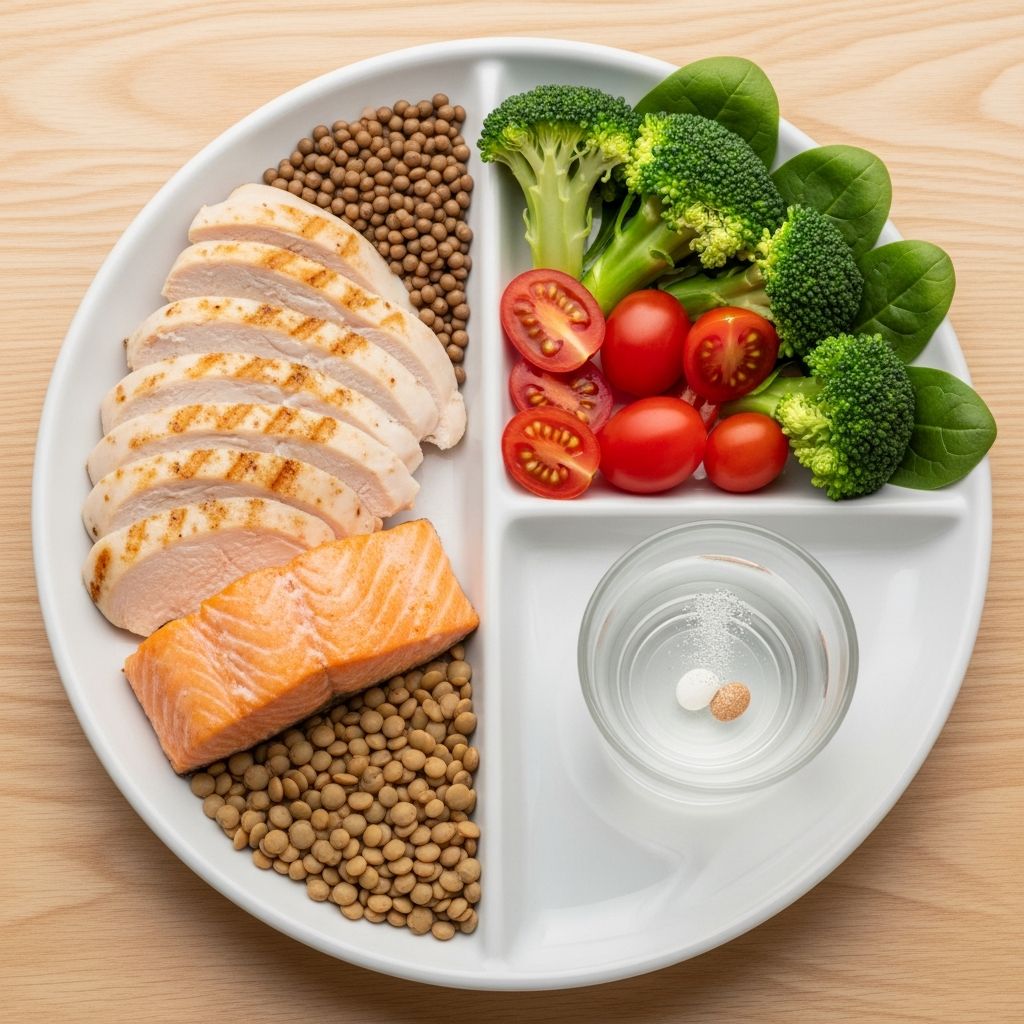
Weight loss medications like GLP-1 agonists (e.g., semaglutide in Ozempic or Wegovy) are transforming obesity treatment by curbing appetite and promoting significant fat loss. However, rapid weight reduction can lead to muscle loss if nutrition isn’t optimized. Prioritizing high-quality, lean proteins is essential to preserve lean body mass, enhance satiety, stabilize blood sugar, and mitigate common gastrointestinal side effects like nausea and constipation.
Registered dietitians emphasize that protein needs increase to 1.2–2.0 grams per kilogram of body weight daily while on these meds, depending on activity level and goals. This article details the top protein choices, why they matter, and practical ways to incorporate them into your meals.
Why Protein Is Crucial on GLP-1 Medications
GLP-1 drugs slow gastric emptying, reducing hunger but also calorie intake. Without adequate protein, your body may catabolize muscle for energy, slowing metabolism and risking sarcopenia (age-related muscle decline). Protein supports:
- Muscle preservation: Counters 20–40% of weight loss coming from lean mass in unsupervised diets.
- Satiety: Triggers fullness hormones like PYY and GLP-1 naturally.
- Gut health: Lean sources are easier to digest, reducing nausea from high-fat foods.
- Blood sugar control: Slows carb absorption, complementing the drug’s effects.
Fiber-rich proteins also combat constipation, a frequent side effect. Aim for 25–30g protein per meal, spread across 3–4 meals/snacks.
Top 8 Best Proteins for GLP-1 Users
Focus on lean, digestible options under 5g fat per 3–4oz serving. Here’s a ranked list based on protein density, bioavailability, and side-effect friendliness:
| Protein Source | Protein (per 3oz/85g) | Key Benefits | GLP-1 Tip |
|---|---|---|---|
| Chicken Breast | 26g | Versatile, low-fat, high leucine for muscle synthesis | Bake or grill skinless; pair with veggies |
| Turkey | 25g | Rich in selenium, supports thyroid during weight loss | Ground turkey in patties avoids nausea |
| Fish (Salmon, Cod) | 22–25g | Omega-3s reduce inflammation; easier on stomach than red meat | Opt for baked cod if salmon feels heavy |
| Eggs & Egg Whites | 6g/egg (whites: 3.6g) | Complete protein; choline for metabolism | Soft-boiled minimizes GI upset |
| Greek Yogurt (Nonfat) | 20g/cup | Probiotics aid digestion; calcium preserves bone density | Plain, low-sugar to avoid blood sugar spikes |
| Cottage Cheese (Low-Fat) | 25g/cup | Casein for sustained release; versatile for snacks | Mix with berries for fiber boost |
| Tofu & Tempeh | 10–20g/3oz | Plant-based; isoflavones support hormone balance | Firm tofu stir-fried lightly |
| Legumes (Lentils, Chickpeas) | 18g/cup cooked | Fiber-protein combo fights constipation | Start with small portions to test tolerance |
Sample Meal Ideas with High-Protein Focus
Integrate these into a 1,200–1,600 calorie GLP-1 diet:
- Breakfast: Greek yogurt parfait with 20g protein (1 cup nonfat yogurt + chia seeds).
- Lunch: Grilled chicken salad (4oz breast, greens, quinoa) – 35g protein.
- Dinner: Baked cod with lentils (25g total protein, fiber-rich).
- Snack: Egg white omelet or cottage cheese with cucumber (15–20g).
Total daily: 100–150g protein. Adjust based on your dose and tolerance.
Foods to Limit or Avoid
High-fat, fried, or greasy proteins exacerbate side effects due to prolonged gastric emptying:
- Red meats: Fatty cuts like ribeye (delayed digestion).
- Processed meats: Bacon, sausage (high sodium worsens bloating).
- Fried foods: Chicken nuggets trigger nausea.
- High-fat dairy: Full-fat cheese slows motility.
Related Stories



Opt for "wet" cooking methods (poaching, steaming) over frying.
Protein Supplements: Yes or No?
Whey isolate or collagen peptides (20–25g/scoop) can fill gaps, especially if appetite suppression is strong. Choose low-carb, unflavored options. Collagen supports skin elasticity during rapid loss. Consult your doctor before adding.
Expert Tips from Dietitians
"Protein timing matters—eat it first in meals to maximize satiety. Hydrate well, as GLP-1s increase dehydration risk." – RD specializing in pharmacotherapy.
- Hydrate: 80–100oz water daily.
- Fiber: 25–35g from veggies/legumes.
- Exercise: Resistance training 2–3x/week preserves muscle.
- Monitor: Track protein via apps like MyFitnessPal.
Frequently Asked Questions (FAQs)
How much protein do I need on Ozempic?
Aim for 1.2–2g per kg body weight (e.g., 90–150g for 150lb person). Spread evenly to avoid overload.
Will protein help with constipation?
Yes, paired with fiber-rich sources like beans and hydration. Greek yogurt’s probiotics help too.
Can vegetarians do GLP-1 successfully?
Absolutely—prioritize tofu, tempeh, lentils, Greek yogurt, and eggs for complete amino acids.
Does protein affect medication absorption?
No direct interaction, but eat 30–60min post-injection if nausea occurs.
What if I can’t hit protein goals?
Use shakes temporarily; work with a dietitian for personalized plans.
Long-Term Success Strategies
Beyond proteins, sustainable habits include mindful eating, sleep (7–9hrs), and stress management. Regular check-ins with healthcare providers ensure safe progress. Weight loss plateaus? Up protein slightly and add strength training.
By centering your diet around these lean proteins, you’ll maximize GLP-1 benefits while safeguarding health.
References
- GLP-1 Diet: What To Eat & Avoid — Cleveland Clinic. 2024-06-15. https://my.clevelandclinic.org/health/treatments/25084-glp-1-agonists
- Nutrition Recommendations for Patients Taking GLP-1 Receptor Agonists — Academy of Nutrition and Dietetics. 2025-01-10. https://www.eatrightpro.org/
- Preserving Lean Mass During GLP-1 Induced Weight Loss — PubMed (DOI: 10.1002/oby.24055). 2024-03-22. https://pubmed.ncbi.nlm.nih.gov/38450978/
- GLP-1 Agonists and Gastrointestinal Side Effects Management — American Gastroenterological Association. 2024-11-05. https://gastro.org/
- Dietary Protein Intake in Weight Management — NIH Office of Dietary Supplements. 2023-12-01. https://ods.od.nih.gov/
Similar Articles








Read full bio of medha deb