Best Shower Temperature For Health: 98°F To 104°F
Discover the ideal shower temperature range and health benefits of hot, cold, and contrast showers for skin, muscles, sleep, and more.
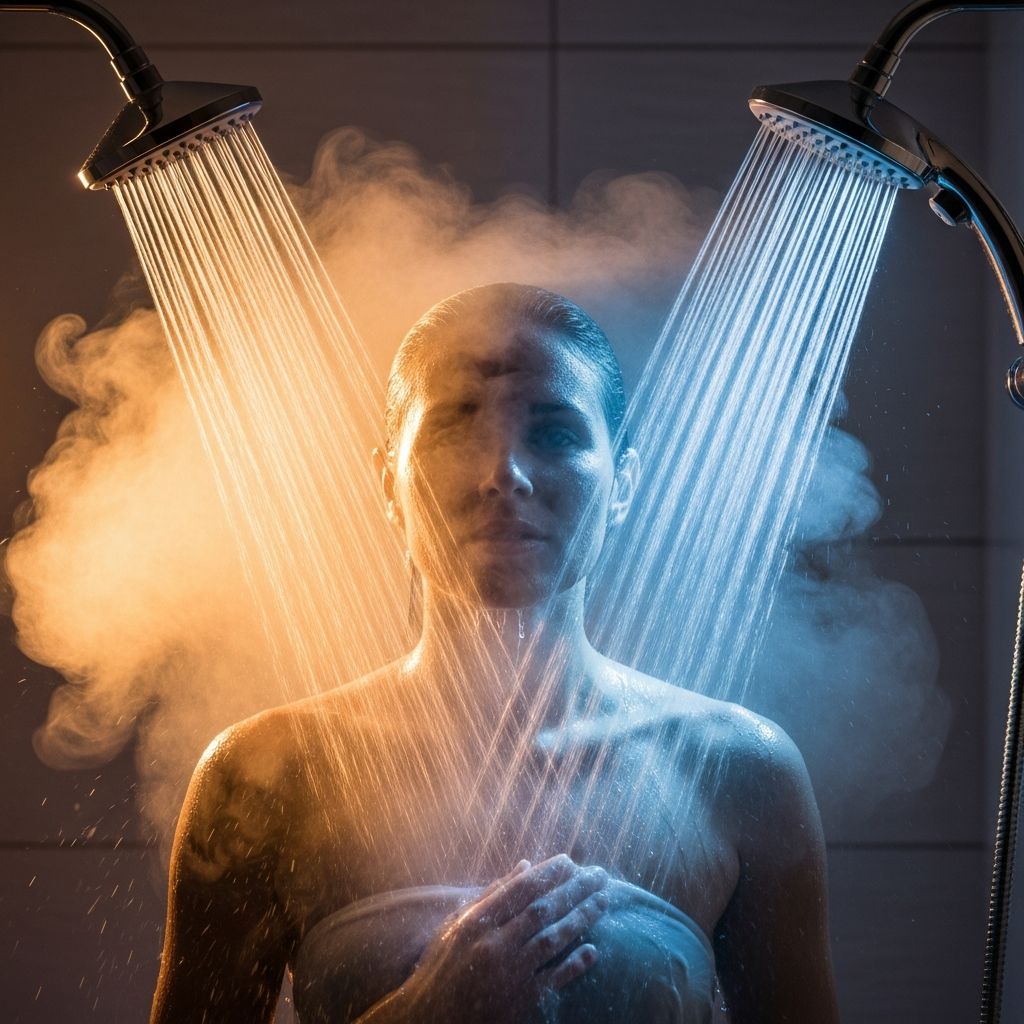
The ideal shower temperature for most health benefits falls between
98°F and 104°F (37°C-40°C)
, as recommended by dermatologists to protect skin while allowing cleansing without stripping natural oils. However, varying temperatures—hot, cold, or contrast—offer targeted advantages for circulation, recovery, sleep, and immunity, making it worth adjusting based on your goals.Why Shower Temperature Matters
Water temperature impacts skin barrier function, blood flow, muscle recovery, and even mood. Lukewarm showers (98-104°F) preserve the skin’s moisture by avoiding extreme heat that opens pores excessively or cold that might cause dryness. Hot water above 105°F can damage the skin’s lipid layer, leading to irritation, while cold water constricts vessels for invigorating effects.
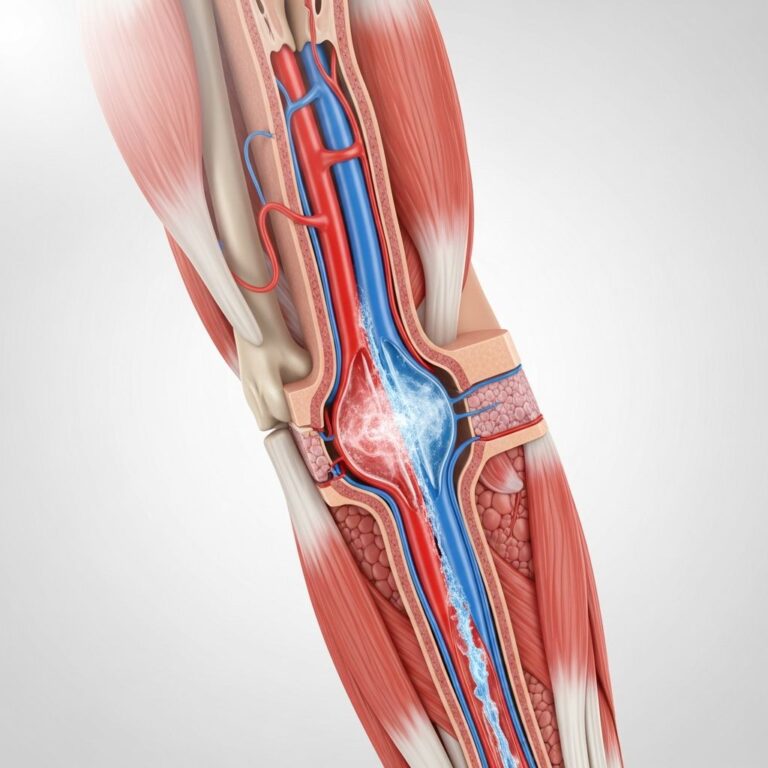
Research shows temperature influences thermoregulation: hot showers dilate vessels for relaxation, cold ones constrict them for alertness. A balanced routine incorporating all types maximizes benefits without risks like elevated blood pressure from prolonged heat.
Ideal Shower Temperature Range
Dermatologists agree the
sweet spot is 98°F to 104°F
, mimicking body temperature to cleanse effectively without discomfort or harm. This range:- Maintains skin pH and hydration.
- Prevents scalp dryness and hair damage.
- Allows 5-10 minute showers safely.
Exceeding 105°F risks burns or dryness; below 60°F suits short cold blasts only. Use a thermometer initially to calibrate your shower.
Benefits of Lukewarm Showers
Lukewarm water is versatile for daily use, combining mild benefits of both extremes. It cleanses without aggravating conditions like eczema or psoriasis. Key perks include:
- Gentle on skin: Preserves natural oils, reducing itchiness and flakiness.
- Hair health: Prevents cuticle damage, keeping strands smooth.
- Comfortable routine: Ideal for all ages, promoting consistency.
For sensitive skin, this temperature minimizes inflammation while removing dirt effectively.
Hot Shower Benefits
Hot showers (104-108°F, 3-5 minutes max) excel for relaxation and respiratory relief by activating the parasympathetic nervous system. Benefits include:
- Muscle relaxation: Heat soothes tension post-workout, reducing fatigue.
- Respiratory aid: Steam opens airways, loosens phlegm during colds.
- Skin cleansing: Opens pores to release oil and blemishes.
- Sleep promotion: Evening hot showers (1-2 hours before bed) enhance sleep quality via the “warm bath effect,” speeding heat loss.
A meta-analysis confirms showers at 104-108.5°F improve sleep onset. However, avoid if you have hypertension, as heat raises blood pressure.
Cold Shower Benefits
Cold showers (below 70°F, 1-3 minutes) shock the system for metabolic and immune boosts. Proven advantages:
- Circulation boost: Vasoconstriction pumps oxygen-rich blood, aiding recovery and lowering inflammation.
- Immunity enhancement: Dutch study: 30-90 seconds daily reduced sick days by 29% via leukocyte stimulation.
- Muscle recovery: Reduces soreness; athletes use for DOMS relief.
- Mood and metabolism: Increases alertness, white blood cells, and brown fat activation for fat loss.
- Skin perks: Calms itchiness, strengthens hair.
Start with 30 seconds, building tolerance.
Contrast Shower Benefits
Related Stories



Alternating hot (3 min) and cold (1 min) for 3-5 cycles maximizes vascular health. Benefits:
- Superior circulation: Cold constricts, hot dilates, flushing toxins.
- Recovery acceleration: Oxygenates muscles, reduces inflammation.
- Energy balance: Ends with cold for alertness or hot for calm.
Post-workout favorite among trainers.
Risks of Wrong Shower Temperatures
| Temperature | Potential Risks | Who Should Avoid |
|---|---|---|
| Too Hot (>105°F) | Dry skin, itching, high BP, worsened heart conditions | Hypertension, CVD patients |
| Too Cold (<60°F prolonged) | Hives, numbness, heart stress | Cold urticaria, Raynaud’s, heart disease |
Limit hot showers to 5 minutes; consult PCP for conditions.
How to Find Your Ideal Shower Temperature
- Test with thermometer: Aim 98-104°F baseline.
- Adjust by goal: Hot for evenings, cold mornings.
- Duration: 5-10 min total; extremes 1-3 min.
- Listen to body: Tingling good, pain stop.
Incorporate variety weekly for comprehensive benefits.
When to Take Hot, Cold, or Lukewarm Showers
- Morning: Cold for energy.
- Post-workout: Contrast or cold.
- Evening: Hot for sleep.
- Skin issues: Lukewarm.
- Illness: Hot steam.
Shower Temperature for Skin Health
Lukewarm best overall; cold for itch relief, hot briefly for pores. Avoid extremes daily to prevent barrier damage.
Shower Temperature for Hair
Cold seals cuticles for shine; hot opens for conditioning but dries if prolonged.
Frequently Asked Questions
What’s the best shower temperature?
98-104°F for daily use; adjust for specific benefits.
Are cold showers good for you?
Yes, for immunity, circulation, recovery.
Do hot showers help you sleep?
Yes, 1-2 hours before bed via thermoregulation.
Can showers help muscle soreness?
Contrast or cold reduce DOMS.
Is 110°F too hot for showers?
Yes, risks skin damage and BP spike.
References
- What Is the Best Shower Temperature? — KOHLER LuxStone. 2023. https://www.kohlershowers.com/blog/what-is-the-best-shower-temperature/
- Cold Shower vs. Hot Shower: Benefits, Post-Workout, and More — Healthline. 2023-05-01. https://www.healthline.com/health/cold-shower-vs-hot-shower
- 5 Reasons to Take a Cold Shower — LECOM Medical Fitness. 2024. https://www.lecomwellness.com/blog/5-reasons-to-take-a-cold-shower/
- What to Know About the Benefits of a Cold Shower vs. a Hot Shower — Dettol Arabia. 2024. https://www.dettolarabia.com/expert-advice/personal-health-hygiene/cold-vs-hot-shower-benefits/
- 6 Cold Shower Benefits to Consider — UCLA Health. 2023-11-15. https://www.uclahealth.org/news/article/6-cold-shower-benefits-consider
- Showering Before Bed — Sleep Foundation. 2024-01-10. https://www.sleepfoundation.org/sleep-hygiene/shower-before-bed
Similar Articles








Read full bio of medha deb