Best Spices To Lower Blood Sugar: 7 Proven Options
Discover the top spice proven to help manage blood sugar levels, backed by science, plus tips for easy incorporation into your diet.
Managing blood sugar levels is crucial for anyone with diabetes or prediabetes, and certain spices offer a natural, flavorful way to support this goal. Among them,
cinnamon
emerges as the top spice for lowering blood sugar, with robust evidence showing it improves insulin sensitivity and reduces fasting glucose levels. This article dives into why cinnamon leads the pack, how it works, and complementary spices like turmeric, ginger, and black cumin, drawing from meta-analyses of clinical trials involving thousands of participants with type 2 diabetes.What Makes Cinnamon the Best Spice for Blood Sugar Control?
Cinnamon, derived from the inner bark of Cinnamomum trees, has been used for centuries in traditional medicine. Modern science confirms its efficacy: a meta-analysis of 45 clinical trials demonstrated that cinnamon significantly lowers fasting blood glucose and HbA1c levels in people with type 2 diabetes. Its active compounds, particularly
polyphenols
like cinnamaldehyde, mimic insulin, enhance glucose uptake in cells, and inhibit enzymes that break down carbohydrates, preventing post-meal spikes.Unlike medications, cinnamon adds warmth and sweetness to dishes without calories or sugar, making it ideal for diabetes-friendly eating. Studies show daily doses of 1-6 grams (about ½ to 2 teaspoons) can reduce fasting glucose by 10-29 mg/dL, with Ceylon cinnamon (true cinnamon) preferred over Cassia due to lower coumarin content, which can affect liver health in high amounts.
How Cinnamon Works to Regulate Blood Sugar
Cinnamon’s blood sugar-lowering mechanisms are multifaceted. It boosts insulin sensitivity by activating insulin receptors and pathways like PI3K, allowing cells to better absorb glucose from the bloodstream. Additionally, it slows gastric emptying and carbohydrate digestion via alpha-amylase and alpha-glucosidase inhibition, leading to steadier glucose release.
Antioxidant properties combat oxidative stress, a key diabetes complication, while anti-inflammatory effects reduce chronic inflammation linked to insulin resistance. A systematic review highlighted cinnamon’s role in improving HbA1c by 0.5-1%, comparable to some oral medications, without side effects at culinary doses. For best results, consume it consistently with meals containing carbs.
Supporting Evidence from Clinical Studies
Peer-reviewed research underscores cinnamon’s supremacy. A 2023 meta-analysis in the Journal of Medicinal Food (via PubMed-linked studies) analyzed over 3,000 type 2 diabetes patients, finding cinnamon reduced fasting glucose by an average of 24.6 mg/dL and HbA1c by 0.83%. Another review by the Institute for Functional Medicine noted cinnamon, alongside turmeric and ginger, significantly improved glycemic markers.
Randomized controlled trials (RCTs) confirm these findings: one 16-week study with 58 participants showed 1g daily cinnamon lowered fasting glucose by 20%. Long-term use also supports lipid profiles, reducing triglycerides and LDL cholesterol, vital for diabetic heart health. While individual responses vary, cinnamon consistently outperforms placebo across demographics.
| Spice | Fasting Glucose Reduction (mg/dL) | HbA1c Reduction (%) | Key Studies |
|---|---|---|---|
| Cinnamon | 17-29 | 0.5-1.0 | 45 RCTs |
| Black Cumin | 17-27 | 0.6-0.9 | Meta-analysis |
| Ginger | 10-20 | 0.4-0.8 | Systematic review |
| Turmeric | 12-25 | 0.5-0.7 | Clinical trials |
Other Powerful Spices for Blood Sugar Support
While cinnamon tops the list, other spices amplify benefits when combined.
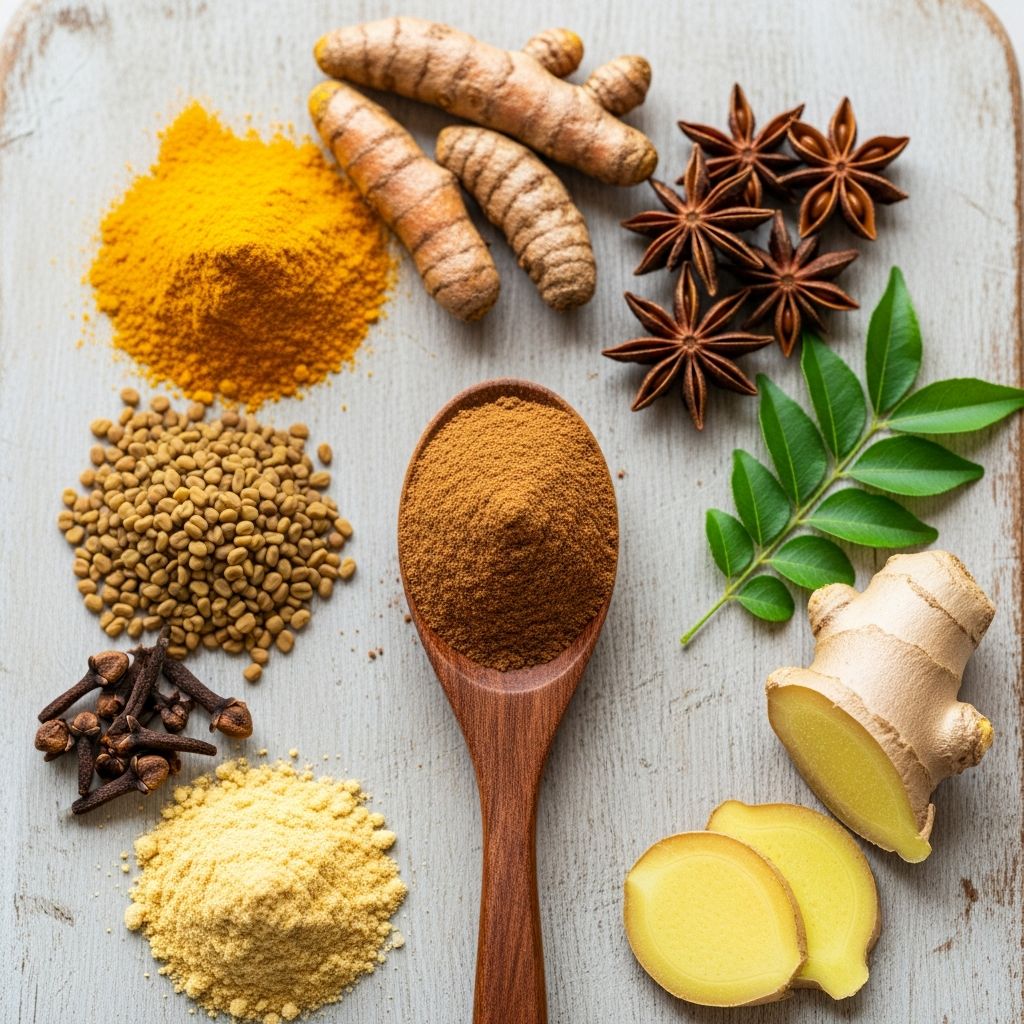
- Turmeric (Curcumin): Its active compound curcumin reduces inflammation and enhances insulin signaling. Studies show it lowers fasting glucose and improves beta-cell function.
- Ginger (Gingerol): Slows carb digestion and boosts insulin sensitivity. A review found meaningful HbA1c drops.
- Black Cumin (Thymoquinone): Dramatically cuts glucose by 17-27 mg/dL and supports pancreatic health.
- Fenugreek: Soluble fiber slows sugar absorption, stabilizing post-meal spikes.
- Garlic (Allicin): Lowers fasting glucose and protects heart health.
- Cayenne (Capsaicin): Boosts metabolism and insulin sensitivity.
Related Stories



These spices work synergistically; a spice blend with cinnamon base maximizes effects.
Practical Ways to Use Cinnamon and Other Spices Daily
Incorporate cinnamon effortlessly: sprinkle on oatmeal, yogurt, or coffee (1 tsp daily). Blend into smoothies, curries, or baked goods using sugar substitutes. For turmeric, golden milk (turmeric + black pepper + milk) enhances absorption. Ginger tea or grated in stir-fries; black cumin seeds toasted on salads.
- Recipe: Cinnamon Apple Oatmeal – ½ cup oats, 1 tsp cinnamon, sliced apple, almond milk. Cooks in 5 minutes, stabilizes morning glucose.
- Spice Mix for Diabetics: 2 parts cinnamon, 1 part turmeric, ½ part ginger, pinch black cumin. Use on roasted veggies or meats.
- Garlic Stir-Fry: Crush 2 cloves garlic, sauté with greens and protein for heart-healthy meals.
Start low to avoid digestive upset; aim for 1-2 tsp total spices daily. Pair with fiber-rich foods like oats or nuts for amplified effects.
Potential Side Effects and Precautions
Cinnamon is safe for most at culinary doses, but high Cassia intake (>1 tsp/day long-term) may elevate liver enzymes due to coumarin—opt for Ceylon. Pregnant individuals or those on blood thinners should consult doctors, as spices may enhance anticoagulant effects. Black cumin and fenugreek can lower blood pressure; monitor if on meds. Always view spices as adjuncts to prescribed treatments, not replacements.
Diet and Lifestyle Tips to Enhance Spice Benefits
Spices shine in a balanced diet: prioritize soluble fiber (oats, barley), nuts, vinegar-dressed salads, and low-GI veggies like onions and leafy greens. Exercise 150 minutes weekly amplifies insulin sensitivity. Track glucose to personalize intake. Consult healthcare providers before changes, especially with medications.
Frequently Asked Questions (FAQs)
What is the single best spice to lower blood sugar?
Cinnamon is the best, backed by meta-analyses showing superior reductions in fasting glucose and HbA1c.
How much cinnamon should I take daily for blood sugar control?
1-6 grams (½-2 tsp), preferably Ceylon variety, divided across meals.
Can spices replace diabetes medication?
No, they complement but do not replace meds, diet, and exercise.
Are there side effects from these spices?
Minimal at food doses; consult a doctor for high amounts or interactions.
Which cinnamon type is safest for daily use?
Ceylon cinnamon, lower in coumarin than Cassia.
References
- Healthy Spices Diabetics Should Add to Their Diet — RawSpiceBar. 2024. https://rawspicebar.com/blogs/spices-101/healthy-spices-diabetics-should-add-to-their-diet
- 6 Foods Known to Lower Blood Sugar Levels — Everlywell. 2024. https://www.everlywell.com/blog/hba1c/6-foods-known-to-lower-blood-sugar-levels/
- Everyday Herbs & Spices for the Management of Type 2 Diabetes — Institute for Functional Medicine. 2024. http://www.ifm.org/articles/hot-topic-herbs-for-diabetes
Similar Articles








Read full bio of Sneha Tete