Best Spices to Help Lower Blood Pressure
Discover powerful spices proven to help reduce blood pressure naturally and improve heart health.
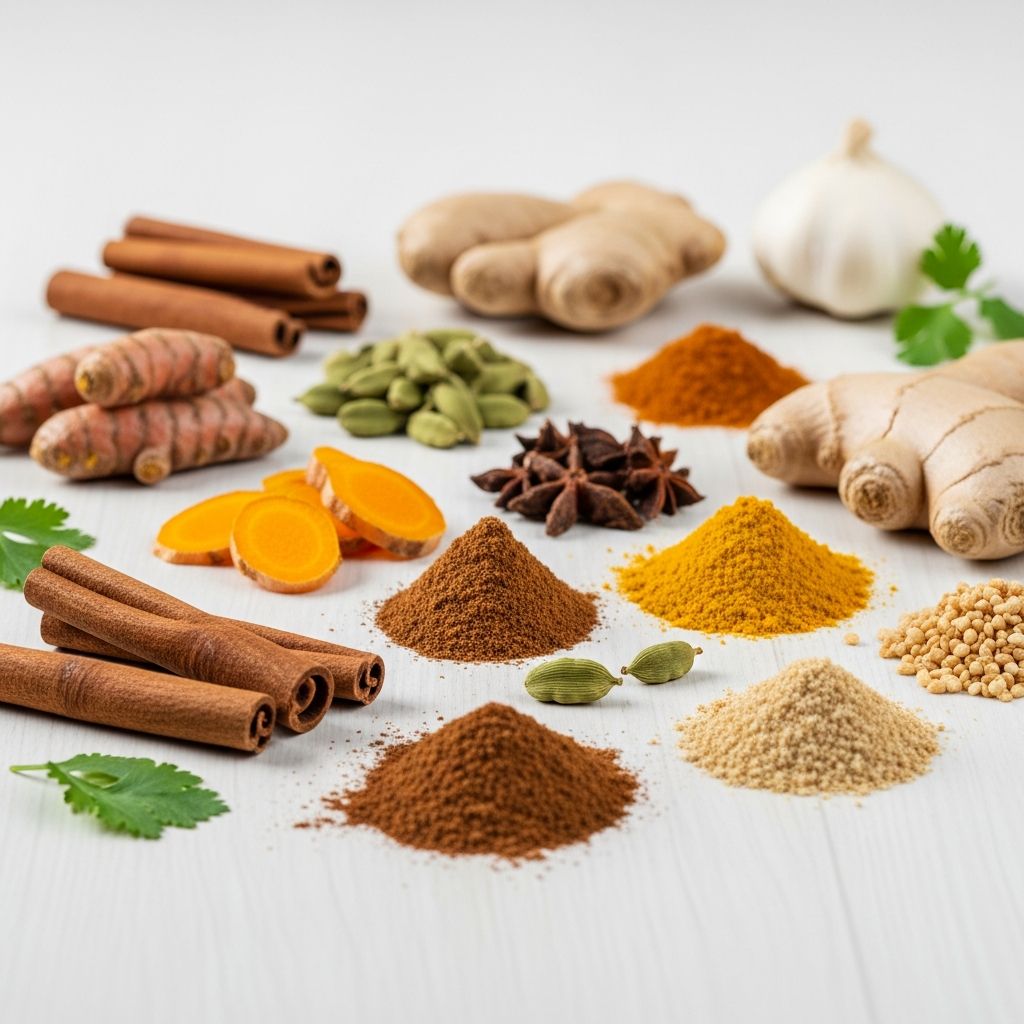
High blood pressure affects millions of people worldwide and remains one of the leading risk factors for cardiovascular disease, heart attacks, and strokes. While medications are often necessary, research increasingly shows that dietary changes—particularly the strategic use of herbs and spices—can significantly support blood pressure management. A groundbreaking study from Penn State University found that consuming just 6.5 grams (approximately 1.3 teaspoons) of herbs and spices daily can lower blood pressure after just four weeks, offering a simple, tasty, and accessible approach to heart health.
How Herbs and Spices Support Heart Health
The relationship between herbs, spices, and cardiovascular health is rooted in both traditional medicine and modern science. Many herbs and spices contain bioactive compounds—including antioxidants, anti-inflammatory agents, and polyphenols—that work to support healthy blood vessel function and reduce arterial stiffness. Unlike salt, which can increase blood pressure, herbs and spices add robust flavor while delivering genuine health benefits.
One of the primary mechanisms through which spices help lower blood pressure involves improving endothelial function—the health of the cells lining blood vessels. When these cells are healthy, they produce more nitric oxide, a molecule that helps blood vessels relax and dilate, reducing resistance to blood flow and lowering pressure. Additionally, many spices possess natural diuretic properties, helping the body eliminate excess sodium and fluid, which directly reduces blood pressure.
The Penn State Research: Key Findings
In a controlled-feeding study published in the American Journal of Clinical Nutrition, researchers at Penn State University examined how different doses of herbs and spices affect blood pressure in people with risk factors for heart disease. The study included 71 participants who consumed three different diet variations—each based on a typical American diet but differentiated only by the amount of herbs and spices added.
Study Design and Methodology:
- Low-dose diet: approximately 0.5 grams of herbs and spices daily
- Medium-dose diet: approximately 3.2 grams of herbs and spices daily
- High-dose diet: approximately 6.5 grams of herbs and spices daily
Each participant followed each diet for four weeks, with two-week breaks between periods, allowing researchers to control variables while comparing results. The spice blends used in the study included 24 different herbs and spices—from basil and thyme to cinnamon and turmeric—designed to reflect how people naturally use seasonings throughout their daily cooking.
Key Results:
- Participants consuming the high-dose herb and spice diet showed significantly lower systolic blood pressure compared to the medium-dose diet
- Diastolic blood pressure was lower on the high-dose diet compared to the low-dose diet
- These improvements occurred on a standard American diet—no other dietary modifications (sodium reduction, increased fruits and vegetables) were made
- Results suggest that adding even more herbs and spices to a truly healthy diet could yield even greater benefits
Top Spices for Blood Pressure Management
Cinnamon
Cinnamon is one of the most studied spices for cardiovascular health. This warm, sweet spice contains compounds that may help improve blood sugar control and reduce inflammatory markers associated with hypertension. Cinnamon can be easily added to oatmeal, coffee, smoothies, yogurt, and baked goods, making it one of the most convenient spices to increase daily intake.
Related Stories



Turmeric
The active compound in turmeric, curcumin, is a powerful anti-inflammatory agent that research suggests may help reduce arterial stiffness and improve endothelial function. This golden spice works well in curries, rice dishes, soups, and even lattes. The bioavailability of curcumin is significantly enhanced when combined with black pepper, making this pairing especially beneficial.
Garlic
Garlic contains allicin, a sulfur compound released when garlic is minced or crushed. Studies suggest that garlic can help dilate blood vessels and reduce blood pressure, particularly in people with hypertension. Fresh garlic is more potent than powdered versions, though both offer benefits. Garlic powder can be sprinkled on vegetables, proteins, and grains for consistent daily intake.
Basil and Thyme
These Mediterranean herbs contain flavonoids and other phytochemicals with antioxidant and vasodilatory properties. Fresh basil works beautifully in salads, pasta dishes, and Mediterranean meals, while thyme complements soups, roasted vegetables, and lean proteins. Both are calorie-free ways to dramatically increase meal flavor.
Cayenne Pepper
The capsaicin in cayenne peppers may help improve blood flow and reduce blood pressure. This spice adds significant flavor with minimal sodium, making it ideal for those reducing salt intake. Cayenne can be used in savory dishes, soups, and even dark chocolate preparations.
Practical Ways to Incorporate More Herbs and Spices
Meeting the recommended daily intake of 1.3 teaspoons (6.5 grams) of herbs and spices requires intentional meal planning, but it’s entirely achievable. Here are practical strategies:
Daily Meal Integration
- Breakfast: Sprinkle cinnamon on oatmeal or yogurt; add turmeric to scrambled eggs
- Lunch: Use basil in salads; season sandwiches with garlic powder and black pepper
- Dinner: Create herb-spiced marinades for proteins; add thyme to roasted vegetables; use cayenne in grain dishes
- Snacks: Season nuts with spice blends; prepare herbed popcorn
Preparation Tips
- Create custom spice blends in small jars for easy access and consistent use
- Use fresh herbs when possible, as they contain higher concentrations of beneficial compounds
- Store dried herbs and spices in cool, dark places to preserve potency
- Toast whole spices briefly before grinding to enhance their flavor and bioactive compounds
- Combine complementary spices (turmeric with black pepper, garlic with herbs) to maximize health benefits
Why Spices Are Superior to Salt
Traditional advice to reduce blood pressure has emphasized limiting sodium intake, often by reducing salt use. Herbs and spices offer a superior alternative: they add exceptional flavor—sometimes exceeding salt’s taste-enhancing capacity—while delivering their own therapeutic compounds. Salt, by contrast, can increase blood volume and cause blood vessels to constrict, raising pressure. By transitioning from salt-based seasoning to herb and spice-based seasoning, people achieve better-tasting meals with genuine health benefits rather than compromises.
Research from Penn State demonstrates that this swap is effective even without other dietary modifications, though combining spice-rich seasonings with reduced sodium, lower added sugars, and increased fruits and vegetables amplifies cardiovascular benefits significantly.
Blood Pressure Management: A Comprehensive Approach
While herbs and spices represent an accessible and evidence-based tool for blood pressure management, they work best as part of a comprehensive approach. Consider combining spice-rich seasoning with:
- Regular aerobic exercise (150 minutes weekly)
- Stress reduction techniques (meditation, yoga, deep breathing)
- Adequate sleep (7-9 hours nightly)
- Moderate alcohol consumption
- DASH diet principles (emphasizing fruits, vegetables, whole grains, lean proteins)
- Sodium limitation to less than 2,300 mg daily
- Prescribed medications as directed by healthcare providers
Safety Considerations and Interactions
Most herbs and spices are safe for the general population when used in typical culinary amounts. However, certain populations should exercise caution or consult healthcare providers:
- Pregnant or breastfeeding women should limit high-dose herbal supplements
- People taking blood-thinning medications should discuss high-dose garlic intake with their doctors
- Those with specific allergies or sensitivities should identify problematic spices
- Turmeric may interact with certain diabetes medications
Frequently Asked Questions
Q: How quickly will I see blood pressure improvements from adding more spices?
A: According to Penn State research, measurable improvements in blood pressure can occur within four weeks of consistently consuming 1.3 teaspoons of herbs and spices daily. However, individual results vary based on baseline blood pressure, overall diet, genetics, and lifestyle factors.
Q: Is fresh or dried herbs and spices more effective?
A: Fresh herbs generally contain higher concentrations of beneficial compounds compared to dried versions. However, dried herbs and spices remain highly effective and offer superior convenience and shelf stability. Both contribute meaningfully to blood pressure reduction.
Q: Can I replace my blood pressure medication with spices?
A: No. While herbs and spices provide valuable cardiovascular support, they complement rather than replace prescribed medications. Always consult your healthcare provider before making changes to your medication regimen.
Q: Which spice blend is most effective for blood pressure?
A: Research suggests that a diverse blend of multiple herbs and spices is more effective than relying on a single spice. The Penn State study used 24 different herbs and spices, indicating that variety may enhance benefits. Combining complementary spices like turmeric with black pepper, or garlic with basil, maximizes bioavailability.
Q: Are there any side effects from consuming high amounts of herbs and spices?
A: When used in culinary amounts (like 1.3 teaspoons daily), most herbs and spices cause no adverse effects for the general population. However, some people may experience digestive sensitivity to spicy foods, and certain individuals with specific health conditions should consult healthcare providers about high-dose herbal intake.
Conclusion: Simple Steps for Cardiovascular Health
The evidence is clear: herbs and spices offer a simple, enjoyable, and scientifically-validated approach to supporting healthy blood pressure. By incorporating just 1.3 teaspoons of diverse herbs and spices into your daily meals—through cinnamon in breakfast dishes, garlic in lunch preparations, and thyme or basil in dinner entrees—you can take meaningful action toward cardiovascular health without sacrificing flavor or requiring restrictive dietary changes. This accessible strategy, backed by rigorous research, empowers people to improve their heart health through everyday culinary choices.
References
- Adding herbs and spices to meals may help lower blood pressure — Penn State University. 2024. https://www.psu.edu/news/story/adding-herbs-and-spices-meals-may-help-lower-blood-pressure
Similar Articles








Read full bio of Sneha Tete