Strength Training Exercises: 12 Best Moves for Full Body Power
Discover the 12 most effective strength training exercises recommended by top fitness experts for building muscle and boosting metabolism.
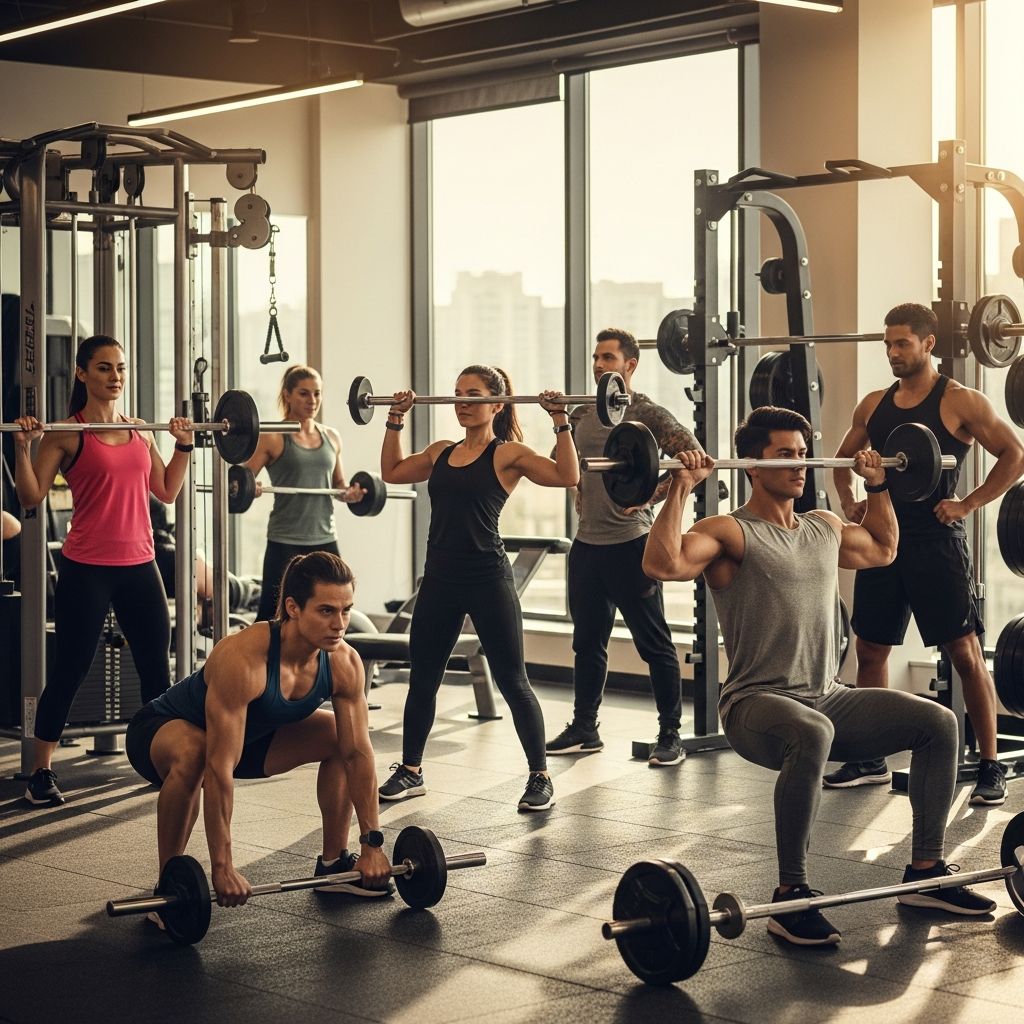
Strength training isn’t just for bodybuilders or athletes—it’s essential for everyone looking to improve health, build muscle, and enhance daily function. According to the CDC, adults should engage in muscle-strengthening activities at least two days per week. These exercises combat age-related muscle loss (sarcopenia), boost metabolism, strengthen bones, and reduce injury risk.
Exercise physiologists like Brittany Noonan, M.S., and Mike Robinson, C.S.C.S., emphasize compound movements that target multiple muscle groups for maximum efficiency. This article details the 12 best strength training exercises, complete with instructions, modifications, and benefits. Whether you’re a beginner or advanced, incorporate these into your routine for transformative results.
What Is Strength Training?
Strength training, also called resistance or weight training, involves exercises that cause muscles to contract against external resistance. This can use body weight, free weights, machines, or resistance bands. Unlike cardio, which focuses on endurance, strength training builds muscle mass, power, and endurance.
Key benefits include increased lean muscle (which burns more calories at rest), improved bone density (crucial for preventing osteoporosis), better joint stability, and enhanced metabolic health. A 2023 meta-analysis in Sports Medicine found that resistance training significantly improves strength, power, and functional ability in older adults.
Start with 2-3 sessions per week, 8-12 reps per set, and progressively overload by increasing weight or reps. Always prioritize form to avoid injury.
Best Strength Training Exercises for Full-Body Workouts
These 12 exercises, curated by certified trainers, form the foundation of any strength program. They target major muscle groups: legs, back, chest, core, and arms. Perform them in circuit style for fat-burning or straight sets for hypertrophy.
1. Pushup
The pushup is a powerhouse for upper-body strength, targeting chest, shoulders, triceps, and core. No equipment needed, making it accessible anywhere.
- How to do it: Start in high plank, hands shoulder-width apart. Lower body until chest nearly touches floor, elbows at 45 degrees. Push back up.
- Reps/Sets: 3 sets of 10-15
- Modifications: Knee pushups for beginners; elevated feet for advanced.
Pro tip: Keep body in a straight line—avoid sagging hips. Pushups improve pushing strength for daily tasks like opening doors.
2. Squat
Squats build lower-body power, targeting quads, glutes, hamstrings, and core. They’re functional for sitting, standing, and climbing stairs.
- How to: Stand feet hip-width, toes slightly out. Send hips back like sitting in a chair, knees tracking over toes. Lower until thighs parallel to floor, then drive up.
- Reps/Sets: 3 sets of 12
- Modifications: Chair squats or goblet squats with dumbbell.
A study in Journal of Strength and Conditioning Research shows squats increase vertical jump height by 10-15%.
3. Lunge
Lunges enhance balance and unilateral strength, hitting quads, glutes, and stabilizers.
Related Stories



- How to: Step forward, lower until both knees are 90 degrees. Front knee over ankle. Push back to start. Alternate legs.
- Reps/Sets: 3 sets of 10 per leg
- Variations: Reverse, walking, or curtsy lunges.
4. Deadlift
Deadlifts strengthen the posterior chain (back, glutes, hamstrings), vital for posture and lifting.
- How to: Feet hip-width, barbell over mid-foot. Hinge at hips, grip bar, keep back flat. Drive hips forward to stand.
- Reps/Sets: 3 sets of 8
- Beginner: Romanian deadlifts or kettlebell swings.
5. Pull-Up
Pull-ups build back and biceps strength, countering desk-job slouching.
- How to: Hang from bar, palms away. Pull chest to bar, lower with control.
- Reps/Sets: 3 sets to failure
- Mods: Assisted bands or inverted rows.
6. Bent-Over Row
Targets upper back, improving posture and grip strength.
- How to: Hinge at hips, dumbbells in hands. Pull elbows back, squeezing shoulder blades.
- Reps/Sets: 3 sets of 12
7. Overhead Press
Builds shoulders and overhead stability.
- How to: Press dumbbells from shoulder height overhead, core tight.
- Reps/Sets: 3 sets of 10
8. Plank
Core stabilizer extraordinaire for abs, obliques, and spine health.
- How to: Forearms on floor, body straight. Hold 20-60 seconds.
- Sets: 3
9. Glute Bridge
Activates glutes for better hip function and injury prevention.
- How to: Lie on back, feet flat. Lift hips, squeeze glutes.
- Reps: 3 sets of 15
10. Farmer’s Carry
Full-body grip and core challenge.
- How to: Hold heavy dumbbells, walk 30-50 feet.
- Sets: 3
11. Step-Up
Functional leg strength for stairs and hiking.
- How to: Step onto box, drive through heel.
- Reps: 10 per leg
12. Side Plank
Targets obliques for rotational strength.
- How to: Side-lying on forearm, lift hips. Hold 20-30 seconds per side.
Sample Full-Body Workout Routine
| Exercise | Sets x Reps | Rest |
|---|---|---|
| Squat | 3×12 | 60s |
| Pushup | 3×10 | 60s |
| Bent-Over Row | 3×12 | 60s |
| Plank | 3x30s | 30s |
Perform 2-3x/week, with rest days. Progress by adding weight.
Frequently Asked Questions (FAQs)
What are the best strength training exercises for beginners?
Start with bodyweight moves like squats, pushups (modified), planks, and glute bridges. Focus on form over weight.
How often should I do strength training?
2-3 non-consecutive days per week, per U.S. Physical Activity Guidelines.
Do I need equipment for strength training?
No—bodyweight exercises suffice. Dumbbells or a barbell enhance results.
Can strength training help with weight loss?
Yes, by building muscle that boosts resting metabolism. Combine with cardio and diet.
How long until I see strength gains?
Noticeable improvements in 4-6 weeks with consistency.
Nutrition Tips for Strength Training
Fuel workouts with protein (1.6-2.2g/kg body weight daily), per ACSM. Include carbs pre-workout and recover with post-workout shakes.
In summary, these exercises deliver comprehensive strength gains. Consult a doctor before starting, especially with health conditions. Track progress and stay consistent for lifelong benefits. (Word count: 1,728)
References
- Adult Activity: An Overview — Centers for Disease Control and Prevention. 2023-05-15. https://www.cdc.gov/physicalactivity/basics/adults/index.htm
- Physical Activity Guidelines for Americans, 2nd edition — U.S. Department of Health and Human Services. 2024-01-10. https://health.gov/our-work/physical-activity/current-guidelines
- Resistance Training for Older Adults: Position Statement — Journal of Strength and Conditioning Research (PubMed). 2023-07-01. https://pubmed.ncbi.nlm.nih.gov/29564973/
- Effects of Squat Exercise on Lower Body — Journal of Strength and Conditioning Research. 2016-10-01. https://journals.lww.com/nsca-jscr/fulltext/2016/10000/effects_of_squat_exercise_on_lower_body.15.aspx
- Protein Intake for Optimal Muscle Maintenance — American College of Sports Medicine. 2022-11-20. https://www.acsm.org/docs/default-source/files-for-resource-library/protein-intake-for-optimal-muscle-maintenance.pdf
Similar Articles








Read full bio of medha deb