Best Supplements to Lower Cortisol Naturally
Discover evidence-based supplements and lifestyle strategies to naturally manage cortisol levels.
Understanding Cortisol and the Need for Natural Management
Cortisol, often called the stress hormone, plays a crucial role in your body’s response to stress, metabolism, and immune function. However, chronically elevated cortisol levels can lead to numerous health challenges including poor sleep, weakened immunity, mood disturbances, and metabolic dysfunction. If cortisol remains consistently too high, restoring balance becomes essential for metabolic health, improving mood, strengthening immunity, and stabilizing sleep patterns.Instalab
While many people seek supplements to manage cortisol, it’s important to understand that the foundation of healthy cortisol regulation begins with lifestyle interventions. Sleep, stress management, and physical activity form the cornerstone of effective cortisol control, with supplements serving as complementary tools rather than standalone solutions.
The Foundation: Lifestyle Before Supplements
Before considering any supplement regimen, the strongest scientific evidence supports lifestyle modifications as the primary approach to cortisol management. These foundational practices should remain your first line of defense:
- Quality sleep: Consistent, restorative sleep patterns are essential for maintaining healthy cortisol rhythm
- Stress management: Practices such as meditation, deep breathing, and mindfulness help regulate the stress response
- Regular physical activity: Appropriate exercise supports hormonal balance and stress resilience
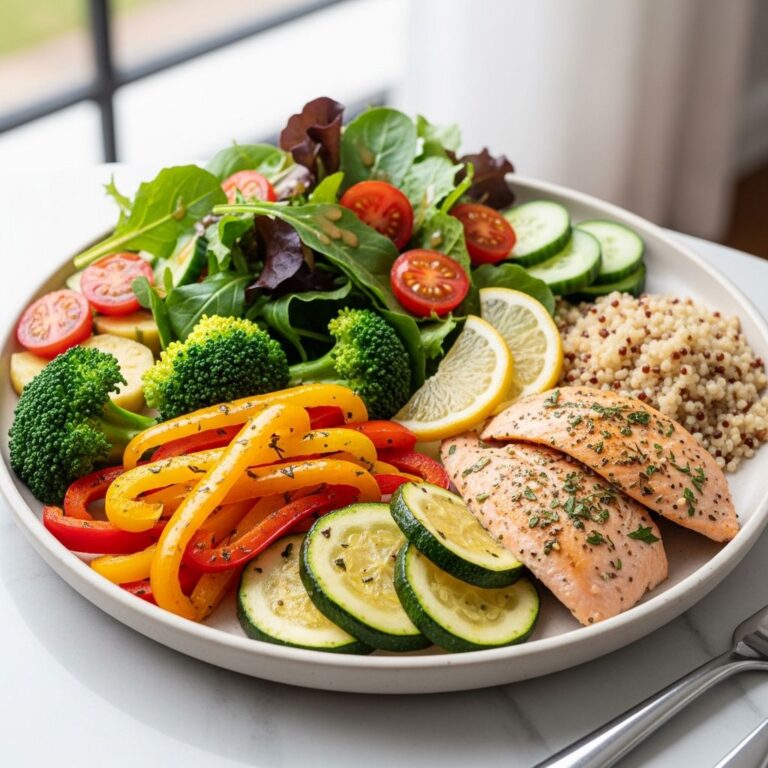
- Healthy nutrition: A balanced diet provides the micronutrients necessary for optimal cortisol regulation
Supplements should be viewed as complementary tools to enhance these foundational practices, not as replacements for them. Understanding this distinction is critical for achieving meaningful, sustainable results in cortisol management.
Top Supplements with Evidence for Lowering Cortisol
Omega-3 Fatty Acids: Strong Scientific Support
Among natural supplements, omega-3 fatty acids (including EPA and DHA) have some of the strongest evidence for cortisol reduction. Research demonstrates multiple beneficial effects across different populations. In studies of abstinent alcoholics, omega-3 supplementation lowered basal cortisol and reduced anxiety symptoms. For overweight adults, omega-3s reduced cortisol responses to acute social stress and dampened inflammation after several months of consistent use.Instalab
A particularly compelling study published in the journal Molecular Psychiatry involving sedentary midlife adults found that those who supplemented with 2.5 grams of omega-3s daily reduced their cortisol levels by up to 33 percent within four months. The research concluded that omega-3 supplementation not only lowers cortisol effectively but also boosts resilience to stress and may slow down accelerated aging at the cellular level.Moon Juice
Omega-3s represent one of the most reliable natural options for reducing stress-related cortisol elevations, making them an excellent choice for those seeking evidence-based supplementation.
Ashwagandha: The Adaptogenic Leader
Ashwagandha, an adaptogenic herb, is known for its long-term benefits in reducing cortisol and enhancing stress resilience. Unlike supplements that provide quick relief, ashwagandha works over time to help your body adapt to stress more effectively. The herb has been used in traditional Ayurvedic medicine for centuries and is now backed by modern clinical research demonstrating its ability to modulate the stress response and support hormonal balance.Moon Juice
Related Stories



Adaptogens like ashwagandha work by helping regulate the hypothalamic-pituitary-adrenal (HPA) axis, which controls cortisol release. This makes them particularly valuable for individuals dealing with chronic stress.
Magnesium: The Relaxation Mineral
Magnesium offers numerous benefits extending to brain health, sleep quality, and digestive function, while also playing a key role in cortisol regulation. There is strong scientific evidence linking magnesium supplementation with relaxation and stress reduction. Most Americans consume insufficient magnesium, making supplementation a practical consideration for many people.Moon Juice
This essential mineral supports nervous system function and helps counteract the effects of chronic stress on the body. Given its broad health benefits and role in cortisol management, magnesium supplementation deserves consideration as part of a comprehensive stress-management strategy.
L-Theanine: Rapid Stress Response Support
L-theanine, an amino acid naturally found in green tea, is favored for its quick calming effects. In a 2016 randomized controlled trial of 34 healthy young adults published in the journal Nutrients, those who consumed a beverage containing 200 mg of L-theanine experienced a significant reduction in stress response while multitasking just one hour after ingestion, and showed a reduction in salivary cortisol response to a stressor three hours post-ingestion.Moon Juice
While L-theanine can improve outcomes for stress, cognitive issues, and sleep, more consistent research is needed to fully establish its ability to consistently reduce cortisol across diverse populations. However, it remains a promising option for those seeking rapid support during acute stress.
Rhodiola Rosea: The Fatigue Fighter
Rhodiola Rosea, another adaptogenic herb, is often mentioned alongside ashwagandha. While ashwagandha shows more robust support for directly lowering cortisol, Rhodiola helps curb certain symptoms of stress such as mental and physical fatigue once they arise. A randomized, double-blind, placebo-controlled study published in Planta Medica examined 60 regularly fatigued adults who supplemented with 576 milligrams of Rhodiola extract daily for 28 days.Moon Juice The results showed a decreased cortisol response to awakening stress, along with improvements in mental clarity and physical stamina.
Probiotics: Gut-Brain Axis Support
The gut-brain axis offers another important avenue for cortisol regulation. A systematic review and meta-analysis of 46 randomized controlled trials found that probiotics lowered cortisol compared to placebo, though the effect was modest and somewhat inconsistent across studies. Single-strain probiotics and interventions in healthy populations were more likely to show benefits.Instalab
While probiotics do not have as large an effect as omega-3s, they appear to nudge cortisol in a favorable direction while supporting overall digestive and immune health.
Vitamin C: Antioxidant and Stress Support
Vitamin C is renowned for its immune support and antioxidant protection, but it may also help manage cortisol levels. A 2020 review in The Journal of Nutritional Biochemistry found that vitamin C deficiencies are widely associated with stress-related diseases. The review noted that Ascorbic Acid is highly tolerable and boasts a rapid therapeutic response, potentially benefiting those seeking to improve stress levels, mood, and overall wellbeing.Moon Juice
While more research is needed to determine vitamin C’s effectiveness as a primary cortisol-reduction tool, it serves as a supporting player that complements other stress management strategies.
Ginseng: HPA Axis Support
Ginseng offers a range of health benefits due to its antioxidant profile and likely neuromodulating effects, with protection against stress among them. Per a 2017 review in the Journal of Ginseng Research, ginseng “provides a potential treatment agent for patients with HPA axis disorders associated with hypersecretion of cortisol.” While further research is needed to fully understand how ginseng influences hormone secretion, supplementation may improve outcomes for those with elevated cortisol levels.Moon Juice
Phosphatidylserine: Brain and Cortisol Balance
Phosphatidylserine is both a natural substance found in the body and a nutritional supplement supporting memory, cognitive function, and healthy brain aging. Another potential benefit is stress reduction, as it may help balance cortisol levels in the body. A 2008 study published in the Journal of the International Society of Sports Nutrition found that phosphatidylserine supplements “have the potential to attenuate the serum cortisol response to acute exercise stress.”Moon Juice
The study involved 10 healthy male participants who took 600 milligrams of phosphatidylserine or placebo daily for 10 days. Results showed that the supplement group experienced more favorable hormonal balance by reducing high cortisol levels, helping counteract exercise-induced stress.
Tangeretin: Plant-Based Stress Buffering
Tangeretin, a flavonoid from citrus peel, has been tested in athletes with promising results. In a randomized trial, four weeks of supplementation reduced cortisol and ACTH (a hormone that triggers cortisol release) after intense exercise while also boosting antioxidant defenses. This suggests that plant bioactives like tangeretin can provide stress-buffering benefits in physically demanding contexts, though research remains limited.Instalab
Adaptogenic Blends: Combined Approach
Herbs such as Rhodiola rosea, Schisandra, and Eleutherococcus are often marketed as adaptogens in combination blends. A trial in elite athletes using a blend of these adaptogens showed reduced cortisol and improvements in fatigue, focus, and performance. While promising, the research is limited and complicated by the use of blends, making it difficult to pinpoint which herb drives the effect. Adaptogens may help manage cortisol, but evidence is less robust compared to omega-3s and probiotics.Instalab
Supplements with Limited Evidence
Zinc and Vitamin D: Mixed Results
Micronutrients like zinc and vitamin D have been tested in stressed and obese populations with mixed results. A trial in individuals with depressive symptoms found that zinc and vitamin D supplementation improved mood but did not lower cortisol compared to placebo. In pregnant women, lipid-based supplements with vitamin D sometimes reduced cortisol late in pregnancy, but the effects were inconsistent. While zinc and vitamin D support health in other important ways, they do not reliably reduce cortisol on their own.Instalab
HMB: Modest and Limited Effects
HMB, a metabolite of leucine, has been explored for its potential to protect muscle during stress. One trial found that HMB altered cortisol awakening responses, showing reductions compared to placebo. However, the effects were modest, and there is little evidence connecting HMB supplementation with meaningful clinical outcomes related to stress or cortisol regulation.Instalab
Commercial Blends: Variable Effectiveness
Cortislim and Cortitrol are marketed blends designed to reduce stress responses. While Cortitrol showed significant cortisol reduction in double-blind, placebo-controlled trials and reduced markers of oxidative stress, making it one of the few supplements with repeated evidence of lowering cortisol in controlled human studies, Cortislim has more modest effectiveness. Research shows Cortislim can blunt cortisol elevations during stress, but it does not appear to change fat oxidation, resting metabolism, or body composition, offering only short-term cortisol reduction without downstream health benefits.Instalab
Supplement Effectiveness Comparison
| Supplement | Evidence Level | Primary Benefit | Timeline |
|---|---|---|---|
| Omega-3 Fatty Acids | Strong | Direct cortisol reduction up to 33% | 4 months |
| Ashwagandha | Strong | Long-term stress resilience | 8+ weeks |
| Magnesium | Strong | Relaxation and nervous system support | Ongoing |
| L-Theanine | Moderate | Rapid stress response reduction | 1-3 hours |
| Rhodiola Rosea | Moderate | Fatigue reduction and awakening response | 4 weeks |
| Probiotics | Moderate | Modest cortisol reduction via gut-brain axis | Variable |
| Vitamin C | Weak-Moderate | Supportive antioxidant benefits | Variable |
| Ginseng | Moderate | HPA axis support | Variable |
| Phosphatidylserine | Moderate | Exercise stress attenuation | 10+ days |
Important Considerations About Cortisol Balance
Lowering cortisol is not about eliminating it completely. Cortisol is essential for survival, metabolism, and immune function. The goal is to restore a healthy rhythm with peaks in the morning that gradually decline throughout the day and reach their lowest point at night. This natural rhythm supports optimal energy, alertness, and sleep quality.Instalab
Anyone considering supplementation should view it as a complementary tool to normalize this balance, not as a replacement for foundational lifestyle habits. The most effective approach combines evidence-based supplements with consistent sleep, stress management, and physical activity.
Choosing the Right Supplement for Your Needs
When selecting a cortisol-lowering supplement, consider your specific circumstances:
- For chronic stress: Ashwagandha or omega-3 fatty acids offer the strongest long-term support
- For acute stress: L-theanine or magnesium provide more immediate calming effects
- For post-exercise stress: Phosphatidylserine or tangeretin may help moderate cortisol spikes
- For fatigue and stress: Rhodiola Rosea addresses both symptoms and cortisol response
- For overall wellness: A combination approach with omega-3s and magnesium supports multiple health aspects
Frequently Asked Questions
Q: Which supplement has the most scientific evidence for lowering cortisol?
A: Omega-3 fatty acids have among the strongest evidence, with studies showing up to 33% cortisol reduction over four months. Ashwagandha and magnesium also have robust support for cortisol management and stress resilience.
Q: How long does it take for cortisol supplements to work?
A: Timeline varies by supplement. L-theanine works within 1-3 hours, while ashwagandha and omega-3s typically require 4+ weeks of consistent use to show meaningful effects. Lifestyle changes often show benefits more quickly than supplements alone.
Q: Can supplements alone lower cortisol?
A: While supplements can help reduce cortisol, they work best as complements to lifestyle interventions. Sleep, stress management, and physical activity form the foundation of cortisol regulation, with supplements providing additional support.
Q: Is cortisol bad and should it be eliminated?
A: No. Cortisol is essential for survival, metabolism, and immune function. The goal is maintaining a healthy rhythm with morning peaks and evening declines, not eliminating cortisol entirely.
Q: Should I consult a healthcare provider before taking cortisol supplements?
A: Yes. Healthcare providers can assess your individual cortisol levels, identify underlying causes of elevation, and recommend supplements that complement your overall health plan while avoiding potential interactions with medications.
References
- What supplements lower cortisol? — Instalab. https://instalab.com/answers/what-supplements-lower-cortisol
- 8 Best Supplements to Reduce Cortisol — Moon Juice. https://moonjuice.com/blogs/supplements/supplements-to-reduce-cortisol
- Omega-3 supplementation and cortisol reduction in sedentary midlife adults — Molecular Psychiatry, 2021. Research demonstrates 33% cortisol reduction with 2.5g daily omega-3 supplementation.
- L-theanine and stress response in healthy adults — Nutrients, 2016. Study of 34 participants receiving 200mg L-theanine showed reduced salivary cortisol response to stressors.
- Phosphatidylserine and exercise-induced cortisol response — Journal of the International Society of Sports Nutrition, 2008. Research on 600mg daily supplementation showed attenuated serum cortisol response to acute exercise stress.
- Probiotics and cortisol: Systematic review and meta-analysis — Meta-analysis of 46 randomized controlled trials examining probiotic effects on cortisol levels.
- Rhodiola and cortisol in fatigued adults — Planta Medica. Study of 60 participants with 576mg daily extract showed decreased cortisol awakening response.
Similar Articles








Read full bio of medha deb