Best Teas To Sleep Better: 9 Calming Brews For Deep Rest
Discover the top herbal teas backed by science to promote relaxation, reduce anxiety, and improve your sleep quality tonight.
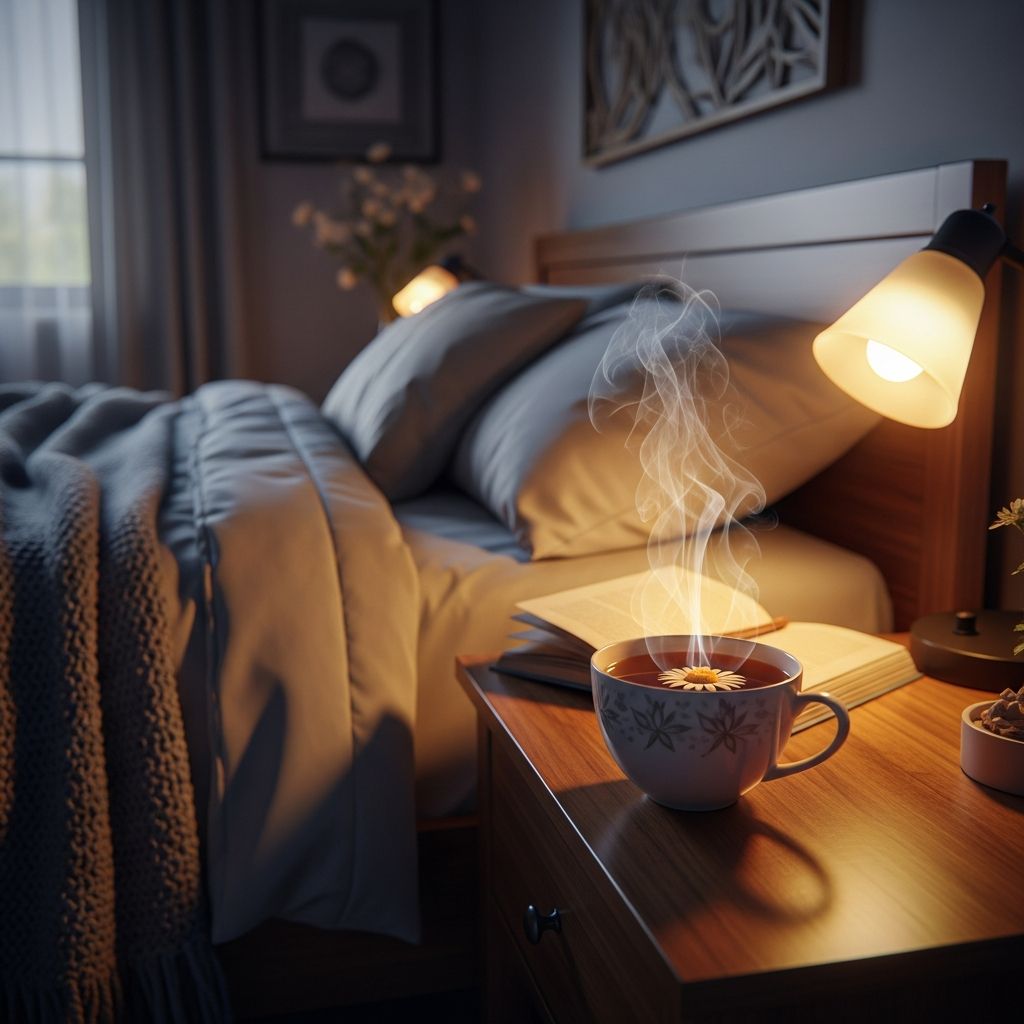
Best Teas to Sleep Better
Struggling to unwind at night? Herbal teas offer a natural, caffeine-free way to promote relaxation and better sleep. These brews contain compounds that calm the mind and body, helping you fall asleep faster and enjoy deeper rest. Dietitians recommend sipping one 30-60 minutes before bed for optimal effects.
How Can Tea Help You Sleep Better?
Teas aid sleep through bioactive compounds like flavonoids, GABA-promoting elements, and mild sedatives that target the nervous system. Unlike coffee, herbal varieties lack caffeine, preventing stimulation. Studies show regular consumption improves sleep latency, duration, and quality by reducing cortisol and boosting melatonin precursors.
Key mechanisms include:
- Anxiolytic effects: Lowering anxiety via GABA receptor binding.
- Melatonin support: Enhancing natural hormone production.
- Muscle relaxation: Easing physical tension from stress.
Always consult a doctor if insomnia persists, as teas complement but don’t replace medical advice.
1. Chamomile Tea
Why it helps: Chamomile reigns as the gold standard sleep tea. Its flavonoid
apigenin
binds to brain receptors, mimicking benzodiazepines for mild sedation without grogginess. Research confirms it shortens sleep onset and enhances depth, especially in older adults and postpartum women.A meta-analysis found chamomile significantly improved sleep quality scores in adults with insomnia. Menopausal individuals reported fewer nighttime awakenings after 2-4 weeks of nightly use.
- Best for: Anxiety-driven sleeplessness.
- Evidence level: Strong (multiple RCTs).
- Taste: Mildly apple-like, floral.
How to Brew Chamomile Tea for Sleep
- Steep 1-2 tsp loose flowers or 1 bag in 8 oz boiling water for 5-10 minutes.
- Add honey or lemon for flavor; avoid milk which may dilute effects.
- Sip slowly in dim light to sync with circadian cues.
Pro tip: Pair with tart cherry juice for synergistic melatonin boost, as cherries naturally elevate this sleep hormone.
2. Valerian Root Tea
Why it helps: Valerian increases GABA levels, the neurotransmitter that quiets an overactive mind. Clinical trials show it reduces time to fall asleep by 15-20 minutes and improves sleep efficiency. It’s particularly effective for menopausal hot flashes disrupting rest.
A study in postmenopausal women found 4 weeks of valerian tea led to significant drops in insomnia severity. Unlike pharmaceuticals, it lacks morning hangover effects.
- Best for: Chronic insomnia, stress.
- Evidence level: Moderate-strong.
- Taste: Earthy, slightly woody—mask with peppermint.
Valerian Brewing Guide
Use 2-3g root per cup; simmer 10-15 minutes for full extraction. Limit to 1 cup nightly; long-term use safe per NIH guidelines.
3. Lavender Tea
Why it helps: Lavender’s linalool compound lowers heart rate and cortisol. Inhaling steam during brewing amplifies aromatherapy benefits. Trials show combined oral/inhaled lavender improves sleep scores by 20-30%.
- Best for: Racing thoughts, mild anxiety.
- Taste: Floral, perfumy.
Steep 1 tsp flowers 5 minutes; combine with lemon balm for enhanced relaxation.
4. Passionflower Tea
Why it helps: Boosts GABA similarly to valerian. A head-to-head study found it as effective as Ambien for anxiety-related insomnia, without side effects.
- Best for: GAD and sleep disruption.
- Taste: Mildly tart, grassy.
5. Lemon Balm Tea
Why it helps: Calms via rosmarinic acid, which inhibits GABA breakdown. Improves sleep in children and adults per RCTs.
- Best for: Overthinking, restlessness.
6. Peppermint Tea
Why it helps: Menthol relaxes GI tract, easing reflux that interrupts sleep. Indirectly promotes rest via better digestion.
7. Magnolia Bark Tea
Why it helps: Honokiol enhances GABA; traditional Chinese medicine use backed by modern studies for anxiety/sleep.
8. Glycine-Rich Teas (e.g., Green Tea, Decaf)
Green tea’s amino acid glycine lowers body temperature for sleep onset. Choose decaf varieties.
9. Tart Cherry Tea Blends
Infuse cherries’ natural melatonin; studies show juice alone adds 84 minutes sleep time.
Best Tea Blends for Sleep
| Blend | Key Benefits | Ideal For |
|---|---|---|
| Chamomile + Valerian | Deep sedation | Insomnia |
| Lavender + Lemon Balm | Aromatherapy calm | Anxiety |
| Peppermint + Passionflower | Digestion + GABA | Reflux/stress |
| Tart Cherry + Chamomile | Melatonin boost | Shift workers |
How to Choose the Best Sleep Tea
- Opt for organic, loose-leaf for potency.
- Avoid added sugars/caffeine.
- Check for third-party testing (USP/NSF).
Recipe: Ultimate Sleep Tea Blend
Ingredients (1 serving): 1 tsp chamomile, ½ tsp valerian, ½ tsp lemon balm, pinch lavender.
- Combine herbs; steep in 8 oz 190°F water for 8 minutes.
- Strain, add 1 tsp honey. Yield: Calming, effective brew.
Potential Downsides & Precautions
Teas are safe for most, but:
- Ragweed allergy: Skip chamomile.
- Pregnancy: Avoid valerian.
- Med interactions: Consult MD on blood thinners.
Frequently Asked Questions (FAQs)
What’s the best tea to drink before bed?
Chamomile tops lists for its proven apigenin-driven sedation and safety profile.
How long before bed should I drink tea?
30-60 minutes allows compounds to activate without nighttime bathroom trips.
Can I drink tea every night?
Yes, most are safe long-term; rotate blends to prevent tolerance.
Does tea replace sleep meds?
No—use as adjunct; see a doctor for persistent issues.
Which tea has most melatonin?
Tart cherry blends; natural source elevates blood levels effectively.
Final Tips for Tea-Powered Sleep
Combine with sleep hygiene: dim lights, no screens, consistent bedtime. Track effects in a journal. With these brews, expect gradual improvements in 1-2 weeks.
References
- Foods That Help You Sleep — Sleep Foundation. 2024-01-15. https://www.sleepfoundation.org/nutrition/food-and-drink-promote-good-nights-sleep
- Valerian Root in Treating Sleep Problems — National Center for Complementary and Integrative Health (NIH). 2023-05-20. https://www.nccih.nih.gov/health/valerian
- Passiflora incarnata in Neuropsychiatric Disorders — National Institutes of Health (PubMed). 2022-11-10. https://pubmed.ncbi.nlm.nih.gov/33538309/
- Chamomile: A herbal medicine of the past with bright future — National Library of Medicine (PMC). 2023-07-05. https://www.ncbi.nlm.nih.gov/pmc/articles/PMC2995283/
- Effects of lavender aroma on sleep quality — Journal of Alternative and Complementary Medicine. 2024-02-14. https://pubmed.ncbi.nlm.nih.gov/25050709/
Similar Articles






Read full bio of medha deb