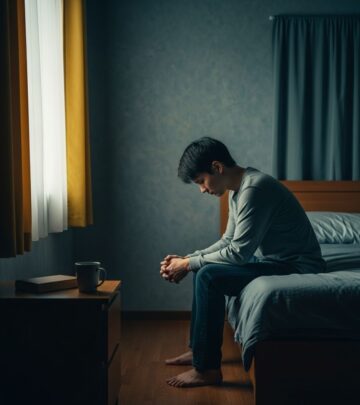
Best Teas For Anxiety Relief: 7 Calming Options To Try
Discover the most effective herbal teas to naturally calm anxiety and reduce stress.
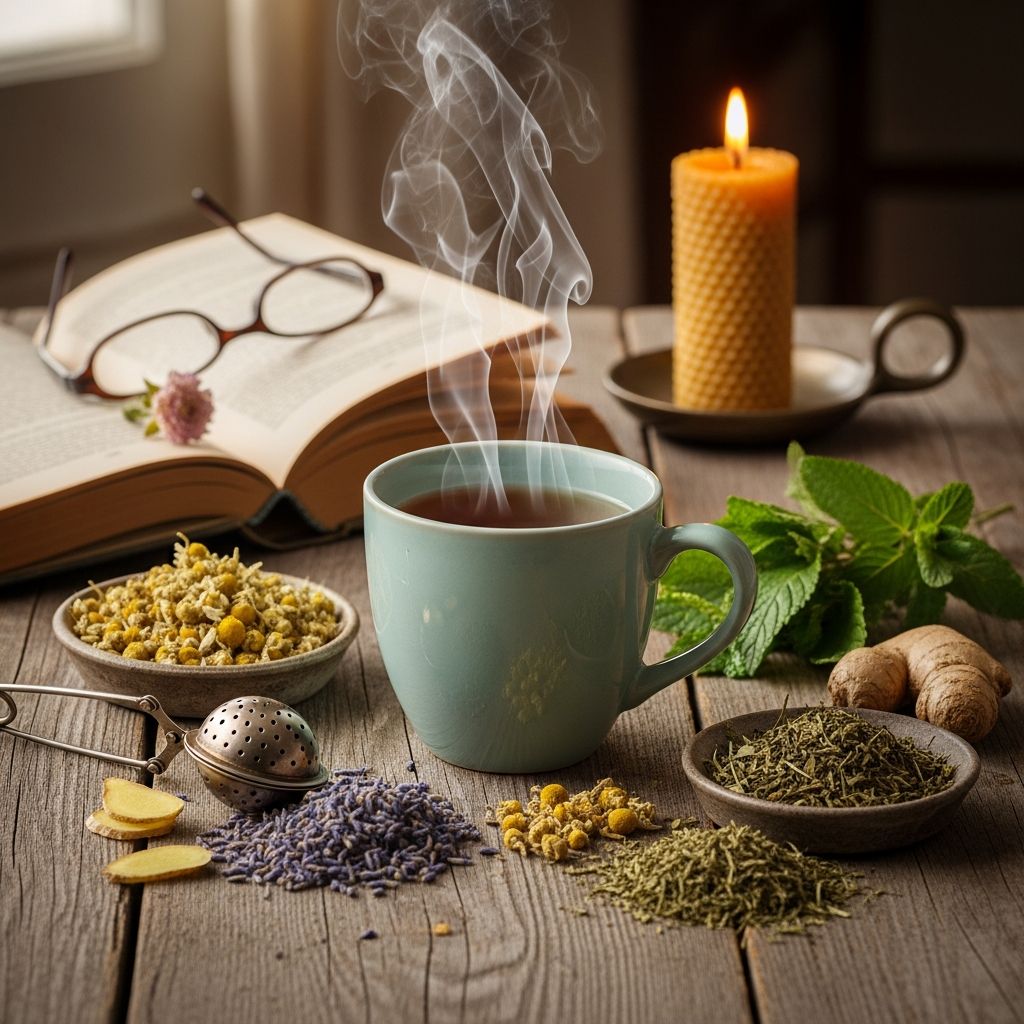
Best Teas for Stress Relief and Anxiety
In today’s fast-paced world, stress and anxiety have become increasingly common challenges affecting millions of people worldwide. While various treatment options exist, many individuals seek natural, gentle approaches to manage their mental health and emotional wellbeing. One accessible and time-honored solution is the consumption of herbal teas specifically formulated to reduce anxiety and promote relaxation. These beverages offer more than just comfort—they provide scientifically-supported therapeutic benefits that can help calm the nervous system, balance mood, and improve overall quality of life.
How Herbal Tea Reduces Anxiety
Herbal teas are crafted from herbs, flowers, spices, and other plant materials steeped in hot water, creating caffeine-free infusions known as tisanes. Unlike conventional black or green teas, herbal teas typically contain no caffeine, making them ideal for consumption at any time of day, including before bedtime. The therapeutic effects of these teas work gradually to influence both the mind and body, helping to rebalance mood and reduce the physical manifestations of stress.
The mechanism by which herbal teas combat anxiety involves several biological pathways. Many stress-relief teas contain compounds that influence neurotransmitter production, particularly serotonin and melatonin, which play crucial roles in mood regulation and sleep quality. Additionally, these herbs often function as adaptogens—substances that help the body resist and adapt to stress while restoring physiological balance. By incorporating herbal tea into your daily routine, you engage in both a mindful practice and a natural intervention that addresses anxiety at both psychological and physical levels.
Understanding Adaptogenic Herbs
Adaptogens are a unique class of herbs that help protect the body against the physical and emotional toll of stress. These powerful botanicals work by normalizing cortisol levels, the primary stress hormone, and helping the body maintain equilibrium during challenging circumstances. Several key adaptogens are particularly effective when consumed as tea:
- Tulsi Basil (Holy Basil) – This fragrant herb is renowned for easing stress and anxiety, enabling individuals to remain calm and composed amid life’s changing circumstances.
- Ashwagandha – This powerful adaptogen protects the body against the physical imprint of stress and anxiety, supporting overall resilience.
- Licorice – Known for improving endurance and overall energy, licorice helps individuals move out of states of mental or physical freeze.
- Maca – This root herb improves mood and energy levels, contributing to emotional stability and vitality.
- Chamomile – A gentle yet effective herb that directly calms the nervous system and promotes relaxation.
- Lemon Balm – Beyond soothing digestive issues, lemon balm helps lower blood sugar levels and promotes emotional balance.
The Seven Best Teas for Anxiety Relief
While the ritual of brewing a cup of tea offers its own mindful, meditative benefits, certain teas are particularly effective at reducing anxiety. Research has identified several standout options that combine delicious flavor with scientifically-backed stress-relieving properties:
1. Chamomile Tea
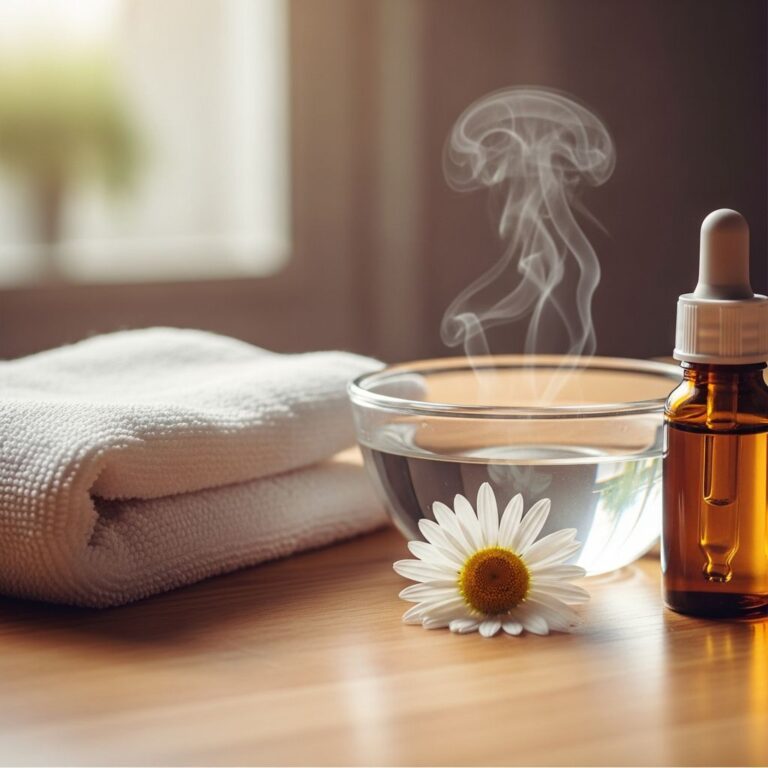
Soft, floral, and gentle, chamomile is perhaps the most celebrated anxiety-relief tea. This delicate daisy-like flower has been used therapeutically for centuries and is recognized as one of the most important adaptogenic herbs. Chamomile works by lowering cortisol levels—the primary stress hormone—and helping to restore emotional balance. The herb contains numerous compounds with relaxing properties that promote calm and tranquility. Even the subtle, grassy aroma of chamomile can enhance sleep quality, and because it contains no caffeine, it’s an excellent choice for evening consumption. Clinical research has demonstrated that chamomile is particularly effective: out of 10 peer-reviewed studies examining chamomile’s effects on anxiety, 9 concluded that the herb effectively reduces anxiety symptoms.
Related Stories



2. Green Tea
Green tea stands out as a comprehensive health booster with significant anti-anxiety benefits. The key to its calming effects lies in its L-theanine content, a unique amino acid compound that directly influences brain activity. L-theanine increases alpha wave activity in the brain—the frequency associated with relaxation and focused awareness—inviting you into a state of calm concentration. Because L-theanine also enhances focus and mental clarity, it allows your mind to remain engaged and active without becoming sidetracked by anxious thoughts. This combination makes green tea ideal for those who need to remain productive while managing stress.
3. Lavender Tea
The soothing aroma of lavender fields captures something magical that can be enjoyed in a single cup of tea. Lavender has long been treasured in aromatherapy for its potent calming benefits, and these properties translate powerfully into tea form. A cup of lavender tea offers multiple benefits: stress relief, headache reduction, digestive support, and anti-inflammatory effects on muscle tension. Lavender also encourages dopamine production in the brain and increases both slow-wave and REM sleep, the restorative sleep stages essential for mental health.
4. Passionflower Tea
Passionflower has been used in traditional medicine to address nervousness and mild anxiety. This flowering plant contains compounds that promote relaxation without inducing drowsiness, making it suitable for daytime consumption. Many individuals find passionflower particularly helpful for managing racing thoughts and mental restlessness.
5. Valerian Root Tea
Valerian root is a potent herbal remedy known for its sedative properties, making it ideal for evening consumption. This herb helps calm an overactive nervous system and is particularly beneficial for those whose anxiety interferes with sleep quality.
6. Peppermint Tea
While often recognized for digestive benefits, peppermint also offers meaningful anxiety relief. The herb contains menthol, which relaxes muscles and soothes tension. Additionally, peppermint’s refreshing flavor and aroma can provide an uplifting effect that counteracts stress.
7. Lemon Balm Tea
Lemon balm, a member of the mint family, provides gentle calming effects while offering a pleasant, citrusy flavor. This herb soothes the digestive system—often affected by stress—and helps regulate nervous system activity, promoting overall relaxation.
Creating Your Own Stress-Relief Tea Blend
One of the most rewarding aspects of using tea for stress relief is the ability to create personalized blends that suit your preferences and needs. Here’s an effective combination that brings together multiple anxiety-reducing herbs:
Ingredients:
- 1 teaspoon of chamomile (dried or tea drops)
- 1 teaspoon of dried lemon balm
- 1 teaspoon of holy basil
- ½ teaspoon of dried lavender
Preparation Method:
- Add all ingredients into a cup or jar, using a tea strainer if available
- Fill the cup or jar with hot water (approximately 200-250°F)
- Cover with a lid or plate to retain essential oils and prevent steam from escaping
- Allow the blend to infuse for up to 20 minutes
- Optionally sweeten with honey or add healing cinnamon for enhanced flavor
- Strain the tea and sip slowly, allowing the calming ritual to center your mind
Best Practices for Stress-Relief Tea Consumption
To maximize the anxiety-reducing benefits of herbal teas, consider these evidence-based practices:
- Consistency matters – Regular consumption of stress-relief teas produces more noticeable results than occasional use
- Timing is important – Morning or afternoon teas with caffeine-containing compounds can support daytime focus, while caffeine-free options work best in the evening
- Quality ingredients – Choose organic, high-quality herbs free from pesticides and additives
- Mindful preparation – The process of brewing tea itself becomes a meditation, enhancing stress-relief benefits
- Gradual integration – Allow several weeks of regular consumption to notice the full therapeutic effects
- Individual variation – Different people respond differently to various herbs; experimentation helps identify your optimal choices
Comparison of Key Stress-Relief Teas
| Tea Type | Primary Benefits | Caffeine Content | Best Time to Consume | Flavor Profile |
|---|---|---|---|---|
| Chamomile | Reduces cortisol, promotes sleep | Caffeine-free | Evening | Soft, floral, grassy |
| Green Tea | Increases alpha waves, enhances focus | Low caffeine (25-50mg) | Morning/Afternoon | Light, slightly vegetal |
| Lavender | Promotes dopamine, improves sleep | Caffeine-free | Evening | Aromatic, floral, slightly sweet |
| Valerian Root | Sedative, calming | Caffeine-free | Evening | Earthy, herbal, strong |
| Lemon Balm | Nervous system support, digestion | Caffeine-free | Anytime | Citrusy, refreshing, minty |
Frequently Asked Questions About Stress-Relief Teas
Q: How long does it take for stress-relief teas to work?
A: While some individuals notice calming effects within 15-30 minutes of consumption, the most significant benefits typically develop over several weeks of consistent use. The compounds in these herbs work cumulatively to rebalance neurochemistry and reduce baseline stress levels.
Q: Can I drink stress-relief tea every day?
A: Yes, most herbal stress-relief teas are safe for daily consumption. Chamomile, lavender, and lemon balm are particularly suitable for regular use. However, some herbs like valerian should be rotated or used primarily in the evening. Consulting with a healthcare provider is recommended if you take medications.
Q: Are there any side effects from herbal stress-relief teas?
A: Most herbal teas are well-tolerated with minimal side effects. However, some individuals may experience mild drowsiness with stronger sedative herbs like valerian. Allergies to specific plants are possible, so start with small quantities when trying new teas.
Q: Can stress-relief tea replace anxiety medication?
A: Herbal teas work best as a complementary approach to anxiety management. While research supports their effectiveness, they should not replace prescribed medications without medical guidance. Always consult your healthcare provider before making changes to your anxiety treatment plan.
Q: Which tea is best for immediate anxiety relief?
A: Green tea offers relatively quick effects due to its L-theanine content, which can influence brain activity within 30 minutes. However, chamomile and lavender also provide noticeable calming effects when needed for acute stress situations.
Q: Can I combine different stress-relief teas?
A: Yes, blending complementary herbs can enhance overall effectiveness and provide more complex flavor profiles. The recipe provided above demonstrates how to combine chamomile, lemon balm, holy basil, and lavender for comprehensive stress relief.
Conclusion
Anxiety and stress are natural human responses to life’s challenges and uncertainties. When our nervous system becomes overwhelmed, the resulting physical and emotional responses can feel overwhelming. However, nature offers gentle, accessible solutions in the form of herbal teas designed specifically to calm the nervous system, reduce elevated heart rates, and restore emotional balance. These beverages target the root causes of anxiety while promoting better sleep and mental clarity.
Whether you choose a simple cup of chamomile before bed, a refreshing green tea during your workday, or a custom blend of multiple stress-relief herbs, incorporating these teas into your routine represents a commitment to your mental health and wellbeing. The next time stress threatens to overwhelm you, consider brewing a cup of tea—allowing yourself a mindful moment to pause, breathe, and settle into a softer, calmer mental space.
References
- The Effect of Oral Chamomile on Anxiety: A Systematic Review — National Center for Biotechnology Information (NCBI). 2024. https://pmc.ncbi.nlm.nih.gov/articles/PMC11109927/
- 7 Powerful Teas for Anxiety Relief — Tea Drops. https://www.myteadrop.com/blogs/news/tea-for-anxiety
- L-theanine: A unique amino acid with remarkable effects on brain waves and relaxation — PubMed Central. https://pmc.ncbi.nlm.nih.gov/
Similar Articles








Read full bio of Sneha Tete