Best Temperature For Sleeping: Expert Guide To Optimal Rest
Discover the ideal bedroom temperature for optimal sleep quality, backed by sleep experts and scientific research.
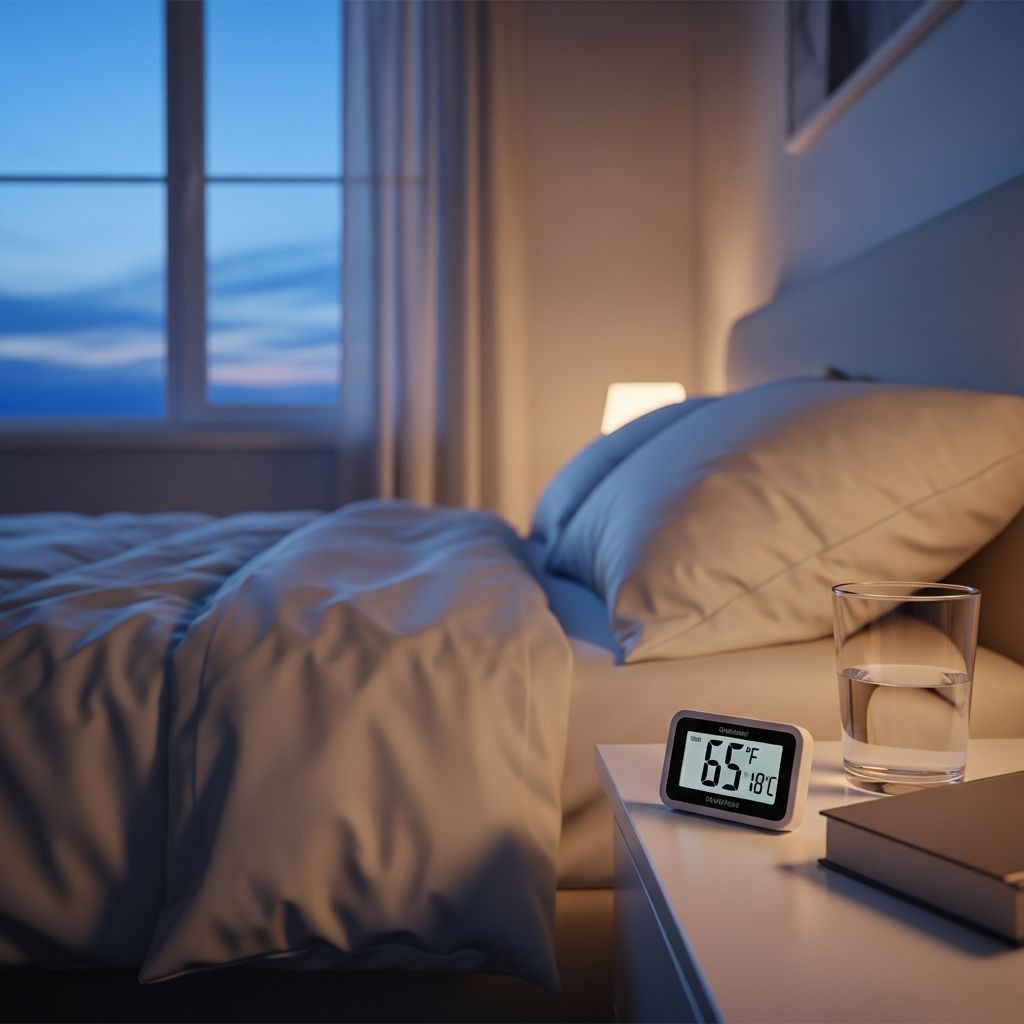
The ideal bedroom temperature for most adults falls between
60 and 67 degrees Fahrenheit (15.5 to 19.5 degrees Celsius)
, according to sleep experts from organizations like the National Sleep Foundation and Cleveland Clinic. This cool range mimics the body’s natural drop in core temperature during sleep onset, promoting faster sleep initiation, deeper rest, and fewer awakenings.Sleep is regulated by the circadian rhythm, which lowers core body temperature by 1-2°F at night. A matching room environment supports vasodilation—where blood vessels widen to release heat—facilitating entry into slow-wave and REM sleep stages. Deviations disrupt this process, leading to fragmented sleep.
Why Temperature Affects Sleep
Your body’s thermoregulation is central to sleep architecture. As evening approaches, core temperature declines, signaling melatonin release and drowsiness. Skin temperature rises slightly to dissipate heat. An ambient temperature of 60-67°F aligns perfectly, preventing overheating or chilling that could trigger arousal.
Research shows extreme temperatures increase wakefulness and reduce REM sleep, the restorative dreaming phase. Heat elevates core temperature, suppressing deep sleep; cold constricts vessels, straining the cardiovascular system and causing shallow breathing. A 2023 study of older adults found sleep efficiency optimal at 20-25°C (68-77°F), dropping 5-10% above 30°C (86°F).
- Heat disrupts: REM stability, causing restlessness and insomnia-like symptoms.
- Cold impacts: Circulation, leading to discomfort without as severe sleep cycle interference.
- Humidity compounds: Issues, trapping heat and reducing evaporative cooling.
Ideal Temperature by Age Group
While 60-67°F suits adults, needs vary by age and physiology. Infants and children require warmer settings due to immature thermoregulation.
| Group | Ideal Range (°F) | Ideal Range (°C) | Reason |
|---|---|---|---|
| Adults | 60-67 | 15.5-19.5 | Supports natural core temp drop |
| Babies/Toddlers | 65-70 | 18-21 | Smaller bodies lose heat faster; prevents hypothermia |
| Children (5+) | 60-67 | 15.5-19.5 | Similar to adults, adjust for activity level |
| Older Adults | 68-77 | 20-25 | Optimal per longitudinal wearable study |
| Menopause/Hot Sleepers | 60-65 | 15.5-18 | Counters night sweats |
Personal factors like metabolism, bedding, and conditions (e.g., menopause) influence preferences. Test adjustments in 2-3°F increments.
Too Hot or Too Cold: Effects and Signs
Signs Your Room Is Too Hot (Above 70°F)
Excess heat hinders heat loss, raising core temperature and blocking sleep onset. Night sweats, frequent awakenings, and reduced deep sleep follow. Studies link it to insomnia aggravation and circadian disruption.
- Frequent tossing/turning
- Waking sweaty or thirsty
- Shallow breathing, less REM
- Daytime fatigue despite hours slept
Signs Your Room Is Too Cold (Below 60°F)
Cold triggers vasoconstriction to conserve heat, stressing the heart and lungs. It rarely disrupts cycles as severely as heat but causes discomfort.
- Shivering or tense muscles
- Waking to pull up covers
- Morning stiffness
- Interrupted slow-wave sleep
How to Set and Maintain Ideal Sleep Temperature
Achieving 60-67°F requires strategy, especially in varying climates.
- Thermostat: Set 1-2 hours pre-bed; use programmable models.
- Fans/AC: Ceiling fans for circulation; avoid direct blow.
- Blackout: Curtains block daytime heat buildup.
- Bedding: Breathable cotton/percale sheets, lightweight comforters.
- PJs: Moisture-wicking fabrics like bamboo or cotton.
Related Stories



For hot sleepers: Cooling mattresses (gel-infused), pillows with phase-change materials. In winter, layer blankets instead of heating the room.
Additional Bedroom Environment Tips
Temperature optimization pairs with other sleep hygiene factors.
- Darkness: Blackout curtains enhance melatonin.
- Quiet: White noise masks disruptions.
- Humidity: 30-50% prevents dryness; use humidifiers/dehumidifiers.
- Airflow: Crack windows if safe, for fresh oxygen.
Track with wearables or smart thermostats to personalize.
Frequently Asked Questions (FAQs)
What’s the best temperature for sleep according to experts?
60-67°F (15.5-19.5°C) for adults, per National Sleep Foundation and Cleveland Clinic sleep psychologist Michelle Drerup.
Is 68 degrees too hot for sleeping?
It’s on the warmer edge; fine for some, but may reduce sleep efficiency. Aim cooler for optimal REM.
Should I sleep with a fan on?
Yes, for air circulation mimicking wind chill, but not directly on you to avoid drying airways.
What’s the best sleep temperature for babies?
65-70°F to account for their poor temperature regulation.
Does room temperature affect sleep apnea?
Heat worsens it via poor air quality/humidity; cooler rooms help breathing.
How does menopause affect ideal sleep temperature?
Night sweats demand cooler settings (60-65°F) to stabilize body temp.
If sleep issues persist at ideal temps, consult a doctor for underlying conditions like insomnia or apnea.
References
- Best Temperature for Sleep — Sleep.ai. 2023. https://www.sleep.ai/blog/how-temperature-affects-sleep/
- What’s the Best Temperature for Sleep? — Cleveland Clinic. Accessed 2026. https://health.clevelandclinic.org/what-is-the-ideal-sleeping-temperature-for-my-bedroom
- The Best Temperature For Sleep, According To Sleep Doctors — Women’s Health Magazine. 2025. https://www.womenshealthmag.com/health/a68130413/best-temperature-for-sleep-according-to-doctors/
- Keep your cool – and stay healthy – with these hot-weather sleep tips — American Heart Association. 2025-08-19. https://www.heart.org/en/news/2025/08/19/keep-your-cool-and-stay-healthy-with-these-hot-weather-sleep-tips
- Nighttime Ambient Temperature and Sleep in Community-Dwelling Older Adults — PMC (Peer-reviewed). 2023. https://pmc.ncbi.nlm.nih.gov/articles/PMC10529213/
- Ideal Sleeping Temperature: How Simple Changes Can Improve Your Overall Health and Mood — Optum. Accessed 2026. https://www.optum.com/en/health-articles.html/healthy-living/ideal-sleeping-temperature-how-simple-changes-can-improve-your-overall-health-and-mood
Similar Articles








Read full bio of medha deb