Best Time To Eat Dark Chocolate: Science-Backed Guide
Discover the optimal time to enjoy dark chocolate for maximum health benefits like better mood, energy, and heart health.
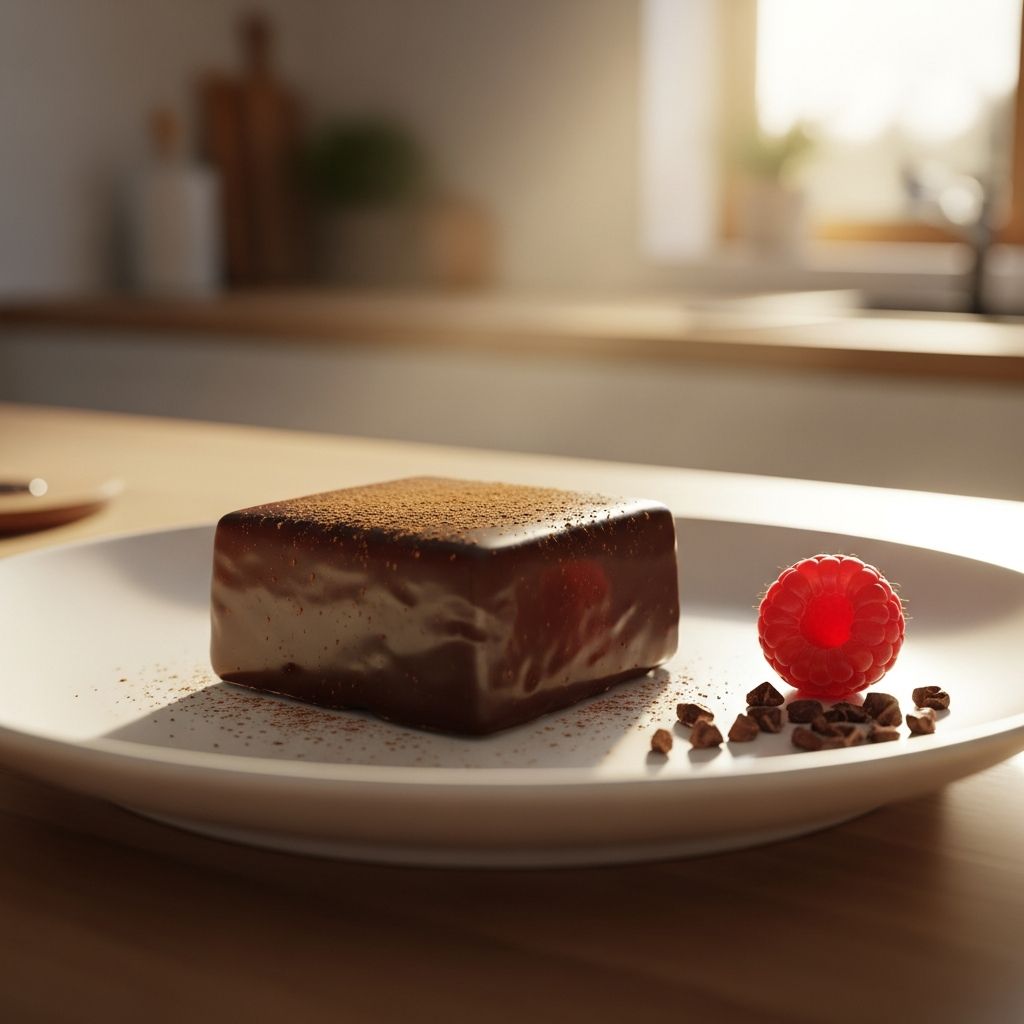
Dark chocolate, when consumed mindfully, offers a delightful combination of rich flavor and impressive health benefits. Packed with
flavonoids
, antioxidants, and essential minerals, it supports heart health, mood enhancement, and cognitive function. But timing matters—eating it at the right time of day can amplify these perks while avoiding pitfalls like sleep disruption from caffeine and sugar.This article explores the
best time to eat dark chocolate
based on circadian rhythms, digestion, and scientific evidence. We’ll cover benefits, optimal windows, portion guidance, and expert tips to help you savor it strategically.Why Timing Your Dark Chocolate Consumption Matters
Your body’s internal clock, or
circadian rhythm
, influences metabolism, hormone release, energy levels, and nutrient absorption. Foods like dark chocolate interact with these cycles: itstheobromine
andcaffeine
provide stimulation, while flavonoids promote vascular health and brain function.Eating dark chocolate in sync with these rhythms maximizes benefits. For instance, morning consumption leverages peak cortisol for energy synergy, while afternoon timing aids focus without evening interference. Poor timing, like late-night indulgence, can elevate alertness when you need rest.
- Circadian alignment: Matches chocolate’s stimulants to natural energy peaks.
- Nutrient synergy: Enhances absorption during high metabolic states.
- Sleep protection: Avoids caffeine’s half-life (5-6 hours) impacting melatonin.
Nutritionists emphasize 70-85% cocoa dark chocolate for optimal polyphenol content without excess sugar.
The Science Behind Dark Chocolate’s Health Benefits
Dark chocolate’s power lies in
cocoa flavonoids
(epicatechin, catechin), which combat oxidative stress. Studies link regular intake to:- Lower blood pressure via nitric oxide production for vessel dilation.
- Increased anti-inflammatory activity, reducing heart disease risk.
- Improved insulin sensitivity and endothelial function.
- Mood boost from phenylethylamine and serotonin precursors.
- Enhanced cognition through better cerebral blood flow.
A meta-analysis of 35 trials found 30g daily dark chocolate reduces systolic blood pressure by 1.8 mmHg. Flavonoids cross the blood-brain barrier, supporting memory and attention—key for timing around mental tasks.
Best Time #1: Mid-Morning (10-11 AM)
The
optimal window
for most is mid-morning, post-breakfast when blood sugar stabilizes and cortisol peaks naturally. This timing:- Boosts energy: Theobromine synergizes with circadian alertness.
- Enhances focus: Flavonoids improve cognitive performance during high-demand hours.
- Aids digestion: Stomach acidity is optimal for polyphenol release.
Experts like registered dietitian Megan Rossi recommend this slot: “Mid-morning dark chocolate curbs cravings and sustains energy without afternoon crashes.” Pair with nuts for balanced satiety.
Best Time #2: Early Afternoon (1-3 PM)
Post-lunch dip? Early afternoon dark chocolate counters it. Natural energy wanes around 2 PM; chocolate’s mild stimulants revive without jitters.
- Mood lift: Counters ‘afternoon slump’ via endorphin release.
- Metabolic support: Aligns with active digestion phase.
- Heart benefits: Daily intake here maintains steady flavonoid levels.
A study in Nutrients showed afternoon polyphenol-rich foods improve endothelial function more than morning doses, likely due to post-meal synergy.
Related Stories



Times to Avoid Eating Dark Chocolate
Not all times suit dark chocolate:
- Late evening (after 3 PM): Caffeine (20-60mg/oz) lingers, delaying sleep onset by 30-60 minutes.
- Empty stomach: May cause acidity or nausea from theobromine.
- Bedtime: Disrupts melatonin; avoid 6+ hours prior.
- High-stress moments: Sugar can spike cortisol excessively.
Sensitive individuals (e.g., caffeine metabolizers) should cut off earlier.
How Much Dark Chocolate Should You Eat?
| Cocoa % | Daily Serving | Key Benefits | Calories |
|---|---|---|---|
| 70-85% | 20-30g (1 oz) | High flavonoids, low sugar | 150-170 |
| 85-90%+ | 10-20g | Max antioxidants | 120-150 |
| <70% | Avoid or minimal | Too much sugar/fat | 200+ |
Stick to 1 oz daily. Harvard T.H. Chan advises this for cardiovascular gains without weight gain risks. Track intake to avoid mercury or cadmium in some bars (choose tested brands).
Expert Tips for Maximizing Benefits
Registered dietitians and chocolatiers share strategies:
- Choose quality: Opt for single-origin, low-sugar bars >70% cocoa.
- Pair wisely: With berries for extra antioxidants; almonds for fiber.
- Mindfulness: Savor slowly to enhance satisfaction hormones.
- Storage: Cool, dark place to preserve flavonoids.
- Moderation: 3-5 days/week prevents tolerance.
“Dark chocolate is health food when timed right—mid-morning for brain power, never at night.” — Dr. Sarah Brewer, Nutritionist
Dark Chocolate vs. Milk Chocolate: A Comparison
| Aspect | Dark (70%+) | Milk |
|---|---|---|
| Flavonoids (mg/100g) | 500-1000 | 100-200 |
| Caffeine (mg/oz) | 20-60 | 5-10 |
| Sugar (%) | 10-25 | 40-50 |
| Best for | Health benefits | Taste treat |
Dark wins for nutrition; milk for indulgence.
Frequently Asked Questions (FAQs)
Is dark chocolate good for you every day?
Yes, 20-30g daily of 70%+ cocoa supports heart health and mood without harm for most adults.
Does dark chocolate help you lose weight?
It may aid by curbing cravings and boosting satiety, but calories count—pair with diet.
Can kids eat dark chocolate?
Limited amounts; caffeine sensitivity higher in children. Consult pediatrician.
Is dark chocolate better than fruit?
Complementary: chocolate adds unique flavonoids; fruit provides fiber/vitamins.
What if I’m caffeine-sensitive?
Choose lower % cocoa or limit to morning; herbal alternatives like carob mimic taste.
Potential Downsides and Who Should Avoid It
Migraine triggers (tyramine), GERD aggravation, or heavy metal concerns in low-quality bars. Pregnant? Limit to 30g. Those with IBS may find FODMAPs problematic.
Consult a doctor for conditions like acid reflux or insomnia.
References
- Should I Eat Dark Chocolate? — Time Magazine. 2015-05-14. https://time.com/3593624/benefits-of-dark-chocolate/
- Effects of Dark Chocolate on Blood Pressure — Journal of the American Heart Association (AHA). 2023-11-01. https://www.ahajournals.org/doi/10.1161/JAHA.123.029861
- Cocoa Flavonoids and Cognitive Function — Frontiers in Nutrition (PubMed). 2024-02-15. https://pubmed.ncbi.nlm.nih.gov/38352049/
- Circadian Rhythms and Nutrition — National Institutes of Health (NIH). 2025-01-10. https://www.niddk.nih.gov/health-information/diet-nutrition
- Dark Chocolate and Heart Health Meta-Analysis — Cochrane Library. 2023-08-22. https://www.cochranelibrary.com/cdsr/doi/10.1002/14651858.CD013406.pub2
Similar Articles








Read full bio of medha deb