Best Time to Check Blood Glucose After Meal
Discover the optimal timing for post-meal blood sugar checks to effectively manage diabetes and maintain healthy glucose levels.
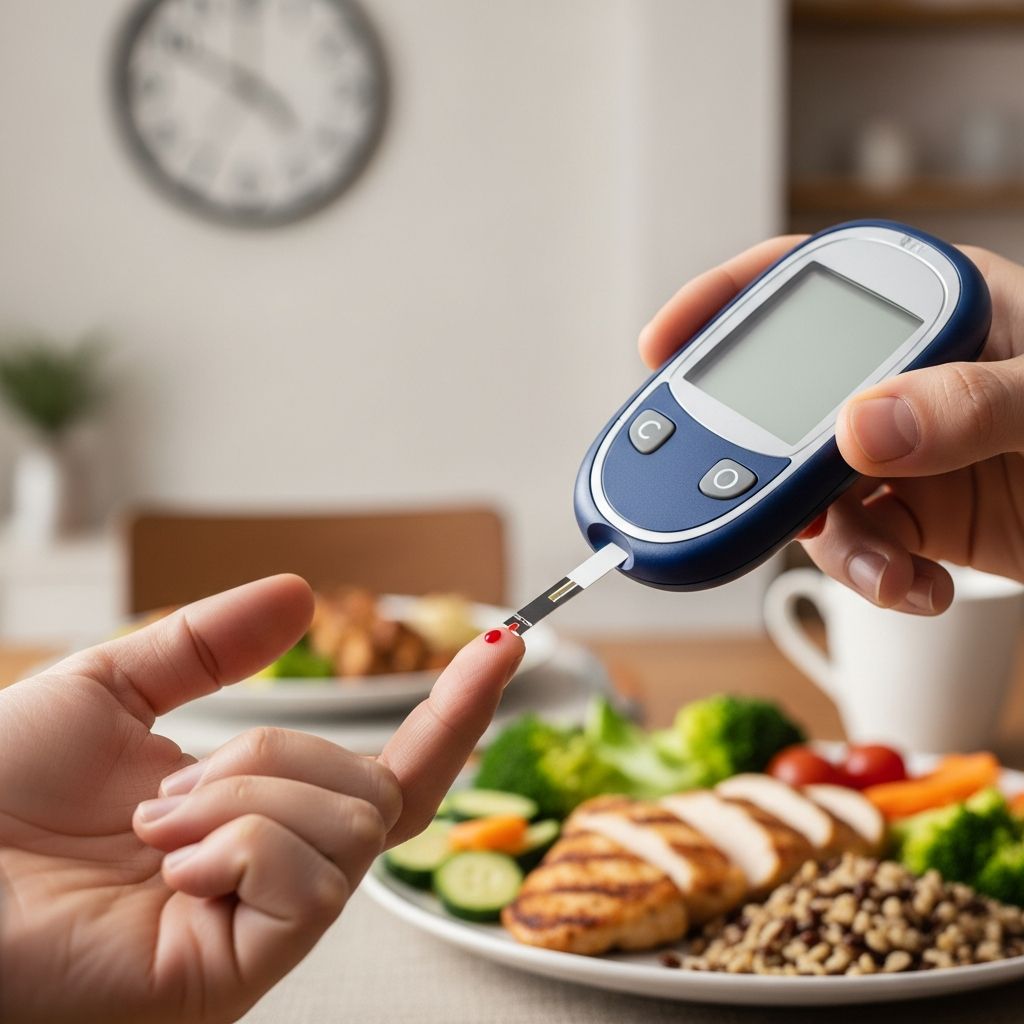
The optimal time to check blood glucose after a meal is
1 to 2 hours
after the start of eating, as this captures the peak postprandial glucose level, helping individuals with diabetes effectively manage their condition and prevent complications.Monitoring blood sugar post-meal provides critical insights into how foods, medications, and lifestyle factors influence glucose response. For those without diabetes, levels should return to normal within 2-3 hours, while people with diabetes aim to stay under specific targets to minimize risks like hyperglycemia.
Why Check Blood Glucose After Meals?
Post-meal blood glucose testing, known as postprandial monitoring, reveals how your body processes carbohydrates from food. After eating, glucose enters the bloodstream, prompting insulin release to transport it into cells for energy. In diabetes, this process is impaired, leading to elevated levels that, if unmanaged, contribute to long-term issues like heart disease, nerve damage, and kidney problems.
Regular checks help identify patterns: certain meals may cause spikes, guiding adjustments in diet, exercise, or insulin dosing. The American Diabetes Association (ADA) emphasizes this timing because blood sugar typically peaks 1-2 hours post-meal, offering the most actionable data.
When Is the Best Time to Check Blood Sugar After Eating?
Health authorities consistently recommend testing
1-2 hours after the start of the meal
—not the end—to align with the glucose peak. This window accounts for digestion variations; for instance, high-carb meals spike faster than balanced ones.- Start of meal timing: Begin your timer when you take the first bite for consistency.
- Avoid immediate checks: Levels 30 minutes post-meal are rising and less informative.
- Extended monitoring: For type 1 diabetes or insulin users, check before bed or overnight if lows are a concern.
Continuous Glucose Monitors (CGMs) provide real-time data, but fingerstick tests remain essential for calibration and precision.
What Are Normal Blood Sugar Levels After Eating?
Target ranges differ by diabetes status. These ADA-aligned goals help prevent complications:
| Time | Without Diabetes (mg/dL) | With Diabetes (mg/dL) |
|---|---|---|
| 2 hours after meal start | <140 | <180 |
| Peak (about 1 hour) | Peaks then drops within 2-3 hours | Monitor to avoid prolonged highs |
| Before meals/fasting | 80-125 | 80-130 |
| A1C (3-month avg) | <5.7% | <7% (<154 mg/dL eAG) |
Individual targets vary by age, health, and pregnancy; consult a provider for personalization. Levels consistently above targets signal poor control, warranting intervention.
How Often Should You Check Your Blood Sugar?
Frequency depends on diabetes type, treatment, and control:
- Type 1 diabetes: 4-10 times daily, including before/after meals, exercise, bedtime, and illness.
- Type 2 on insulin: Several times daily; basal-bolus regimens need pre-meal and bedtime checks.
- Non-insulin type 2: 1-2 times daily or as advised, often fasting or post-meal.
- General times: Wake-up, pre-meal, 2 hours post-meal, bedtime.
Increase testing during illness, stress, new meds, or hypoglycemia symptoms. CGMs reduce fingersticks but require verification.
Factors Affecting Post-Meal Blood Glucose Levels
Related Stories



Several variables influence spikes:
- Meal composition: High-glycemic carbs (white bread, sugary drinks) cause rapid rises; fiber, protein, fats slow absorption.
- Portion size: Overeating overwhelms insulin response.
- Physical activity: Post-meal walks lower glucose by enhancing uptake.
- Timing and regularity: Skipping meals or irregular eating disrupts stability.
- Medications/stress: Insulin timing, cortisol from stress elevate levels.
Hydration aids glucose excretion via urine.
Tips to Manage Blood Sugar After Meals
Proactive strategies stabilize levels:
- Balanced meals: Include veggies, lean proteins, whole grains, healthy fats to blunt spikes.
- Portion control: Use smaller plates; eat slowly for satiety.
- Post-meal movement: 10-15 minute walks improve insulin sensitivity.
- Hydrate: Water flushes excess glucose.
- Limit sugars/refined carbs: Opt for low-GI alternatives.
- Track patterns: Log meals and readings to refine habits.
Consistent routines yield better A1C results.
Common Mistakes in Blood Glucose Testing
Avoid these pitfalls for reliable data:
- Incorrect timing: Testing too soon/ late misses peaks.
- Poor hygiene: unclean hands skew high readings.
- Expired strips: Inaccurate results; check dates.
- Ignoring context: Note exercise, illness in logs.
- Over-reliance on averages: Focus on trends, not single reads.
Benefits of Regular Post-Meal Monitoring
Consistent testing empowers control: detects issues early, refines treatment, reduces A1C, and prevents hypo/hyperglycemia. It fosters informed eating, boosting confidence and outcomes.
Frequently Asked Questions (FAQs)
What is the best time to check blood sugar after a meal?
Check 1-2 hours after the first bite to capture the glucose peak.
What is a normal blood sugar level 2 hours after eating?
Under 140 mg/dL without diabetes; under 180 mg/dL with diabetes.
Should I check blood sugar before or after meals?
Both: pre-meal for baselines (80-130 mg/dL), post-meal for response.
How does exercise affect post-meal blood sugar?
It lowers levels by increasing glucose uptake; walk after eating.
What if my post-meal levels are always high?
Consult your doctor; adjust diet, meds, or activity.
References
- Blood Sugar Levels After Eating: What’s Normal? — GlucoSense. 2023. https://www.glucosense.ai/blog/normal-blood-sugar-levels-after-eating
- When should I check my blood sugar, and what are my targets? — Teladoc Health. 2023. https://www.teladochealth.com/library/article/when-should-i-check-my-blood-sugar-and-what-are-my-targets
- Manage Blood Sugar | Diabetes — Centers for Disease Control and Prevention (CDC). 2025. https://www.cdc.gov/diabetes/treatment/index.html
- Blood sugar testing: Why, when and how — Mayo Clinic. 2025. https://www.mayoclinic.org/diseases-conditions/diabetes/in-depth/blood-sugar/art-20046628
- Testing Your Blood Sugars at Home — University of Alabama at Birmingham (CCHS). 2023. https://libraryguides.cchs.ua.edu/diabetes-ed/testing
- Check Your Blood Glucose — American Diabetes Association. 2025. https://diabetes.org/living-with-diabetes/treatment-care/checking-your-blood-sugar
- Home Blood Sugar Testing — University of Florida Health. 2023. https://ufhealth.org/care-sheets/home-blood-sugar-testing
- Blood Sugar Monitoring: Why, How & When To Check — Cleveland Clinic. 2025. https://my.clevelandclinic.org/health/treatments/17956-blood-sugar-monitoring
Similar Articles








Read full bio of medha deb