Best Time To Drink A Protein Shake: 5 Key Moments For Recovery
Discover the optimal times to drink protein shakes for muscle gain, weight loss, recovery, and daily nutrition based on science and expert advice.
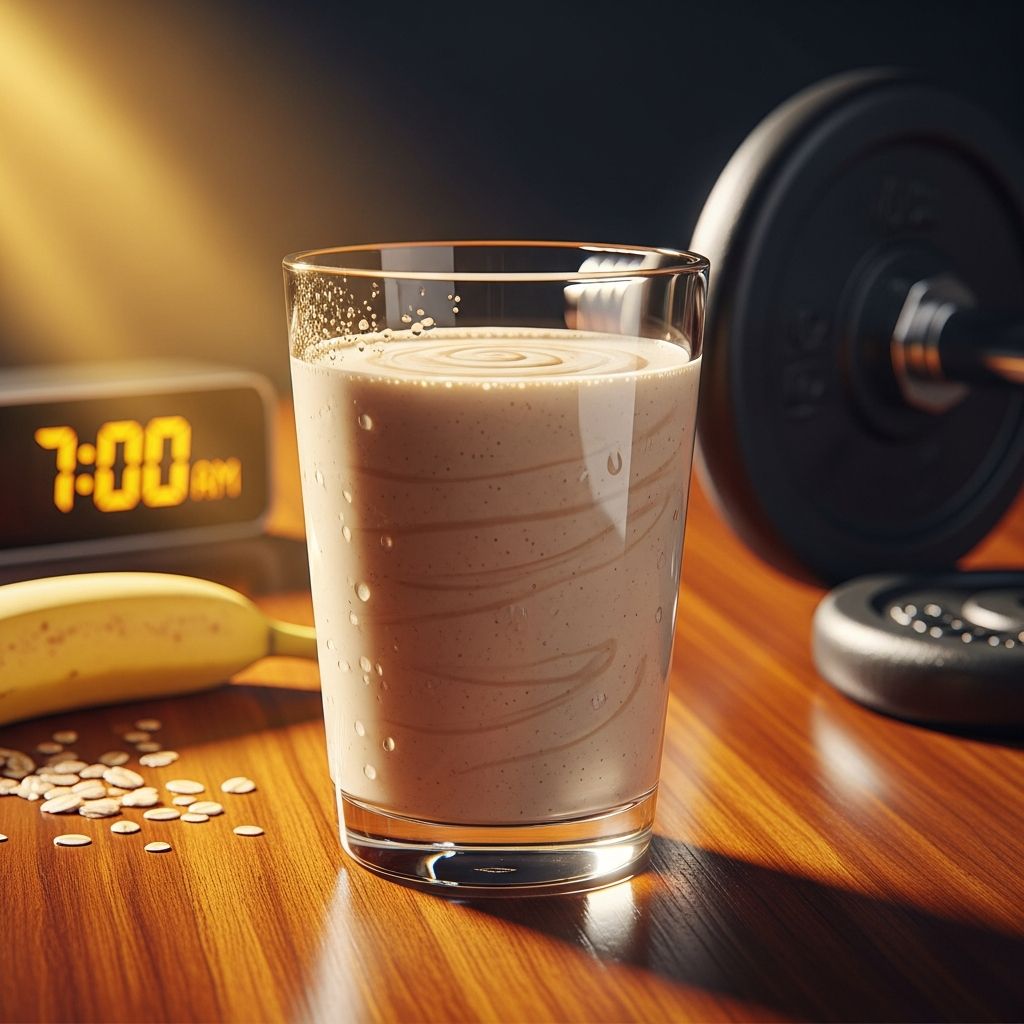
Protein shakes are a convenient and effective way to meet your daily protein needs, supporting muscle repair, growth, energy levels, and even weight management. But timing matters. While total daily protein intake is the most critical factor for results, strategic consumption around workouts, meals, and sleep can enhance benefits like recovery and satiety. This guide explores the best times to drink a protein shake based on your goals, backed by research from credible sources.
Why Drink Protein Shakes?
Protein shakes provide a quick, digestible source of high-quality protein, often containing 20-30 grams per serving from whey, casein, plant-based, or blends. They deliver essential amino acids (EAAs) that trigger muscle protein synthesis (MPS), the process of building and repairing muscle tissue. According to the Mayo Clinic, adults should aim for 15-30 grams of protein per meal to support metabolism and fullness. Shakes are ideal when whole foods fall short, such as busy mornings or post-workout windows.
Research emphasizes overall intake over precise timing, but specific scenarios optimize outcomes. A recent PeerJ study found similar muscle growth from protein before or after workouts, highlighting flexibility. However, for high-intensity training, pairing protein with carbs pre- and post-exercise boosts performance and recovery.
Best Times to Drink a Protein Shake
The ideal timing depends on your goals—muscle gain, weight loss, or general health. Here’s a breakdown:
Pre-Workout (30-60 Minutes Before Exercise)
Consuming a protein shake 30-60 minutes before training supplies amino acids to fuel muscles and prevent breakdown during intense sessions like weightlifting or HIIT. Pairing 15-20 grams of protein with 25-30 grams of carbs increases energy and performance without digestive discomfort. This is especially useful if you haven’t eaten in 3-4 hours, curbing hunger and providing quick-absorbing fuel.
- Benefits: Reduces muscle catabolism, boosts endurance, enhances workout output.
- Ideal for: Strength training, endurance workouts, or fasted training.
- Example: Whey protein shake with banana for fast digestion.
Post-Workout (Within 30 Minutes to 2 Hours After)
The classic “anabolic window”—though extended—post-workout shakes maximize MPS by delivering protein when muscles are most receptive. Consume within 30 minutes to 2 hours after exercise to repair damage from resistance or high-intensity training. Studies show 20-40 grams post-exercise supports recovery, especially with carbs to replenish glycogen.
- Benefits: Accelerates muscle repair, reduces soreness, promotes growth.
- Ideal for: Gym sessions, CrossFit, running.
- Note: Total daily protein trumps exact timing; don’t stress if delayed slightly.
Morning/For Breakfast
After overnight fasting, a morning protein shake kickstarts metabolism, stabilizes blood sugar, and promotes satiety. Aim for 15-30 grams to meet Mayo Clinic guidelines, avoiding carb crashes from sugary cereals. It’s perfect for those without appetite upon waking or rushed schedules.
- Benefits: Sustained energy, appetite control, muscle preservation.
- Ideal for: Busy professionals, intermittent fasters.
- Example: Blend with oats and berries for a balanced start.
Before Bed (30-60 Minutes Prior)
A slow-digesting protein like casein before bed sustains MPS overnight, aiding recovery after resistance training. A 2016 study confirmed elevated MPS rates from pre-sleep protein, ideal for muscle builders. Opt for 20-40 grams to support tissue repair during rest.
Related Stories



- Benefits: Overnight muscle growth, improved recovery.
- Ideal for: Athletes focused on hypertrophy.
- Example: Casein shake with minimal carbs.
Between Meals (Mid-Morning or Afternoon)
Use shakes as snacks to bridge long gaps between meals, preventing catabolism and managing hunger. This boosts total daily protein, crucial since even distribution outperforms skewed intake. For busy days, it’s a nutrient-dense option over processed snacks.
- Benefits: Maintains energy, supports protein goals, curbs cravings.
- Ideal for: High-activity lifestyles, weight control.
Best Time by Goal
| Goal | Optimal Times | Why It Works | Protein Amount |
|---|---|---|---|
| Muscle Gain | Pre/post-workout, before bed | Maximizes MPS, fuels training, overnight repair | 20-40g per shake |
| Weight Loss | Morning, between meals | Increases fullness, preserves muscle, controls calories | 15-25g, low-cal |
| General Health/Recovery | Post-workout, throughout day | Meets daily needs (1.6-2.2g/kg bodyweight), steady energy | 20-30g spread out |
| Endurance | Pre-workout, during long sessions | Sustains energy, delays fatigue | 15-20g + carbs |
For weight loss, shakes replace high-calorie snacks, promoting a calorie deficit while retaining lean mass. Muscle gain prioritizes peri-workout and sleep timing for peak synthesis.
Factors Influencing Timing
- Workout Intensity: High-intensity (HIIT, weights) benefits from pre/post; low-intensity (yoga) relies on daily diet.
- Protein Type: Whey for fast absorption (post-workout); casein for slow release (bedtime).
- Total Intake: Aim for 1.6-2.2g/kg body weight daily, spread across 4-5 servings.
- Digestion: Allow 1-2 hours for full meals pre-workout; shakes digest in 30-60 minutes.
Common Myths Debunked
Myth 1: Protein must be consumed within 30 minutes post-workout. Reality: The window is flexible; total intake matters more.
Myth 2: Only post-workout shakes build muscle. Reality: Pre-workout offers similar gains.
Myth 3: Shakes are always better than food. Reality: Prioritize whole foods; shakes supplement.
Frequently Asked Questions
Is it better to drink protein before or after a workout?
Both are effective for muscle growth per recent studies. Pre provides fuel; post aids repair. Choose based on hunger and schedule.
Can I drink a protein shake before bed for weight loss?
Yes, if calorie-controlled, as it preserves muscle. Opt for low-carb casein to avoid excess calories.
How much protein in a shake for beginners?
Start with 20g per serving, adjusting to 1.6g/kg daily total.
Are protein shakes good for women?
Absolutely; they support strength, bone health, and satiety equally.
What’s the best protein shake for fasting?
Whey isolate—low carb/calories to minimize insulin response.
Sample Daily Protein Shake Schedule
| Time | Goal | Shake Suggestion |
|---|---|---|
| 7 AM (Breakfast) | Energy boost | 25g whey + fruit |
| 10 AM (Snack) | Satiety | 20g plant-based |
| 4 PM (Pre-workout) | Fuel | 20g + oats |
| 6 PM (Post-workout) | Recovery | 30g whey isolate |
| 10 PM (Bedtime) | Muscle repair | 25g casein |
Total: ~120g protein. Adjust for your needs (e.g., 70kg person: 112-154g daily).
In summary, align shake timing with lifestyle and goals for best results. Consistency in total protein intake drives success.
References
- Protein timing and its effects on muscular hypertrophy and strength in individuals engaged in periodized resistance training — Schoenfeld, B.J. et al. PeerJ. 2017-07-11. https://doi.org/10.7717/peerj.3760
- Protein ingestion before sleep increases overnight muscle protein synthesis rates in healthy older men: a randomized controlled trial — Snijders, T. et al. Journal of Nutrition. 2016-04-20. https://doi.org/10.3945/jn.115.221333
- How much protein do you need every day? — Mayo Clinic Staff. Mayo Clinic. 2023-06-28. https://www.mayoclinic.org/healthy-lifestyle/nutrition-and-healthy-eating/in-depth/protein/art-20049375
- International Society of Sports Nutrition Position Stand: protein and exercise — Jäger, R. et al. Journal of the International Society of Sports Nutrition. 2017-06-13. https://doi.org/10.1186/s12970-017-0177-8
- Nutrient timing revisited: is there a post-exercise anabolic window? — Aragon, A.A. & Schoenfeld, B.J. Journal of the International Society of Sports Nutrition. 2013-08-29. https://doi.org/10.1186/1550-2783-10-5
Similar Articles








Read full bio of Sneha Tete