Best Time To Eat A Banana: 5 Optimal Times For Peak Benefits
Discover the optimal times to enjoy bananas for maximum health benefits, blood sugar control, and energy boosts throughout your day.
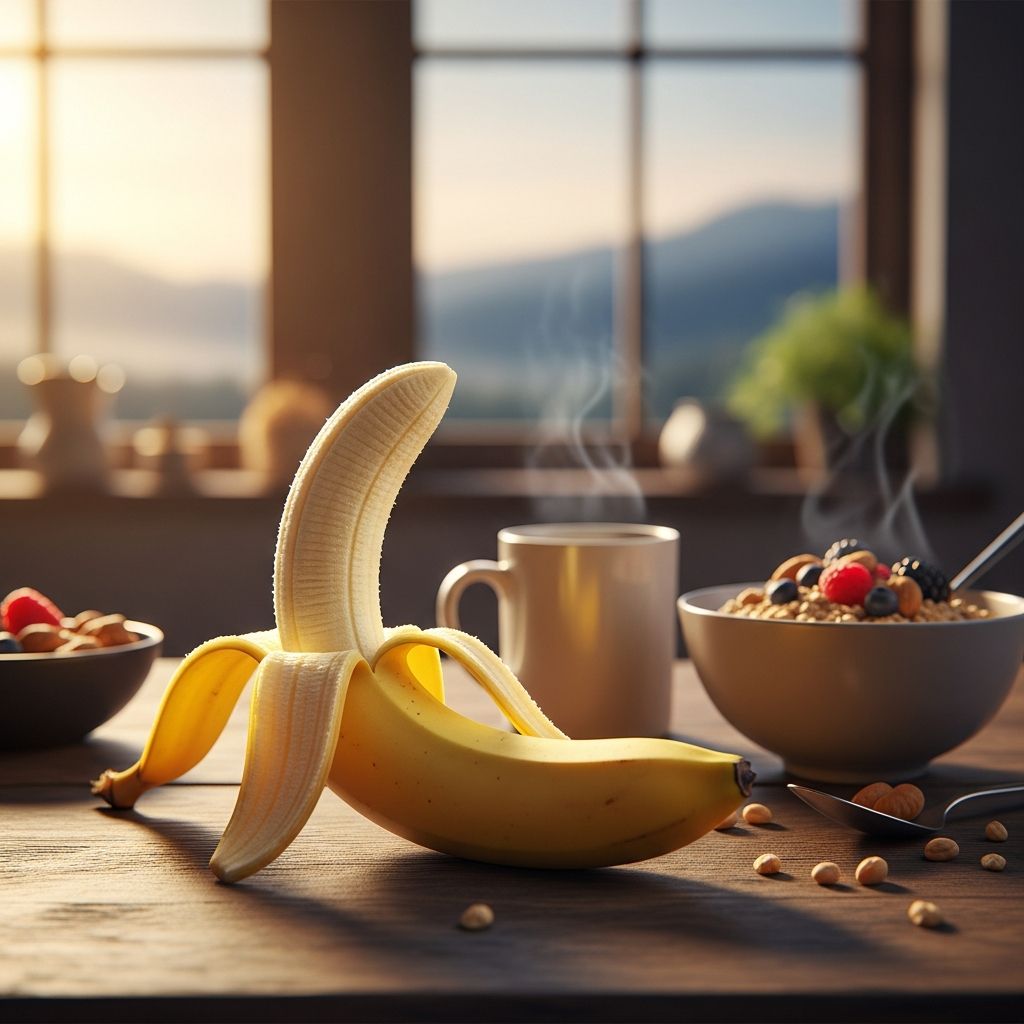
Bananas are a nutrient-dense fruit offering potassium, fiber, vitamins, and natural sugars for sustained energy. Timing consumption influences digestion, blood sugar stability, workout performance, and sleep quality. No strict rules prohibit eating bananas anytime, but strategic timing enhances benefits while minimizing drawbacks like rapid sugar absorption on an empty stomach.
There’s No ‘Best’ Time to Eat a Banana—Here’s Why
Unlike myths suggesting specific windows, scientific evidence shows bananas provide health benefits regardless of time. A medium banana delivers 105 calories, 26g carbs (3g fiber), 14g sugar, 422mg potassium (12% DV), and prebiotics for gut health. Concerns arise from their sugar content; eaten alone on an empty stomach, natural sugars absorb quickly, causing energy surges and crashes, particularly risky for those with diabetes or insulin sensitivity.
Pairing with protein or fats slows absorption: nuts, low-fat cheese, or yogurt stabilize glucose. Movement post-consumption also helps utilize sugars efficiently. Daily intake supports hydration via electrolyte balance, muscle function, and kidney health without time restrictions.
Best Times to Eat a Banana for Optimal Health Benefits
Align banana intake with daily needs for peak advantages:
- Pre-workout (30-60 minutes before): Natural carbs fuel exercise without stomach upset. Unique compounds enhance performance; portable and ideal for gym bags.
- Post-workout: Reduces inflammation and soreness via phytochemicals. Potassium replenishes electrolytes lost in sweat.
- Midday or mid-afternoon snack: Sustained energy combats 3 PM slump. Pair with almonds to prevent crashes.
- With meals: Breakfast or lunch pairing balances macros, aiding fullness and digestion.
- Evening (not late night): Resistant starch curbs appetite; avoid solo before bed to prevent sugar spikes.
Why You Should (or Shouldn’t) Eat a Banana in the Morning
Morning bananas aren’t inherently bad but warrant caution. On an empty stomach, sugars spike blood glucose rapidly, leading to crashes—problematic for gestational diabetes or sugar-sensitive individuals. Nutritionists recommend avoiding fruit before or with breakfast; opt for veggies or pair with fats/proteins like peanut butter.
Benefits include potassium for morning hydration and energy. A 2018 PLOS One study notes anti-inflammatory effects post-exercise, relevant for early workouts. For stable starts, blend into smoothies with oats or yogurt.
Is It Bad to Eat a Banana Before Bed?
Bedtime bananas risk sleep-disrupting sugar surges if eaten alone late. Mid-afternoon or early evening is preferable. However, magnesium and tryptophan promote relaxation; resistant starch aids overnight digestion and appetite control.
Pair with herbal tea or cheese for steady release. Studies link potassium-rich fruits to lower kidney cancer risk, benefiting evening routines without excess. Limit to one to avoid discomfort.
Health Benefits of Eating Bananas
Bananas excel in multiple areas:
- Potassium powerhouse: 422mg per medium fruit supports muscles, nerves, and fluid balance per NIH.
- Hydration aid: Electrolytes counteract sweat losses; ideal for athletes.
- Gut health: 3g fiber and prebiotics feed probiotics, improving digestion and immunity.
- Exercise support: Pre- and post-workout benefits from carbs and anti-inflammatories.
- Appetite control: Resistant starch reduces calorie intake.
- Kidney protection: High phenolics linked to lower renal cell carcinoma risk in large studies.
- Vitamin B6 source: Aids metabolism and pregnancy development.
Related Stories



Banana Nutrition Facts
| Nutrient | Amount per Medium Banana (118g) | % Daily Value |
|---|---|---|
| Calories | 105 | 5% |
| Carbs | 26g (3g fiber) | 9% |
| Sugars | 14g | – |
| Potassium | 422mg | 12% |
| Vitamin B6 | 0.4mg | 24% |
| Vitamin C | 10mg | 11% |
| Magnesium | 32mg | 8% |
Fiber slows sugar digestion, promoting satiety.
10 Healthy Reasons to Eat a Banana Every Day
- Packed with potassium: Essential electrolyte for heart and muscle function.
- Hydration helper: Balances fluids post-exercise.
- Gut-friendly: Prebiotics boost microbiome.
- Pre-workout fuel: Steady energy without GI issues.
- Post-workout recovery: Reduces soreness.
- Appetite suppressant: Resistant starch curbs hunger.
- Kidney health guardian: Antioxidants lower cancer risk.
- Vitamin B6 boost: Supports metabolism.
- Versatile and portable: Easy snack addition.
- Fiber-rich for fullness: Aids weight management.
Best Ways to Eat a Banana
Enhance nutrition:
- Sliced with peanut butter or nuts for protein-fat balance.
- Blended in smoothies with greens and yogurt.
- Frozen for desserts or post-workout treats.
- Baked into oats or paired with cheese.
- In salads or as energy bars with dates.
These prevent sugar spikes.
Frequently Asked Questions (FAQs)
Can I eat bananas in the morning?
No scientific ban, but pair with fats/proteins to avoid glucose spikes on empty stomach. Ideal for pre-workout.
Is it okay to eat a banana before bed?
Avoid late solo; early evening with pairings aids sleep via magnesium.
Are bananas good for workouts?
Yes, pre- for fuel, post- for recovery and electrolytes.
Do bananas spike blood sugar?
Less likely with fiber and pairings; solo on empty stomach risks surge.
How many bananas daily?
1-2 for benefits without excess sugar; part of varied diet.
References
- Can I Eat Bananas In the Morning? — Unified Care (iHealth). 2023-02-21. https://www.youtube.com/watch?v=zPesAJ4D6ko
- 10 Healthy Reasons to Eat a Banana Every Day — Natalie Rizzo, MS, RD (ANFP Newsletter). 2023-10. https://www.anfponline.org/docs/default-source/legacy-docs/wy/documents/october-newslettera1695e7539cb6942bde0ff00001872c1.pdf
Similar Articles








Read full bio of medha deb