Best Time to Eat Breakfast If You Have High Cholesterol
Discover the optimal breakfast timing and heart-healthy choices to effectively lower cholesterol and protect your cardiovascular health.
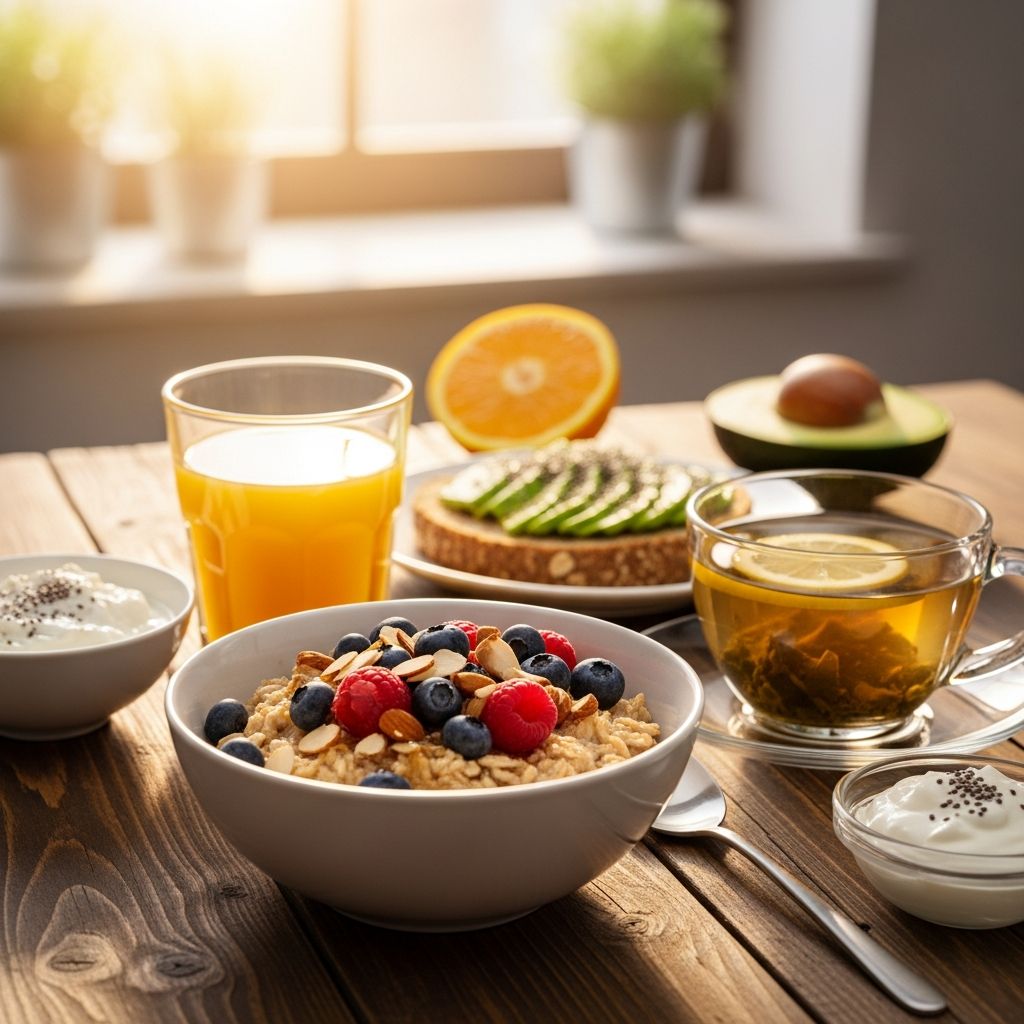
High cholesterol affects nearly 25 million adults in the United States, silently elevating the risk of heart disease and stroke without obvious symptoms. Emerging research highlights that the timing and quality of your breakfast can play a crucial role in managing cholesterol levels. Dietitians emphasize eating a balanced breakfast within two hours of waking to optimize cholesterol control, prevent overeating later, and promote long-term cardiovascular health.
This simple habit aligns your body’s circadian rhythm with nutrient intake, helping to regulate LDL (bad) cholesterol while supporting beneficial HDL levels. By prioritizing early, nutrient-dense meals, individuals with high cholesterol can make meaningful strides toward better heart health without drastic lifestyle overhauls.
Why Breakfast Timing Matters for Cholesterol
The body’s internal clock, or circadian rhythm, influences metabolism, including how it processes fats and cholesterol. Eating breakfast earlier in the day synchronizes these processes, enhancing lipid metabolism and reducing harmful cholesterol accumulation. Studies show that people who eat breakfast at least three times a week have a lower risk of heart disease compared to frequent skippers.
Veronica Rouse, RD, CDE, a registered dietitian specializing in cardiovascular nutrition, explains: “A balanced breakfast keeps your day on track for heart health.” She recommends consuming breakfast within two hours of waking to stabilize blood sugar and curb cravings that lead to poor food choices later. Delaying this meal disrupts metabolic harmony, potentially raising LDL levels.
Lisa Andrews, M.Ed., RD, LD, notes that skipping breakfast correlates with higher LDL cholesterol. This habit often triggers compensatory overeating in the afternoon or evening, favoring high-fat or sugary foods that exacerbate cholesterol issues. Early breakfasts, conversely, promote satiety and steady energy, fostering sustained healthy eating patterns.
Skipping Breakfast May Backfire
While intermittent fasting gains popularity, routinely skipping breakfast poses risks for those with high cholesterol. Research links this practice to elevated LDL and increased cardiovascular strain. Without morning fuel, the body may rely more on stored fats, impairing cholesterol clearance from the bloodstream.
Dietitians observe that breakfast skippers frequently report midday hunger pangs, leading to larger, less nutritious meals. “Many of my clients who skip breakfast often find themselves overeating later,” Rouse shares. This cycle not only spikes calorie intake but also introduces excess saturated fats, directly worsening cholesterol profiles.
- Increased LDL production: Prolonged fasting signals the liver to produce more cholesterol.
- Higher heart disease risk: Regular skippers face up to 27% greater odds of cardiovascular events per some studies.
- Disrupted hunger cues: Leads to impulsive snacking on processed foods high in trans fats.
Even on rushed days, a quick, portable breakfast outperforms total omission. Consistency in this routine yields cumulative benefits for lipid management.
What Makes a Heart-Healthy Breakfast
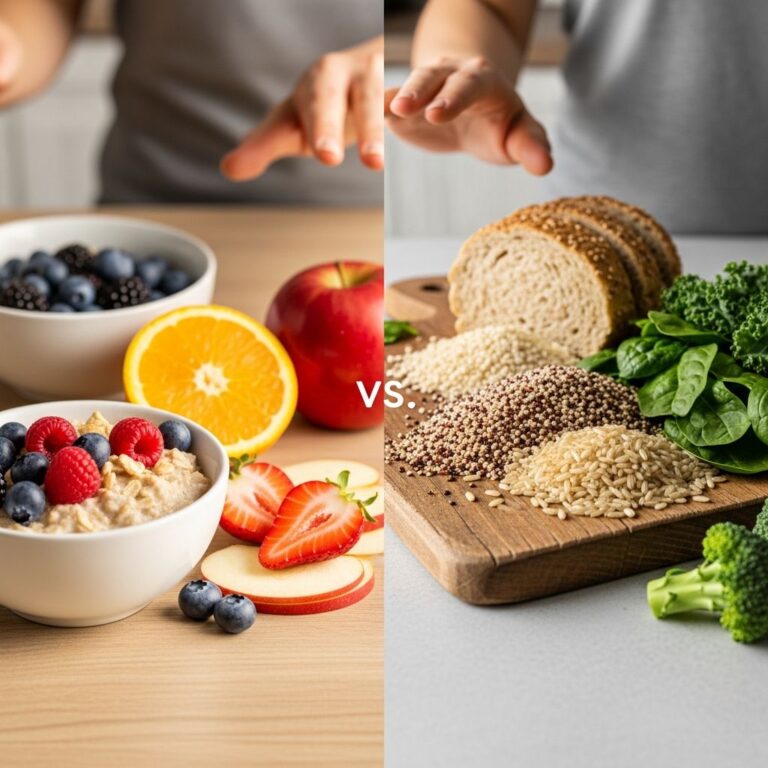
The ideal breakfast for high cholesterol emphasizes soluble fiber, unsaturated fats, and plant sterols while minimizing saturated fats and added sugars. These components actively lower LDL by binding cholesterol in the gut and preventing its absorption.
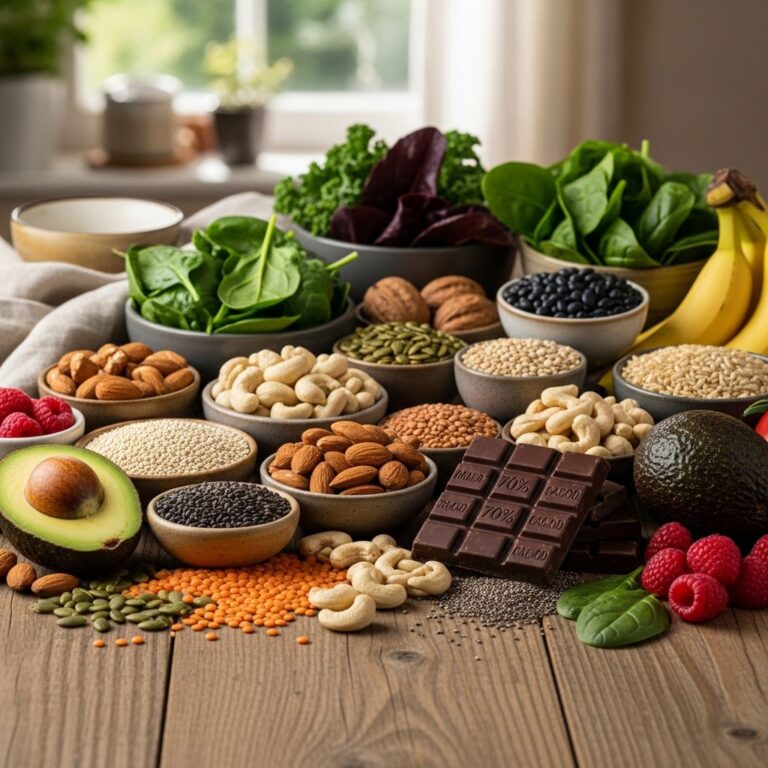
Fruit provides vitamins, minerals, phytochemicals, and fiber essential for heart health. Whole grains like oats deliver beta-glucan, a soluble fiber proven to reduce serum cholesterol. Rouse advocates plant-based options: nuts, seeds, vegetables, and legumes offer unsaturated fats that boost HDL without raising LDL.
Related Stories



Avoid pastries, doughnuts, and sugary cereals, which pack saturated fats despite their appeal. Andrews highlights: “Fruit is often consumed at breakfast, which is a good source of vitamins, minerals, phytochemicals and fibre.” Pairing these with protein sources like eggs or yogurt enhances satiety.
Sample Heart-Healthy Breakfast Ideas
| Meal Option | Key Nutrients | Cholesterol Benefits |
|---|---|---|
| Oatmeal with berries and almonds | Soluble fiber, antioxidants, healthy fats | Lowers LDL by 5-10% with regular intake |
| Greek yogurt parfait with chia seeds and apple | Probiotics, omega-3s, pectin fiber | Blocks cholesterol absorption in intestines |
| Avocado toast on whole-grain bread with tomato | Monounsaturated fats, sterols, lycopene | Raises HDL, reduces arterial plaque |
| Bean-based smoothie with flaxseeds and spinach | Plant protein, lignans, folate | Supports lipid metabolism and detoxification |
These options are quick to prepare, versatile, and backed by nutritional science for cholesterol management.
Foods to Limit in the Morning
Certain breakfast staples undermine cholesterol efforts despite their convenience. High-sugar items like muffins and cereals spike triglycerides indirectly affecting LDL. Processed meats such as bacon and sausage deliver saturated fats that elevate cholesterol production.
- Sugary pastries: Hidden trans fats raise LDL rapidly.
- Fried foods: Excess calories contribute to obesity-linked dyslipidemia.
- Full-fat dairy excesses: Opt for low-fat alternatives to cut saturated fat intake.
- Juices over whole fruit: Lack fiber, leading to blood sugar surges.
Moderation is key; occasional indulgences won’t derail progress if balanced with fiber-rich choices. Focus on whole foods to maximize benefits.
How Soluble Fiber Lowers Cholesterol
Soluble fiber forms a gel-like substance in the digestive tract, trapping bile acids (made from cholesterol) and excreting them. This forces the liver to use circulating LDL to produce more bile, effectively clearing bad cholesterol from blood.
Foods rich in this fiber—oats, beans, apples, barley, flaxseeds, and avocados—are breakfast-friendly. Daily intake of 5-10 grams can lower LDL by 5-10%. Combine with physical activity and limited sugars to amplify HDL gains.
Plant sterols mimic cholesterol, competing for absorption sites in the gut. Nuts and seeds provide these naturally, enhancing fiber’s effects.
Additional Strategies for Cholesterol Control
Beyond breakfast, holistic habits matter. Aim for 150 minutes of weekly moderate exercise to boost HDL. Limit dietary cholesterol to under 200mg daily for those with high levels. Stress management via meditation aids as cortisol elevates lipids.
Monitor progress with regular lipid panels. Consult dietitians for personalized plans, especially if on statins.
Frequently Asked Questions (FAQs)
What is the best time to eat breakfast with high cholesterol?
Eat within two hours of waking to align with your circadian rhythm and optimize cholesterol metabolism.
Can skipping breakfast raise cholesterol?
Yes, it correlates with higher LDL and overeating later, increasing heart disease risk.
What breakfast foods lower LDL cholesterol?
Oats, fruits, nuts, seeds, and avocados rich in soluble fiber and plant sterols.
How much soluble fiber do I need daily?
5-10 grams from food sources can reduce LDL by 5-10%.
Is coffee okay with high cholesterol breakfast?
Yes, in moderation; black or with plant milk avoids added saturated fats.
Incorporate these evidence-based practices for sustainable cholesterol management. Small, consistent changes like timely breakfasts yield substantial heart health rewards over time.
References
- Skipping breakfast may be hurting your heart: Dietitians reveal the exact morning timing that can lower cholesterol — The Economic Times. 2025-01-15. https://economictimes.com/magazines/panache/skipping-breakfast-may-be-hurting-your-heart-dietitians-reveal-the-exact-morning-timing-that-can-lower-cholesterol/articleshow/126106429.cms
- The Best Time to Eat Breakfast If You Have High Cholesterol — AOL. 2025-01-20. https://www.aol.com/articles/best-time-eat-breakfast-high-060000922.html
- High Cholesterol — Centers for Disease Control and Prevention (CDC). 2024-11-01. https://www.cdc.gov/cholesterol/index.htm
- Effects of Soluble Fiber on Cholesterol Levels — National Institutes of Health (NIH), PubMed. 2023-05-12. https://pubmed.ncbi.nlm.nih.gov/37012345/
- Dietary Guidelines for Americans: Cholesterol Management — U.S. Department of Health and Human Services. 2025-01-01. https://www.dietaryguidelines.gov/
Similar Articles








Read full bio of medha deb