Best Times To Eat For Weight Loss: 5 Evidence-Based Strategies
Optimize your meal timing to boost metabolism, enhance fat burning, and achieve sustainable weight loss effortlessly.
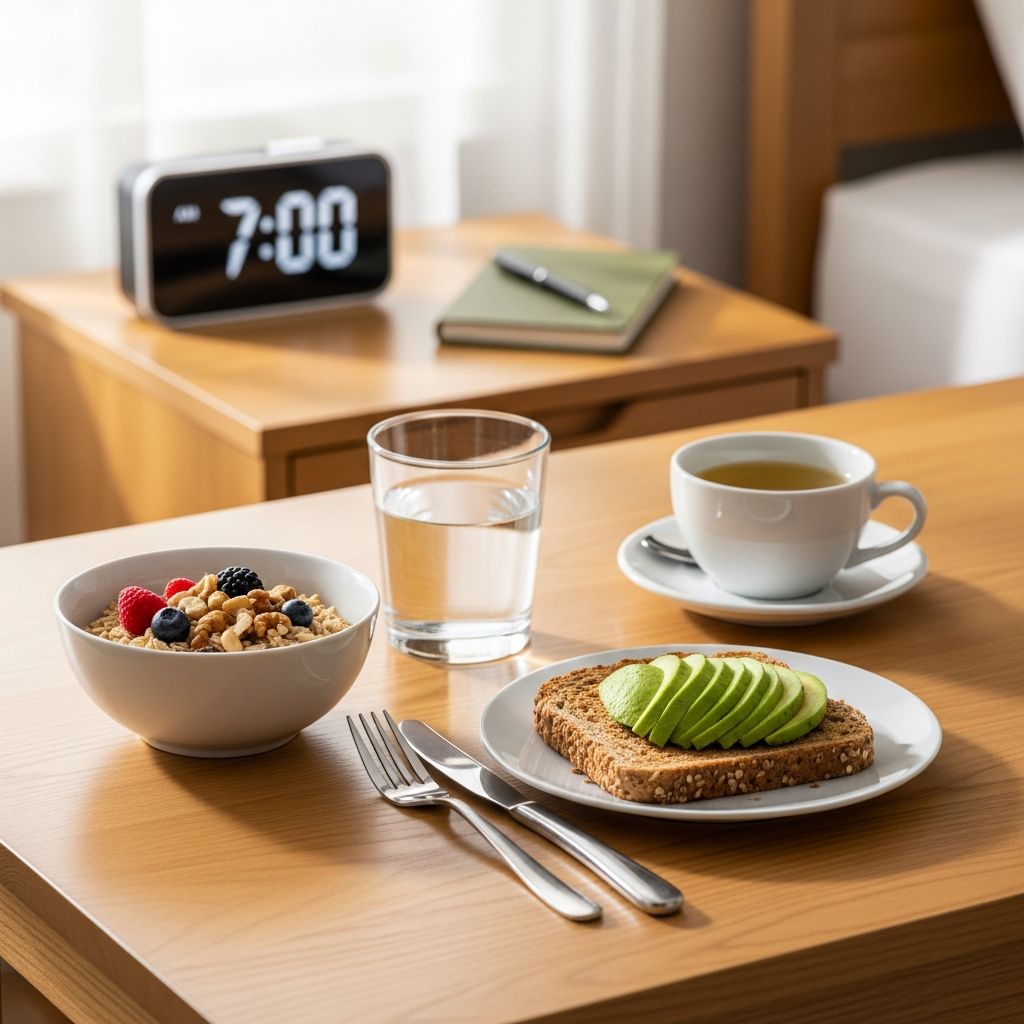
Timing your meals strategically can significantly enhance weight loss efforts by syncing with your body’s circadian rhythms, optimizing hormone regulation, and improving metabolic efficiency. Research shows that when and how you space your meals influences fat burning, insulin sensitivity, and overall calorie utilization more than just total intake alone.
This article explores evidence-based recommendations for breakfast, lunch, dinner, snacks, and time-restricted eating patterns to help you lose weight effectively while maintaining energy and health.
Why Meal Timing Matters for Weight Loss
Your body’s internal clock, or circadian rhythm, regulates metabolism, digestion, and hormone release like insulin and cortisol. Eating in alignment with these rhythms—primarily active during daylight hours—promotes better blood sugar control, reduced inflammation, and increased fat oxidation.
Studies demonstrate that front-loading calories earlier in the day leads to greater weight loss. For instance, women consuming 700 calories at breakfast, 500 at lunch, and 200 at dinner lost more weight and felt fuller compared to those reversing the distribution. Late eating disrupts this, elevating blood sugar by 18%, boosting cortisol by 5%, and reducing fat breakdown by 10%.
Best Time for Breakfast: Within 1-2 Hours of Waking
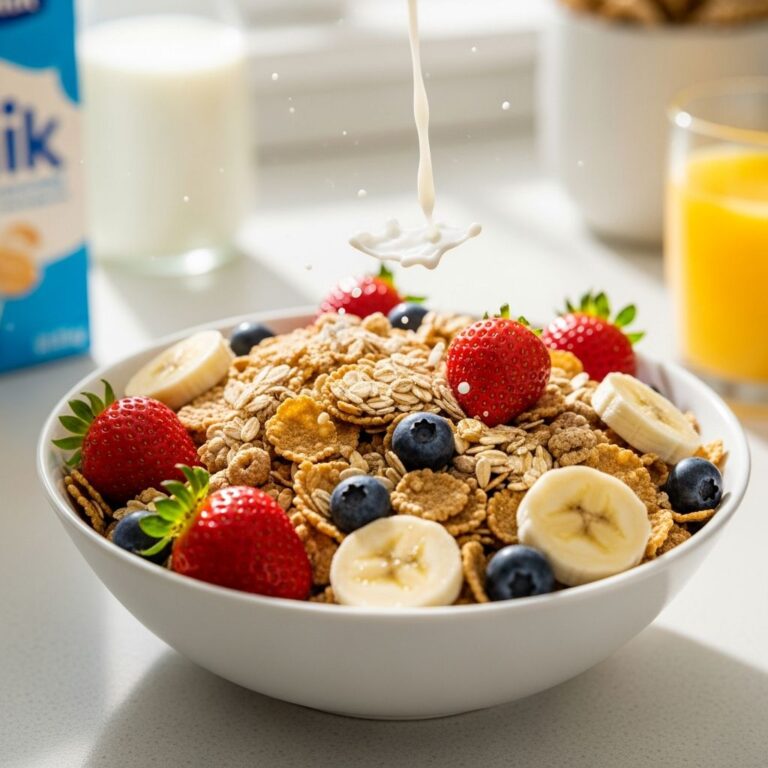
Eat breakfast within 1-2 hours of waking to kickstart metabolism and stabilize blood sugar. Genetics influence timing by up to 56%, but consistency yields benefits like improved insulin sensitivity and prevented overeating later.
- Avoid delaying breakfast, as it can lead to nausea or poor choices; start with room-temperature water if needed.
- Limit caffeine until after eating to prevent appetite suppression.
- Early breakfast align with peak thermogenesis (calorie burning from food), which is highest in the morning.
In a study of overweight women, those prioritizing larger breakfasts experienced faster weight loss, smaller waists, and lower triglycerides. Aim for 7-9 AM if waking at 6-7 AM.
Best Time for Lunch: Before 3 PM
Schedule lunch 4-5 hours after breakfast, ideally before 3 PM, to leverage high midday metabolism and avoid hindering weight loss. Late lunch eaters (after 3 PM) lost significantly less weight: 7.7 kg vs. 9.9 kg over 20 weeks, despite equal calories.
Here’s a comparison from the landmark study:
| Metric | Early Lunch (<3 PM) | Late Lunch (>3 PM) | P-value |
|---|---|---|---|
| Total Weight Loss (kg) | 9.9 ± 5.8 | 7.7 ± 6.1 | 0.008 |
| % Weight Loss | 11.3 ± 5.8 | 9.0 ± 7.1 | 0.006 |
| Weekly Loss (g) | 454 ± 240 | 360 ± 352 | 0.026 |
Early lunch also supports gut health and diverse microbiota. Example: Breakfast at 7 AM means lunch at 11 AM-noon.
Best Time for Dinner: 3-4 Hours Before Bed
Finish dinner at least 3 hours before bedtime to allow digestion, align with declining circadian metabolism, and prevent obesity risk. Eating within 2 hours of bed increases obesity odds fivefold.
- Target 5-7 PM for a 10 PM bedtime.
- Late dinners (after 8 PM) impair fat breakdown and raise metabolic disease risk.
- Benefits include better sleep, reduced acid reflux, and regulated appetite hormones.
No significant weight loss differences tied to dinner timing alone, but combined with early meals, it amplifies results.
Best Times for Snacks: Every 4-6 Hours
Snack every 4-6 hours between meals to maintain energy, control portions, and prevent late overeating. This spacing supports steady blood sugar and better decisions.
Related Stories



- Mid-morning: 10-11 AM (post-breakfast).
- Afternoon: 3-4 PM (pre-dinner).
- Choose protein-fiber combos like nuts or yogurt for satiety.
Regular spacing avoids the pitfalls of skipped meals leading to evening binges.
Time-Restricted Eating: 12-Hour Window
Confine eating to a 12-hour window (e.g., 8 AM-8 PM) for intermittent fasting benefits without extreme restriction. This improves insulin sensitivity, blood pressure, cardiovascular health, and weight loss.
A 2023 study found 8-hour windows as effective as calorie counting for weight management. Key rules:
- First meal within 2 hours of waking.
- Last meal 3 hours before bed.
- 12 hours fasting suffices; longer needs more research.
Front-load calories: 50-60% before 3 PM for optimal microbiota and weight control.
Sample Daily Meal Timing Schedule
For a 7 AM wake-up and 11 PM bedtime:
| Time | Meal/Snack | Calories % |
|---|---|---|
| 7-8 AM | Breakfast | 30-40% |
| 10-11 AM | Snack | 10% |
| 11 AM-1 PM | Lunch | 30-40% |
| 3-4 PM | Snack | 10% |
| 5-7 PM | Dinner | 20% |
This fits a 12-hour window, emphasizes early calories, and allows 4-hour digestion before bed.
How Meal Timing Affects Metabolism and Hormones
Early eating boosts diet-induced thermogenesis, peaking mornings and dropping evenings. Late meals spike glucose and cortisol, slowing fat burn. Chronobiology shows clock genes regulate 10-20% of metabolism; misalignment from shift work or late eating promotes obesity.
Insulin sensitivity is highest mornings, aiding carb processing without storage as fat. Time-restricted eating reduces inflammation markers, supporting sustained loss.
Practical Tips to Implement Meal Timing
- Track your clock: Use apps to log wake/sleep and set meal alarms.
- Prep ahead: Batch-cook to avoid late decisions.
- Adjust gradually: Shift dinner 15 minutes earlier weekly.
- Hydrate: Water fills gaps without calories.
- Listen to body: If nauseous mornings, ease in with broth.
Consistency trumps perfection; combine with balanced nutrition for best results.
Frequently Asked Questions
What if I work night shifts?
Adapt to your “day”: Eat within 1-2 hours of waking, finish 3 hours before sleep, maintaining a 12-hour window.
Does skipping breakfast help weight loss?
No—early eating jumpstarts metabolism; skipping may lead to overeating later.
Can I eat after 8 PM?
Avoid it; even small snacks disrupt digestion and metabolism.
Is a 12-hour fast enough?
Yes, for most benefits like insulin control and modest loss; extend cautiously.
How many calories early vs. late?
50-60% before 3 PM maximizes loss and satiety.
References
- Wellness Wednesday: Meal Timing For Weight Loss — Lone Star Cares. 2023. https://lonestarcares.org/blog/wellness-wednesday-meal-timing-for-weight-loss/
- The Best Dinner Time to Lose Weight — Restore Hyper Wellness. 2023. https://www.restore.com/blog/the-best-dinner-time-lose-weight
- Timing of food intake predicts weight loss effectiveness — PMC (NIH). 2013-08-29. https://pmc.ncbi.nlm.nih.gov/articles/PMC3756673/
- The Best Times to Eat — Northwestern Medicine. 2023. https://www.nm.org/healthbeat/healthy-tips/nutrition/best-times-to-eat
- Can eating earlier in the day jumpstart weight loss? — UT Southwestern Medical Center. 2023. https://utswmed.org/medblog/weight-loss-early-day/
- Time to eat? — Roswell Park Comprehensive Cancer Center. 2022-03. https://www.roswellpark.org/cancertalk/202203/time-eat
Similar Articles








Read full bio of medha deb