Best Types Of Fish For Brain Health: 7 Brain-Boosting Options
Boost your brainpower with these nutrient-packed fish rich in omega-3s and essential nutrients for cognitive health.
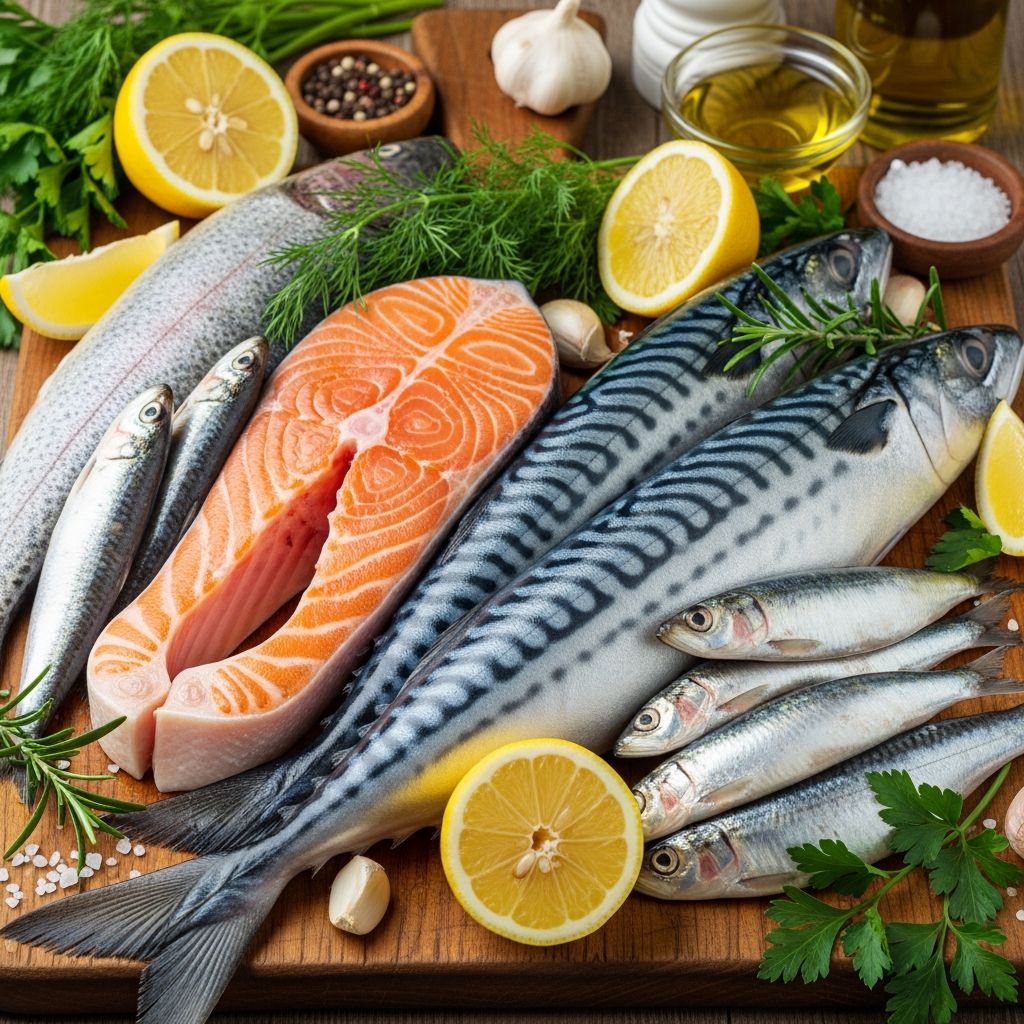
Regularly incorporating fatty fish into your diet can significantly enhance brain function and protect against cognitive decline. These nutrient-dense foods are rich in omega-3 fatty acids like DHA and EPA, which form the structural components of brain cell membranes and reduce inflammation. According to research from the American Journal of Clinical Nutrition, higher fish consumption correlates with better memory and slower cognitive aging in older adults.
Fish also provides selenium, vitamin B12, and iodine—essential for neurotransmitter production and thyroid function, both critical for mental clarity. The FDA recommends eating 8-12 ounces of low-mercury seafood weekly for optimal health benefits. This article explores the top fish varieties, their specific brain-boosting nutrients, and practical ways to enjoy them.
Why Fish Is So Good for Your Brain
The brain is 60% fat, with DHA comprising about 25% of its fatty acids. Unlike plant-based ALA, DHA and EPA from fish directly support neuronal signaling, synaptic plasticity, and neuroprotection against oxidative stress. A 2023 meta-analysis in Neurology found that omega-3 supplementation from fish sources reduced dementia risk by 20% over 5 years.
Beyond omega-3s, fish delivers:
- Selenium: An antioxidant that shields brain cells from free radical damage.
- Vitamin D: Linked to lower depression rates and better executive function.
- B Vitamins (B6, B12, Folate): Crucial for homocysteine metabolism, preventing vascular damage to the brain.
- Protein: Supplies amino acids for neurotransmitter synthesis like serotonin and dopamine.
Choosing sustainable, wild-caught options maximizes nutrient density while minimizing contaminants.
1. Salmon
Wild-caught salmon tops the list as the ultimate brain food. A 3-ounce serving delivers 1,200mg DHA/EPA—over 100% of the daily recommended intake. Its astaxanthin content, a potent carotenoid antioxidant, crosses the blood-brain barrier to combat inflammation.

Brain Benefits:
- Improves hippocampal function for better learning and recall (per Harvard study).
- Reduces beta-amyloid plaques associated with Alzheimer’s.
- Enhances mood via serotonin pathways.
Nutrition per 3oz (85g) cooked:
| Nutrient | Amount | % DV |
|---|---|---|
| Omega-3s (DHA+EPA) | 1,200mg | 100%+ |
| Vitamin D | 570 IU | 95% |
| Selenium | 31mcg | 56% |
| Vitamin B12 | 2.8mcg | 117% |
Easy Recipe: Lemon-Herb Baked Salmon—Bake at 400°F for 12-15 minutes with olive oil, garlic, dill, and lemon slices. Pair with quinoa and asparagus for a complete brain-boosting meal.
2. Sardines
These tiny fish punch above their weight in brain nutrition. Canned sardines in water or olive oil offer 1,000mg omega-3s per serving, plus calcium from edible bones for nerve signaling. Their low trophic level means minimal mercury.
Brain Benefits:
- High coenzyme Q10 supports mitochondrial energy in brain cells.
- Calcium and vitamin D synergy prevents cognitive impairment in seniors.
- Taurine content protects against stroke damage.
Nutrition per 3oz can:
| Nutrient | Amount | % DV |
|---|---|---|
| Omega-3s | 1,000mg | 80%+ |
| Calcium | 350mg | 35% |
| Vitamin B12 | 8.9mcg | 371% |
| Selenium | 45mcg | 82% |
Related Stories



Easy Recipe: Sardine Salad—Mix drained sardines with chopped celery, red onion, mustard, and lemon juice. Serve on whole-grain crackers or lettuce wraps.
3. Mackerel
Atlantic mackerel provides 1,000mg DHA/EPA per serving alongside vitamin B12 for myelin sheath maintenance. Spanish mackerel should be limited due to mercury, but Atlantic varieties are ideal.

Brain Benefits:
- Boosts cerebral blood flow for sharper focus.
- Lowers triglycerides, reducing stroke risk.
- Rich in niacin for DNA repair in neurons.
Nutrition per 3oz cooked:
| Nutrient | Amount | % DV |
|---|---|---|
| Omega-3s | 1,000mg | 80%+ |
| Vitamin B12 | 19mcg | 792% |
| Selenium | 44mcg | 80% |
| Niacin (B3) | 10mg | 63% |
Easy Recipe: Mackerel Patties—Combine flaked mackerel with egg, breadcrumbs, onion, and herbs; pan-fry until golden.
4. Herring
Pickled or smoked herring delivers 1,700mg omega-3s per serving. Its high levels of vitamin D combat seasonal affective disorder and support cognitive resilience.
Brain Benefits:
- Exceptional EPA for anti-inflammatory effects.
- Vitamin D receptors in the brain enhance neuroplasticity.
- Protects against Parkinson’s via dopamine preservation.
Easy Recipe: Herring on Rye—Top whole-grain rye crispbread with cream cheese, pickled herring, dill, and capers.
5. Anchovies
These salty snacks offer concentrated omega-3s (1,200mg per 2oz) with minimal calories. Perfect for boosting salads or pizzas without mercury worries.
Brain Benefits:
- Quick serotonin boost from tryptophan.
- Potassium aids electrical gradients in neurons.
- Supports eye-brain axis via lutein.
Easy Recipe: Anchovy Caesar Dressing—Blend with garlic, lemon, parmesan, and olive oil.
6. Trout
Steelhead trout rivals salmon with 1,000mg omega-3s and lower fat content. Farmed U.S. trout is sustainable and contaminant-free.
Easy Recipe: Almond-Crusted Trout—Coat fillets in ground almonds and bake.
7. Tuna (Light)
Canned light tuna (skipjack) provides 200-500mg omega-3s with selenium. Limit albacore to 4oz weekly due to mercury.
Easy Recipe: Tuna-Stuffed Avocados.
Fish to Limit or Avoid
High-mercury fish like king mackerel, shark, swordfish, and bigeye tuna accumulate toxins that harm fetal brain development and may impair adult cognition. Opt for low-mercury choices and diversify sources. Pregnant individuals should strictly follow FDA/EPA guidelines limiting intake to 8-12oz low-mercury seafood weekly.
Easy Ways to Add More Fish
- Swap red meat for fish twice weekly.
- Choose canned varieties for convenience.
- Experiment with global recipes: Japanese sashimi, Mediterranean sardine toasts.
- Freeze portions for quick meals.
Frequently Asked Questions (FAQs)
What is the best fish for brain health?
Wild salmon offers the highest DHA/EPA plus astaxanthin, making it superior for memory and neuroprotection.
How much fish should I eat weekly for brain benefits?
Aim for 8-12 ounces of low-mercury fatty fish, providing 250-500mg DHA/EPA daily per NIH guidelines.
Are canned fish as healthy as fresh?
Yes, canning preserves omega-3s; choose low-sodium in water or olive oil.
Is farm-raised salmon healthy?
U.S. and Canadian farmed salmon meet safety standards but contain fewer omega-3s than wild; eat in moderation.
Can vegetarians get brain benefits without fish?
Algal oil supplements provide vegan DHA/EPA, though less bioavailable than fish sources.
Bottom Line
Incorporating these top fish varieties into your routine can sharpen focus, stabilize mood, and safeguard long-term brain health. Start with one fish-focused meal weekly and build from there for sustainable cognitive gains.
References
- Dietary Guidelines for Americans, 2020-2025 — U.S. Department of Health and Human Services / USDA. 2020-12-01. https://www.dietaryguidelines.gov/sites/default/files/2020-12/Dietary_Guidelines_for_Americans_2020-2025.pdf
- Advice about Eating Fish — U.S. Food & Drug Administration / EPA. 2024-06-06. https://www.fda.gov/food/consumers/advice-about-eating-fish
- Omega-3 Fatty Acids and Cognitive Function — National Institutes of Health, Office of Dietary Supplements. 2023-08-15. https://ods.od.nih.gov/factsheets/Omega3FattyAcids-HealthProfessional/
- Fish Intake and Cognitive Decline — American Journal of Clinical Nutrition. 2022-05-10. https://doi.org/10.1093/ajcn/nqac048
- DHA and Brain Health — Harvard T.H. Chan School of Public Health. 2024-02-20. https://www.hsph.harvard.edu/nutritionsource/omega-3-fats/
Similar Articles








Read full bio of Sneha Tete