10 Best Upper Body Exercises You’re Not Doing
Master the top 10 upper body exercises that transform your strength and physique.
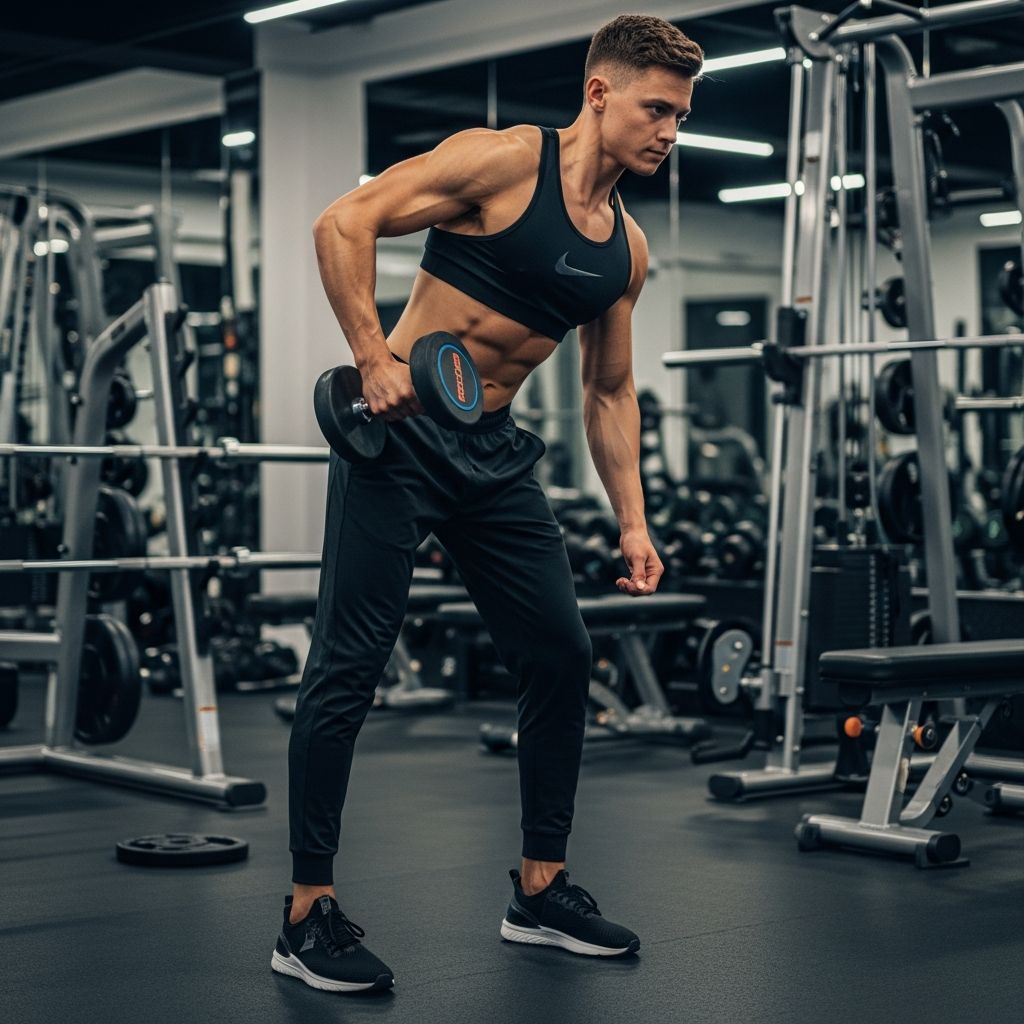
The 10 Best Upper Body Exercises for Your Workout Plan
When it comes to building a stronger, more muscular upper body, many lifters gravitate toward the same basic movements: bench press, barbell curls, and maybe some lat pulldowns. While these exercises have merit, they represent only a fraction of what’s available in your training arsenal. The reality is that some of the most effective upper body exercises are being overlooked by countless gym-goers who are stuck in conventional training patterns. Whether you’re looking to build mass, increase strength, or improve functional fitness, incorporating a diverse range of upper body movements will deliver superior results compared to repeating the same routine month after month.
This guide explores ten of the best upper body exercises that many lifters neglect or underutilize in their training programs. Each movement offers unique benefits for muscle development, strength gains, and joint health. By understanding the mechanics and benefits of each exercise, you can strategically implement them into your routine to overcome plateaus and achieve new levels of fitness performance.
Understanding Upper Body Exercise Selection
Effective upper body training requires more than randomly selecting exercises. Strategic exercise selection considers several factors: the movement pattern (horizontal push, vertical push, horizontal pull, vertical pull), the primary muscle groups targeted, the stabilization demands, and how exercises complement one another. When you understand these principles, you can build comprehensive workouts that address all aspects of upper body development while minimizing injury risk and maximizing time efficiency.
The exercises outlined below represent a mix of foundational strength builders and specialized movements that enhance overall upper body development. Some are staples that deserve more prominence in your program, while others are advanced variations that can provide novel stimulus when your training has plateaued.
The Top 10 Upper Body Exercises
1. Pullup
Why This Exercise Matters: The pullup stands as the gold standard for upper body strength, despite being overshadowed by the barbell bench press in many gyms. While the bench press receives tremendous attention, the true indicator of upper body mastery is the ability to perform quality pullups or chin variations. What makes pullups exceptional is their honesty—there’s no cheating or momentum compensation possible. You either have the strength to pull your bodyweight, or you don’t.
Beyond the strength demonstration, pullups develop some of the healthiest regions of your body. The movement heavily emphasizes the middle and upper back, areas that are chronically underdeveloped in most trainees. For achieving an aesthetic V-shaped physique and developing powerful upper arms, pullups remain the gold standard. They should feature prominently in virtually every upper body training program.
The vertical pulling pattern engages the latissimus dorsi as the primary mover while recruiting the biceps, rear deltoids, and scapular stabilizers. This comprehensive activation pattern makes pullups invaluable for balanced upper body development.
2. Military Press
Why This Exercise Matters: The standing barbell press is a premier strength-building movement that deserves a place in every serious lifter’s program. This overhead pressing variation excels at developing shoulder and trap strength while building impressive shoulder width and upper body presence.
What distinguishes the military press from other pressing movements is its unique stability demand. Unlike bench pressing movements where the back can remain relatively stable against a bench, the standing military press requires substantial stabilization from the core, lower back, and glutes. This creates a full-body strength exercise despite being categorized as a shoulder movement.
Related Stories



From a joint health perspective, the military press promotes free mobility at the shoulder blade, allowing the scapula to move naturally through its range of motion. This contrasts with fixed-path machines or movements that pin the scapula in place, making the military press superior for long-term shoulder health. The barbell military press demands force production from the primary pressing muscles—deltoids, triceps, and upper chest—while building the stability musculature that protects the shoulder joint.
3. Farmer’s Carry
Why This Exercise Matters: The farmer’s carry represents a functional strength movement that directly translates to real-world performance. This simple yet brutally effective exercise involves carrying heavy dumbbells or kettlebells in each hand while walking.
Despite its simplicity, the farmer’s carry develops exceptional grip strength, core stability, and postural control. The unilateral loading demand forces your core to resist lateral flexion while your forearms battle the tremendous weight. This movement builds grip endurance that carries over to improved performance in other exercises like deadlifts, rows, and pullups.
Additionally, farmer’s carries improve shoulder stability through isometric holds under load, strengthen the upper traps, and enhance overall work capacity. For functional fitness and practical strength, few movements are as effective as the farmer’s carry.
4. Pushup
Why This Exercise Matters: While pushups might seem basic or outdated, they represent one of the most underrated upper body movements in modern training. Many advanced lifters overlook pushups, yet they offer remarkable benefits that shouldn’t be ignored. Pushups are the premier calisthenics exercise, serving as the gold standard for bodyweight training.
The benefits of pushups are extensive. They develop significant muscular endurance in the chest and triceps while simultaneously strengthening the core. Unlike bench press variations where the body is supported by a bench, pushups require constant stabilization from the core musculature as you resist spinal extension and rotation under load.
From a shoulder health perspective, pushups offer an advantage over fixed-path barbell bench pressing. The scapula can move freely during the pushup, promoting natural shoulder blade mechanics. This free mobility translates to healthier shoulders and fewer joint problems compared to movements that lock the scapula in a fixed position.
Advanced Pushup Variation – Ladder Sets: To intensify pushups and provide a conditioning stimulus, perform ladder sets where you progress through rep ranges with isometric holds. Perform 3 pullups, then hold the top position for 10 seconds. Next, perform 5 reps, hold for 10 seconds, then complete 10 final reps. Rest completely between sets. Aim for 4 to 5 total ladder sets with 2 minutes rest between each. This protocol humbles even strong athletes.
5. Dumbbell Bench Press
Why This Exercise Matters: While barbell bench pressing receives enormous attention in strength training circles, dumbbell bench pressing often gets relegated to secondary status. This represents a significant oversight, as dumbbells offer distinct advantages over barbells for chest development.
The primary advantage of dumbbell pressing is the enhanced hypertrophy stimulus it provides. Because each dumbbell moves independently, each pectoral muscle must stabilize its own weight while also generating force to press the weight upward. This unilateral stabilization demand significantly increases muscle fiber recruitment compared to barbell pressing where the bar moves as a fixed unit.
Additionally, dumbbells allow for wrist rotation as the reps progress, reducing strain on the elbow joint and shoulder complex. The fixed grip of a barbell sometimes creates discomfort for some lifters, while the freedom offered by dumbbells accommodates individual anatomy variations better. For maximum chest hypertrophy, dumbbell bench pressing deserves a prominent role in your training program.
6. Barbell Bent-Over Row
Why This Exercise Matters: If you’re seeking a single movement that builds total back mass, the barbell bent-over row stands unmatched. This horizontal pulling exercise develops impressive thickness throughout the entire posterior chain when performed with proper technique.
During the bent-over row, your spinal erectors maintain a heavy isometric contraction to hold a horizontal torso position while lifting substantial weight. Simultaneously, your upper back works dynamically to pull the bar toward your torso. This dual action—isometric spinal stability plus dynamic upper back pulling—creates exceptional stimulus for back development.
The bent-over row also allows for grip variation, which shifts emphasis between muscle groups. An overhand grip emphasizes the lats and mid-back, while an underhand grip shifts focus toward the biceps, providing additional arm development stimulus. For anyone serious about back thickness and strength, bent-over rows are non-negotiable.
7. Inverted Row
Why This Exercise Matters: The inverted row serves as an underrated horizontal pulling variation that deserves more attention than it typically receives. Performed using a barbell set in a rack or TRX straps, this movement is a horizontal pulling complement to vertical pulling movements like pullups.
This exercise begins with your body suspended below the bar with hips raised off the ground, creating a straight-line body position. From here, you pull your chest toward the bar, emphasizing lower chest contact with the bar. This movement pattern develops the middle and upper back while also providing an accessible alternative for those unable to perform pullups yet.
Progression Strategy: If the suspended position becomes too easy, progress to a straight-legged position where your body forms a more horizontal angle beneath the bar. The increased leverage demands greater strength. Regardless of which variation you use, aim for 3 to 5 sets of 12 to 20 reps for optimal results. The rep range shift makes this more of a hypertrophy-focused movement than a strength builder.
8. Hanging Leg Raise
Why This Exercise Matters: Upper body training shouldn’t neglect the core, as abdominal strength directly impacts performance in pressing and pulling movements. Among core exercises, the hanging leg raise reigns supreme as the most effective ab-specific movement available.
This exercise delivers exceptional core activation by requiring you to flex the spine against gravity while suspended from a pullup bar. The movement specifically targets the abdominals through a complete range of motion, creating significant hypertrophy stimulus that visible abdominal musculature requires.
Beyond core development, hanging leg raises develop impressive grip strength. Holding yourself on a pullup bar while raising your legs requires tremendous grip endurance, making this a dual-benefit movement that simultaneously builds abs and grip strength. This represents a true win-win for efficient training.
9. Face Pull
Why This Exercise Matters: Among upper body exercises, few provide as much practical benefit relative to effort invested as the face pull. This movement stands as one of the best shoulder health and posture correction exercises available to lifters of any experience level.
Performed using cable machines, resistance bands, or dumbbells, face pulls develop the rear deltoids and upper back while simultaneously improving shoulder health and posture. The horizontal pulling pattern done at face level emphasizes the muscles responsible for retracting the scapula and externally rotating the shoulder, creating a perfect prehab movement.
What makes face pulls exceptional is that they’re virtually impossible to overtrain. You can perform high volumes without accumulating excessive fatigue or joint stress. This makes them perfect for daily inclusion in your routine, providing constant postural and shoulder joint health benefits. If you train seriously, face pulls should be a permanent fixture in your upper body work.
10. Additional Upper Body Movements Worth Considering
Beyond the primary nine exercises detailed above, several other movements deserve consideration for comprehensive upper body development. Variations like dumbbell single-arm rows, incline dumbbell presses, hammer curls, and lateral raises all provide unique stimulus that complements the primary exercises. The key is understanding how different movements fit together to create balanced development across all upper body regions.
Structuring Your Upper Body Training Program
Understanding individual exercises is only half the battle—strategic program design determines whether you actually achieve your goals. Upper body training should incorporate pulling and pushing variations in both vertical and horizontal patterns. A balanced program includes:
Vertical Pulling: Pullups or chin-ups provide the primary vertical pull stimulus
Vertical Pushing: Military press or its variations handle overhead pressing
Horizontal Pulling: Bent-over rows or inverted rows develop back thickness
Horizontal Pushing: Dumbbell or barbell bench press variants build chest and front shoulder development
Accessory Work: Face pulls, lateral raises, and other movements address weak points and improve joint health
Programming Recommendations
Most intermediate to advanced lifters benefit from training upper body 2-3 times per week with varying intensities and volumes. One session might emphasize strength with heavier weights and lower reps on primary movements (3-6 reps), while another focuses on hypertrophy with moderate weights and moderate rep ranges (8-12 reps). A third session might use lighter weights and higher reps (12-20 reps) for pump and conditioning benefits.
Rotating through different exercises and rep ranges prevents adaptation and keeps your training fresh. Using the ten exercises outlined above, you can create dozens of different workouts that stress various aspects of upper body development while avoiding the monotony that leads to stalled progress.
Common Mistakes to Avoid
Many lifters fail to progress optimally because they neglect key movement patterns. Spending 80% of chest training time on barbell bench press while neglecting rows leads to muscle imbalances and poor posture. Conversely, neglecting vertical pressing movements while focusing exclusively on horizontal pressing creates weak shoulders and limits overall strength development.
Additionally, using excessively heavy weight with poor form provides minimal benefit compared to using appropriate weight with perfect technique. Ego-driven training leads to injury and slow progress. Prioritize movement quality and progressive overload through controlled, deliberate practice.
Frequently Asked Questions
Q: How often should I perform each upper body exercise?
A: Most lifters benefit from hitting each movement pattern (vertical push, vertical pull, horizontal push, horizontal pull) 1-2 times per week. This frequency allows sufficient volume for adaptation while allowing adequate recovery between sessions.
Q: Which exercise should I prioritize first in my workout?
A: Prioritize your weakest or most important movement first when your central nervous system is freshest. If your back is underdeveloped, perform rows or pullups first. If your shoulders need development, prioritize the military press or pullups first.
Q: How do I choose between barbell and dumbbell variations?
A: Both offer unique benefits. Use barbell variations when you want to move the most weight and focus primarily on strength development. Use dumbbell variations when you want greater stabilization demand and to accommodate individual anatomy variations. Rotate between both regularly.
Q: What if I can’t perform pullups yet?
A: Use assisted pullup machines, resistance bands, or inverted rows to build strength progressively. Consistently perform 2-3 pullup sessions per week using progressively less assistance until you achieve your first unassisted rep.
Q: Should I train arms directly or rely on compound movements?
A: Compound movements like rows, presses, and pullups provide substantial arm stimulus, but direct arm work through curls and extensions amplifies growth. Most lifters benefit from both—prioritizing compounds while adding direct arm work as accessory movements.
Q: How long should I rest between sets on heavy strength movements?
A: Rest 2-3 minutes between heavy sets on primary movements like military press and bent-over rows. This allows adequate recovery of the nervous system and phosphocreatine stores, enabling maximum force production on subsequent sets.
Q: Can I perform upper body training every day?
A: Performing upper body work daily is possible if you vary the intensity and movements. A typical approach involves alternating between heavy/lower volume and light/higher volume sessions, but most lifters recover better with 2-3 dedicated upper body sessions weekly plus lighter accessory work.
Conclusion
Building an impressive upper body requires more than repeating the same exercises month after month. By strategically incorporating the ten exercises outlined above into your training program, you create comprehensive stimulus that develops all aspects of upper body strength, mass, and function. The pullup builds absolute strength and an impressive back. The military press develops shoulders and core stability. Farmer’s carries build grip and functional strength. Pushups develop muscular endurance and core control. Dumbbell bench presses create hypertrophy stimulus. Bent-over rows build back thickness. Inverted rows provide a horizontal pull complement. Hanging leg raises strengthen the core and grip. Face pulls protect shoulder health. Each movement serves a specific purpose within a comprehensive training approach.
Start implementing these exercises into your routine immediately. Choose exercises you’re currently neglecting and add them to your program over the next 4-8 weeks. Track your progress, focus on movement quality, and progressively increase weights or reps over time. The compound results of consistent, intelligent training with superior exercises will transform your upper body development far more effectively than continuing to perform the same limited movement patterns.
References
- The 10 Best Upper Body Exercises for Your Workout Plan — Men’s Health. Accessed December 1, 2025. https://www.menshealth.com/fitness/a19537383/best-upperbody-exercises-youre-not-doing/
- Science of Strength: Muscle Development and Exercise Physiology — National Strength and Conditioning Association. https://www.nsca.com
- Exercise Techniques and Biomechanics for Upper Body Training — American College of Sports Medicine. https://www.acsm.org
- Resistance Training Standards and Guidelines — International Society of Sports Nutrition. https://www.issn.net
- This Science-Backed Upper-Body Workout Delivers Maximum Results — Men’s Health UK. Accessed December 1, 2025. https://www.menshealth.com/uk/workouts/a64752351/exercise-scientist-upper-body-workout/
Similar Articles








Read full bio of medha deb