The Best Vegetable for Lowering Inflammation
Discover the top vegetable proven to reduce inflammation, backed by science, and learn how to incorporate it into your daily diet for optimal health benefits.
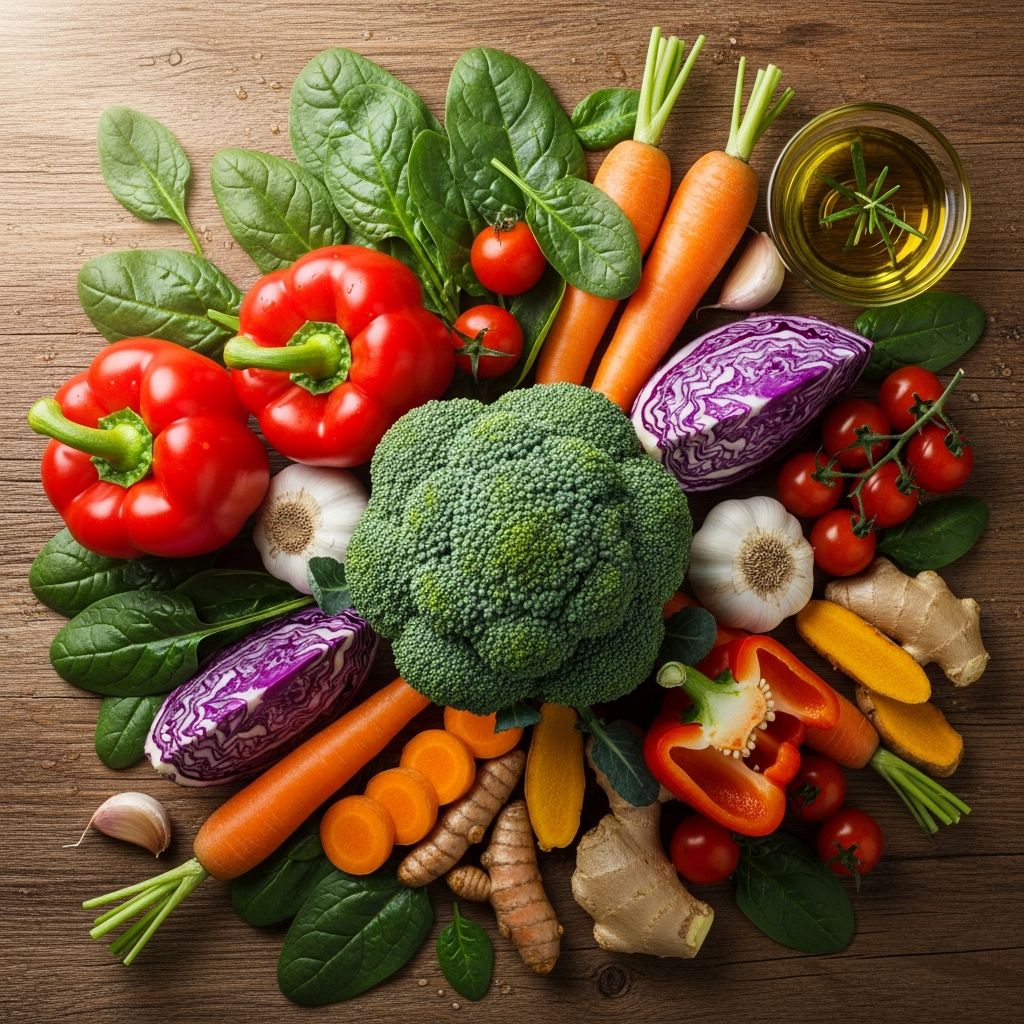
Chronic inflammation underlies many health issues, from arthritis to heart disease. Among vegetables,
leafy greens
—particularly spinach, kale, and broccoli—stand out as the most effective for reducing inflammatory markers in the body, thanks to their rich vitamin K, antioxidants, and fiber content.Why Leafy Greens Are the Top Choice for Fighting Inflammation
Research highlights leafy greens as powerhouse anti-inflammatory foods. Vitamin K-rich options like broccoli, spinach, lettuce, kale, and cabbage dramatically lower inflammatory markers in the blood, making them essential for managing conditions like rheumatoid arthritis (RA). These vegetables provide antioxidants that neutralize free radicals, unstable molecules that damage cells and promote inflammation.
Leafy greens are loaded with potent chemicals acting as the body’s defense system. Darker, more brilliant colors signal higher antioxidant levels, with spinach and kale delivering anthocyanins and vitamin C that inhibit inflammatory processes. Studies show consuming these veggies supports joint health, reduces pain sensitivity, and lowers C-reactive protein (CRP), a key inflammation indicator.
The Science Behind Leafy Greens and Reduced Inflammation
Scientific evidence supports leafy greens’ superiority. One study linked high intake of vitamin K-rich greens to significantly reduced blood inflammation markers. Anthocyanins in dark greens like kale mimic effects of anti-inflammatory drugs by inhibiting enzymes that amplify pain and swelling.
For arthritis patients, a diet emphasizing nine or more daily servings of fruits and vegetables—prioritizing leafy greens—proved highly effective. Men and women eating the most such produce showed up to 51% lower risk of dying from inflammatory diseases like RA. Fiber in greens also lowers CRP levels, aiding overall disease management.
Health Benefits of the Best Anti-Inflammatory Vegetable
- Joint Health Protection: Vitamin K in spinach and kale maintains healthy joints and prevents inflammatory arthritis.
- Antioxidant Power: Neutralizes free radicals, reducing cellular damage linked to chronic inflammation.
- CRP Reduction: High fiber content lowers this blood marker of inflammation.
- Heart and Disease Risk Lowering: Aligns with Mediterranean diet principles, cutting inflammatory disease mortality by over 50%.
- Weight Management: Low-calorie, satiating fiber promotes healthy weight, indirectly combating inflammation.
How Much Leafy Greens Should You Eat Daily?
Aim for
nine or more servings
daily: one serving equals one cup of most veggies or two cups of raw leafy greens. Start with salads, smoothies, or steamed sides. Consistency is key—pair with other anti-inflammatory foods like nuts, beans, and olive oil for amplified effects.| Vegetable | Serving Size | Key Anti-Inflammatory Nutrient | Daily Recommendation |
|---|---|---|---|
| Spinach | 2 cups raw | Vitamin K, Antioxidants | 2-3 servings |
| Kale | 2 cups raw | Vitamin K, Beta-Carotene | 2-3 servings |
| Broccoli | 1 cup cooked | Vitamin K, Sulforaphane | 1-2 servings |
| Lettuce | 2 cups raw | Folate, Fiber | 1-2 servings |
Delicious Ways to Add More Leafy Greens to Your Diet
Incorporate leafy greens effortlessly with these ideas:
Related Stories



- Salads: Base meals on spinach or kale with olive oil dressing for extra anti-inflammatory benefits.
- Smoothies: Blend kale with berries for anthocyanin boost.
- Stir-Fries: Sauté broccoli and spinach with garlic.
- Soups: Add chopped greens to bean soups for fiber synergy.
- Baked Dishes: Mix into casseroles or top pizzas.
Complement Your Leafy Greens with These Anti-Inflammatory Foods
Leafy greens shine brightest in a full anti-inflammatory diet like the Mediterranean pattern.
Nuts
Walnuts, almonds, pistachios, and pine nuts offer monounsaturated fats and vitamin B6, reducing inflammatory markers. High consumers had 51% lower inflammatory disease death risk.
Beans
One cup twice weekly: small red, kidney, and pinto beans lower CRP with fiber and phytonutrients.
Whole Grains
Oatmeal, quinoa, brown rice provide fiber to cut CRP, but avoid if gluten-sensitive.
Healthy Fats
Extra virgin olive oil inhibits inflammatory enzymes; avocado and walnut oils add omega-3s.
Addressing Common Myths: Nightshade Vegetables and Inflammation
Nightshades like tomatoes, eggplant, peppers, and potatoes pack nutrition but contain solanine, sometimes blamed for arthritis flares. No strong evidence links them to inflammation, yet some report relief avoiding them. Test by eliminating for weeks, then reintroducing.
Sample Anti-Inflammatory Meal Plan Featuring Leafy Greens
- Breakfast: Kale smoothie with blueberries and nuts.
- Lunch: Spinach salad with beans, olive oil, and citrus.
- Dinner: Broccoli stir-fry with whole grains and fish.
- Snack: Handful of almonds with apple slices.
This plan hits nine veggie servings, emphasizing leafy greens for maximum impact.
Frequently Asked Questions (FAQs)
What’s the single best vegetable for lowering inflammation?
Spinach and kale lead due to vitamin K dramatically reducing blood inflammatory markers.
How do leafy greens fight inflammation?
Through antioxidants, vitamin K, and fiber that lower CRP and neutralize free radicals.
Can I eat too many leafy greens?
Nine-plus servings daily are ideal and safe for most; consult a doctor if on blood thinners due to vitamin K.
Are nightshade vegetables inflammatory?
No scientific proof, but test personal tolerance by elimination.
What diet maximizes leafy greens’ benefits?
The Mediterranean diet, rich in whole foods, nuts, beans, and olive oil.
Potential Risks and Considerations
Leafy greens are safe, but high vitamin K may interact with warfarin. Those with kidney issues should moderate oxalates in spinach. Always diversify intake.
References
- The Ultimate Arthritis Diet — Arthritis Foundation. 2023-10-15. https://www.arthritis.org/health-wellness/healthy-living/nutrition/anti-inflammatory/the-ultimate-arthritis-diet
- I Ate an Anti-Inflammatory Lunch Every Day for a Week — AOL. 2024-05-20. https://www.aol.com/articles/ate-anti-inflammatory-lunch-every-170000278.html
- Anti-Inflammatory Diet — Harvard T.H. Chan School of Public Health. 2024-01-10. https://www.hsph.harvard.edu/nutritionsource/anti-inflammatory-diet/
- Vitamin K and Inflammation — National Institutes of Health (NIH). 2023-08-05. https://ods.od.nih.gov/factsheets/VitaminK-HealthProfessional/
- Mediterranean Diet and Inflammation — World Health Organization (WHO). 2024-02-12. https://www.who.int/news-room/fact-sheets/detail/healthy-diet
Similar Articles








Read full bio of medha deb