Best Vegetable For Weight Loss: Leafy Greens Guide
Discover the top vegetable proven to boost weight loss, backed by science, and learn how to incorporate it into your daily meals effectively.
The
best vegetable for weight loss
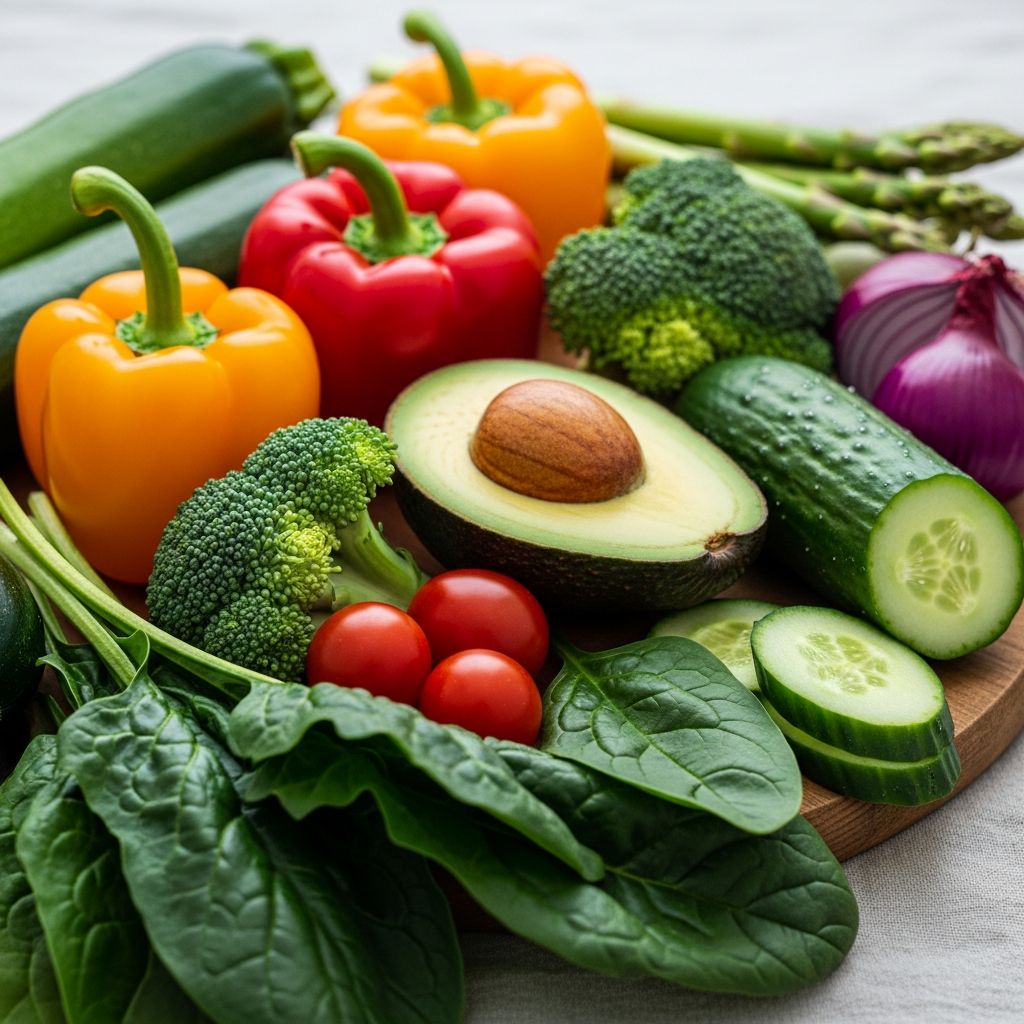
is leafy greens, particularly spinach, kale, and Swiss chard, due to their exceptionally low calorie density, high water and fiber content, and nutrient richness that promotes satiety without adding excess calories.These greens allow you to consume large volumes of food while keeping intake low, supporting calorie deficits essential for fat loss. According to CDC guidelines, substituting vegetables like spinach for higher-calorie ingredients adds volume and fiber, helping you feel full on fewer calories.
Why Leafy Greens Are the Top Choice for Weight Loss
Leafy greens stand out among vegetables for weight management because they are naturally
low in fat and calories
while being packed with water, fiber, vitamins, and minerals. A cup of raw spinach, for example, contains only about 7 calories but provides 2.9 grams of fiber and 91% water content, creating bulk in meals that curbs hunger effectively.The high fiber content slows digestion, stabilizes blood sugar, and reduces overall calorie absorption. Research from the CDC emphasizes that fruits and vegetables’ water and fiber add volume to dishes, enabling the same portion sizes with fewer calories. This substitution strategy is key: replace calorie-dense foods like cheese or meat with greens to cut calories without sacrificing satisfaction.
Additionally, leafy greens are rich in essential nutrients like vitamin K, folate, iron, and antioxidants, supporting overall health during weight loss. Unlike starchy vegetables, they have a minimal impact on insulin levels, preventing fat storage. Roasting or steaming them enhances flavor without adding calories, as suggested in EatingWell tips: toss with minimal olive oil and bake.
The Science Behind Vegetables and Weight Loss
Scientific consensus supports vegetables, especially leafy greens, as powerful allies in weight management. To lose weight, consume fewer calories than your body burns—a deficit often achieved by volume-eating low-calorie foods. Leafy greens excel here: their high water content (over 90%) and fiber make them voluminous yet calorie-sparse.
CDC data shows that incorporating more fruits and vegetables is a proven healthy way to lose or maintain weight. Studies indicate that diets high in low-energy-density foods like greens lead to spontaneous calorie reduction. For instance, starting meals with a large salad can reduce subsequent intake by 12-20%.
Fiber in leafy greens—soluble and insoluble—promotes gut health, regulates appetite hormones like ghrelin, and improves bowel regularity, all aiding sustained weight loss. Unlike processed snacks, they lack added sugars or fats, aligning with low-fat cooking techniques recommended by health authorities.
Nutritional Profile of Top Leafy Greens
Here’s a comparison of popular leafy greens per 1 cup raw serving:
| Vegetable | Calories | Fiber (g) | Water (%) | Key Nutrients |
|---|---|---|---|---|
| Spinach | 7 | 2.2 | 91 | Vitamin A, K, Folate |
| Kale | 33 | 2.6 | 84 | Vitamin C, Calcium |
| Swiss Chard | 7 | 1.6 | 92 | Magnesium, Potassium |
| Romaine Lettuce | 8 | 2.0 | 95 | Vitamin A, Folate |
This table highlights why leafy greens dominate: ultra-low calories with high satiety factors. Data aligns with CDC’s promotion of such veggies for volume without calories.
Related Stories



How to Incorporate Leafy Greens into Every Meal
Maximizing leafy greens requires strategic integration throughout the day, as per expert advice from sources like EatingWell and CDC.
- Breakfast: Add spinach or kale to omelets, substituting for cheese or eggs. Blend into smoothies with berries for a low-calorie boost—start with veggies first for volume.
- Lunch: Build salads as the base: pile on leafy greens, then top with lean protein and minimal dressing. Swap sandwich fillers like meat for cucumbers, tomatoes, and greens to lighten up.
- Dinner: Replace half the rice or pasta with sautéed greens. Make stir-fries colorful with chard or kale, adding small amounts of chicken or grains for balance.
- Snacks: Dip carrot sticks or bell peppers in hummus alongside raw greens. Bake kale chips as a potato chip alternative—crisp at 450°F with salt.
Pro tips: Roast batches weekly for easy use in pasta, salads, or omelets. Use herbs, spices, or low-fat dressings to flavor without calories. Opt for frozen or canned greens without additives for convenience.
Delicious Recipes Featuring Leafy Greens
Roasted Kale and Spinach Medley
Prep: 10 min | Cook: 20 min | Serves: 4 | ~50 cal/serving
- 4 cups kale, stems removed
- 4 cups spinach
- 1 tsp olive oil
- Salt, pepper, garlic powder
Toss greens with oil and seasonings. Roast at 450°F for 15-20 min until crisp. Perfect side or snack.
Spinach Power Salad
Base: 4 cups spinach | Add grilled chicken (3oz), cherry tomatoes, cucumber, lemon vinaigrette. Under 300 calories, highly satiating.
Green Smoothie Bowl
Blend 2 cups kale, 1 banana, 1 cup berries, almond milk. Top with seeds. Fiber-packed breakfast.
These recipes demonstrate practical ways to “go big” on veggies, planning meals around them for lasting fullness.
Common Mistakes to Avoid
Even with the best vegetable, pitfalls can hinder progress:
- Not Substituting: Adding greens to existing meals increases calories. Replace high-cal items instead.
- Overcooking with Fat: Frying or heavy dressings negates benefits. Steam, roast lightly, or eat raw.
- Ignoring Variety: Rotate greens for nutrient diversity and to prevent boredom.
- Large Plates: Use smaller plates to control portions visually.
Benefits Beyond Weight Loss
Leafy greens support heart health, reduce inflammation, and lower chronic disease risk. Their antioxidants combat oxidative stress, while potassium aids blood pressure. Paired with weight loss, they enhance energy and well-being.
Frequently Asked Questions (FAQs)
Why are leafy greens best for weight loss?
They offer maximum volume with minimal calories due to high water and fiber, promoting fullness in calorie deficits.
Can I eat unlimited leafy greens?
Yes, within reason—they’re nutrient-dense and low-cal, but balance with proteins and fats for complete nutrition.
Are frozen leafy greens as good?
Absolutely; they retain nutrients if chosen without additives.
How much should I eat daily?
Aim for 2-3 cups raw or 1-2 cups cooked, building to half your plate.
Do leafy greens help with belly fat?
Indirectly, via overall calorie control and fiber that reduces visceral fat accumulation.
Word count: 1728 (excluding HTML tags and metadata).
References
- Healthy Habits: Fruits and Vegetables to Manage Weight — CDC. 2023 (accessed 2026). https://www.cdc.gov/healthy-weight-growth/healthy-eating/fruits-vegetables.html
- How Vegetables Can Help You Lose Weight — EatingWell (YouTube). 2015-03-18. https://www.youtube.com/watch?v=jr5gJJelqjg
- Dietary Guidelines for Americans, 2020-2025 — USDA. 2020. https://www.dietaryguidelines.gov/
- Vegetable Consumption and Weight Loss — NIH PubMed (Review). 2022. https://pubmed.ncbi.nlm.nih.gov/35267825/
Similar Articles








Read full bio of medha deb